Portuguese
  Spanish




From Used Cars to Electric, the Brazilian Automotive Market Is on the Brink of Major Changes
Finally, a relief for consumers’ wallets. The federal government announced a significant reduction in taxes in the automotive sector, aiming to revive the popular car market.
The announcement comes at a time when new vehicle prices are finally showing a decline. But the advice is clear: if you are thinking about buying a car, it might be worth waiting a little longer.
The word of the moment is “correction.” After hitting record highs last year, the car market is now pointing towards a significant drop in prices. Recent data indicates that the supply of cars is increasing, paving the way for an unprecedented market adjustment.
-
Electric Revolution: Watts W125 Motorcycle Offers 160 km Range, 90 km/h Speed, and Affordable Price Starting at $3,000

-
General Motors Replaces Over a Thousand Workers with 50 Cobots at Electric Vehicle Plant, UAW Union Criticizes Move Amid Industry’s Automation Push

-
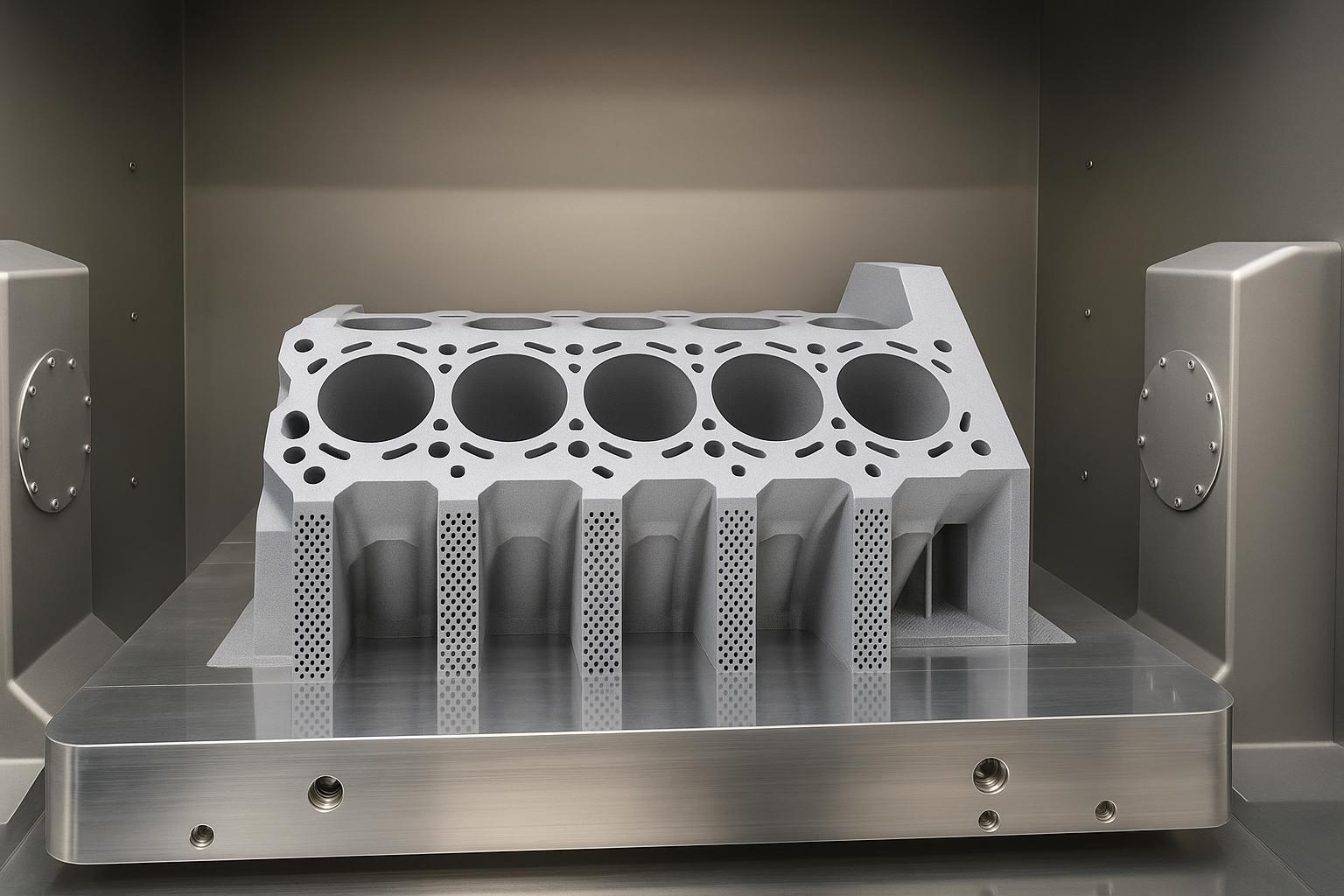
Bosch and Nikon 3D Print Entire Aluminum V8 Engine Block, Sparking New Competition in the Automotive Industry

-
Honda and Nissan Form Alliance to Tackle Competition from Chinese Automakers After $9 Billion Loss



This is corroborated by a survey from Swiss bank UBS, which points to an oversupply that will reach around 5 million vehicles in 2023.
The Impact on Electric Cars
The segment of electric cars is expected to undergo the most significant transformation. According to the same UBS survey, fierce competition and oversupply will force a price reduction in this sector.
Manufacturers like Tesla have already announced significant price cuts for their models in China. This move is expected to influence the global market, making electric cars more accessible to the average consumer.
The Turnaround in Used Cars
On one hand, while new cars are seeing falling prices, the same is observed in the used car market. Prices have dropped an average of 3.6%, creating a new dynamic that may favor those seeking more affordable options.
Despite this scenario, luxury cars seem more resilient to sharp price changes. However, even this segment is not entirely immune. Brands like Land Rover and Lincoln are already showing price reductions for their vehicles, albeit to a lesser extent.
The car market is in full turmoil, and the coming months promise to bring significant changes. According to experts like Michele Krebs from Coops Automotive, this is one of the busiest times in the recent history of the sector.
If you are thinking of acquiring a vehicle, new or used, the advice is simple: keep an eye out for opportunities, as they will arise.