





 Portuguese
  English
  Spanish
  5 min of reading
  0 comments



Understand The Legislation Of 1976 That Banned Diesel Passenger Vehicles And Why, Even More Economical, The Diesel Car Is Prohibited In Brazil Until Today.
A Chevrolet Onix Plus, considered the most economical car in Brazil according to Inmetro, can travel 17.4 km with a liter of gasoline. If an identical model, with the same 44-liter tank, were powered by diesel, it could cover a much greater distance, leaving Brasília and arriving in São Paulo without refueling. In addition to the superior autonomy, the cost would be lower, as diesel is cheaper than gasoline. However, this reality is impossible: the diesel car is prohibited in Brazil for use in passenger vehicles since 1976, a reality that intrigues drivers seeking savings.
The prohibition, established by Ordinance No. 346, did not come about by chance. It was a direct and strategic response to the devastating oil crisis of 1973. According to a thorough analysis from the source Global Knowledge, Brazil, highly dependent on imported oil at the time, had to make a difficult choice: ensure diesel for cargo transportation or subsidize the newly created Proálcool (National Alcohol Program). This article details the historical, economic, and environmental reasons that led to this decision and why it remains, even almost 50 years later.
The Invention Of Rudolf Diesel And The Advantage Of Efficiency
To understand the Brazilian prohibition, it is crucial first to understand the engine. The diesel engine, introduced by German inventor Rudolf Diesel in 1897, was born out of a search for greater efficiency. Unlike gasoline engines, which require a spark (spark plug) to ignite the fuel, diesel works through extreme compression of air inside the cylinder. The air gets so hot that when diesel fuel is injected, it ignites instantly.
-
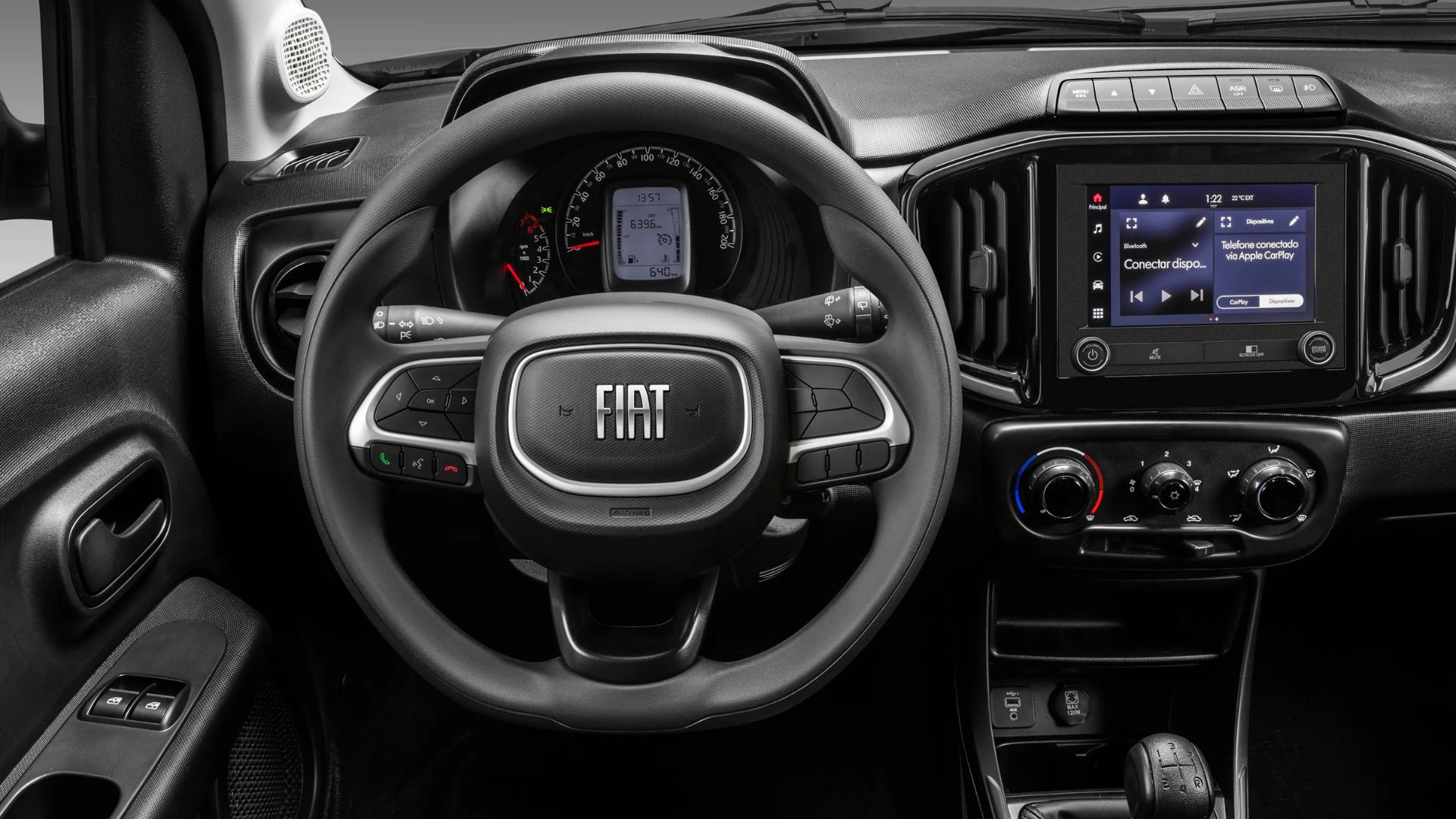
With a 1.0 engine producing 75 hp and costing less than R$ 70,000, Fiat’s car returns to the podium as the cheapest in the country; a temporary promotion for the 2026 Like version reduces the price of the Fiat Mobi.
-
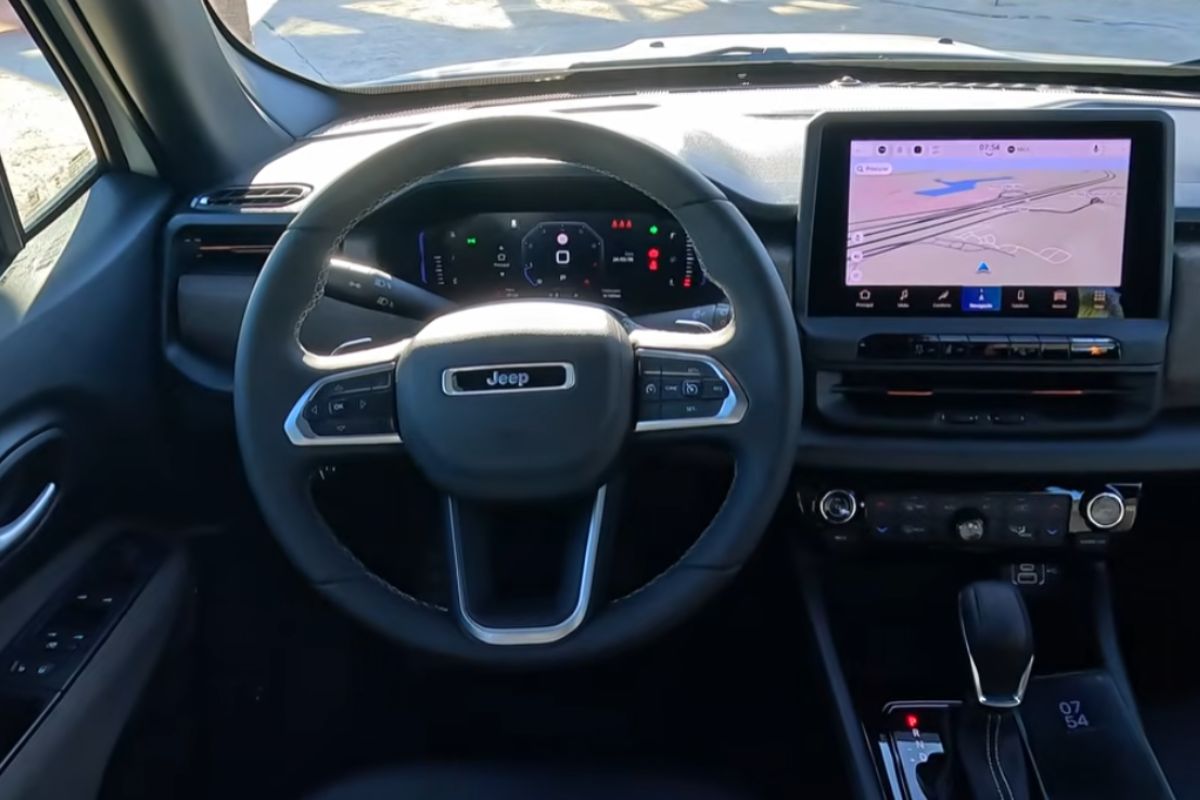
With a mild hybrid system of 48 V, 176 hp and a price of R$ 175,990 in the Sahara version, the new Jeep Renegade changes mostly on the inside, improves slightly in fuel consumption, and remains almost the same car.
-
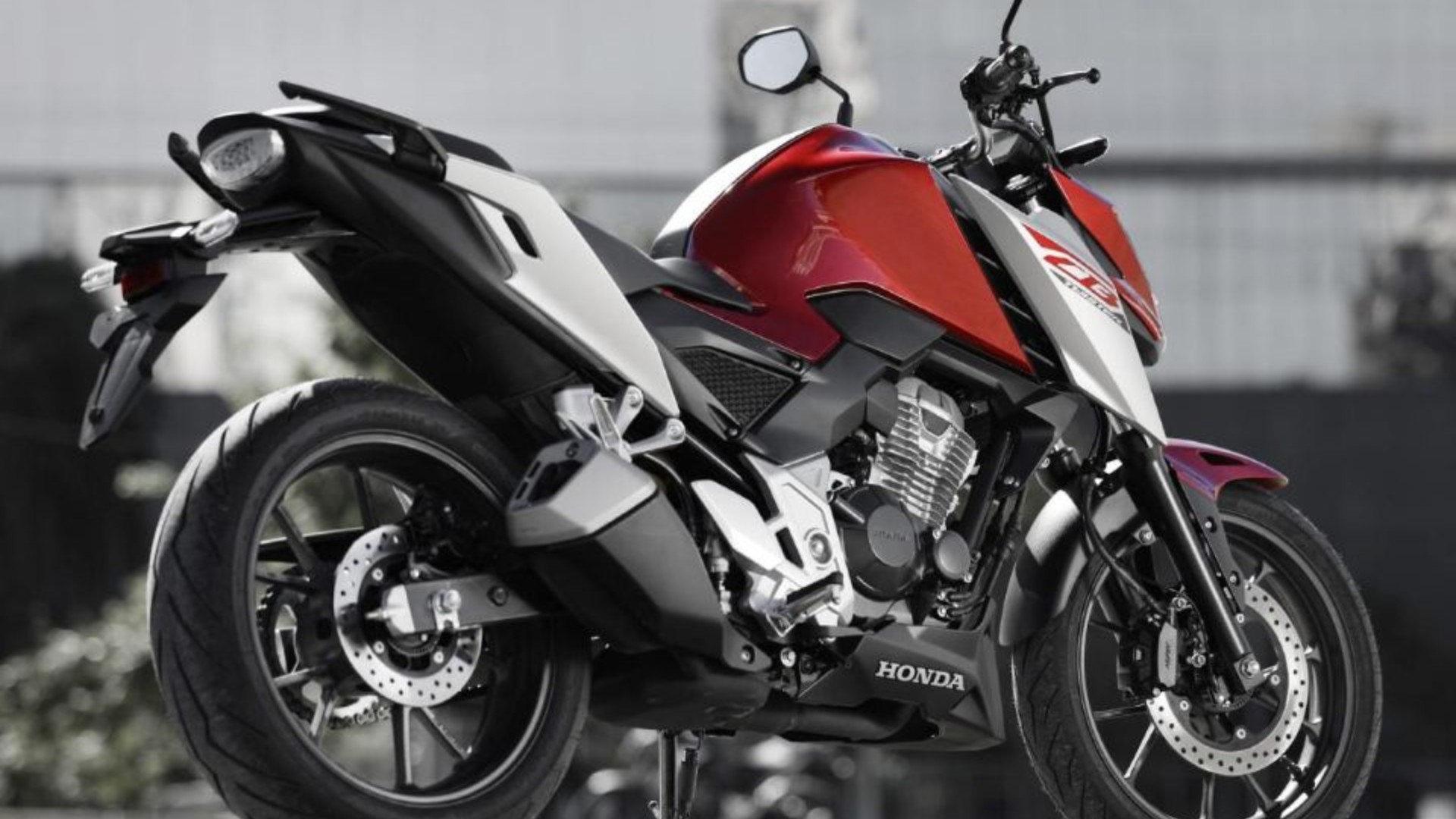
With a 293.5 cm³ engine and a range of up to 400 km with a 14.1-liter tank, the Honda CB 300F Twister 2026 has up to 24.7 hp, an initial price of R$ 25,150, and already exceeds R$ 29,000 in the Fipe Table.
-
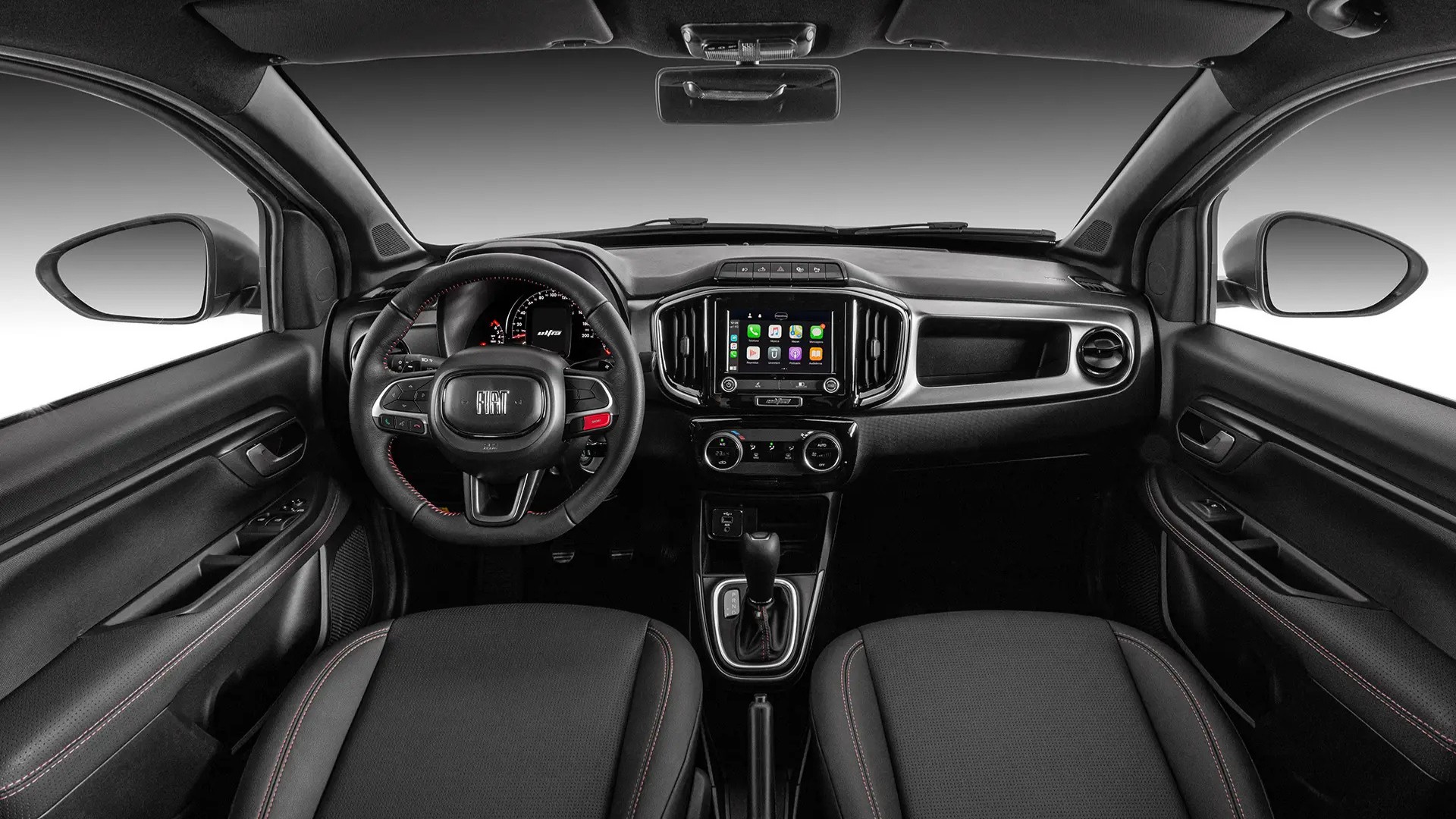
With a 1.3 engine, nearly 700 km of range, and Turbo 200, the Fiat model surpasses Polo, Tera HB20, and Onix, becoming the best-selling car in March; see the numbers for the Fiat Strada and others.

This fundamental difference in operation, according to a survey by Global Knowledge, results in two main practical advantages: greater energy efficiency (lower consumption) and significantly higher durability. Since the compression system requires stronger parts and components, a well-maintained diesel engine can surpass 500,000 km of useful life. In comparison, a similar gasoline engine has an estimated average durability of between 250,000 and 300,000 km.
The Crisis Of 1973: Diesel Becomes The Villain In Brazil And Hero In Europe


Despite its advantages, diesel took time to become popular in passenger cars. It was only after World War II that it gained traction, and its true “boom” occurred after the oil crisis of 1973. When Arab-producing countries reduced production, the price of a barrel skyrocketed 400% in just five months. In Europe, consumers desperate for savings migrated en masse: diesel car sales jumped from 2.5% of the market in 1973 to 11% in 1983, reaching a peak of 52% in 2015.
In Brazil, the effect of the crisis was the opposite and devastating. The economy, which at the time depended on 78% of imported oil, saw the sudden end of the period known as the “economic miracle”. The military government, needing to take drastic measures to stop the drain of dollars, acted on two fronts: created Proálcool in 1975 to promote sugarcane ethanol as an alternative, and issued the 1976 ordinance, banning diesel in light vehicles.
Why The Diesel Car Is Prohibited In Brazil: Proálcool And Freight
Ordinance No. 346 of 1976 was specific: the use of diesel engines would only be allowed in buses, trucks, pickups with load capacity over 1 ton, and utility vehicles with four-wheel drive and low range. The reason for this radical decision was twofold and strategic.
First, it was vital to ensure the supply of road freight transportation, which was (and still is) the country’s primary logistics mode. The government feared that if passenger cars switched to diesel, there would be a fuel shortage for trucks, paralyzing the economy. The second reason, as highlighted in the analysis by Global Knowledge, was to protect the billion-dollar investment in ethanol. The government feared that if the more economical diesel cars were released, they would compete directly with the new alcohol cars, killing Proálcool before it could prove viable.
Economy And Environment: The Reasons For Maintaining The Law
The oil crisis passed, Proálcool consolidated, but the law remained. The main reason for maintaining the prohibition continued to be economic. Brazil, even being self-sufficient today in crude oil extraction, does not have sufficient refining capacity to meet its own diesel demand. The country still needs to import about 20% to 25% of all the diesel it consumes.
The Ordinance No. 23, of 1994, which replaced the 1976 ordinance, made this reason explicit. Freeing diesel for Brazil’s massive passenger fleet (now with 123 million vehicles) would cause an immediate and unsustainable hole in the trade balance, draining the country’s dollar reserves. Furthermore, in the 80s and 90s, the environmental argument gained strength: diesel from that time was extremely polluting, with 13,000 parts per million (ppm) of sulfur, compared to around 800 ppm of gasoline, being considered a villain of air quality in large cities.
The Future: Why The Prohibition Should Not End
Although technology has advanced exponentially, the S10 diesel sold today in Brazil has only 10 ppm of sulfur, the global scenario has changed completely. Ironically, Brazil has become the only country in the world to prohibit diesel passenger cars. Now, the rest of the world is beginning to follow a similar path, but for different reasons.
The European Union, once a stronghold of diesel, announced the end of manufacturing combustion cars (including diesel) by 2035, focusing entirely on electric vehicles. Additionally, the “Dieselgate” scandal in 2015, which revealed that Volkswagen was using software to manipulate emissions testing, destroyed global consumer trust in “clean” diesel. According to the analysis from Global Knowledge, it is practically impossible for the Brazilian prohibition to be reversed. The industry’s focus has shifted to hybrids and electric vehicles, while diesel will continue to be prioritized for cargo transportation, and gasoline and ethanol for passenger cars.
Do you agree with this change? Do you think it impacts the market? Leave your opinion in the comments, we want to hear from those who live this in practice.








Seja o primeiro a reagir!