





 Portuguese
  English
  Spanish
  3 min of reading
  1 comment


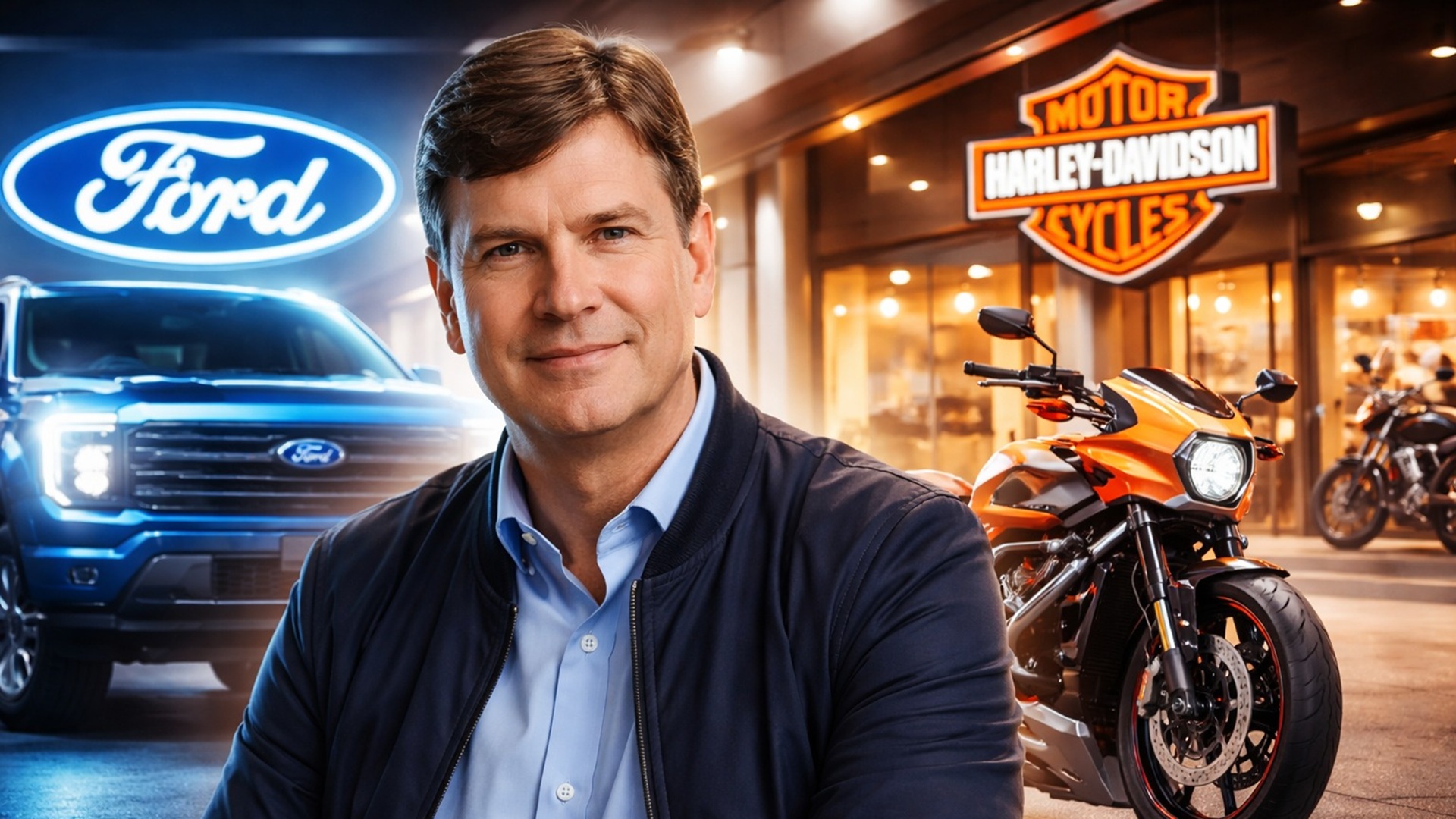


Facing Declining Sales And Challenges With Young Consumers, The Legendary Manufacturer Heeds Jim Farley’s Warnings About The Vital Need For Modernization, Betting On The Leadership Of Artie Starrs To Diversify The Fleet With Affordable Options And Ensure Its Survival In The Next Century.
Harley-Davidson is facing a delicate moment with declining sales and an aging customer base, being alerted by a board member about the need for strategic change to ensure survival over the next hundred years.
Jim Farley, CEO of Ford and a board member of Harley-Davidson, stated that the legendary American brand needs to change to survive. The company is experiencing a decline in sales and difficulty attracting new generations, currently depending on expensive models for a shrinking audience.
Harley-Davidson is going through one of the most delicate moments in its recent history. The brand faces a complex reality marked by a steady decline in sales.
-
Lula responds directly to Trump and says that Pix is from Brazil and will not change under pressure from anyone, after a report from the United States pointed out the Brazilian payment system as an American trade barrier.

-
Amazon has just announced a new fee on all deliveries, and your online purchases will become more expensive starting April 17, including for those buying from the United States here in Brazil.

-
He sold his share for R$ 4 thousand, saw the company become a giant worth R$ 19 trillion, and missed the opportunity of a lifetime.

-
Elon Musk’s Starship megafrocket puts $8 billion at risk, raises alarms in the market, and could affect technology, mining, and space internet startups in the coming years.


The company is also dealing with an aging customer base and challenges connecting with new generations.
In this context, Jim Farley delivered a clear message: the company needs to change if it wants to survive for another hundred years. In an interview, he compared Harley’s situation to that of Ford.
Farley emphasized that nostalgia alone does not guarantee business viability. “They can’t live in the past; they have to live in the future,” stated the executive.
The Challenge Of The Current Strategy
For years, the strategy has focused on large cruiser and bagger motorcycles. These are high-priced models aimed at a loyal but increasingly smaller audience.
While the formula has worked for decades, it now faces a different market. Younger consumers prioritize price, versatility, and daily usability over classic symbolism.
Diversification Attempts And Economic Barriers
The company has attempted to diversify with the Pan America, its first maxi-trail bike, which has been praised by critics.
However, this change has not compensated for the dependence on expensive, high-displacement models. Many of these products easily exceed €30,000.
In a context of inflation, low wages, and reduced purchasing power, this type of product remains inaccessible to a large part of the market.
Obstacles To Electrification And New Audiences
Electrification has been another major challenge. The pioneering LiveWire One did not attract the young target audience due to its high initial price.
Despite adjustments and the arrival of new fully electric models, the LiveWire brand has not been able to establish itself as a leader in electric mobility. Other manufacturers are advancing with more affordable options.
Farley implicitly emphasized the importance of entry-level models. Manufacturers like Honda and BMW have shown that more accessible products are essential to attract new customers and ensure generational succession.
Future Prospects And Leadership
According to internal sources, Harley-Davidson is already working on an entry-level motorcycle. The project was announced before the change in executive leadership.
The arrival of Artie Starrs as the new CEO marks the beginning of a crucial new phase. Diversifying the product line will be essential to regain competitiveness without diluting the brand’s essence.
The board’s message is clear: the legacy cannot become a burden. The brand’s existence will depend on its ability to adapt to an ever-changing market and the current economic reality.









A saída pra a Harley seria criar duas divisões, uma Harley clássica e uma Harley nova geração..