





 Portuguese
  English
  Spanish
  4 min of reading
  0 comments


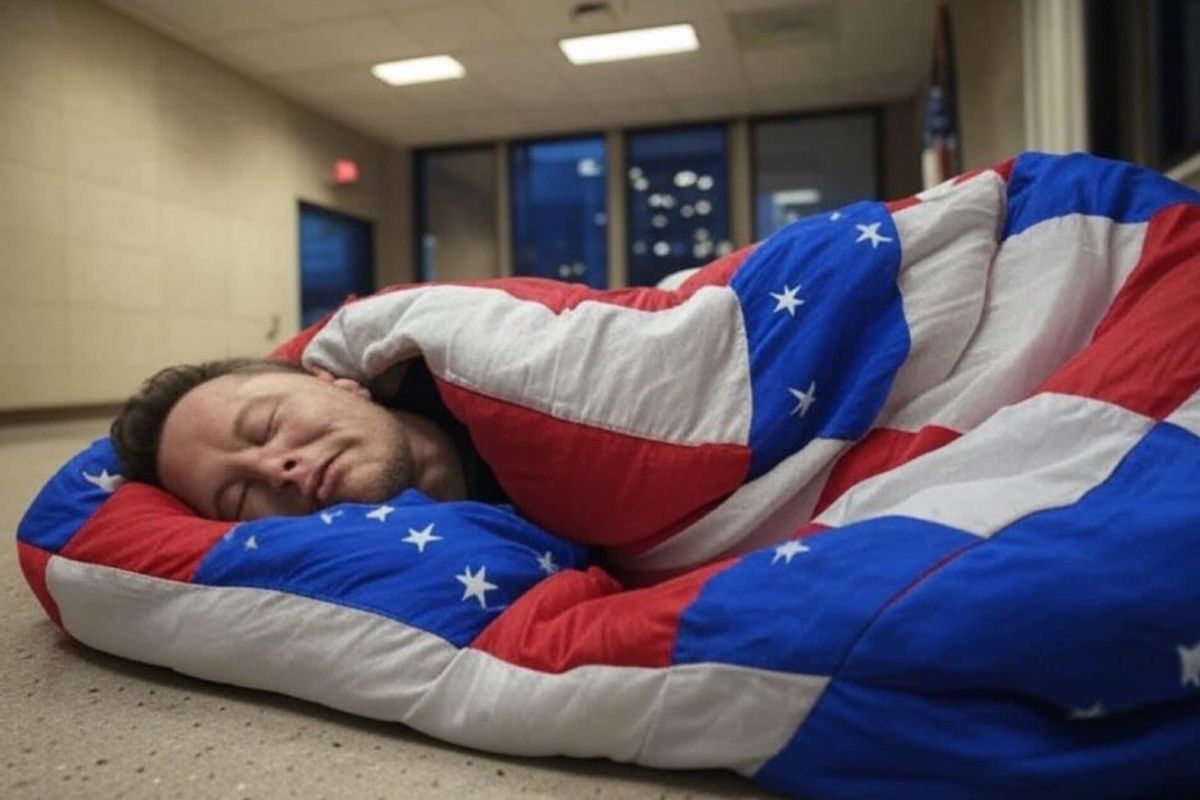
With 120-Hour Workweeks and Nights Spent Sleeping on the Factory Floor, Elon Musk’s “Wartime CEO” Style Inspires Admiration but Also Sparks an Intense Debate About the Limits Between Dedication and Exploitation.
The name Elon Musk has become synonymous with innovation but also with a work culture taken to the extreme. Images and reports of the billionaire sleeping on the floor of his factories and working seven days a week have become iconic, consolidating his leadership style known as “wartime CEO.” This approach, which treats corporate challenges as battles to be won at any cost, fascinates and frightens in equal measure.
On one hand, his dedication is seen as the engine behind revolutions at companies like Tesla and SpaceX. On the other hand, it raises a global alert about burnout, mental health, and the sustainability of a model that demands total sacrifice. In Brazil, where the discussion about work schedules such as the 6×1 shift is on the rise, Elon Musk’s example has become a powerful symbol of this polarization, raising a fundamental question: what is the price of progress?
What Is the “Wartime CEO” Style?
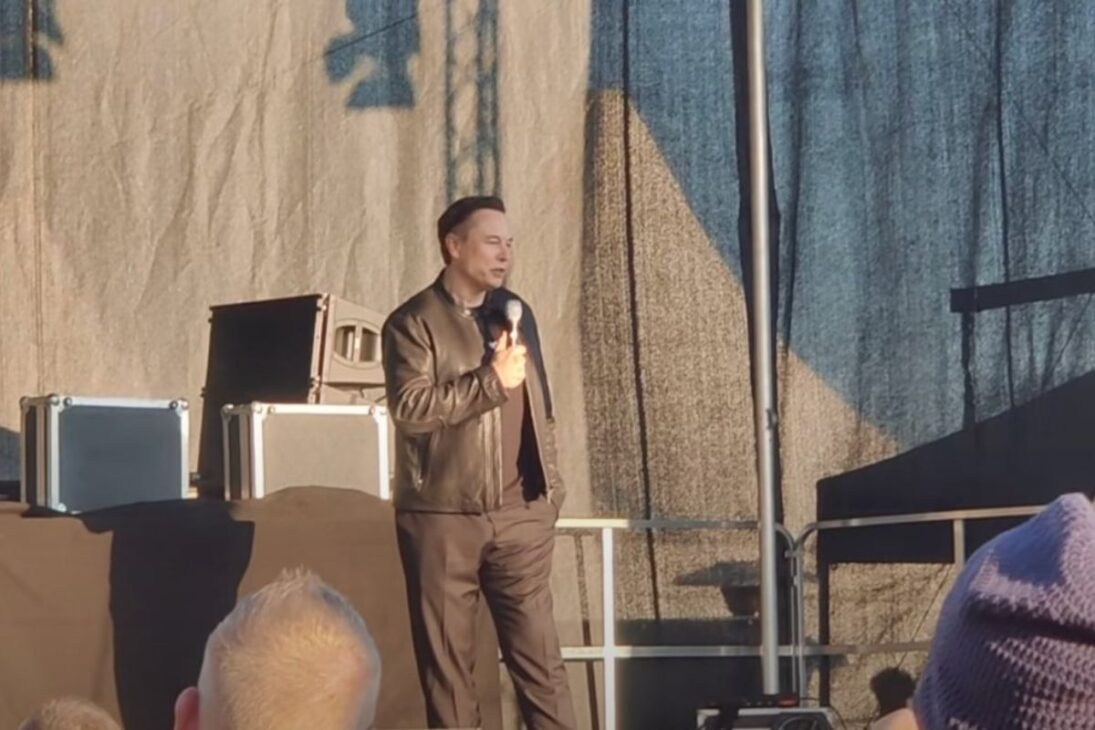
The concept of “wartime CEO,” popularized by Elon Musk, describes a leader who operates in a state of constant crisis. The philosophy is simple: to achieve extraordinary goals or overcome moments of existential risk, a wartime dedication is required, in which the balance between personal life and work is set aside.
-
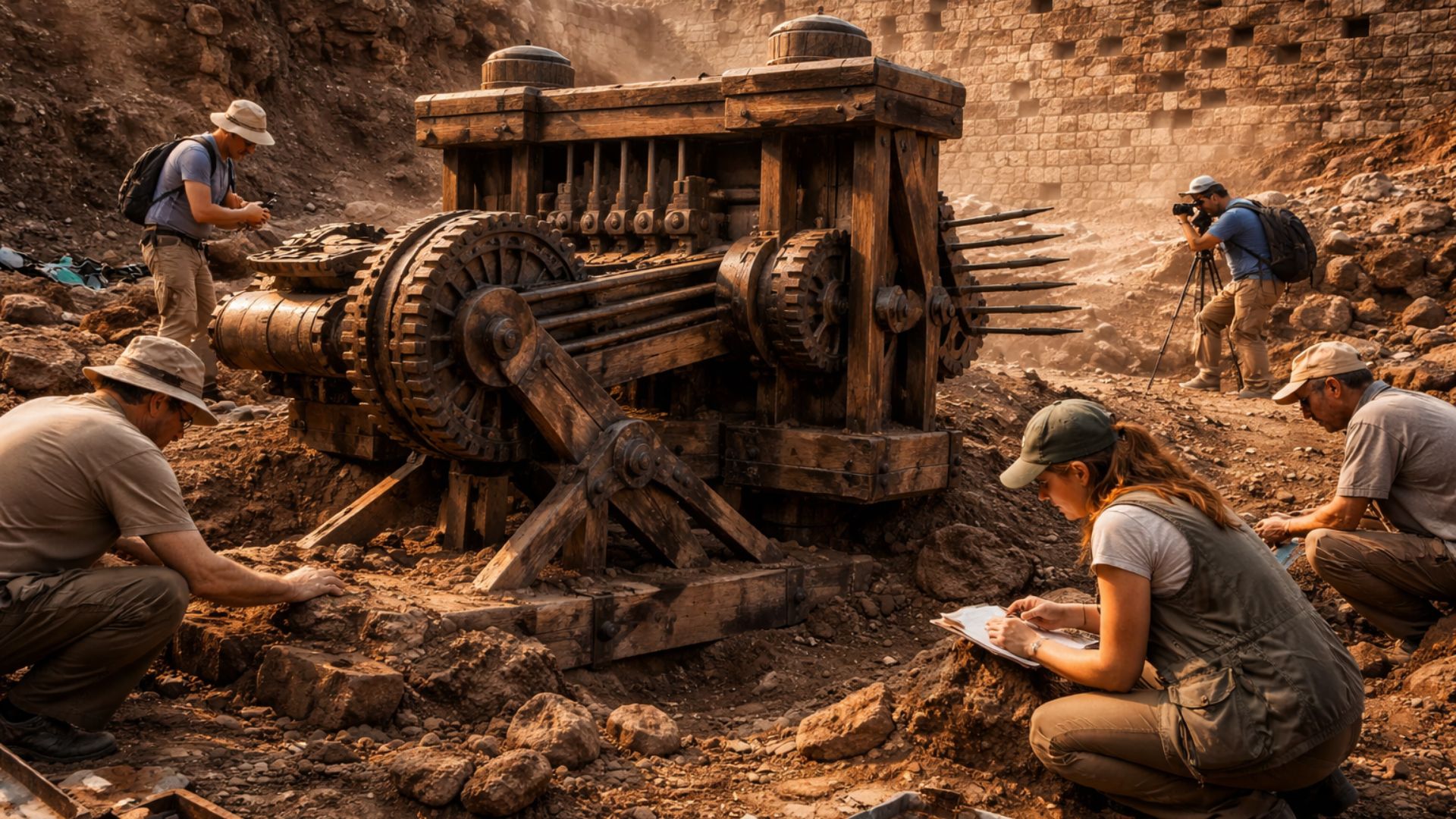
2,000-Year-Old Machine Gun: Roman weapon found in Pompeii fires arrows at 109 m/s with an automatic gear mechanism, leaving perfect geometric patterns on the walls and proving its real use in the siege of 89 B.C.
-
Petrobras builds inverted bridge and the project becomes a tourist attraction: unique structure allows the river to flow over the road and replaced precarious crossings.

-
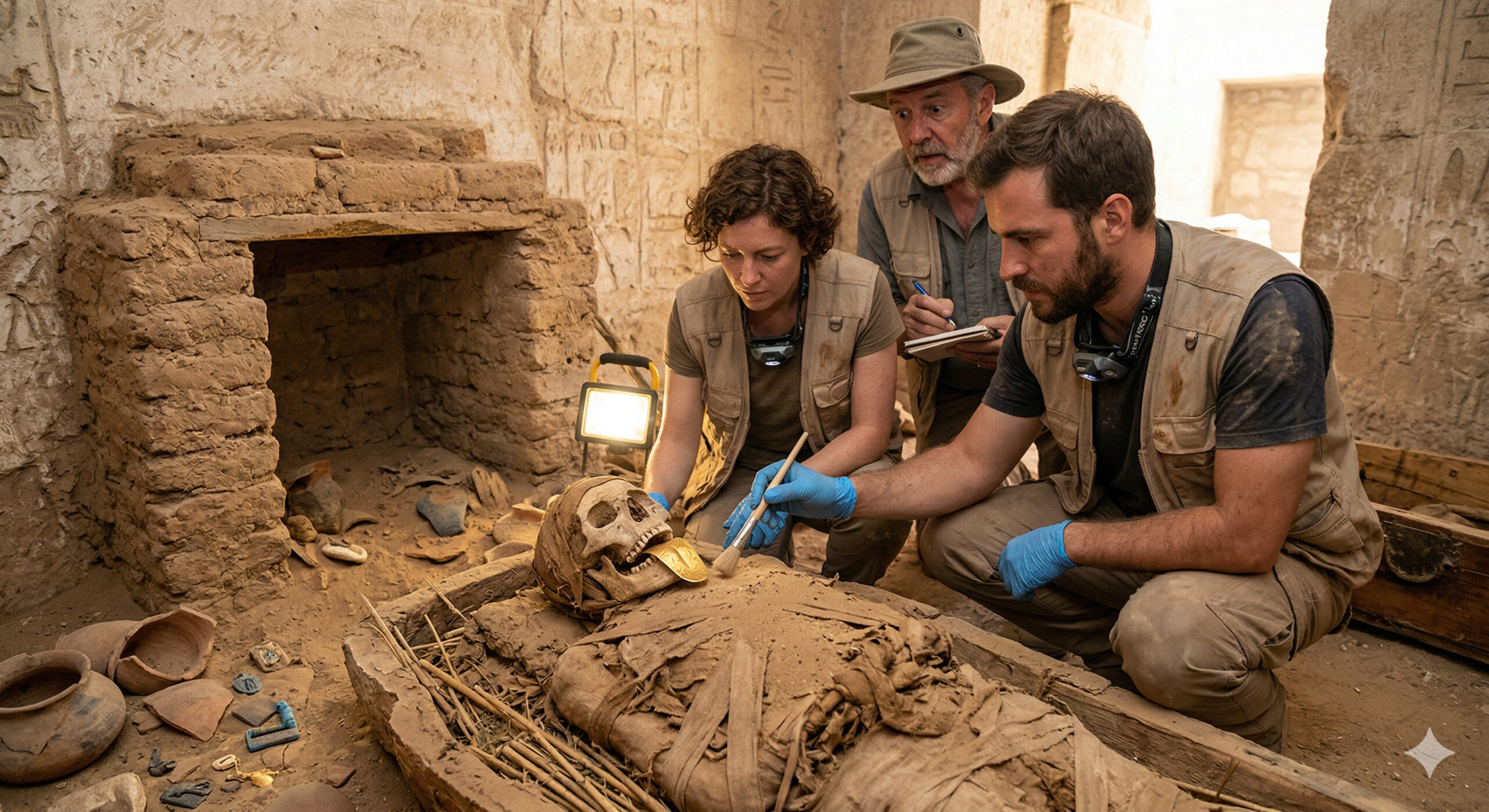
Archaeologists find in Egypt mummies with tongues made of gold buried over 2,000 years ago, a rare discovery surprises researchers and reveals an unusual funerary practice.
-
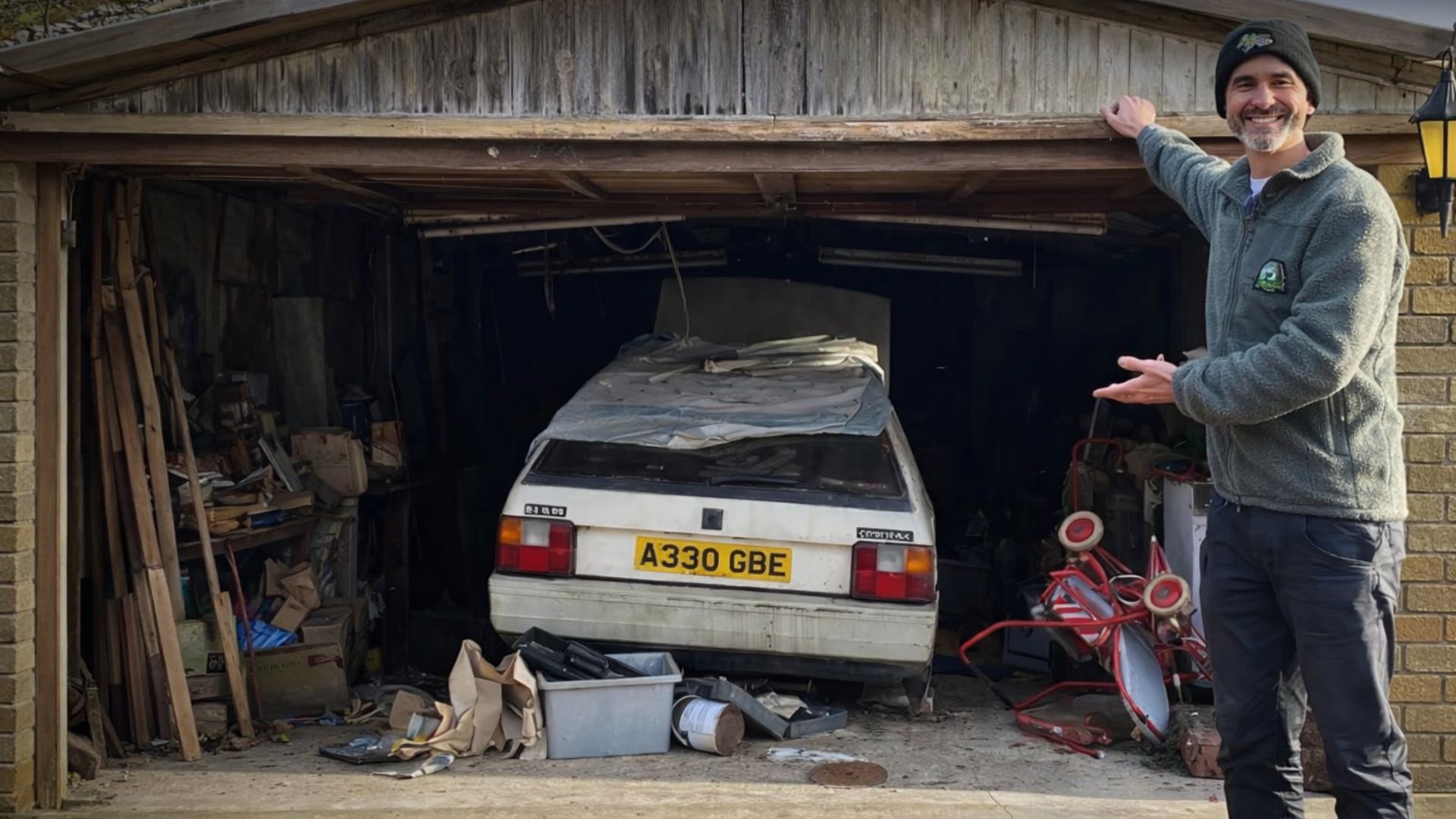
Man ‘forgets’ locked car for 38 years and now has a relic that few in the world possess.

Musk has applied this mindset during critical moments in his companies:
The Tesla Model 3 Crisis (2018): During what he referred to as the “production hell,” Elon Musk slept for weeks at the Tesla factory in Fremont, California, working up to 22 hours a day to ensure the goal of producing 5,000 cars per week was met, saving the company from bankruptcy.
The Acquisition of Twitter/X (2022): After buying the social network, he once again slept at the office in San Francisco, laid off over 80% of the staff, and demanded “hardcore” commitment from the remaining employees, with workweeks exceeding 80 hours.
The Tesla Challenge in 2025: Faced with a decline in sales, Elon Musk announced on his social media that he was back to the routine of “sleeping at the factory 7 days a week,” demonstrating that the wartime mode is activated whenever the situation tightens.
The Admiration: The Genius Who Delivers Results
For millions of followers and entrepreneurs, Elon Musk‘s dedication is inspiring. His supporters argue that the results speak for themselves: Tesla has become the most valuable car manufacturer in the world, and SpaceX has revolutionized space exploration.
In this view, the exhausting work hours are the necessary price to “change the world.” The image of a leader who sacrifices alongside his team is seen as an example of commitment and passion, a model to be followed by those seeking success at any cost.
The Critique: The Human Cost of Innovation
On the other side of the debate, Elon Musk‘s style is viewed as a symbol of the toxic culture of “workaholism” and the precarization of labor. Critics point to the high human cost of this philosophy:
- Burnout and High Turnover: Reports from former employees describe an environment of extreme pressure, leading to a high rate of burnout and constant talent turnover.
- Impact on Mental Health: Elon Musk has admitted that working 120 hours a week “is not good” and that lack of sleep affects his productivity and leads him to make mistakes.
In Brazil, this discussion takes on even more complex dimensions. In a country where 40% of workers already work over the legal limit of 44 hours a week and 60% report suffering from burnout, according to FGV, the “wartime CEO” model is seen by many as the romanticization of exploitation.
An Unsustainable Model for the Future?
The big question raised by Elon Musk‘s style is whether this model is sustainable in the long term. Studies show that productivity tends to drop drastically after a certain number of hours worked, and lack of rest compromises creativity and decision-making.
As Generation Z, which is now entering the job market, increasingly prioritizes balance and mental health, the model of total sacrifice seems to run counter to new trends. Elon Musk, with his genius and controversies, forces us to reflect on the future of work and find a path where ambition and innovation can coexist with well-being.
What do you think about Elon Musk‘s work style? Is it an example of dedication to be followed or an unsustainable model of exploitation? Share your opinion in the comments.








-

Uma pessoa reagiu a isso.