





 Portuguese
  English
  Spanish
  3 min of reading
  0 comments


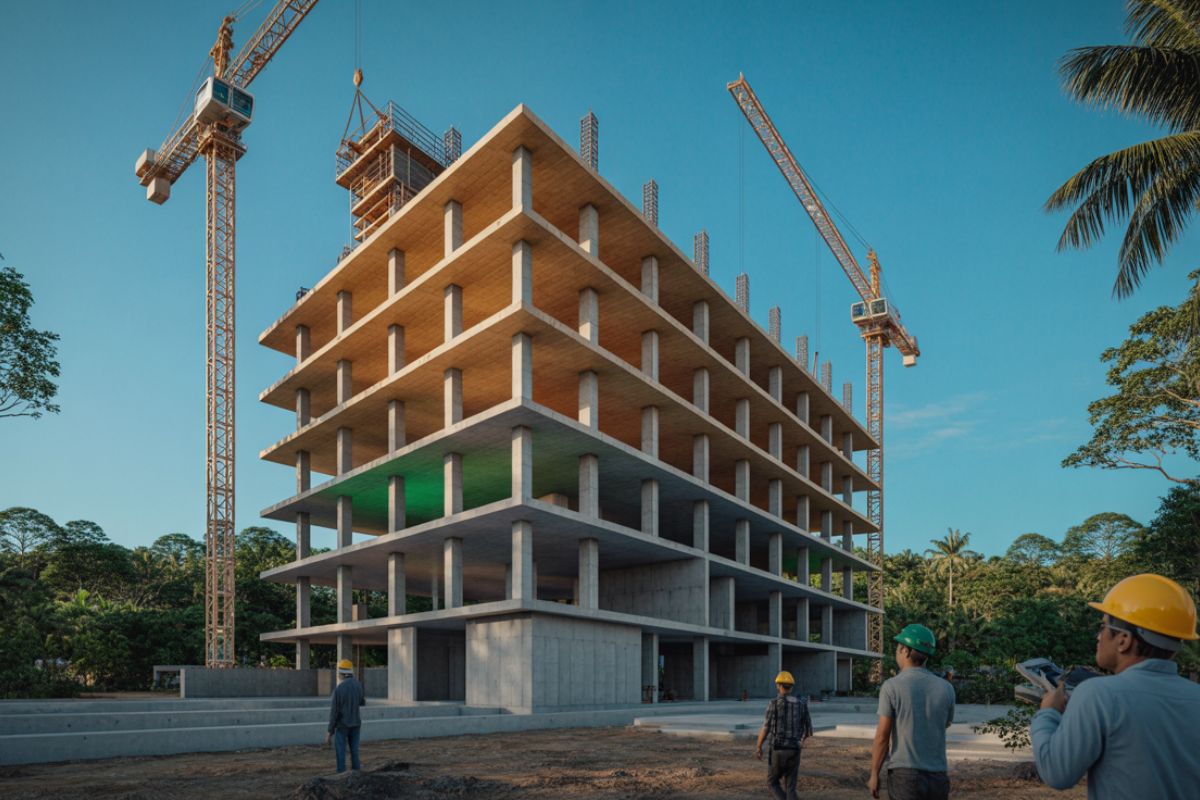
Discover The Wood Hybrid Concrete Technology, A Construction System That Combines The Sustainability Of Wood With The Strength Of Concrete To Create Cheaper, Lighter Buildings With Up To 69% Less Carbon Emissions.
A silent revolution is transforming the construction landscape. It is the wood hybrid concrete, an innovative system that combines the lightness and sustainability of engineered wood with the structural rigidity of concrete and steel. This approach not only accelerates the construction of buildings but also offers a powerful response to one of the greatest challenges of our time: reducing the carbon footprint of the sector.
While traditional construction is responsible for about 40% of global CO₂ emissions, the wood hybrid concrete emerges as a disruptive alternative. Tested in modular buildings in Europe and with pilot projects already underway in Brazil, this technology stands out for being cheaper, faster to assemble, and mainly for using wood as an ally in combating climate change by storing carbon in its structure.
What Is Wood Hybrid Concrete?
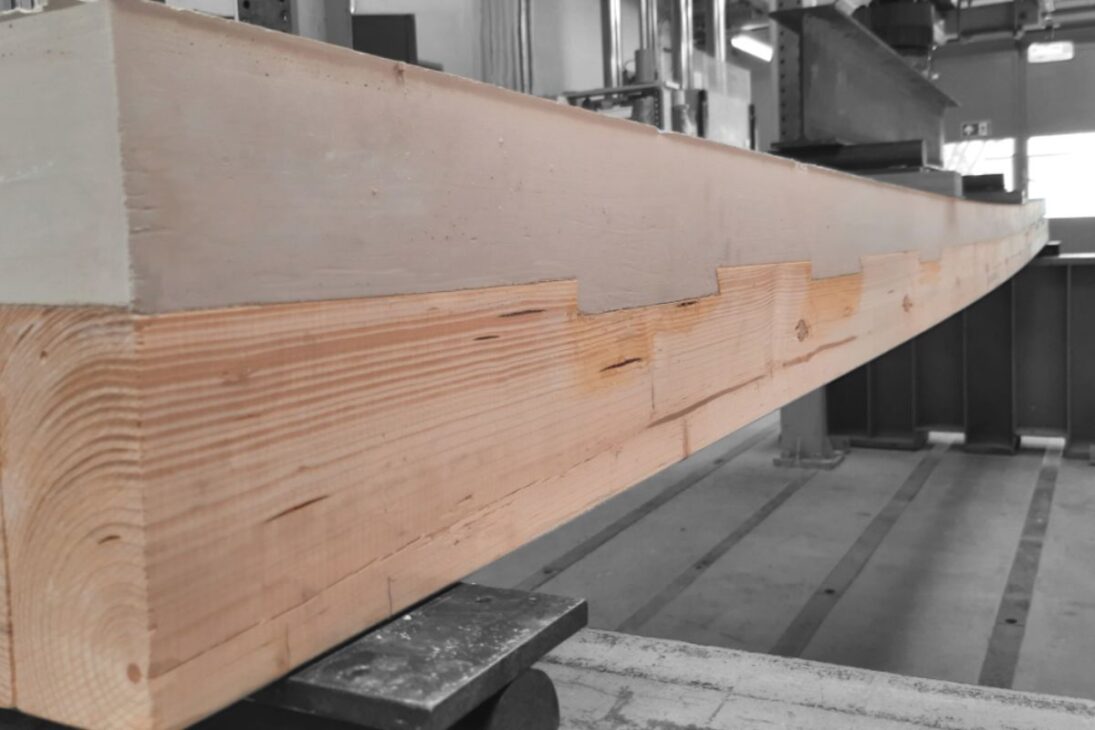
Unlike conventional construction, wood hybrid concrete strategically utilizes the best of each material. Typically, the core of the building (where elevators and stairs are located) is made of reinforced concrete to ensure stability, while floors, walls, and beams are made of engineered wood, such as Cross Laminated Timber (CLT).
-
Congonhas receives the monorail promised for the 2014 World Cup after more than a decade of delays and becomes the first airport in Brazil with integrated subway.
-
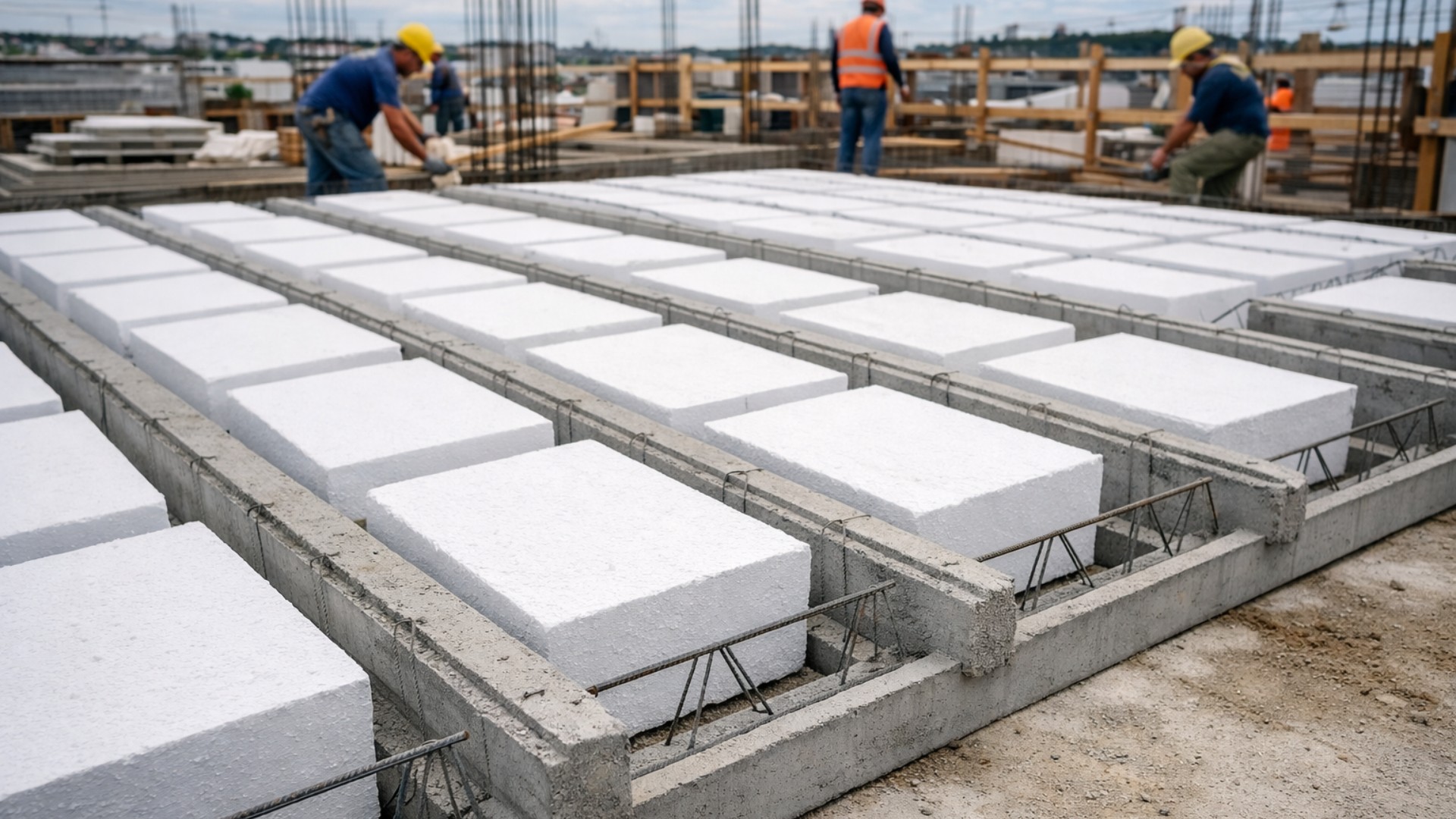
Goodbye, concrete: a new trend in civil construction reduces the weight of the structure by up to 30%, accelerates projects by up to 40%, cuts costs on steel and labor, and improves thermal insulation with EPS.
-
Russian engineers create an innovative propeller blade for aircraft that could completely change the way airplanes and helicopters operate.

-
Couple finishes building PVC chalet on the beach on the last day, with air conditioning and curtains, but discovers the bathroom drain is inverted: water escapes from the drain, risking breaking the floor, and the rush continues before the trip.

This combination results in much lighter buildings that use significantly less concrete, the main villain of CO₂ emissions in construction.
The Benefits: Less CO₂, Faster, and Cheaper
The advantages of wood hybrid concrete are supported by various studies and real projects.
- Drastic Emission Reduction: A study by the Civil Engineering Sustainability Conference (CSCE’21) analyzed a 20-story building and concluded that the hybrid version emitted 68% less CO₂ (202 tons versus 646 tons) compared to a fully concrete structure.
- Construction Up to 50% Faster: Since wood components are prefabricated in an industrial environment (modular construction), assembly on the construction site is much quicker, cleaner, and quieter.
- Lower Cost: The hybrid structure is about 30% lighter, which drastically reduces foundation costs. The speed of the construction also lowers labor and equipment rental costs.
The Science Behind The Innovation
The feasibility of tall buildings with this technology is being led by cutting-edge research centers. The Technical University of Graz (TU Graz) in Austria is developing the MOHOHO project, a modular system that allows for the construction of hybrid buildings up to 24 stories high. In Sweden, the RISE Research Institute and the KTH Royal Institute of Technology are also references, with projects such as the 22-story residential tower in Västerås.
Who Is Building With This Technology In Brazil?
Brazil, with its vast potential in planted eucalyptus and pine forests, has already begun to adopt wood hybrid concrete.
- Crosslam Brasil: The leading company in CLT production in the country, it is responsible for iconic projects such as the Concept School in São Paulo, which utilizes a hybrid wooden and concrete structure.
- HTB Engenharia e Construção: A pioneer in the sector, HTB developed the eWOOD project, a hybrid modular commercial building that has become a landmark of sustainable industrialization in Brazilian construction.
Although adoption is still in its infancy, representing less than 0.1% of constructions in the country, the potential is immense. Companies like Timbau Estruturas are also innovating with hybrid slabs, showing that the technology is spreading.
And you, what do you think about the use of wood hybrid concrete? Do you believe this is the solution for making civil construction more sustainable in Brazil? Leave your opinion in the comments!









Seja o primeiro a reagir!