





 Portuguese
  English
  Spanish
 4 min of reading
  0 comments


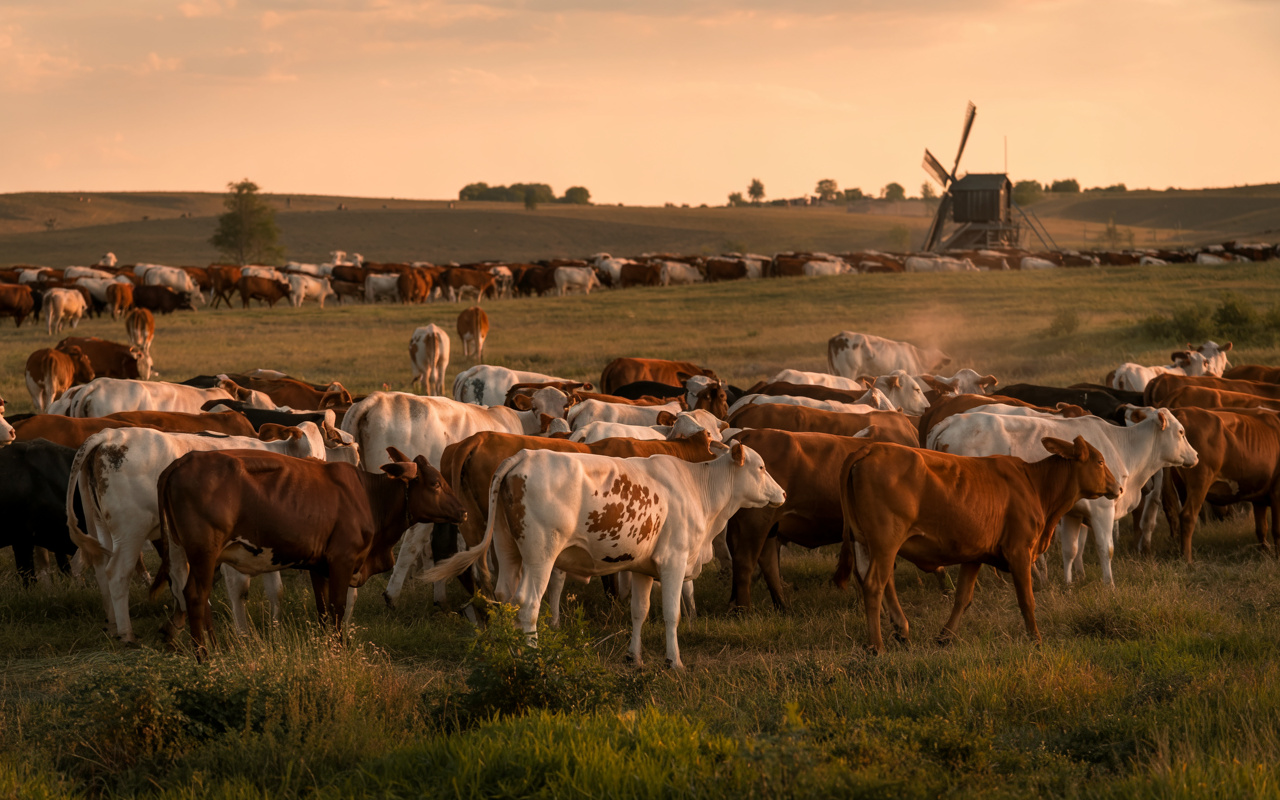
Mato Grosso Has The Largest Cattle Herd In Brazil, With 32.8 Million Head — More Than Australia And Argentina. See How The State Became A Global Power In Livestock.
With an impressive number of 32.8 million cattle in 2024, the state of Mato Grosso not only leads the Brazilian herd ranking but also comfortably surpasses traditionally cattle-rearing countries like Australia and Argentina. This achievement was confirmed by updated data from the Mato Grosso Agricultural Defense Institute (INDEA-MT) and the Mato Grosso Institute of Agricultural Economy (IMEA), revealing the state’s prominence in global beef production.
If it were a nation, Mato Grosso would rank among the seven largest cattle producers in the world. It would surpass Australia, with about 22.3 million head, and even Argentina, with approximately 31.9 million — data from FAO, a UN agency specialized in food and agriculture. This comparison reinforces the strength of Brazilian livestock and the central role that Mato Grosso plays in global food security.
A Colossus Of Global — And National — Livestock
On Brazilian soil, Mato Grosso’s leadership is equally remarkable. See how the state stands in relation to others in the national cattle herd ranking:
-
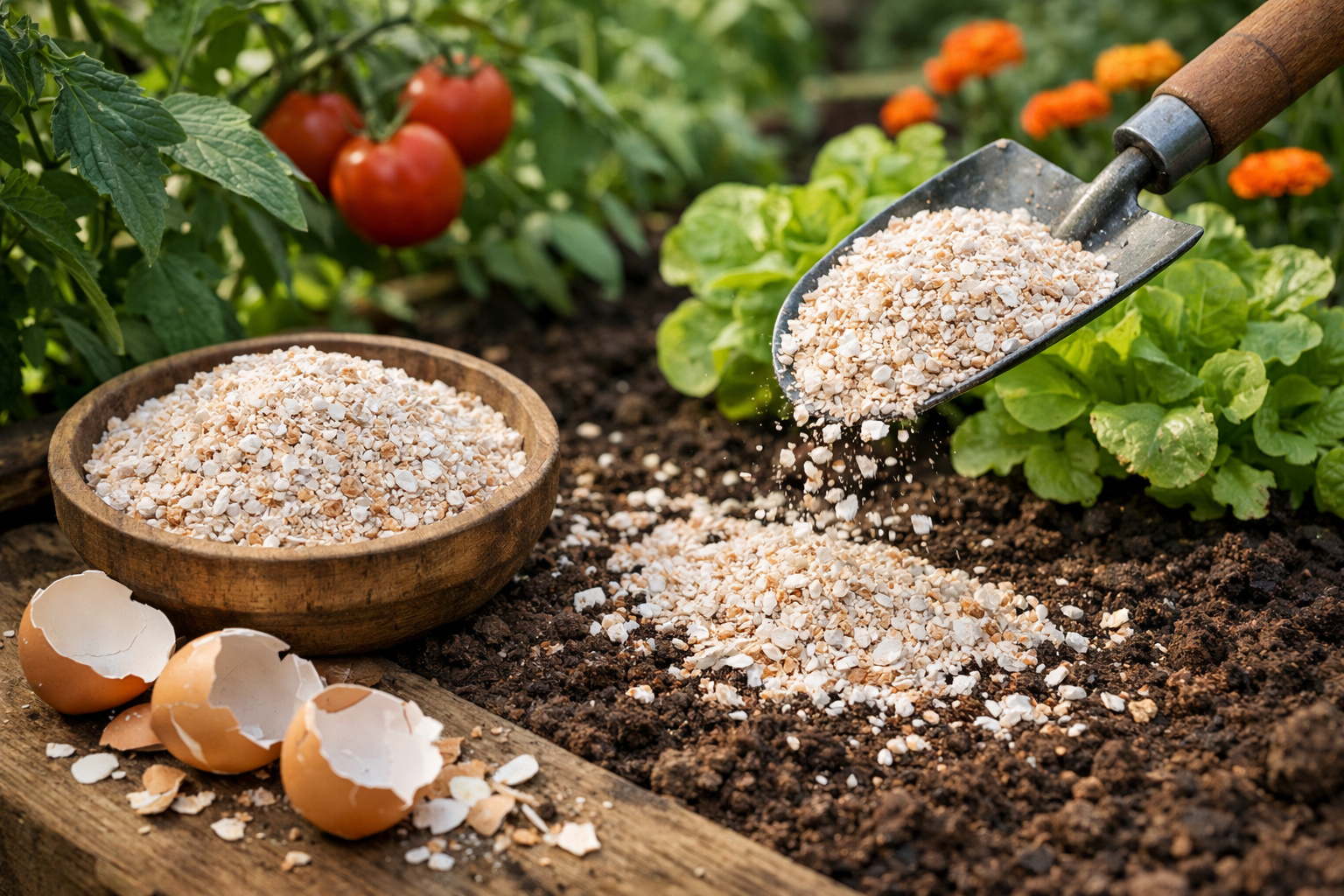
The eggshell that almost everyone throws away is made up of about 95% calcium carbonate and can help enrich the soil when crushed, slowly releasing nutrients and being reused in home gardens and vegetable patches.
-
This farm in the United States does not use sunlight, does not use soil, and produces 500 times more food per square meter than traditional agriculture: the secret lies in 42,000 LEDs, hydroponics, and a system that recycles even the heat from the lamps.

-
The water that almost everyone throws away after cooking potatoes carries nutrients released during the preparation and can be reused to help in the development of plants when used correctly at the base of gardens and pots, at no additional cost and without changing the routine.

-
The sea water temperature rose from 28 to 34 degrees in Santa Catarina and killed up to 90% of the oysters: producers who planted over 1 million seeds lost practically everything and say that if it happens again, production is doomed to end.


| Position | State | Herd (Millions) |
|---|---|---|
| 1st | Mato Grosso | 32.8 |
| 2nd | Minas Gerais | 23.5 |
| 3rd | Goiás | 22.1 |
| 4th | Pará | 22.0 |
| 5th | Mato Grosso do Sul | 21.8 |
| 6th | São Paulo | 10.5 |
| 7th | Bahia | 9.8 |
| 8th | Rondônia | 8.6 |
| 9th | Maranhão | 7.5 |
| 10th | Tocantins | 7.3 |
The difference between Mato Grosso and the second-placed Minas Gerais is over 9 million head. This shows that the state’s leadership is not fleeting — it is consolidated, constant, and backed by a highly efficient and technified production structure.
Large-Scale Production With Responsibility
The success of Mato Grosso’s livestock not only lies in quantity. What really impresses is the quality of management and the degree of technological innovation adopted on properties. Mato Grosso brings together:
- Large Areas Of Rotational Pastures
- Integrated production systems, such as ILPF (Integration Of Crops, Livestock, And Forestry)
- Use Of Efficient Feedlots
- Adoption Of Digital Tools For Health Monitoring
- Full Animal Traceability, From Farm To Slaughterhouse
With these practices, the state not only maintains a healthy herd but also guarantees high productivity with low environmental impact, a differential increasingly valued by international markets.
Moreover, the use of cutting-edge genetics, balanced nutrition, and precision management has made the beef produced in Mato Grosso a premium product by global standards, even when intended for large-scale export.
Surpassing Entire Nations: The Case Of Australia
It is impossible to ignore the symbolism of a Brazilian state surpassing the entire Australia in the number of cattle. Australia is historically recognized as a livestock power, with substantial exports to Asian countries and a highly professionalized industry.
However, Mato Grosso alone surpasses this volume — and continues to advance in certifications, animal welfare, emission reductions, and efficient use of natural resources. This demonstrates that Brazil is not just a supplier of animal protein but a model of sustainable scale and efficiency, capable of competing (and winning) in global arenas.
Imac And The Valorization Of “Meat With Identity”
One of the pillars of this valorization is the work of the Mato Grosso Institute of Meat (Imac), which promotes the state’s beef both in Brazil and abroad. Imac not only reinforces the origin and traceability of products but also invests in actions to establish Mato Grosso as a recognized quality brand internationally.
The idea of “meat with identity” has been well received in demanding markets such as Europe, the Middle East, and Asia, which increasingly require transparency throughout the chain — something Mato Grosso offers with excellence.
The global scenario points to an increase in demand for animal proteins, especially in developing countries. At the same time, there is growing pressure for sustainability, emission reductions, and respect for the environment. Mato Grosso is at the center of this equation: it is the largest producer but also one of the most modernized and adaptable to new demands.
Investments in Biotechnology, Green Credit, Environmental Certifications, and Digitization of Livestock are trends that are already part of the daily life of Mato Grosso properties. The state also leads research to increase feed efficiency and reduce methane emissions from cattle, actively contributing to international climate goals.
Exports: Mato Grosso Beef Around The World
With this favorable scenario, the beef exports from Mato Grosso continue to accelerate. The state is the national leader in this regard, with a strong presence in markets such as:
- China (the main destination for Brazilian beef)
- Egypt
- United Arab Emirates
- Chile
- Iran
- Hong Kong
With robust logistical infrastructure — including roads integrated with BR-163, dry ports, and slaughterhouses with SIF certification for export — the state can quickly ship its production abroad, ensuring speed, freshness, and price competitiveness.
Mato Grosso Is The Biggest Asset Of Brazilian Beef
Having more cattle than Australia and Argentina is not just a statistical curiosity — it is proof that Brazil has the real capacity to feed the world, and Mato Grosso is at the forefront of this mission. With technology, modern management, and a commitment to sustainability, the state shows that it is possible to produce more and better, even in the face of challenges related to climate, logistics, and global demands.
While many countries reduce their herds due to lack of pasture or environmental pressure, Mato Grosso grows in a planned manner, consolidating itself as a global agricultural powerhouse. The beef from Mato Grosso is now synonymous with trust, and the herd of 32.8 million head is just the beginning of a story that promises to grow even more.
Sources: INDEA-MT, IMEA, and FAO (2023–2024). Base year: 2024.









Seja o primeiro a reagir!