






 Portuguese
  Spanish


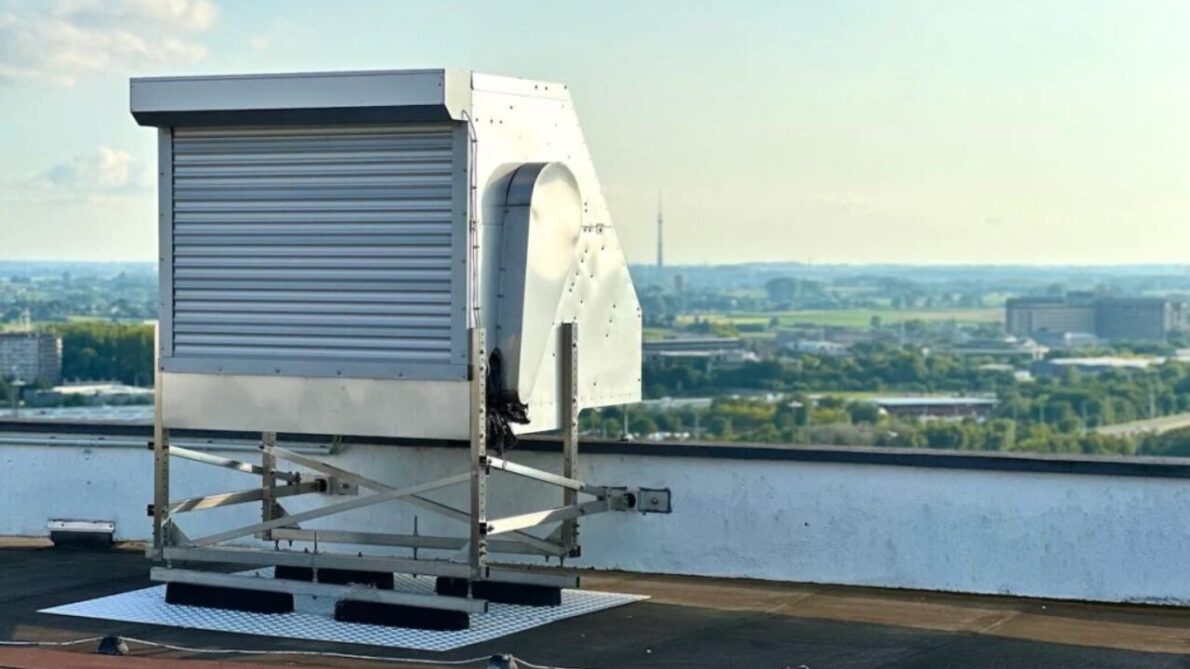

Brussels Tests Mini Wind Turbine In Residential Buildings To Diversify Clean Energy Sources In Cities.
The Brussels City Hall is testing a new approach to renewable energy generation in cities. The goal is to diversify the clean energy sources available to the population through wind energy production in urban areas. The project involves the installation of a mini wind turbine on a building on Avenue de l’Héliport, in the Laeken district. The initial investment is €6,000 to assess the viability of this technology in residential settings. The wind turbine could become an important alternative for energy generation in cities.
The Wind Turbine And Its Functionality
The mini wind turbine was developed by the startup Renewind and is designed to be installed on the roofs of buildings.
This equipment can take advantage of wind acceleration at the roof edge, a phenomenon that can generate between 1 and 3 MWh of energy per year.
-
Brazil filled the Northeast with wind turbines but now faces the side effect of 705 giant blades reaching the end of their lifespan by 2032 just in Rio Grande do Norte, while the world projects 43 million tons of waste by 2050.

-
Brazil has filled the Northeast with wind turbines, but now it faces the side effect of 705 giant blades reaching the end of their useful life by 2032 just in Rio Grande do Norte, while the world projects 43 million tons of waste by 2050.
-
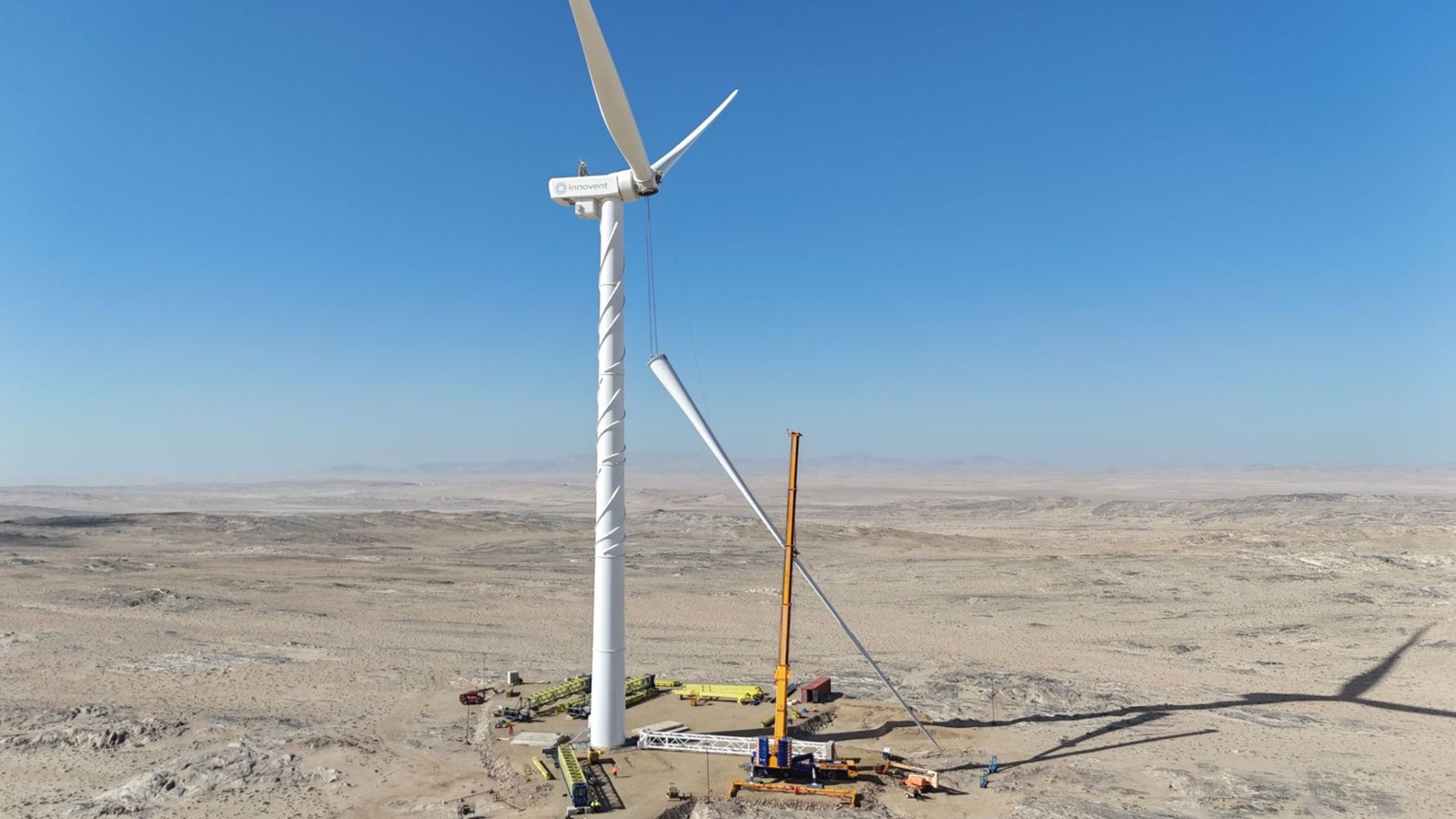
Wind farm in Namibia will have wind turbines assembled without giant cranes and is expected to avoid 200,000 tons of carbon dioxide per year when it becomes operational.

-
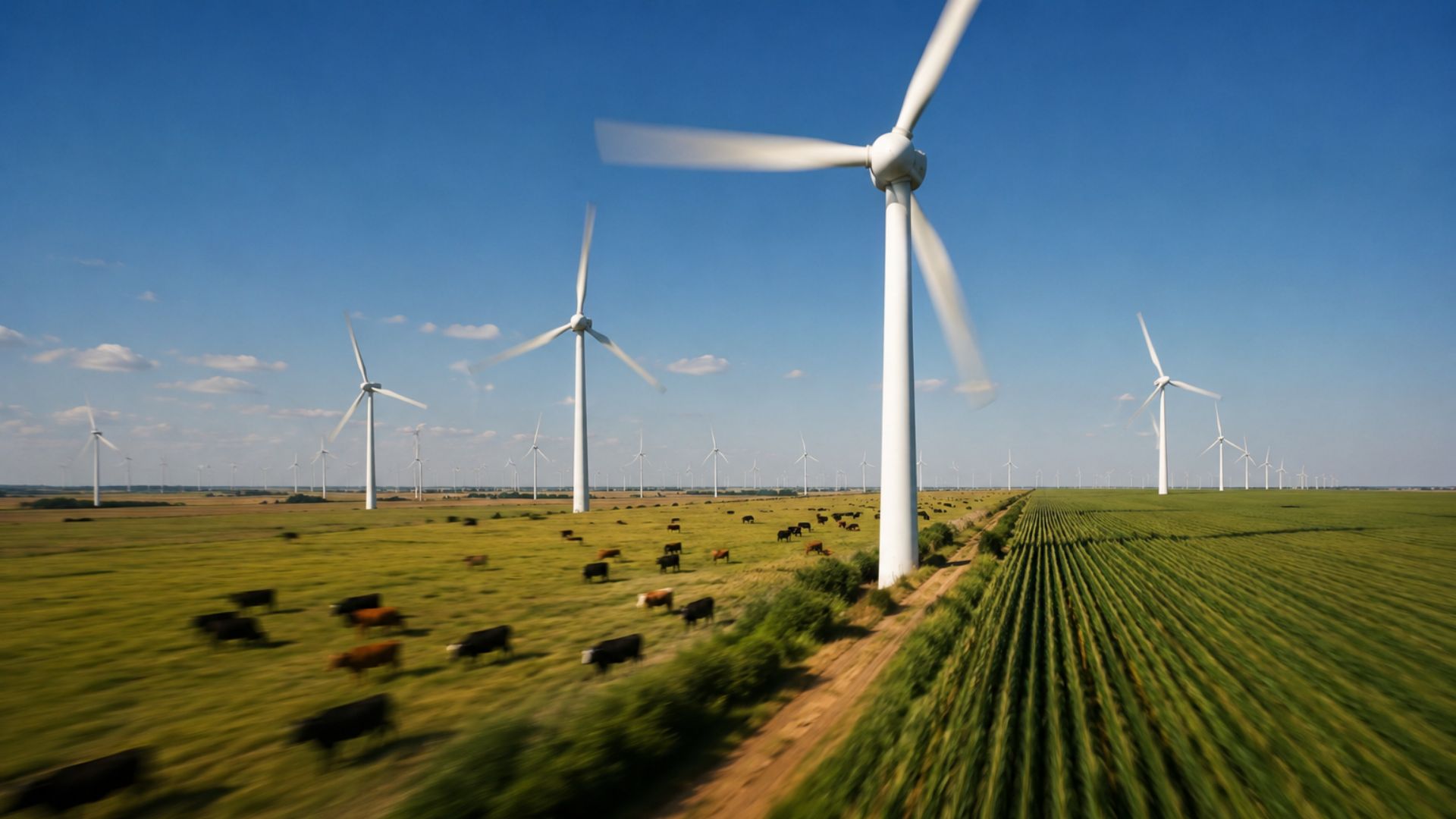
Taller than the Statue of Liberty, thousands of wind turbines are being planted in the middle of U.S. fields, creating two-story farms where corn and soybeans grow below while the wind turns into electricity above.


According to Benoît Hellings, Brussels councilor for Climate, urban wind turbine technology can provide electricity in a stable and predictable manner throughout all seasons.
The use of wind turbines on rooftops can transform the way cities generate energy.
Challenges Of The Wind Turbine In Cities
The production of energy from wind turbines in urban centers faces challenges, mainly due to wind variability.
Buildings can create obstructions that make energy generation less predictable.
Despite this, the idea of using wind turbines in cities is promising, especially in places that do not have many hours of sunlight but have access to consistent air currents.
The Brussels city administration plans to expand this test to other regions of the country, highlighting the importance of wind turbines for the future of cities.
Success Stories In Other Cities
Research from institutions such as the Institute of Energy and Environment and the Institute of Astronomy, Geophysics, and Atmospheric Sciences at USP shows that wind energy can be generated in urban areas.
A study conducted in São Paulo, focused on small wind generators, revealed that even in environments with unstable winds, it is possible to produce renewable energy.
One of the models studied, the Proven 2.5, managed to generate about 4,330 kWh per year, enough to power two households.
These data reinforce the viability of wind turbines in cities, showing that this technology can spread.
However, the implementation of small wind turbines still faces difficulties.
The high cost of the equipment, which can reach R$ 43,000, makes the financial return unfeasible within a reasonable timeframe.
In Brazil, although the country ranks eighth in wind energy generation capacity, small wind turbines still represent a minimal fraction of total generation.
Expanding the use of turbines is essential for cities to better harness their potential.
The Future Of Wind Energy In Brussels
Brussels is at the forefront of seeking innovative energy solutions, investing in technologies that enable renewable energy generation directly in homes.
The introduction of wind turbines in cities could represent a significant advance towards sustainability.


