





 Portuguese
  English
  Spanish
  2 min of reading


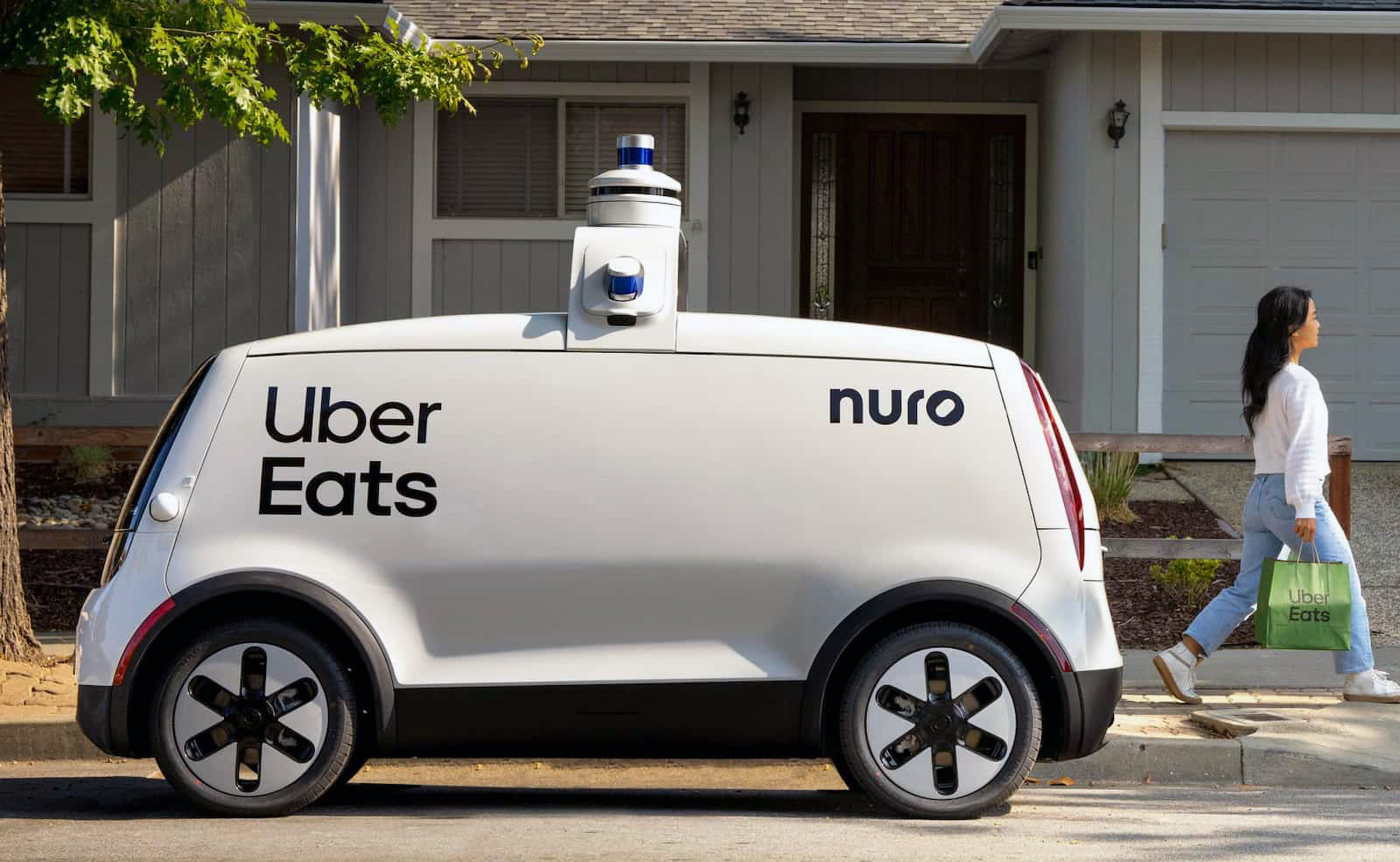
Uber Eats Starts Delivering Using A Fully Autonomous Electric Vehicle In The United States, Through Partnership With The Technology Company Nuro
Uber, one of the first companies to start the ride-sharing revolution over a decade ago, continues to grow and adapt to a world focused on reducing carbon emissions. After its first service, the company became a mobility technology giant, offering variations of its ride-sharing services, such as Uber Green, Uber Pet, and Uber Eats for food and grocery delivery.
Recently, the company announced a partnership with the developer of autonomous electric vehicles Nuro, to revolutionize precisely that last service mentioned, Uber Eats. Under the terms of the agreement with Nuro, Uber Eats customers in the United States will receive food deliveries using autonomous electric vehicles (unmanned), developed by the partner company. Watch in the video below how Uber Eats’ autonomous delivery system will work.
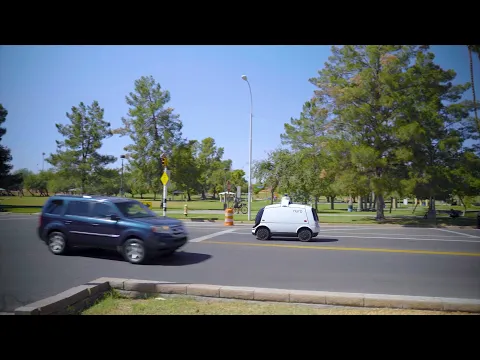

In the coming months, Uber Eats’ electric vehicles will begin operating in the states of Texas and California before being extended to other locations. The maximum speed of the Uber Eats autonomous electric car is 72 kilometers per hour and has complete autonomy to circulate in residential neighborhoods and condominiums; however, it is not yet legalized to operate on major highways. According to Uber, its compartments can hold up to 24 different deliveries, all fully refrigerated.
-
With a 293.5 cm³ engine and a range of up to 400 km with a 14.1-liter tank, the Honda CB 300F Twister 2026 has up to 24.7 hp, an initial price of R$ 25,150, and already exceeds R$ 29,000 in the Fipe Table.
-
The heatwave in Brazil that hit in March is set to end as a cold front arrives between Good Friday and Easter Sunday, causing a temperature drop of up to 6 degrees and rain in the Central-South region, according to the Easter weather forecast.

-
The U.S. Army has introduced its first new lethal grenade since the Vietnam War: the M111 kills using pressure shock waves that bounce off walls and can explode the enemy’s lungs without producing a single shard.

-
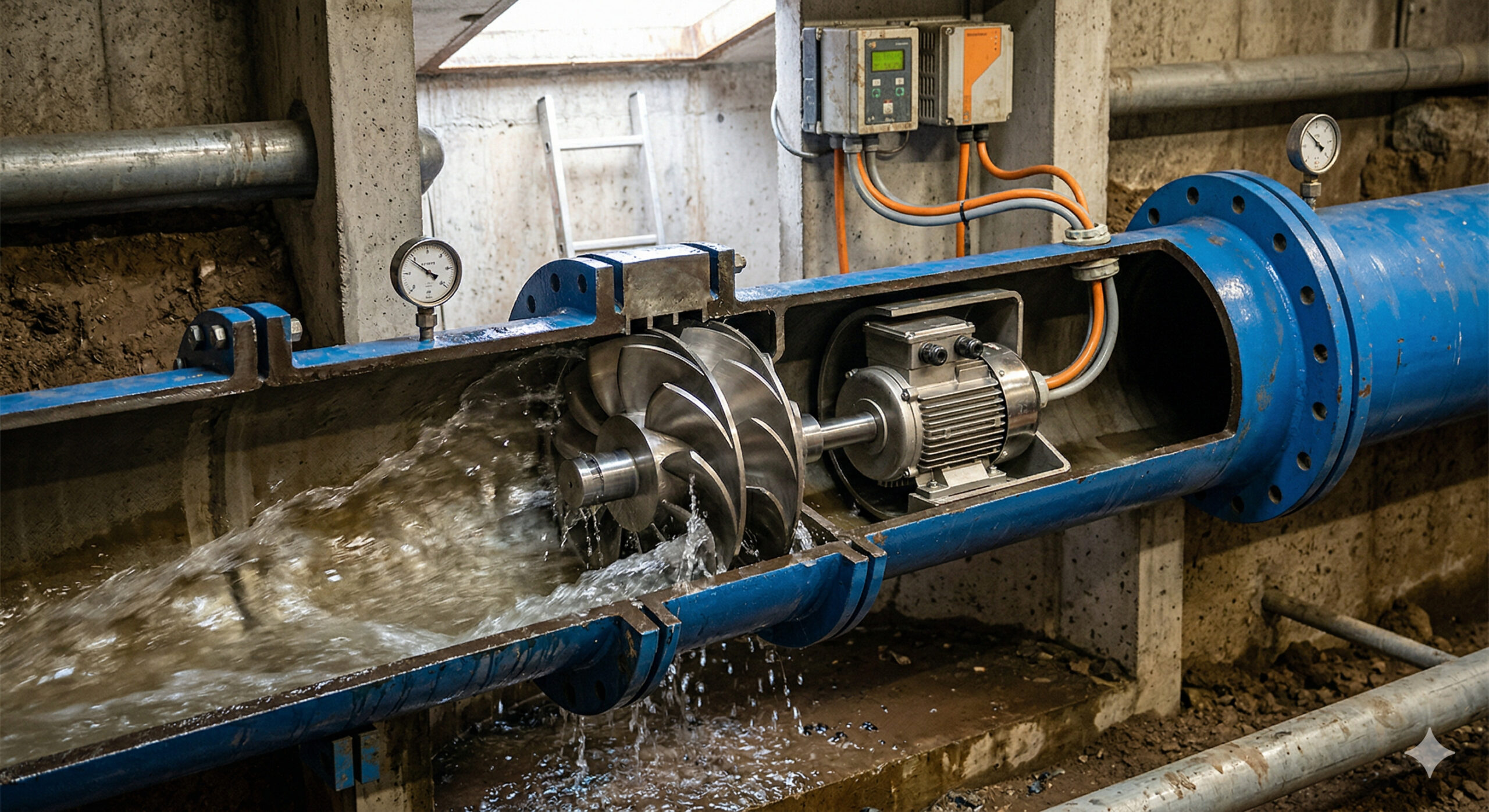
Engineers are replacing pressure valves with hydraulic microturbines within drinking water networks and are generating up to 1,100 MWh per year with in-pipe hydropower technology that harnesses energy previously wasted in urban pipelines.

The Autonomous Electric Vehicle From Nuro, Used By Uber Eats, Comes With A Series Of Safety Mechanisms To Protect Pedestrians
In the event of a collision, Nuro’s vehicle is equipped with airbags to protect pedestrians, in addition to a camera with a field of view that covers the entire vehicle. Furthermore, there are thermal cameras and other sensors to ensure the safety of pedestrians and deliveries.
According to the company, during the testing period, the fees charged for Uber Eats deliveries will be the same, regardless of whether they are made through Nuro’s autonomous vehicles or by conventional means.
Uber believes that Nuro’s autonomous electric vehicles can provide a sustainable solution for its delivery service and additional applications outside of this service, to support the expanding market for food, grocery, and other product delivery. Currently, the Uber Eats network serves about 825,000 merchants in over 11,000 cities around the world.
Here in Brazil, we do not know when, or if we will see a Nuro autonomous electric vehicle in circulation, since its main partner, Uber Eats, ceased operations in the country at the beginning of 2022, after 7 years of service.









Seja o primeiro a reagir!