






 Portuguese
  Spanish


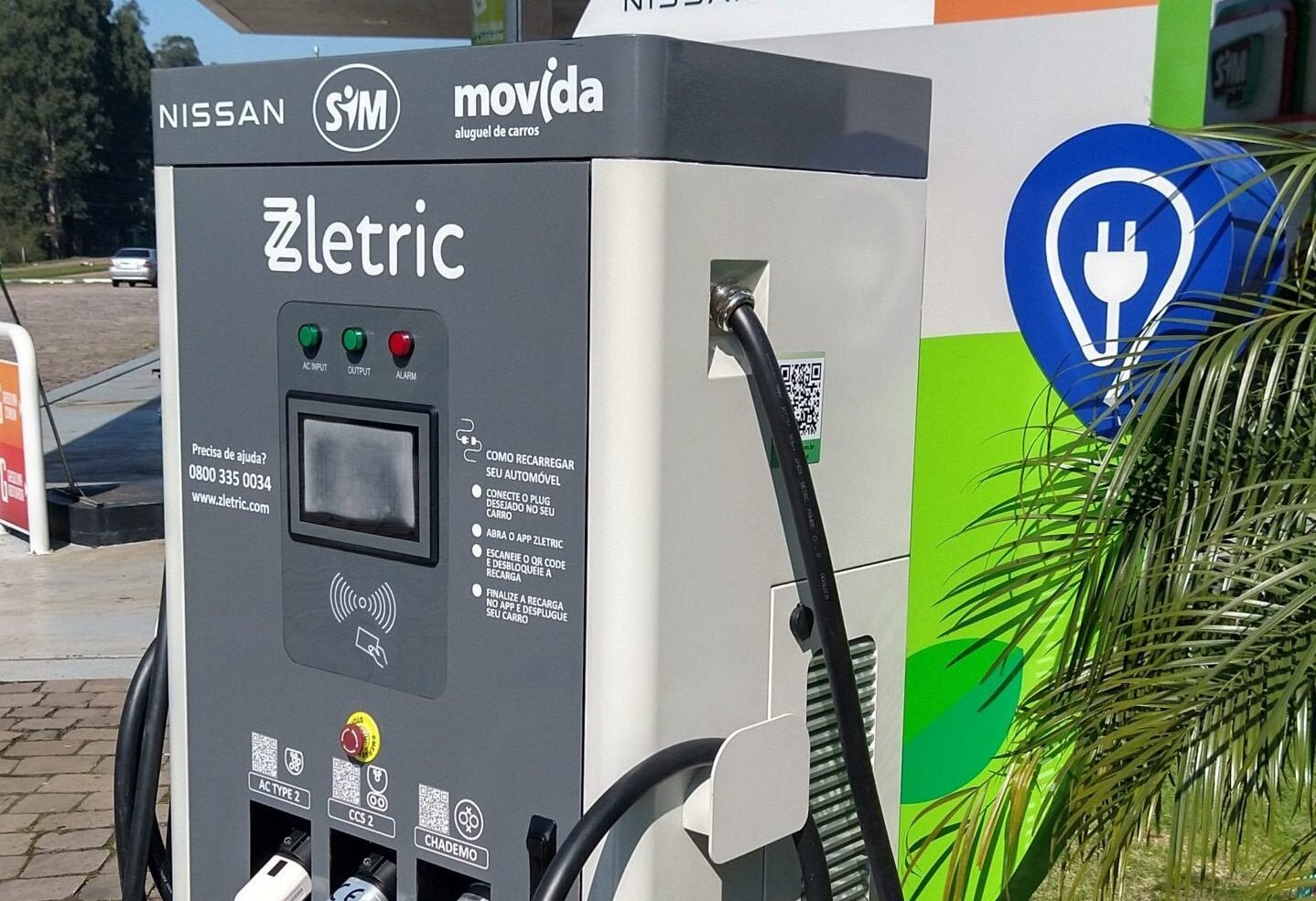

The Companies Movida, Nissan, Rede de Postos SIM, and Zletric Joined Forces to Develop the Rota Sul Project, Which Will Install Charging Stations for Electric Vehicles at Rede SIM Locations, Contributing to the Decarbonization of the Transportation Sector.
On last Wednesday, (08/31), the companies Movida, Nissan, Rede de Postos SIM, and Zletric announced the latest project for decarbonization of the national transportation sector, Rota Sul. The initiative will be responsible for installing charging stations for electric vehicles in the main capitals of the South region of the country, from São Paulo (SP) to Punta del Este, in Uruguay, thus contributing to new investments in the energy transition of national vehicles.
Rede SIM Stations Will Install Charging Stations for Electric Vehicles with the Development of the Rota Sul Project
The decarbonization of the transportation sector in Brazil is one of the main focuses of energy and vehicle companies, and the new project from Movida, Nissan, Rede de Postos SIM, and Zletric, Rota Sul, will be fully directed at this segment.
This initiative will enable the implementation of charging stations for electric vehicles along a major route in the South region of the country. The goal is to travel from São Paulo (SP) to Punta del Este, in Uruguay, with the possibility of charging the electric vehicle every 200 km.
-
Chery Offers Lifetime Battery Warranty and Car Replacement for Major Failures Under New Chinese Regulations

-
Sales of Brazil’s Cheapest Electric Car Halted Before First Deliveries: E-Motors Suspends Emova Easy Due to Import Tax Increase and Rising Freight Costs

-
Nissan Discontinues Qashqai SUV Amid Cost-Cutting, Chinese Competition, and Product Line Review
-
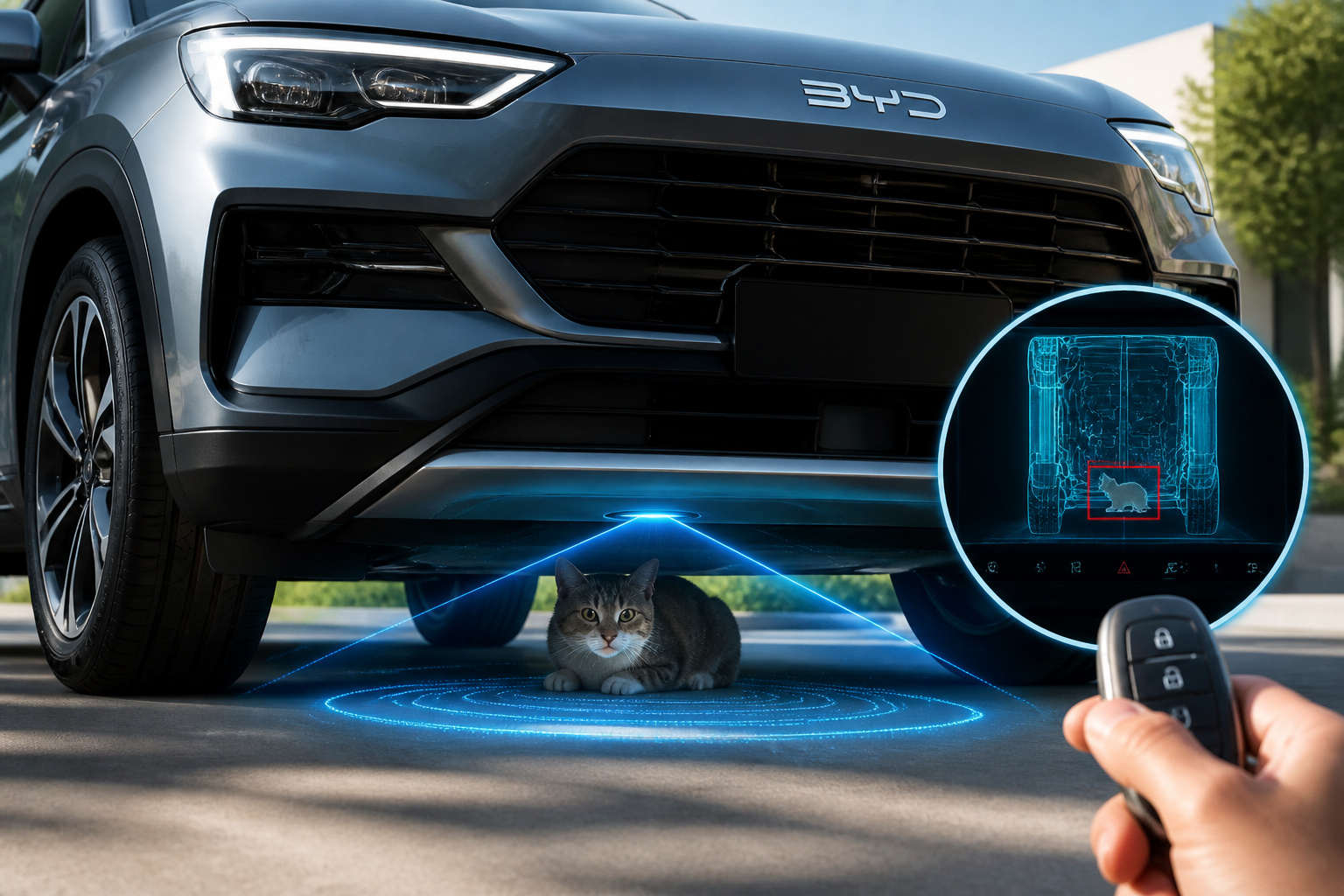
BYD Patents Revolutionary System Using Computer Vision to Detect Animals Under Cars Before Starting, Preventing Tragedies



“Electric mobility is already part of our daily lives; it is no longer the future, it is the present. Most cities are already covered with chargers for electric cars. Now we want to offer this convenience on the roads of Brazil as well,” highlighted Pedro Schaan, CEO of Zletric.
The company has been in the electric vehicle sector in the country since 2019 and intends to leverage discussions on decarbonization to contribute to the energy transition.
The charging stations for the Rota Sul project are already being installed at Rede SIM stations, and over the coming weeks, five new fast chargers, model 60KW, will be implemented and operational.
A total of four of them will be in Rio Grande do Sul — in São Sebastião do Caí, Gravataí, Gramado, and Três Cachoeiras — and one in Laguna, Santa Catarina. In addition, the electric vehicle charging stations in São Sebastião do Caí and Gravataí are already operational and can be used at any time.
Over R$ 2.4 Million in Investments Are Being Made in the Rota Sul Project to Contribute to the Decarbonization of the National Transportation Sector
In the coming months, the cities of Caxias do Sul (RS), Bento Gonçalves (RS), Itajaí (SC), and Araquari (SC), will have new charging stations for electric vehicles.
For the development of the Rota Sul project, the companies Movida, Nissan, Rede de Postos SIM, and Zletric are investing a total of R$ 2.4 million, with the purchase of fast chargers, which have a higher cost than traditional ones.
The market for decarbonization of transportation in Brazil is growing considerably, and this week, the supermarket chain Assaí Atacadista opened its first charging station with three charging points in São Paulo.
The partnership with GreenYellow will allow the chain to have, in the future, a total of 90 charging stations that will operate with energy from 100% renewable sources, ensuring easier charging of electric vehicles anywhere.
The company Vibra (formerly BR Distribuidora) is also in the sector and announced a business plan to install 70 charging stations by the end of 2023, thus contributing to make the energy transition of vehicles an increasingly imminent reality for Brazil.


