





 English
  Francês
  Alemão
  Italiano
  Japonês
  Norueguês
  Portuguese
  Spanish
 4 min of reading


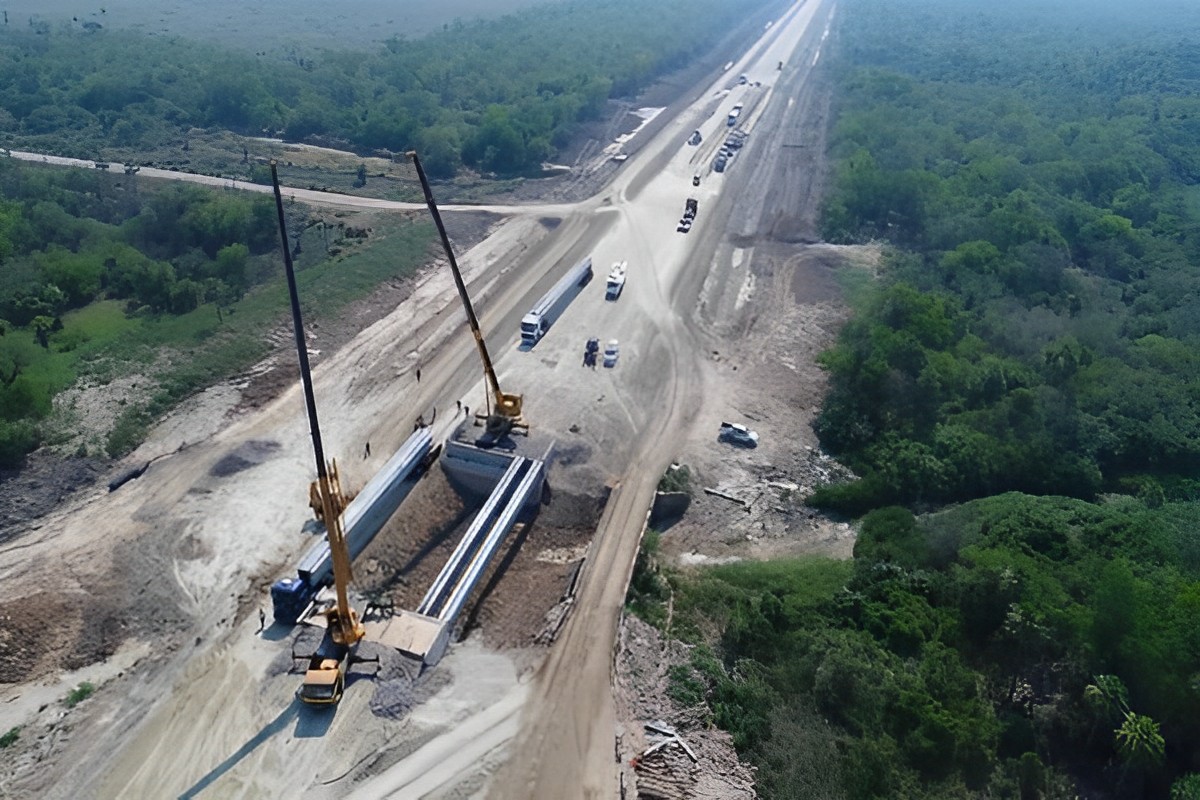
The Bioceanic Route Project, which will connect Mato Grosso do Sul to the ports of Chile, has been marked as a priority by the state government. To enable the project, it was necessary to construct a road access in Porto Murtinho that involved collaboration with Paraguay.
After five years of efforts to obtain the necessary financial resources, the new federal government management managed to unlock this project that had been “stuck.” Jaime Verruck, Secretary of State for Environment, Development, Science, Technology and Innovation (Semadesc), expressed concern over the lack of budgetary provision for the resources in the Annual Budget Law (LOA) for the bridge access. He pointed out that this jeopardizes the completion of construction within the international agreement scheduled for December 2024.
Governor Eduardo Riedel (PSDB) and his secretaries visited Brasília on Monday, where they received the assurance that R$ 93 million would be made available for the construction of the Bioceanic Route bridge access, a priority amidst existing concerns. Verruck, speaking to Correio do Estado, stated that access to the bridge was extremely important due to the development benefits it will bring.
The federal government committed to launching a bidding process for the construction of a bridge access road by June this year. The total cost of the work will be R$ 180 million, of which R$ 87 million will be allocated next year. The amount for asphalt is R$ 80 million, and the remainder will cover necessary works to pass through flooded areas and streams.
-
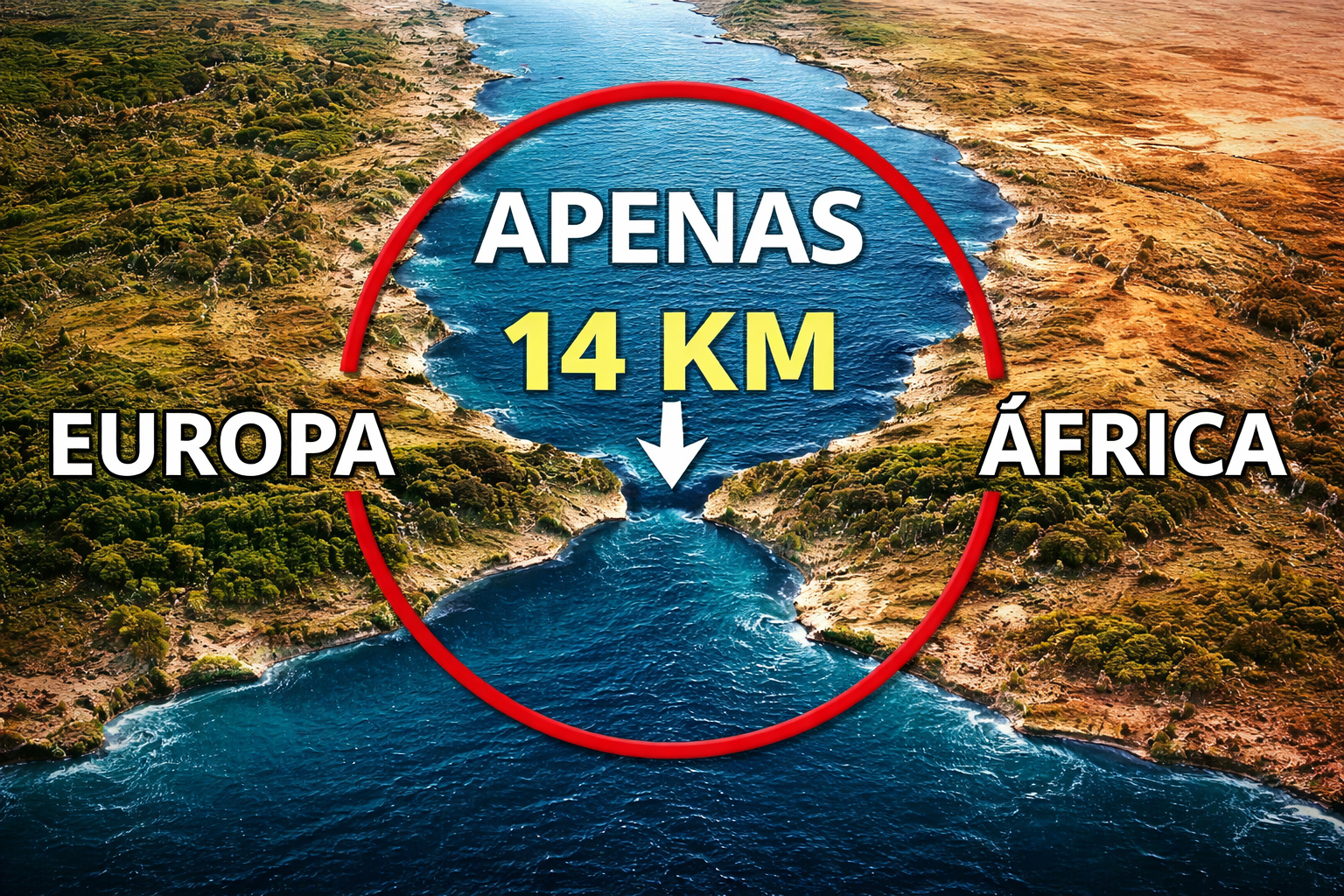
For 45 years, Spain and Morocco have been trying to connect Europe to Africa through a project of just 14 kilometers in the Strait of Gibraltar, and an active tectonic fault on the seabed continues to make the project nearly impossible.
-
Goodbye expensive water tank: residents replace traditional system with a cheaper and more efficient solution that reduces water consumption and reuses rainwater.

-
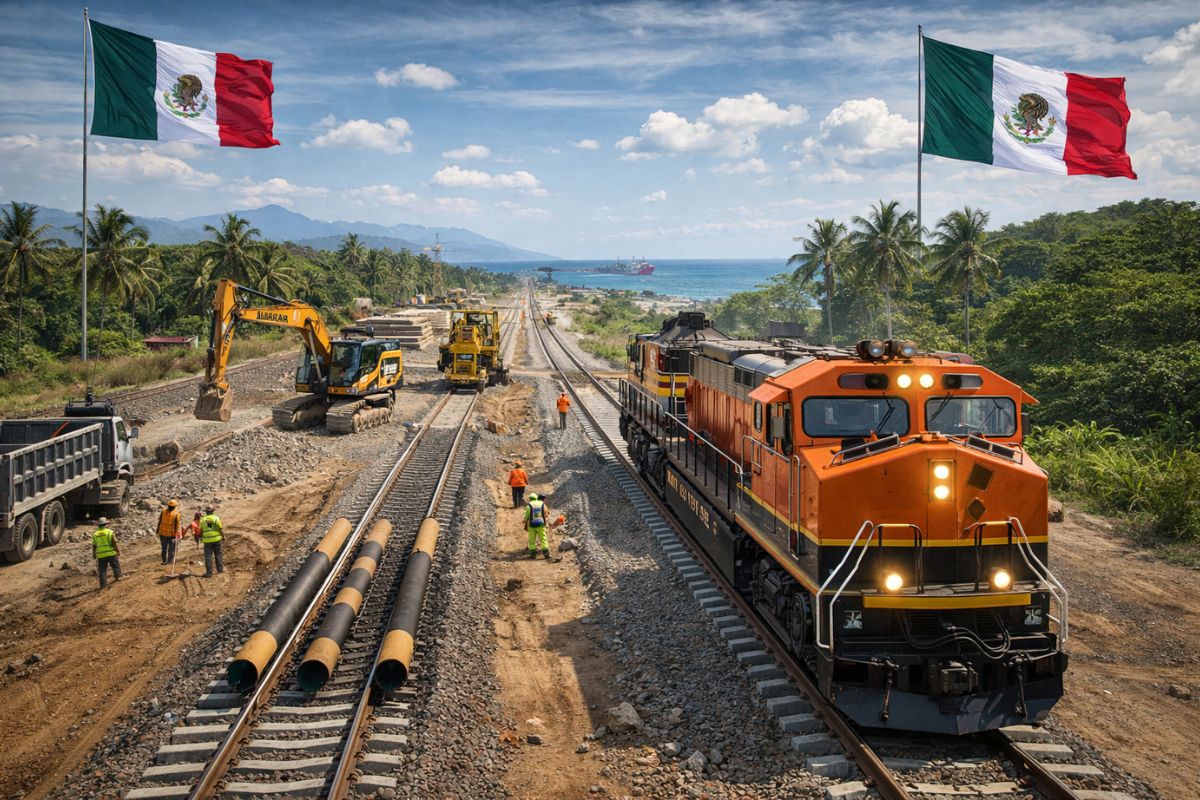
Mexico is building a 300-kilometer railway corridor that connects the Pacific to the Atlantic in just seven hours and wants to compete directly with the Panama Canal, which is already facing water scarcity issues.
-
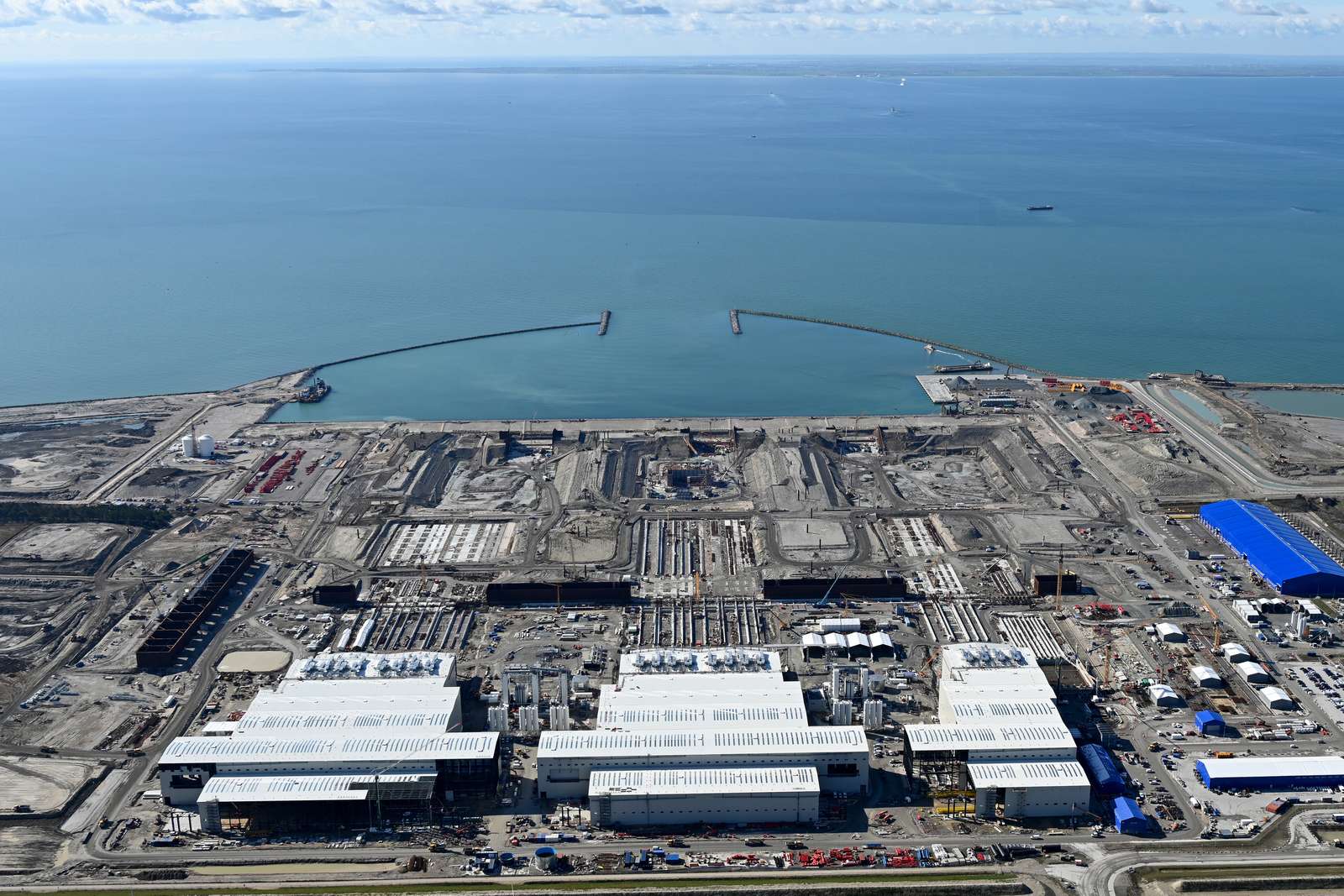
The largest tunnel module factory in the world was built from scratch on a beach in Denmark to produce 89 concrete blocks and will be demolished after the project: each structure weighs up to 10 times the Eiffel Tower and will be installed on the bottom of the Baltic Sea with an accuracy of 12 millimeters in a tunnel that will halve the travel time between Hamburg and Copenhagen.

From the resources raised by the Ministry of Transport, totaling R$ 984 million, the goal is to complete this important project in Mato Grosso do Sul. Secretary Verruck confirmed that the bridge construction is 24% completed, and Brazil is nearing the deadline for building the access road. He emphasized that monitoring will now begin to ensure that the bridge inauguration happens safely in 2024.
International Bridge Works Connecting Porto Murtinho and Carmelo Peralta Progress


The Bridge over the Paraguay River
Vice President Geraldo Alckmin visited the State of Mato Grosso do Sul to see up close the construction of the bridge over the Paraguay River. This project is part of the Bioceanic Route facilitation and is funded by the Itaipu Binacional plant, amounting to 616.836 million guaranis (approximately US$ 90 million). It will have a total length of 1,293 meters.
To start the construction, preparations are being made on the Brazilian side, including the assembly of the concrete batching plant and support warehouses. The transportation of this material to the Brazilian bank was carried out expertly using rafts.
According to the mayor Nelson Cintra (PSDB) of Porto Murtinho, the presence of the vice president adds more credibility to the corridor, which promises to be a significant milestone in the history of this region.
The mayor of Porto Murtinho was disheartened due to the lack of agility from the Brazilian government on the project. However, with the arrival of resources, he believed that the region’s development would be unlocked. For this, a university in Paraná was hired to create a master development plan to prevent people from buying land along the highway and building indiscriminately.
Bioceanic Route
The Bioceanic Route is a highway of 2,396 kilometers that will connect the Atlantic and the Pacific starting from Brazil, reaching the ports of Antofagasta and Iquique in Chile, passing through Paraguay and Argentina. Initiated in 2017, it promises to enhance commercial ties between the Brazilian state and countries in Asia and South America.
The agreement made between Brazil and Paraguay anticipates the construction of the crossing thanks to the Itaipu Binacional hydroelectric plant. A study conducted by the Federal University of Mato Grosso do Sul (UFMS) indicates that the Bioceanic Route will have a significant impact on reducing costs for shipping products from Mato Grosso do Sul, as well as on travel time to the Asian market. Additionally, another study suggests that it could generate around US$ 1.5 billion in exports related to meat, sugar, soybean meal, and leather annually.










Seja o primeiro a reagir!