






 Portuguese
  Spanish


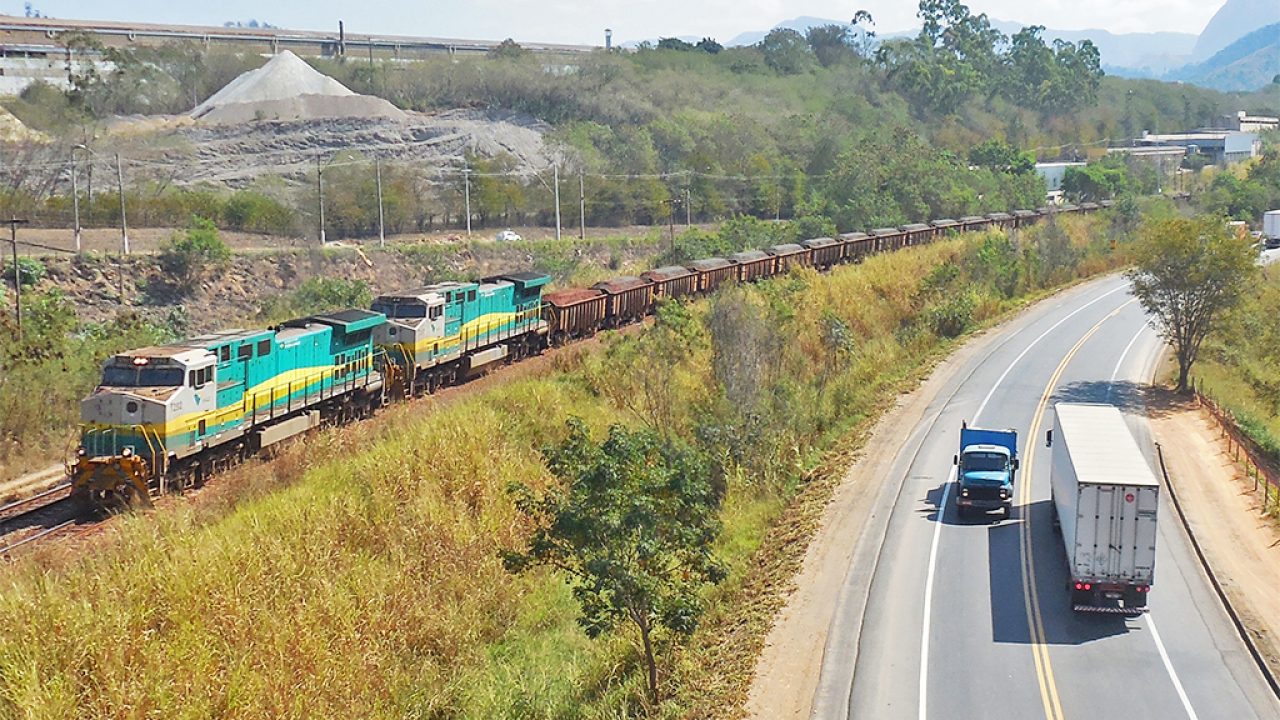

The Railway and Road Sectors Will Have Around R$ 1.7 Billion to Prepare the Highways for the Rainy Season, Ensure the Flow of the Agricultural Crop and Reduce the Number of Fatal Accidents, Resume Works and Intensify Them. These Resources Are Part of the Actions of the 100 Days of Priority Actions of the Government That Were Announced on Wednesday (18) by the Ministry of Transport.
According to the ministry, by April 2023, the amount will enable the delivery of 861 kilometers of paved, signaled, and revitalized roads. In addition, there will be the revitalization and construction of 72 bridges and overpasses in the same period. The main deliveries are included in 12 highways that cross the country: BR-432/RR, BR-364/AC, BR-116/CE, BR-101/SE, BR-116/BA, BR-080/GO, BR-101/AL, BR-381/MG, BR-447/ES, BR-163/PR, BR-470/SC, and BR-116/RS.
According to Renan Filho, the Minister of Transport, there will be a resumption of more than 670 kilometers of works that are currently halted due to lack of funds. By the end of 2022, there were more than 100 projects in highways with slow progress and some even stopped. “Our goal is to halt the sector’s regression over the past four years. We are open to improving our procedures to attract more private investments, combining efforts with more public resources,” he said.
The majority of the respondents to the questionnaires were composed of members of society and users of transportation services (52%); followed closely by market actors, service providers, and companies (15%). Public agencies and oversight entities accounted for third place in most suggestions (10%).
-
The Port of Itaqui closes the best first semester in history with over 17 million tons and takes off as the locomotive of the Northern Arc.

-
Brazil’s North-South Railway to Auction Two Grain Terminals in Central Tocantins

-
AI-powered traffic cameras in São Paulo now issue fines for cellphone use and seatbelt violations around the clock

-
Free Upgrade to Professional Driver’s License Categories in Over 130 Locations in Brazil, Including Exams and Courses



A large part of the responses followed a pattern of road (31%), followed by rail (15%) and finally, traffic (9%). The people who participated in the survey focused mainly on issues regarding the quality and coverage of traffic and transportation services, duplication, and innovation in the area.
The public consultation gathered suggestions for the research from January 10 to 16, through a well-crafted form based on the General Data Protection Law (LGPD). In addition to proposals for road infrastructure, the consultation also listened to the population about the performance of the railway and road modes with ratings that varied from zero (poor) to five (excellent).
Through a public consultation, the Ministry of Transport also received about 6,000 suggestions for priority actions. According to the ministry, most aim to promote traffic safety; improve the quality of infrastructure and transportation services; enhance the competitiveness of cargo and passenger transport infrastructure and logistics; and address other points related to sustainability, access to information, bureaucracy, and governance.
The new minister cited a recent survey from the National Confederation of Transport (CNT) which indicates that 66% of the Brazilian road network is in poor condition or has some circulation problem. “It is estimated that the recovery of the network would require R$100 billion in investments,” said Renan. “Just to illustrate, the poor condition of the network unnecessarily consumes 1 billion liters of diesel annually,” the minister added.








