





 English
  Francês
  Alemão
  Italiano
  Japonês
  Norueguês
  Portuguese
  Spanish
  3 min of reading


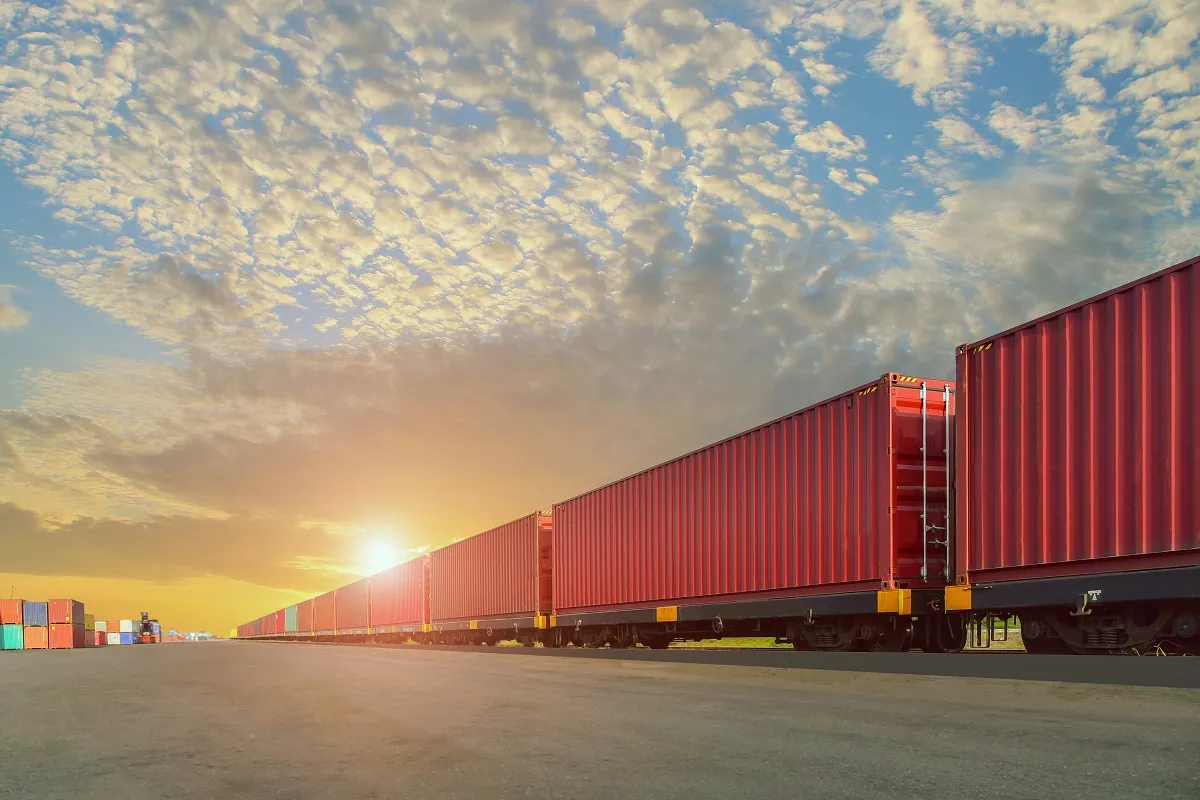
The Main Objective of the Government Is the Resumption and Intensification of Works to Prepare Highways for the Rainy Periods, Aiming to Reduce the Number of Serious Accidents on the Roads While Ensuring the Full Harvest Flow.
This action is part of the 100 Days Plan of actions that are a priority of the Ministry of Transport. In the current period, about 20% of all federal highways are granted to the private sector, according to data from the National Department of Transport Infrastructure (DNIT).
According to the Planning and Economy Director of the Brazilian Association of Infrastructure and Basic Industry (ABDIB), Roberto Guimarães, it is the government’s responsibility to maintain good conditions for the use of ungranted highways.
“Potholes on highways without maintenance, highways that are not duplicated, increase transportation costs, increase the cost of tires, of diesel oil, and consume more oil. So it is very important to invest in the ungranted highways to the private sector. And if they haven’t been granted yet, it’s because there is no economic return for the private sector to buy. Therefore, it is the role of the State to maintain them,” says the director.
-
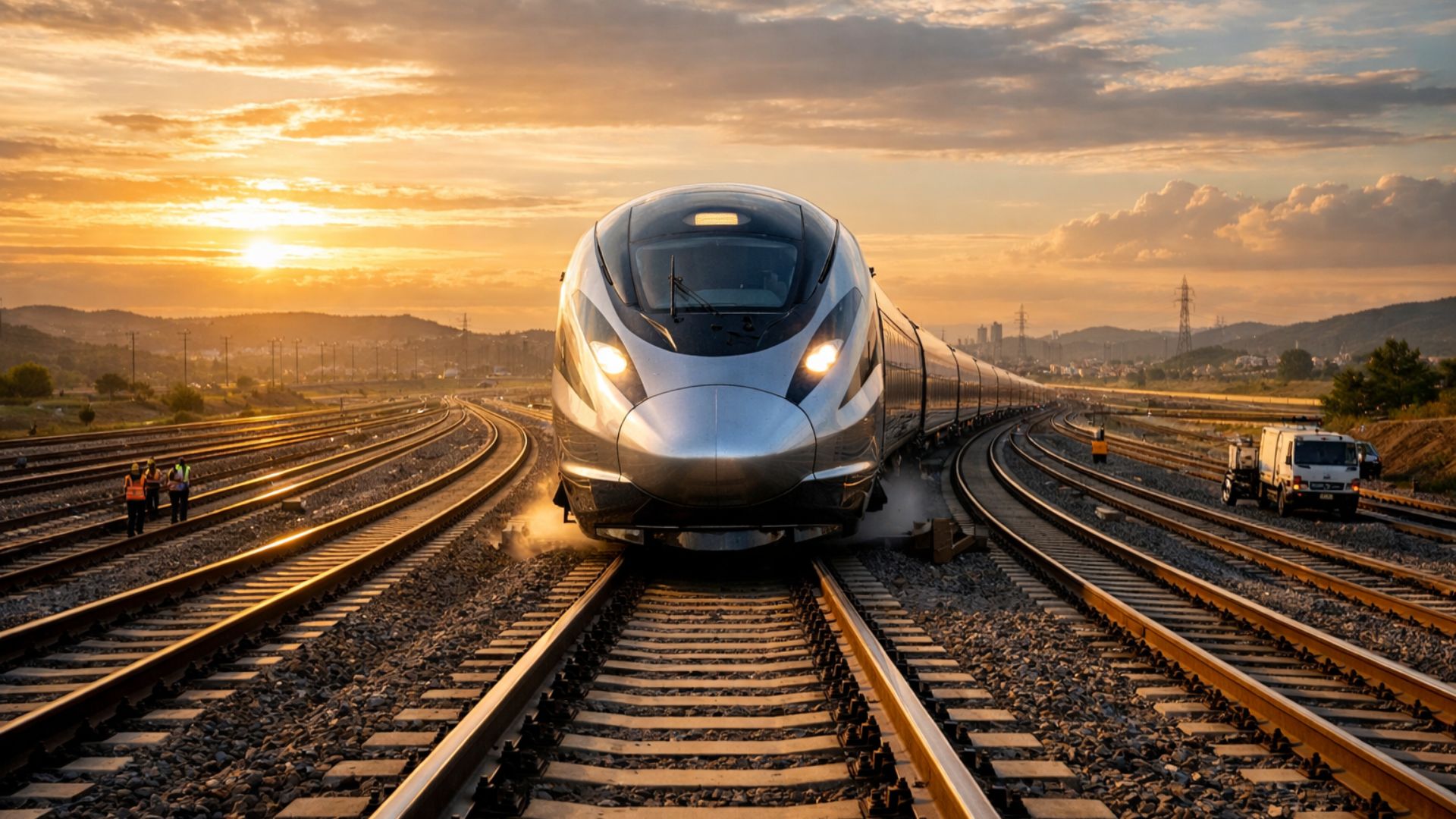
São Paulo surprises the world with a colossal railway network project that promises over 1,000 km of tracks, R$ 194 billion in investments, and 40 projects connecting the capital to the interior with fast and sustainable trains.
-
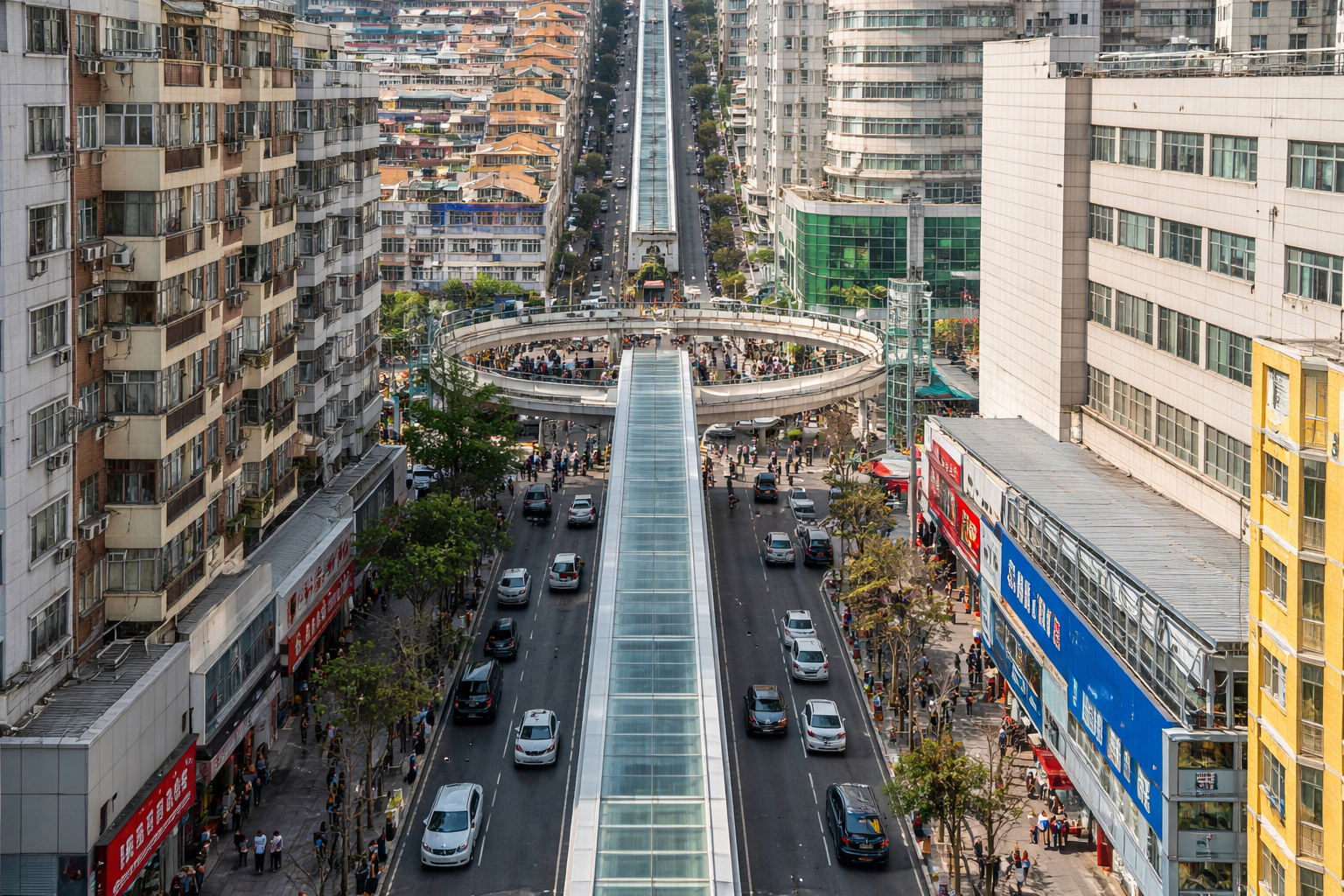
The world’s largest escalator, measuring 905 meters in China, reduces urban travel time from 1 hour to about 20 minutes and transforms mobility in mountainous regions with an engineering solution adapted to the terrain.
-
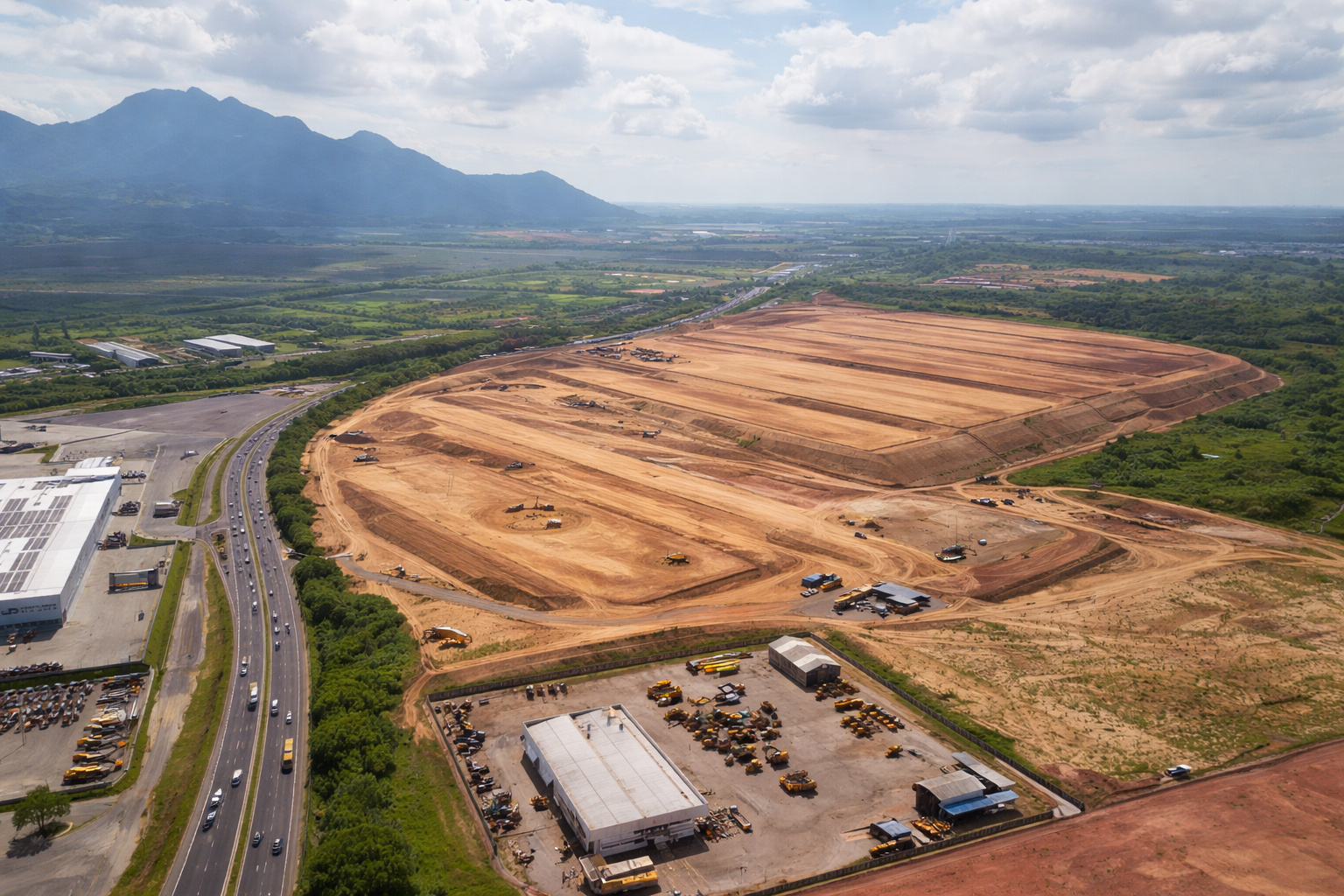
A R$ 300 million logistics giant is taking shape in Serra with over 100,000 m² and raises a question: how can this transform e-commerce and distribution in the state?
-
Could Uber Rides Lose Minimum Fare? Understand What’s Happening!


Roberto Guimarães highlighted the main benefits of investments in the road sector: “The benefit is the reduction of costs, of the Brazil Cost, of pollution, because the less time the truck spends on the road, the less fuel it consumes and the less it pollutes. Investment in highways means a reduction in accidents.”
Gildemir da Silva, a professor of Transport Economics at the University of Brasília (UnB), explained that all investments in highways could increase the competitiveness of the national economy.
Are Railways the Solutions for Brazil’s Transportation for the New Government?


“When logistics costs decrease, the product has a lower value in the market. And then it becomes competitive with products of lower values in other countries. Therefore, investing in highways reduces logistics costs, thus lowering the final product cost. A lower-priced final product becomes more competitive in the international market.”
Another economic advantage is the generation of jobs and income, as pointed out by Gildemir da Silva. “There are two aspects. First, in the construction and maintenance process [of the highways], which generates resources and jobs. And secondly, in operations, which also generates jobs. Today, with Industry 4.0, these jobs can be high-tech. As competitiveness increases, national industries, agribusiness, and mining boost certain jobs too, because volumes increase, and they need more people working.”
The Ministry of Transport also received suggestions for priority actions through public consultation. In total, there were about 6,000 contributions from civil society, most aimed at increasing the competitiveness of infrastructure and logistics for transporting goods and even people, improving the overall quality of infrastructure and transport services, promoting road safety, among others.








Seja o primeiro a reagir!