





 Portuguese
  English
  Spanish
  3 min of reading


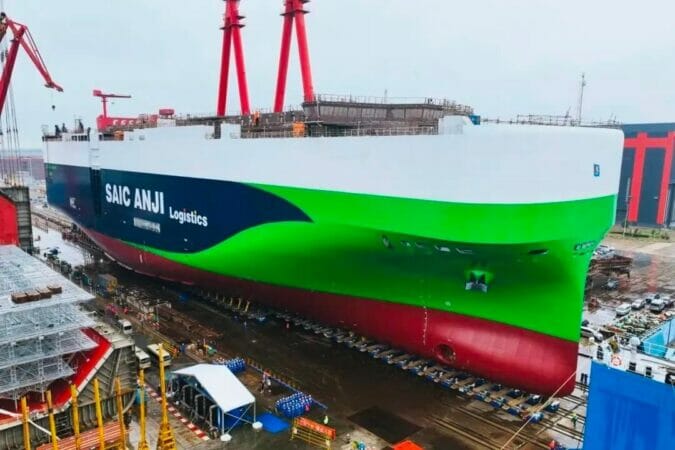
The New Car Transporter Ship from SAIC Anji Was Launched Alongside the Chinese Giant Jiangnan Shipbuilding. The LNG-Powered Vessel Will Be Essential to Diversify Fuels in Maritime Transport.
Jiangnan Shipbuilding, a subsidiary of China State Shipbuilding Corporation, is on Thursday, (08/31), with an innovative LNG-powered car transporter design in partnership with SAIC Anji Logistics. Aiming for innovation, the ship brings together technical advancements, incorporating LNG propulsion and an iCER system for energy efficiency. In addition to meeting the highest safety standards, the vessel stands out for its commitment to sustainability and compliance with the global environmental agenda in the coming years.
New LNG-Powered Vessel from SAIC Anji in Partnership with Jiangnan Shipbuilding
In the constantly evolving automotive industry, Jiangnan Shipbuilding continues to surprise with its innovations.
This time, the company launched a revolutionary vehicle transporter, in collaboration with SAIC Anji Logistics, part of the renowned Chinese car manufacturer SAIC Motor.
-
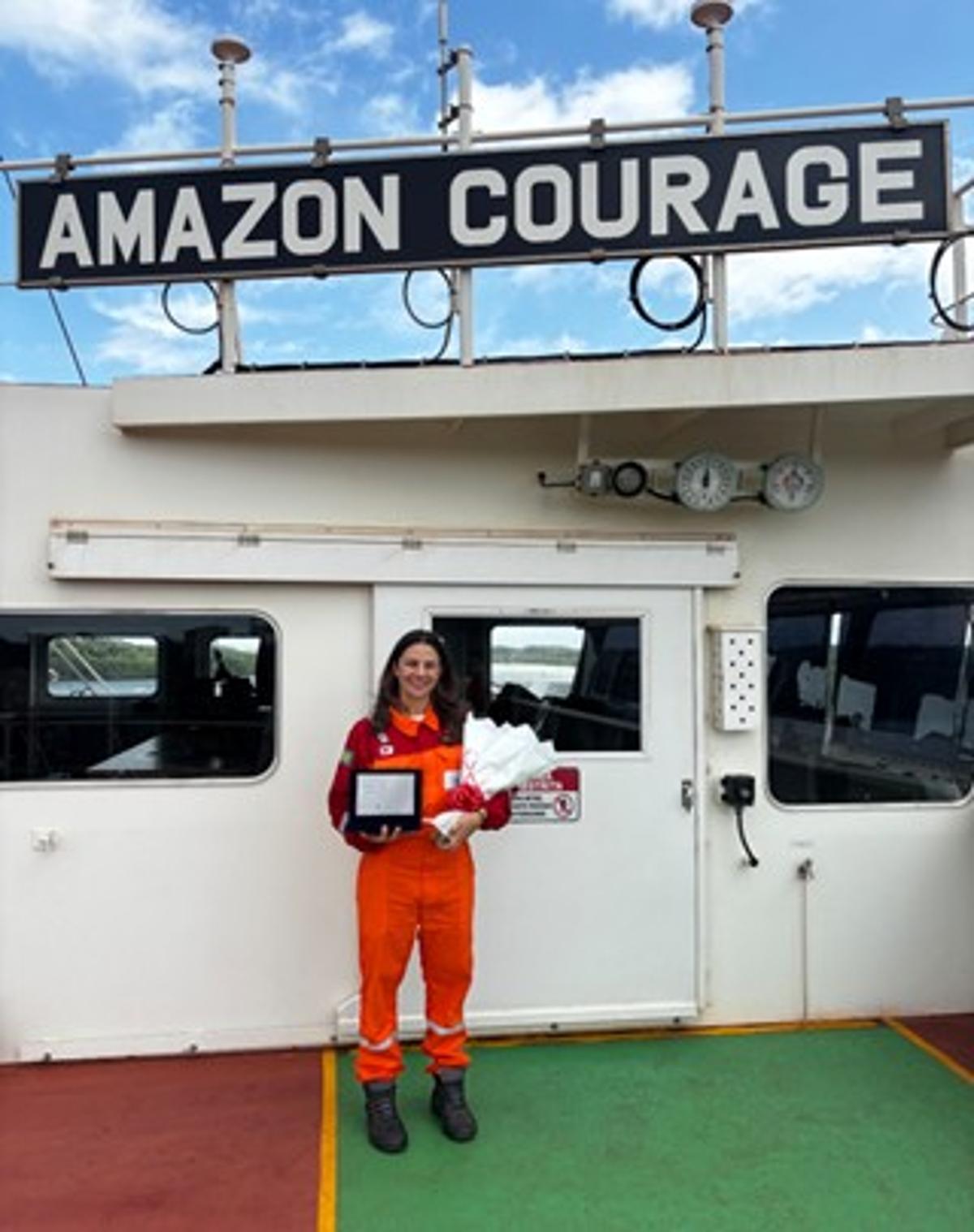
Alcoa and Posidonia enhance gender equity with the first female captain on the Alumar–Juruti route and strengthen female leadership in Brazilian maritime transport.
-
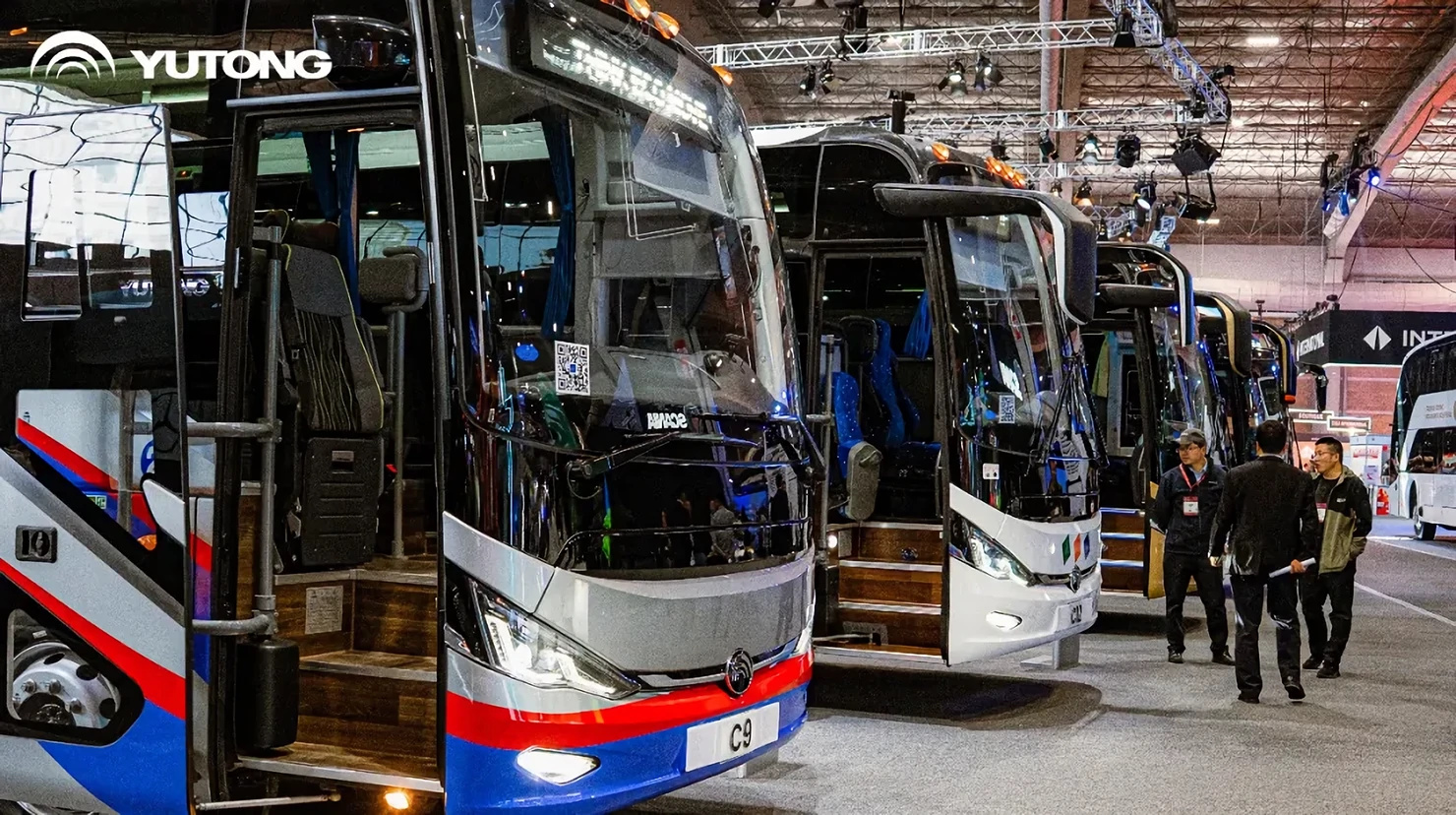
China advances into Mexico’s transportation with an electric bus that has a range of up to 530 km, bringing a complete line to the country in 2026 and transforming its partnership with Yutong into one of the most strategic in Latin American mobility.
-
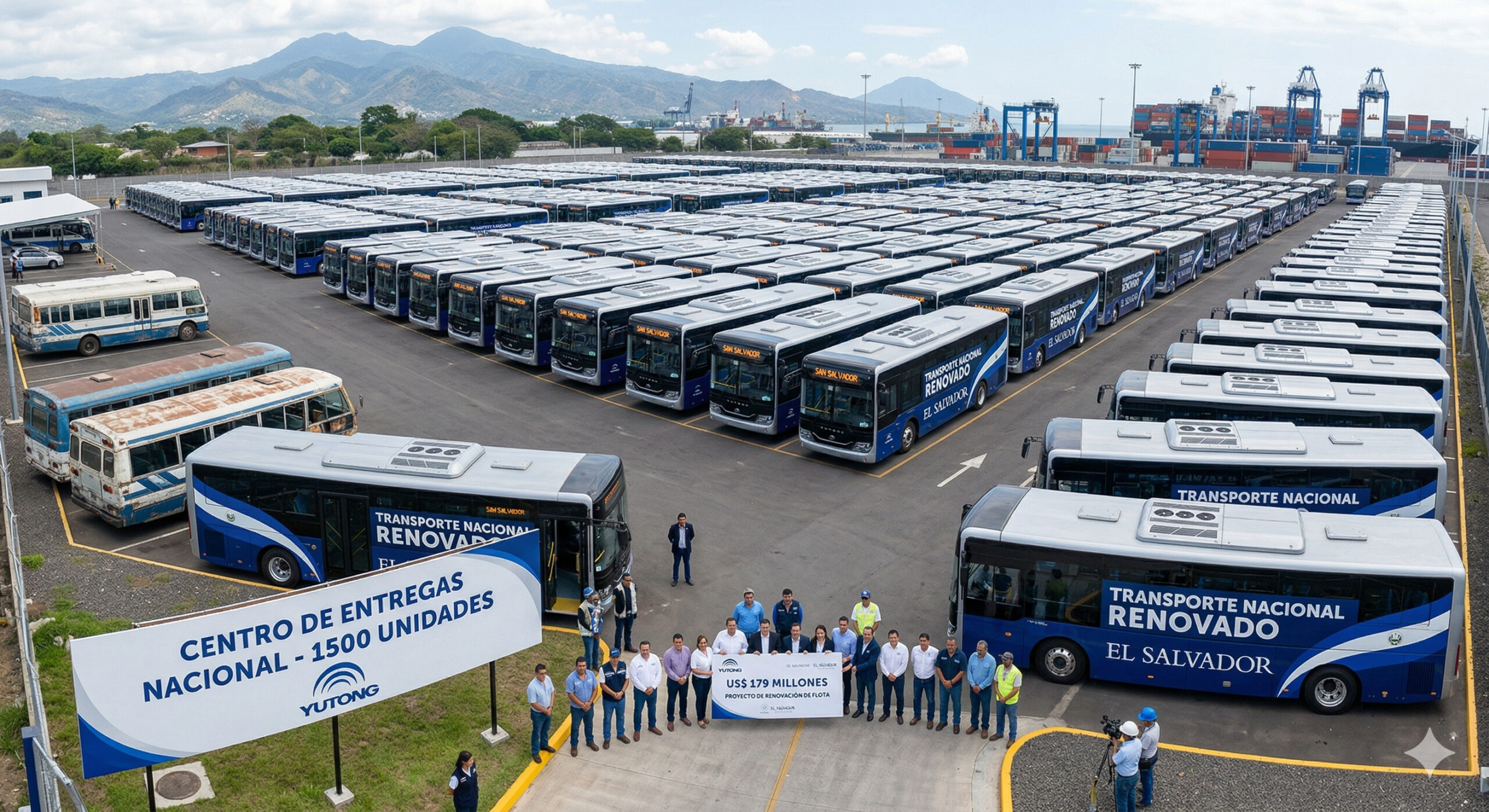
With 1,500 new buses financed by an international agreement, El Salvador is preparing the largest renewal in the history of its public transportation, a plan of $179 million with vehicles from the Chinese company Yutong that could replace practically the entire fleet of the country.
-
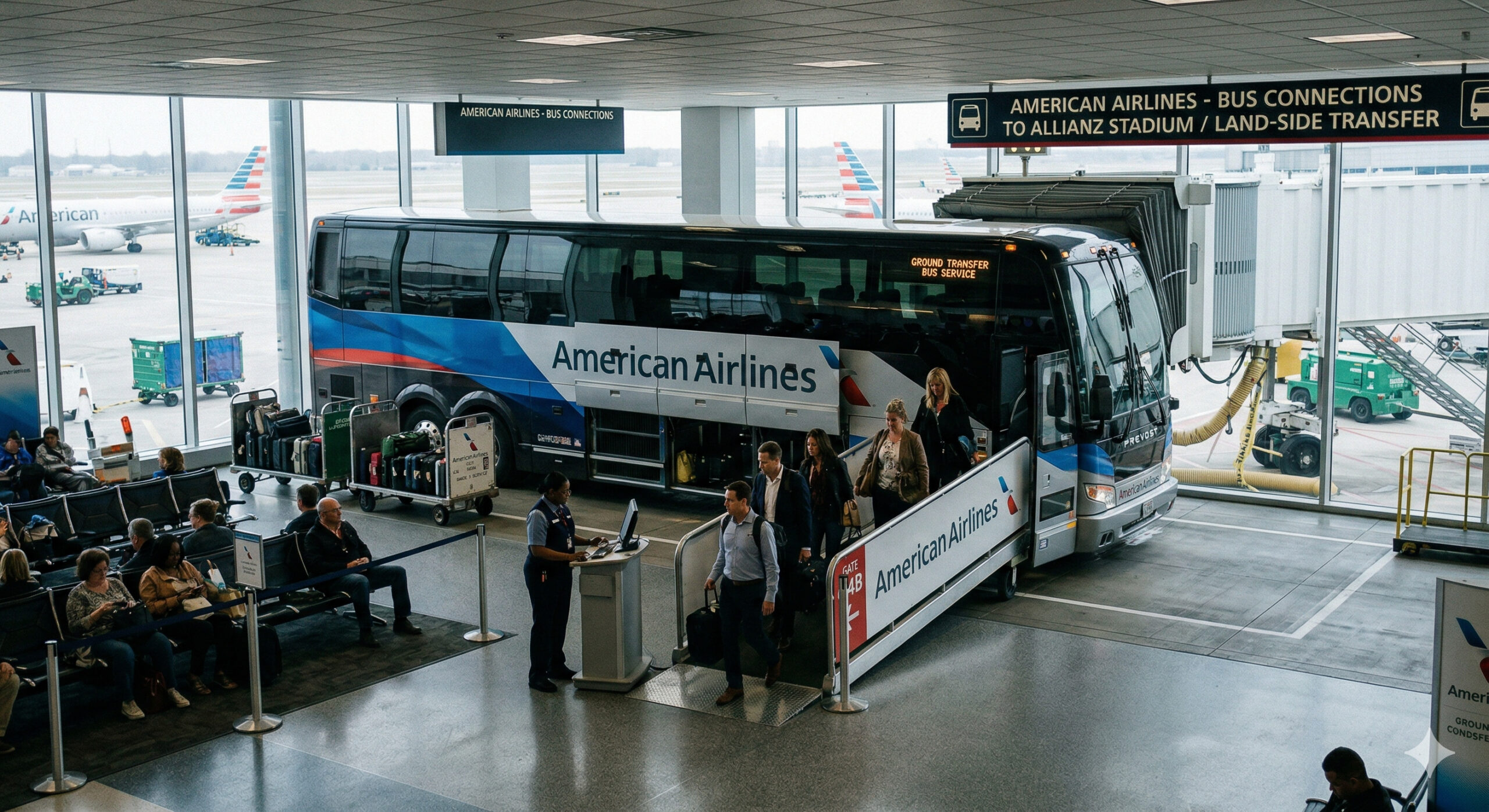
American Airlines starts selling trips as if they were flights, with check-in and baggage check at the airport, but on short routes, passengers board luxury buses connecting cities to major hubs in the U.S.
The new car transporter is more than an engineering innovation; it is a symbol of technological advancement and sustainability.
Equipped with cutting-edge technology, this ship marks a turning point in how cars are transported.
One of its most remarkable features is the innovative LNG propulsion.
By adopting this approach, SAIC Anji and Jiangnan Shipbuilding demonstrate their commitment to reducing environmental impact and seeking cleaner energy alternatives.
The collaboration between CSSC and SAIC Motor not only resulted in a technological novelty but also strengthened the strategic ties between the maritime and automotive sectors.
The shipbuilding agreement signed in Shanghai reflects a shared vision of driving progress through collaborative innovation.
In this way, the companies are investing in an even more promising future in maritime transport with environmental commitment.
SAIC Anji and Jiangnan Shipbuilding Unite Innovation and Technology in the New Transporter Ship
The car transport ship from SAIC Anji, with its impressive 199.9 meters in length and 38 meters in molded width, is a demonstration of the company’s technical excellence.
Classified by the China Classification Society (CCS) and DNV, it incorporates the highest standards of quality and safety.
Moreover, the ship stands out not only for its innovative LNG propulsion. The iCER system, developed by the Shanghai Ship Research and Design Institute, is a fundamental component that sets new standards for energy efficiency.
By harnessing the cold energy generated during the vaporization of LNG, the iCER system contributes to a more efficient and environmentally conscious operation.
In addition to its industry-leading energy efficiency, the ship is designed to meet stringent environmental regulations.
By doing so, it paves the way for a new generation of car transporters aligned with global sustainability goals.
Thus, the launch of the LNG-powered car transporter by SAIC Anji in collaboration with Jiangnan Shipbuilding is not only a significant event for the companies involved but also a decisive step toward a cleaner and more energy-efficient future for the automotive and maritime industries.








Seja o primeiro a reagir!