





 Portuguese
  English
  Spanish
  3 min of reading


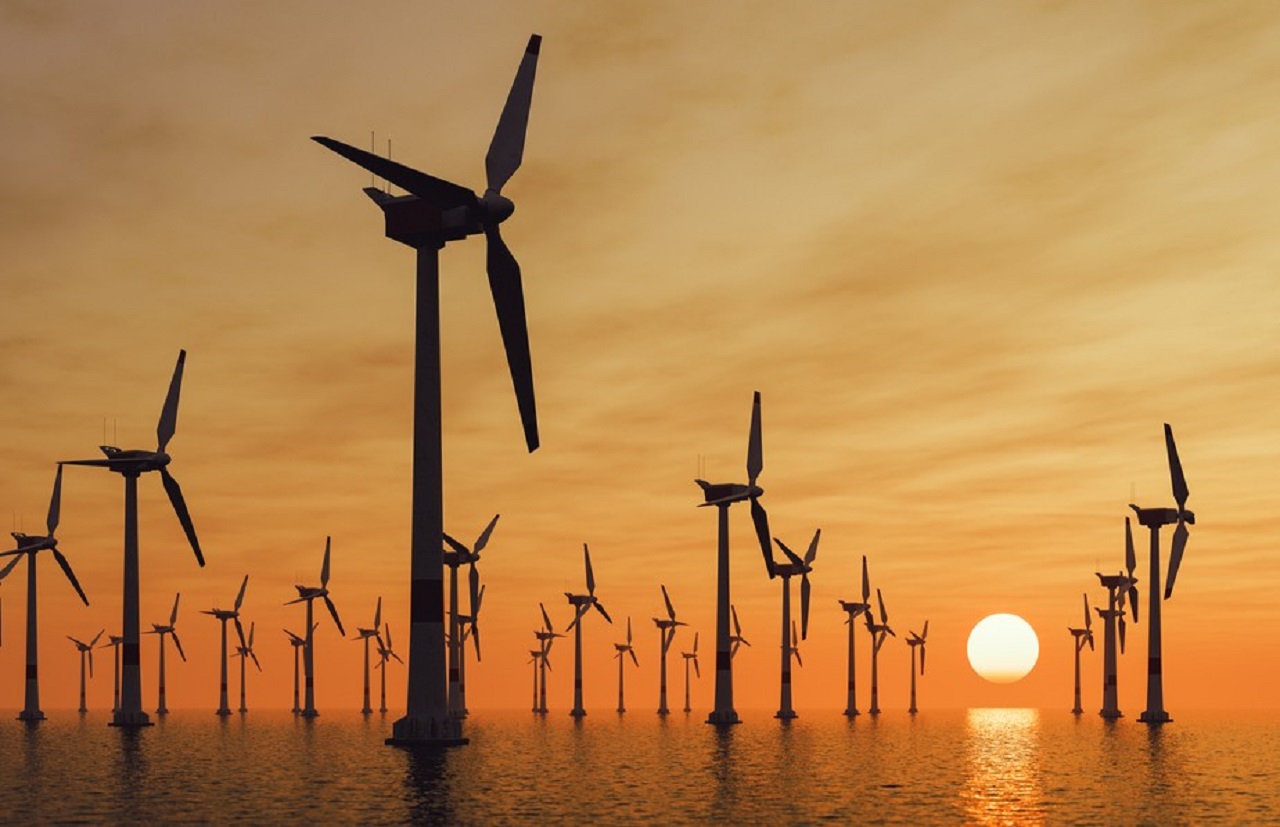
Newcastle Port, The Largest In The World, Located In Australia, Will Now Use 100% Renewable Energy In Its Operations, Despite Still Exporting 165 Million Tons Of Coal Annually
The announcement that Newcastle Port, in Australia, the largest coal port in the world, will now be fully powered by renewable energy comes at a time when coal generation in the country’s electricity market has reached its lowest level during the last three months of last year. Although the port in Australia continues to export around 165 million tons of coal per year, the shift to renewable energy is part of a plan to decarbonize the business by 2040 and to expand the non-polluting part of the port, so that coal is only responsible for half of its revenue by the beginning of the next decade.
Read Also
Australia’s Coal Port Will Use Wind Energy
The agreement was signed with an Iberdrola wind farm located in New South Wales for the retail purchase of renewable energy. It provides the port with large-scale generation certificates.
-
How green infrastructure and renewable energy at the World Cup transform the logistics of the largest sporting event on the planet in North America.

-
The Cagece and UFC project advances in sustainable innovation with biogas by converting waste into renewable energy, reducing environmental impacts, and increasing sanitation efficiency with concrete and measurable results.
-
Paranaense students develop a system that transforms farm waste into clean energy and revolutionizes sustainable agribusiness.

-
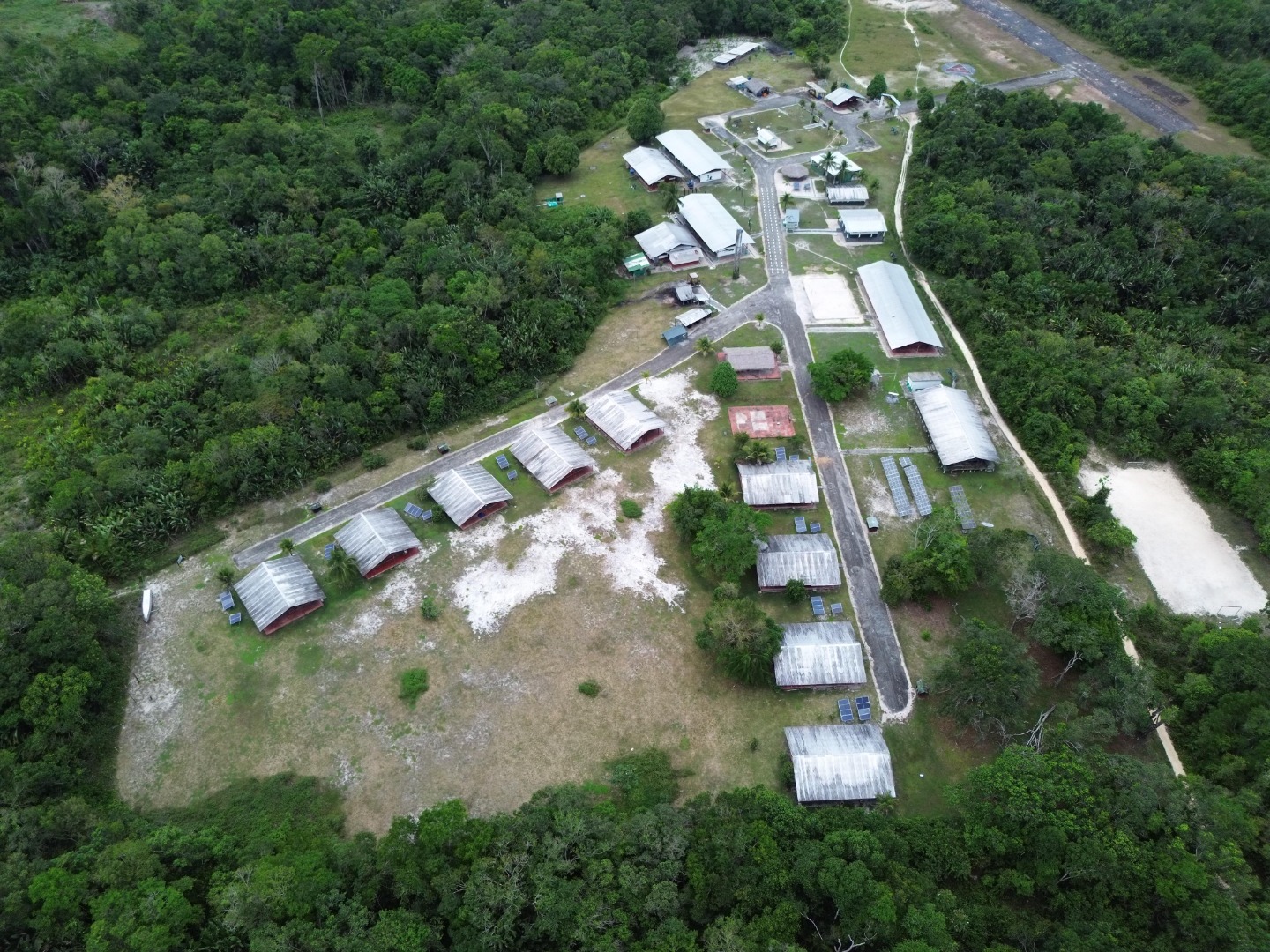
The Ministry of Defense installs a giant photovoltaic plant and ensures a stable supply of clean energy in Maturacá, in the Amazon.
As part of its transition, Newcastle Port has also converted almost all of its vehicles to electric and has engaged in other infrastructure projects to reduce its CO2 emissions in its operations.
According to Dylan McConnell, a researcher at the Climate and Energy College at the University of Melbourne, in the last three months of last year, coal’s share in the electricity grid decreased by almost 6% compared to the same period in 2020, while gas recorded its lowest generation quarter since 2004. On the other hand, solar energy generation by companies and homes grew by 24%, and wind energy by 6.4%.
Coal Production And Harm To Human Health Are Highlighted By Experts
According to Craig Carmody, CEO of the Australian port, the shift to renewable energy was necessary, emphasizing that it is preferable to act now while there is still control over the company’s fate. This could not be done in a crisis situation, where Newcastle Port’s revenue would collapse.
When coal is mined, a huge cloud of dust is generated, and the toxic particles emitted in this process can remain in the air for weeks. These particles are inhaled and can also settle on the ground, polluting crops and rivers. Coal mining releases carcinogenic substances such as Mercury, Arsenic, Cadmium, Lead, Uranium, Thorium, among others.
Renewable Energy Market In Australia Continues To Expand
Renewable energy in Australia continues to expand, and it is predicted that in the next 10 years, its growth will accelerate even further. 21% of the country’s total electricity production in 2019 came from clean energy sources, achieving a 46% increase in solar energy generation and 19% in wind energy, according to the latest Australian government Energy Report.
The projection is that by the beginning of the next decade, emissions from the energy sector will decrease by 23% in Australia, and the share of clean energies in the mix of generation will reach 48%.








Seja o primeiro a reagir!