





 Portuguese
  English
  Spanish
  4 min of reading
  0 comments


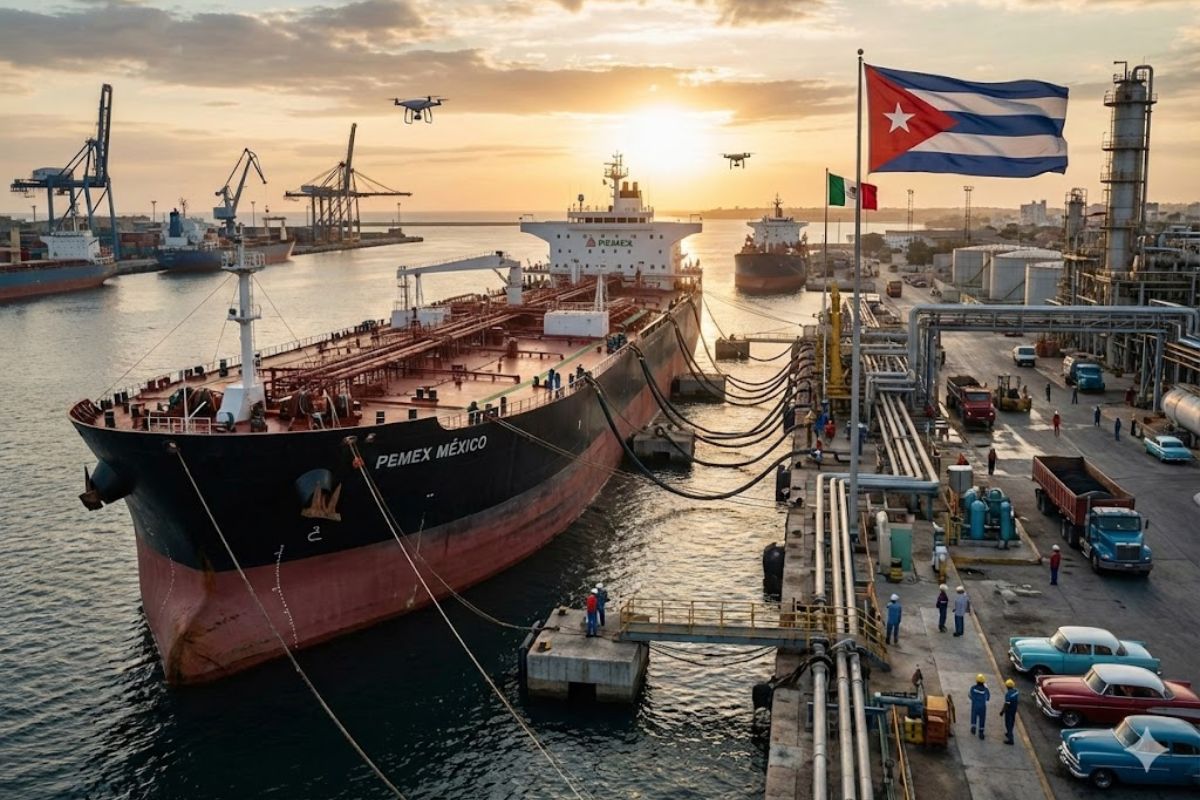
After The US Intercepted Two Tankers With Venezuelan Oil In The North Atlantic On January 7, Cuba Fears Shortage. The Naval Blockade In December And The Capture Of Nicolás Maduro Reposition Mexico, Which Claudia Sheinbaum Called Supplier. Data Indicates That, In 2025, Mexican Oil Exceeded Venezuelan.
The interception of two tankers with Venezuelan oil in the north Atlantic on Wednesday, January 7, raised apprehension in Cuba, which depended on Venezuela as its main supplier under an energy cooperation agreement.
With the naval blockade imposed by the United States in December on tankers under sanctions entering or leaving Venezuelan waters and the capture of Nicolás Maduro, Mexico is now seen as the most relevant piece in supplying the island, according to official statements and data cited by the industry.
Interception In The Atlantic And Naval Blockade Increase Pressure On Oil Coming To Cuba
The US action in the North Atlantic, with the interception of two ships transporting Venezuelan oil, comes after a naval blockade adopted in December targeting sanctioned tankers linked to the maritime flow entering or leaving Venezuelan waters.
-
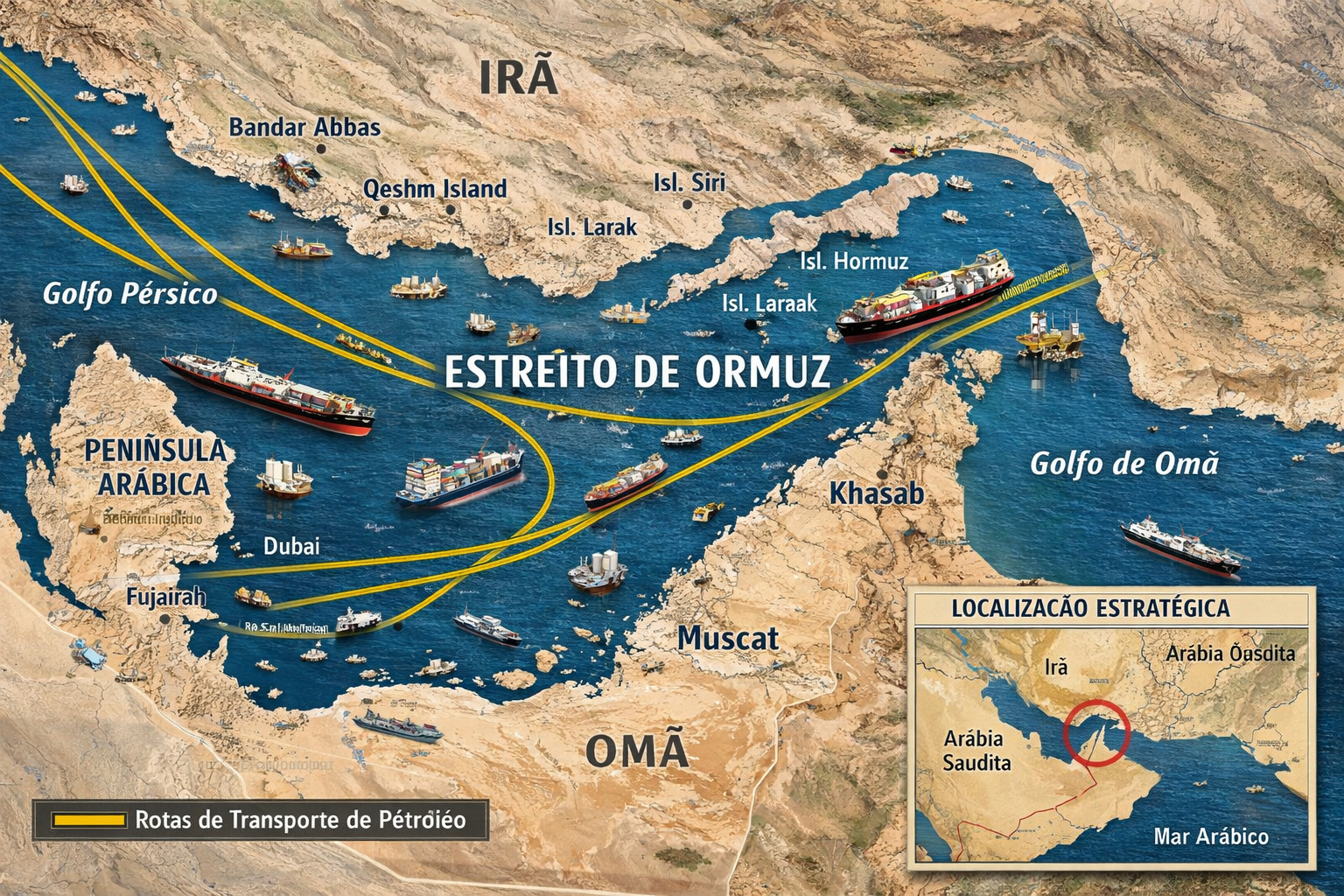
Global summit with over 40 countries pressures Iran for a blockade in the Strait of Hormuz and warns of direct impact on oil, food, and the global economy.
-
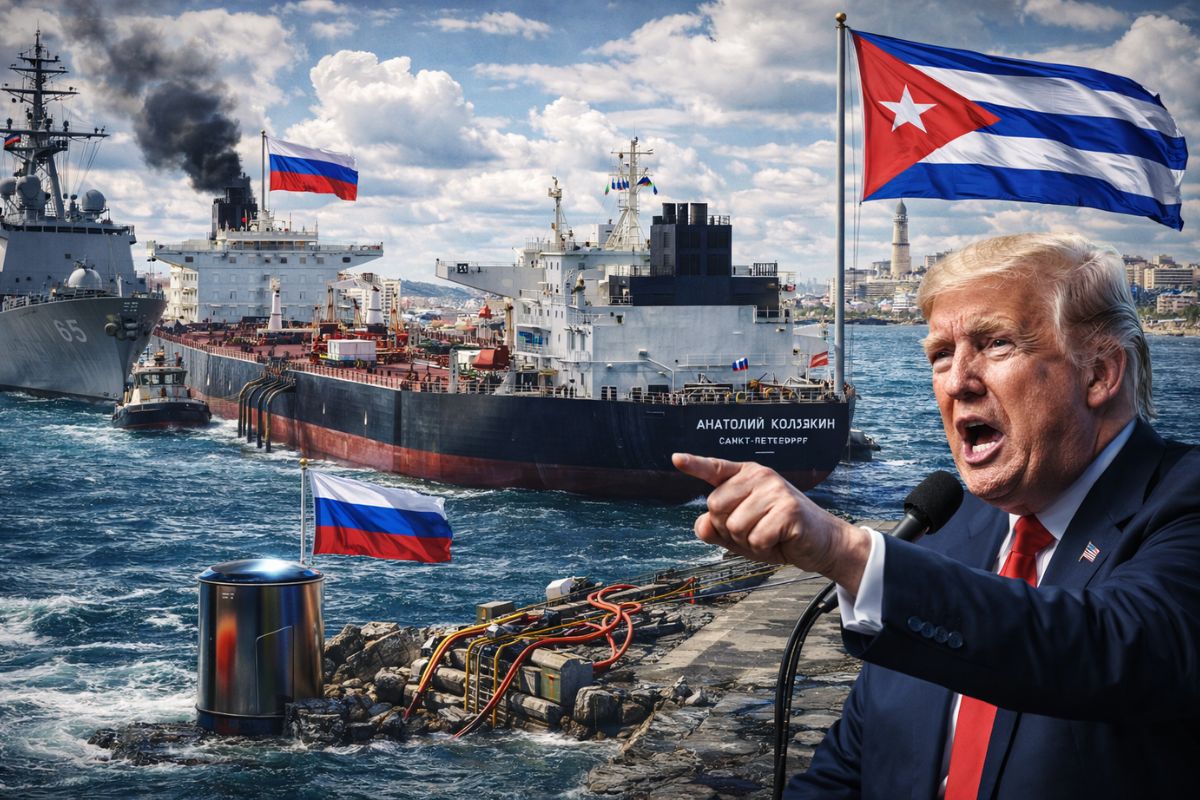
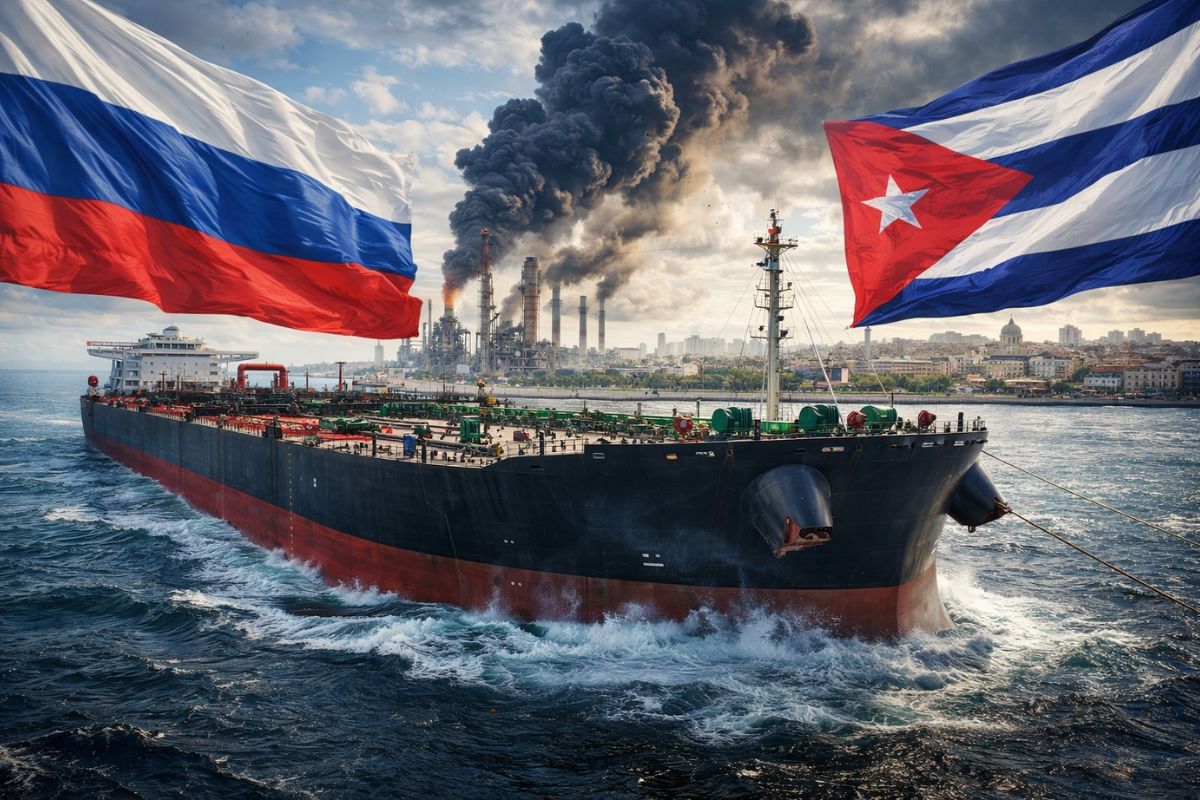
Russia has broken the U.S. maritime blockade to send oil to Cuba and is now loading a second ship while Trump says that “Cuba is next” in a possible military action against the island.
-
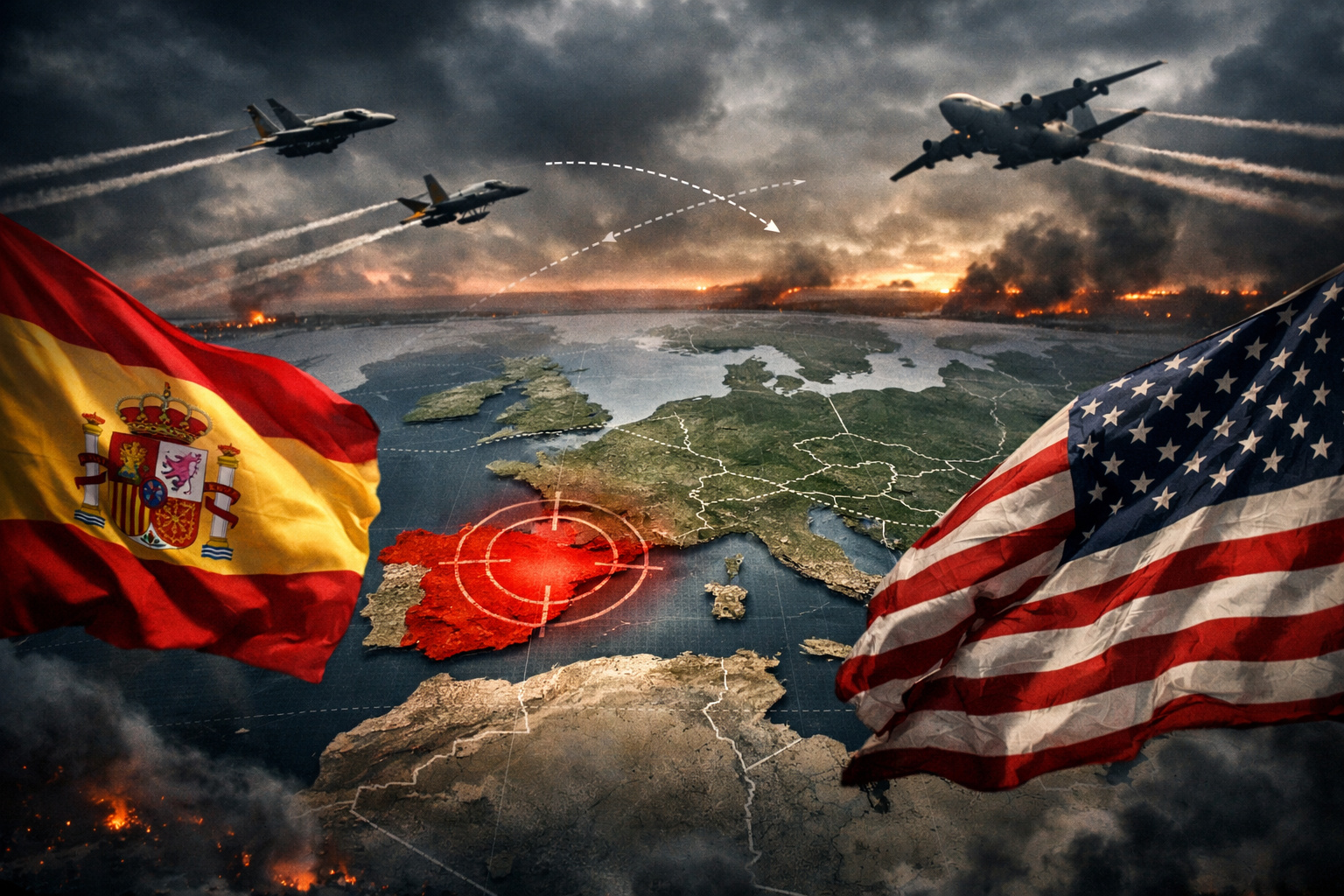
Spain challenges the USA and closes its airspace for operations against Iran, raising global tension and provoking the threat of a trade rupture.
-
While no other country manufactures tanks in Latin America, Argentina activates the TAM 2C-A2 and raises a curiosity about the technological lag in the region.


In practice, the move closes routes and increases the risk of fuel supply disruption on the island, which has been operating under deficit and now faces the fear that oil may no longer arrive regularly.
Mexico Assumes More Visible Role In Cuban Oil, But Says Not To Send More Than Before
On Wednesday, January 7, Mexican President Claudia Sheinbaum stated that Mexico has become an “important supplier” to Cuba, with shipments of crude oil occurring for “many years” for “various reasons.”
According to the head of state, these operations include export contracts and also scenarios classified as “humanitarian aid.” At the same time, she stated that Mexico was not sending “more oil than before.”
Sheinbaum requested that the state-owned Pemex provide detailed data on the operations, in a context where the Mexican government generally does not disclose contracts for supplying oil to Cuba or how these transactions are remunerated.
Data Cited For 2025 And The Venezuelan Volume Reinforce The Change In Oil Balance
In 2025, deliveries of Mexican oil to Cuba are expected to have exceeded those from Venezuela, according to industry data published by the British newspaper Financial Times.
On the Venezuelan side, shipments to Cuba between January and November last year averaged 27,000 barrels per day, a volume that covered about 50% of the island’s oil deficit, according to transport data and documents from the Venezuelan state-owned PDVSA.
In this scenario, the reduction in Venezuelan supply capacity increases the relative weight of Mexican oil in the Caribbean, even without a formal announcement of increased volumes.
Control Of Venezuelan Sales And Dispute Over Ships Expand The Impact Of Sanctions On Oil
One of the symbols of this reconfiguration appears in the case of the tanker Nord Star, flying the Panamanian flag, anchored in Lake Maracaibo, Venezuela.
The US government claims it will control the sales of oil from the country “for an indefinite time” following an agreement announced by Donald Trump for Washington to manage the marketing of 30 to 50 million barrels of crude.
Tension is also reflected in the dispute over the identity of a vessel mentioned in the seizure episode. Moscow claims the ship is called Marinera and received provisional authorization on December 24 to sail under the Russian flag.
Washington maintains that it is the Bella 1, which would be without a flag after having sailed with false registration, being part of the so-called “phantom fleet” of Venezuela used to transport oil subject to US sanctions.
Reaction From Russia And Signs Of Scarcity In Cuba: Closed Gas Stations And Power Cuts
On Thursday, January 8, Russia accused the United States of fueling “military and political tensions” after the seizure of the tankers on Wednesday, one of which is linked to Moscow.
The Russian Foreign Ministry stated it is “regrettable and concerning” that Washington is willing to provoke serious international crises, criticized actions described as “dangerous and irresponsible,” and denounced the UK’s involvement in the seizure of the ship.
In Cuba, concern translates into concrete signs. “The repercussions will not be very good”, said Mario Valverde, a businessman in Havana, recalling that Venezuela was one of the countries that most helped the island with energy and fuel.
In the port of Matanzas, less than 100 kilometers from the capital and a docking point for tankers, many gas stations are closed, indicating that fuel scarcity is already a reality. Power cuts have become frequent and last for several hours.
William Gonzalez, a student and resident of Matanzas, summed up the local fear: “Now, I think that with this situation, everything will get worse”, saying that oil used to come from Venezuela and Russia, and now, “it will only come from Russia,” which represents “one less source of oil” and tends to leave the country “a little worse.”
What Should Be Mexico’s Next Step Regarding Oil In Cuba: Maintain The Current Level, As Sheinbaum Said, Or Take On The Role Of Main Supplier Given The Blockade And Sanctions?







-

Uma pessoa reagiu a isso.