





 Portuguese
  English
  Spanish
  5 min of reading
  0 comments


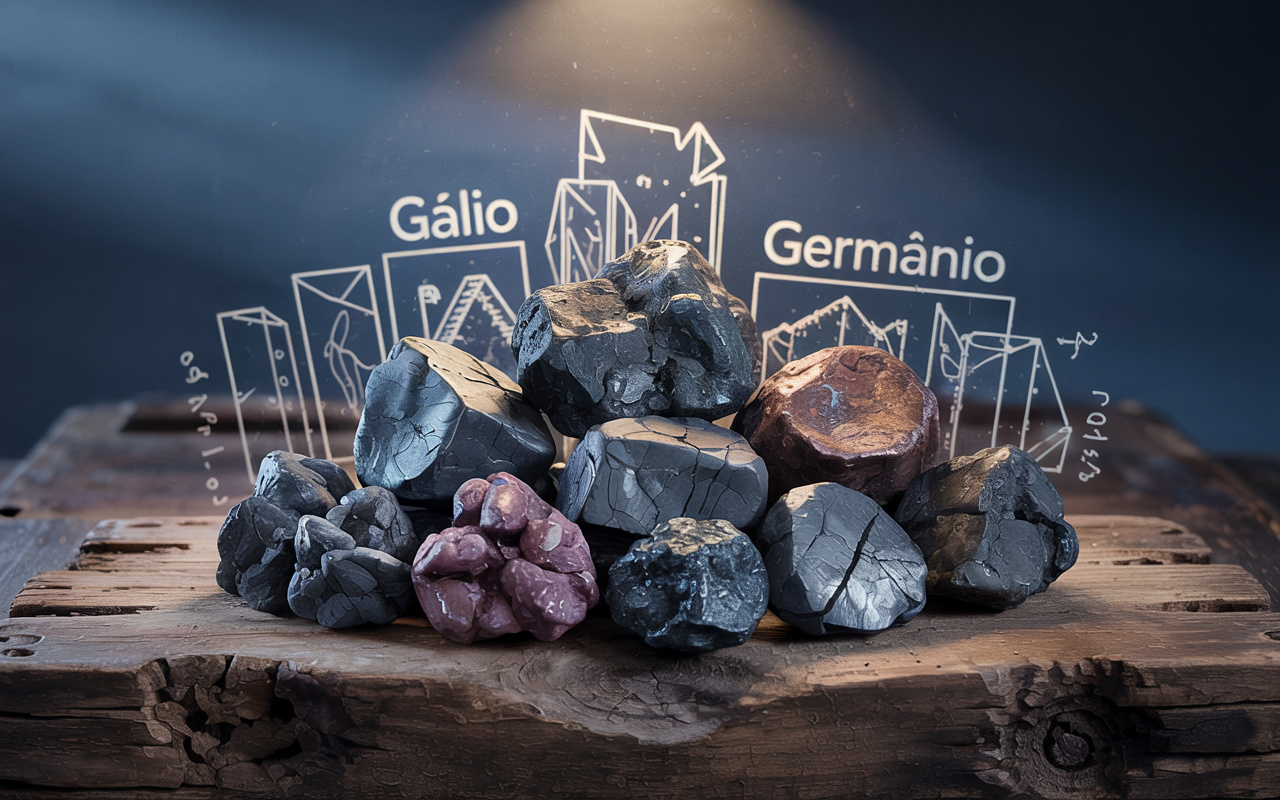
In The Midst Of The Global Semiconductor Dispute, Gallium And Germanium Stand Out As Strategic Minerals. Understand Why These Rare Resources — The True Ore That Is Worth Gold — Are At The Center Of Geopolitical Tensions And Why Brazil Has Not Yet Tapped Into Its Potential
Gallium and germanium have become silent protagonists in the new global technological race. Essential for the manufacturing of semiconductors and strategic equipment, these elements are at the center of geopolitical tensions, especially after China restricted its exports. While the world races to secure supply, Brazil — with identified potential — has yet to advance in the exploration of these resources. Understand why this ore that is worth gold could redefine the geopolitics of technology and put the country in a prominent position in the international market.
China Sounds Global Alert On Gallium And Germanium
Since August 2023, China has imposed significant restrictions on the exports of gallium and germanium, requiring specific licenses for the export of these critical minerals. Both have civil and military applications, being indispensable in chips, infrared sensors, solar panels, and high-performance communication equipment.
The situation intensified in December 2024, when Beijing announced a direct export ban to the United States, in response to U.S. sanctions related to the semiconductor industry. This decision shook the global supply chain, forcing technology companies, automakers, and armaments manufacturers to seek alternative sources to ensure the continuity of their operations.
-
USA and China compete for Brazil over resources that could be worth trillions — rare earths put the country at the center of a global dispute

-
After China, it’s now the turn of the USA to ‘secure’ a share of Brazil’s natural resources: the country buys critical rare earths for R$ 3 billion and enters the center of the global technology dispute.
-
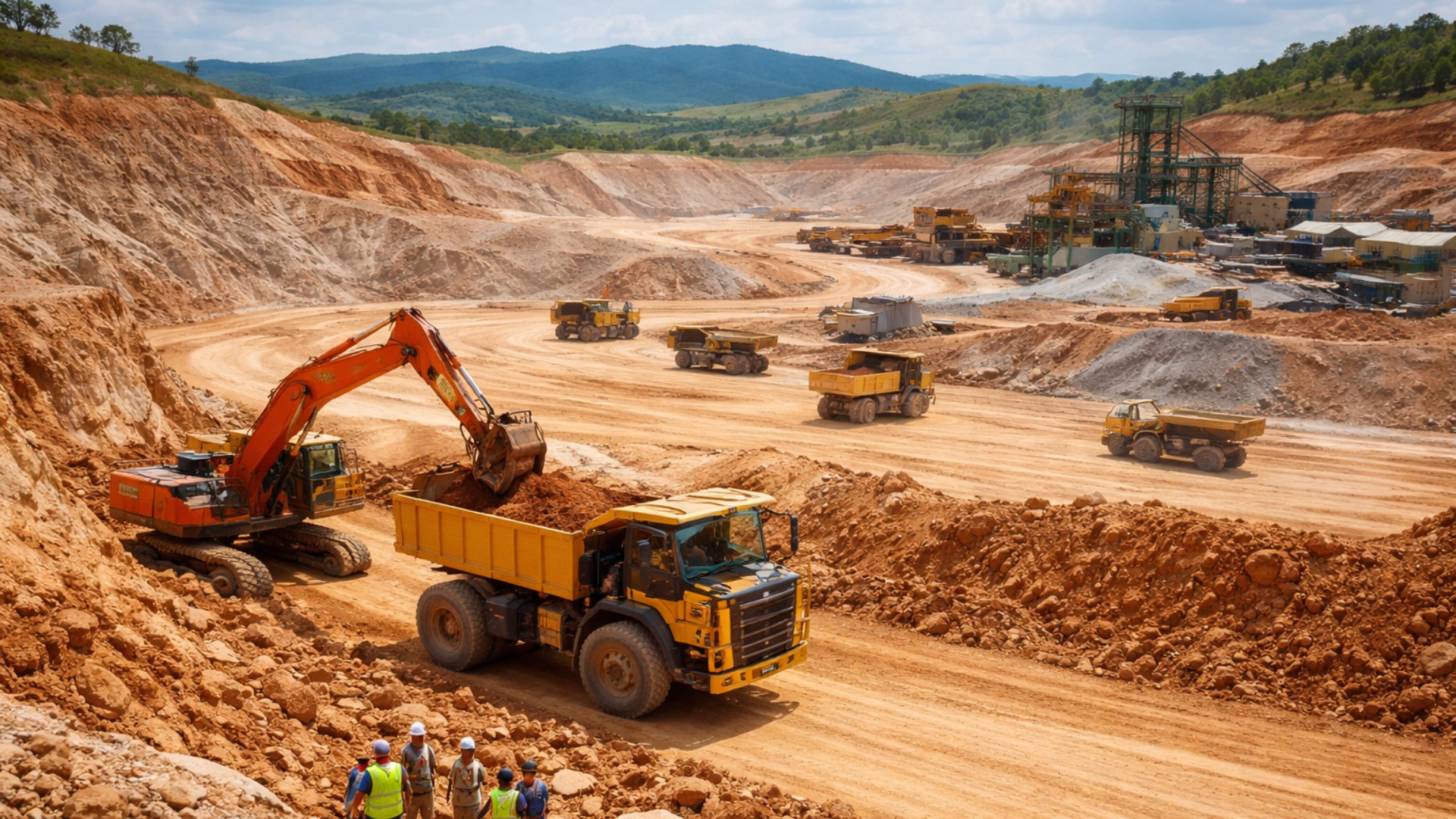
Rare earths are in everything, from cell phones to bullet trains, and what almost no one realizes is why they have become the target of such a delicate global war.
-
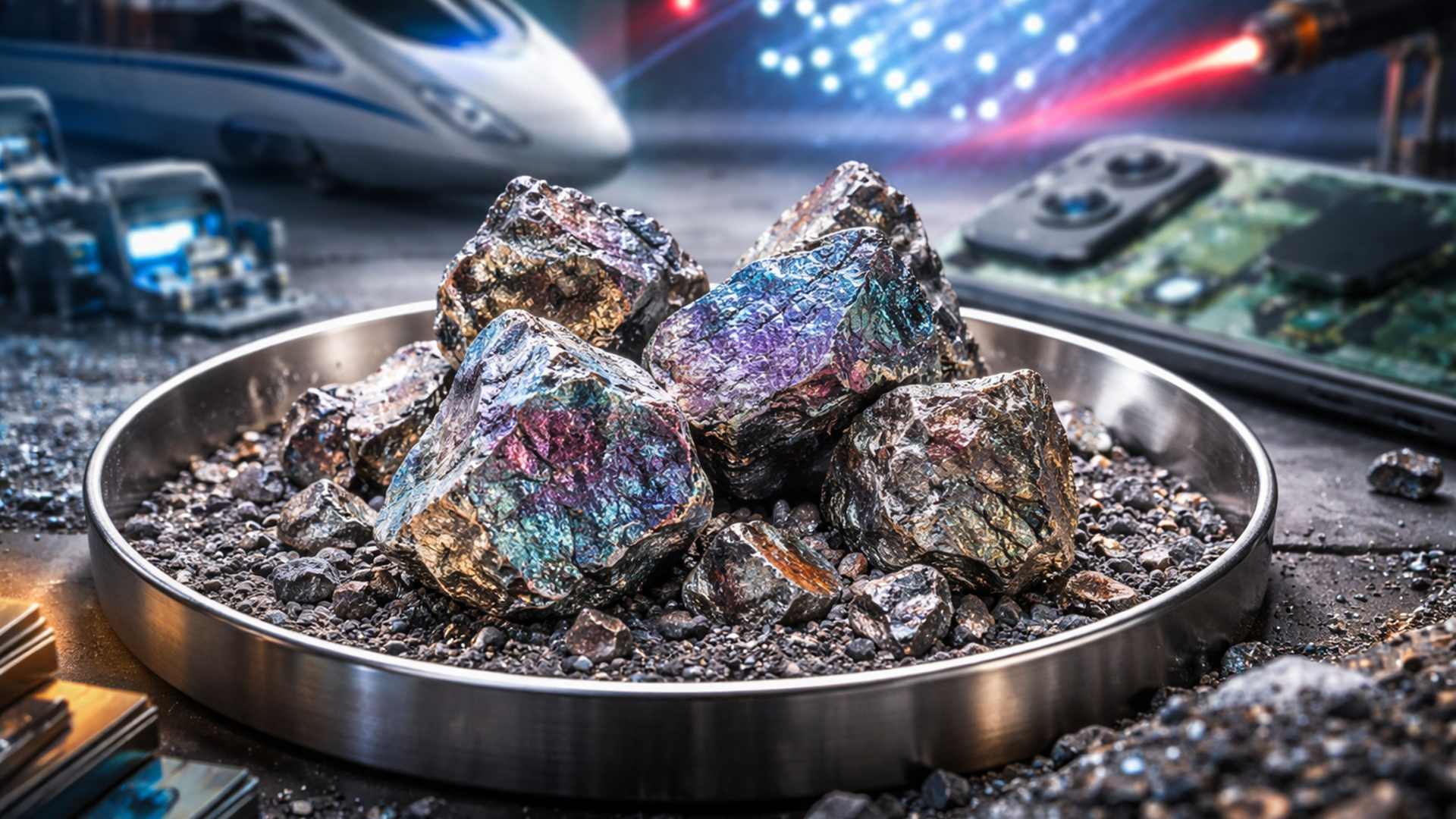
Brazil extracts 26.3 million tons of ore from what was previously treated as waste, transforming residues into wealth, producing over 3 million tons of sand, and demonstrating how national mining is relearning to generate value.

The Impact Of Dependence On China
China dominates 98% of the world’s refined gallium production and between 60% and 83% of germanium, depending on the extraction method (ore, oil, or metal). This monopoly has become a strategic vulnerability for the West. According to the portal Mining.com, a complete halt in the supply of these elements could trigger an economic impact of up to US$ 3.1 billion just in the United States, jeopardizing the production of semiconductors and electronic devices.
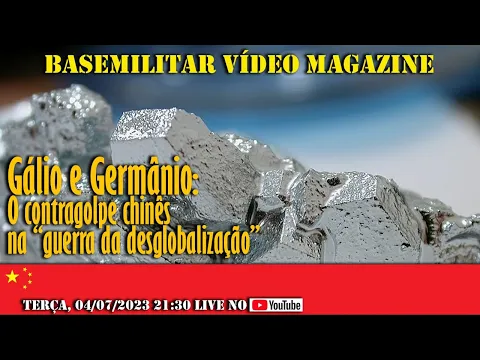

With the restrictions, prices skyrocketed. Gallium exceeded US$ 725 per kilogram, more than doubling in just a few months. Germanium also saw significant appreciation, though more moderate. This escalation reflected not only the scarcity but also the fear that new supply disruptions could occur at any time, affecting entire industries.
The Ore That Is Worth Gold For Semiconductors
The strategic importance of gallium and germanium has led experts to refer to them as the ore that is worth gold for semiconductors. These elements are fundamental for producing cutting-edge technologies, such as high-efficiency solar panels, radars, lasers, night vision systems, optical fibers, and even medical equipment.
Gallium is primarily used in the form of gallium nitride (GaN), an advanced semiconductor material that replaces silicon in applications where higher thermal and electrical performance is required. Germanium is widely used in sensors, precision optics, and space solar panels.
Without these elements, critical technologies like 5G networks, satellites, and military systems would be compromised. Therefore, securing the supply of these inputs has become a priority for major powers.
Opportunities And Potential For Brazil With The Ore That Is Worth Gold
Despite the high demand and rising valuations in the global market, Brazil has yet to commercially explore any gallium or germanium projects. However, there are clear indications that the country has reserves with economic potential.
The national highlight is the Caladão project, located in the Carajás region of Pará. Initial studies have identified significant gallium presence associated with bauxite and zinc ores. This discovery positions Brazil among the few countries with real chances of developing an integrated chain for the extraction and refining of these elements.
According to researchers from USP and the mining sector, the country has favorable geological characteristics and could become a strategic supplier of critical minerals — provided there is investment in infrastructure, technology, and research.
Barriers To The Exploration Of Gallium And Germanium In Brazil
The path to turning potential into reality, however, is still long. Brazil faces significant hurdles that hinder effective entry into this highly competitive market.
Geological Exploration Still Limited
Projects like Caladão require in-depth drilling, robust technical studies, and assessments of economic and environmental viability. The licensing process, complex and time-consuming, also represents a bottleneck for project evolution.
Lack Of Refining Structure
Currently, Brazil does not have industrial units specialized in gallium and germanium refining. The separation of these elements requires advanced chemical processes and high-precision equipment, which are still not available in the country.
Lack Of Incentives And Investments
To make a refining plant viable, approximately US$ 50 million would be needed. Although this amount is modest compared to large mining projects, the technological risk and lack of market guarantees deter investors. Public incentives, strategic partnerships, and stable regulatory frameworks are essential to attract capital.
International Pressure And Brazil’s Geopolitical Potential
The international landscape is clear: major economies want to diversify their suppliers of strategic minerals. Dependence on China has become a risk, and countries like the United States, Japan, South Korea, and members of the European Union are seeking new bilateral agreements.
Brazil, with its mining tradition, established port infrastructure, and qualified human capital, has a real chance of entering this new supply route. The federal government has already announced plans to reposition the country in the critical minerals chain, focusing on rare earths, lithium, niobium, and now gallium and germanium.
Among the initiatives are programs for geological mapping, credit lines for innovation, international cooperation agreements, and encouragement of sustainable production.
Can Brazil Lead The New Race For Strategic Minerals?
The global race for technological autonomy has transformed gallium and germanium into the new protagonists of mineral geopolitics. As the world becomes increasingly digital and automated, the demand for these elements is expected to grow exponentially over the coming decades.
Brazil has a unique opportunity: to turn its mineral potential into international prominence. To do so, it needs to move from the sidelines to action. This includes making extraction projects viable, investing in refining plants, forming strategic partnerships, and fostering research and innovation in the mineral sector.
The ore that is worth gold is present in Brazilian soil. The lingering question is whether the country will have the ambition, strategy, and commitment necessary to turn this wealth into global influence.








-

-

2 pessoas reagiram a isso.