





 Portuguese
  English
  Spanish
  4 min of reading
  0 comments


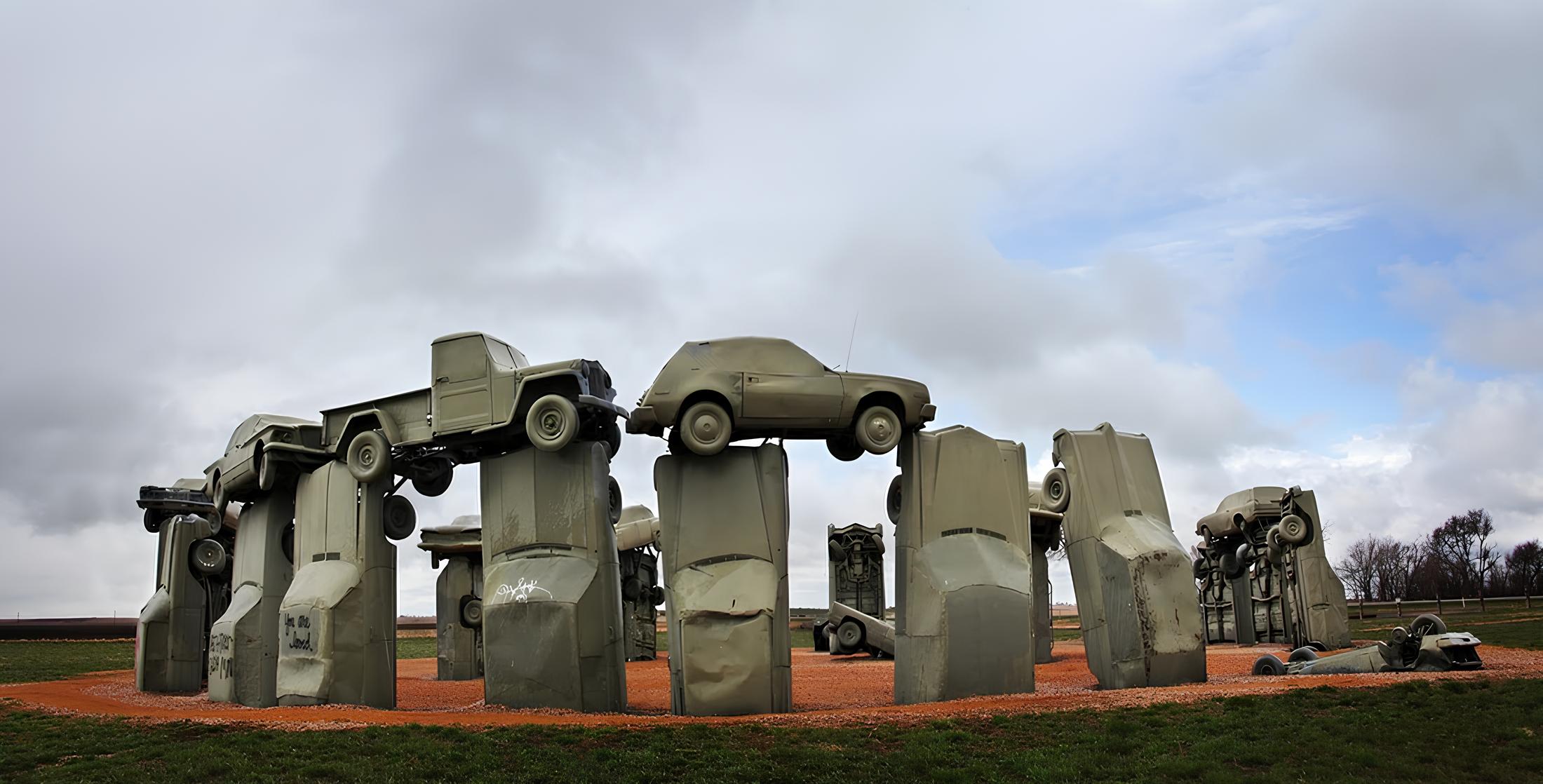
Carhenge: Monument With 38 Old Cars That Imitates Stonehenge in Nebraska Welcomes 60 Thousand Tourists a Year and Became a Cultural Icon of the USA.
In the heart of the United States, in the state of Nebraska, there is a monument as improbable as it is fascinating: Carhenge. Built with 38 vintage cars painted gray and positioned to mimic the enigmatic Stonehenge of England, it has become one of the greatest automotive curiosities on the planet.
The site attracts an average of 60 thousand visitors a year, who travel to the city of Alliance to see this eccentric spectacle of creativity, history, and pop culture up close.
The Origin of Carhenge
Carhenge was created in 1987 by artist Jim Reinders as a tribute to his father. He and his family decided to build a memorial that was unconventional. Inspired by the mystical shape of Stonehenge, they decided to recreate the monument using something that was part of American identity: abandoned vintage cars.
-
After decades out of the spotlight, Citroën is preparing to bring back the legendary 2CV as a low-cost electric vehicle, betting on the revival of one of the most popular cars in history and aiming to enter the race for affordable compact cars.

-
The 2026 electric Vitara arrives in Brazil and proves that Suzuki is not leaving: 4×4 traction, 184 hp, 61 kWh LFP battery, 293 km range, R$ 259,000, and a trunk capacity of 224 L.

-
Hyundai has unveiled the Boulder, a square SUV with a body-on-frame design, 37-inch mud tires, and carriage-style doors that seems to be made to take on the Ford Bronco and the Scout Traveller in the United States.

-
The Toyota Hilux is R$ 75.5 thousand cheaper and bets on the 2.8 turbodiesel engine with up to 204 hp and 50.9 kgfm to catch up with the VW Saveiro, which leads with 4,472 sales.


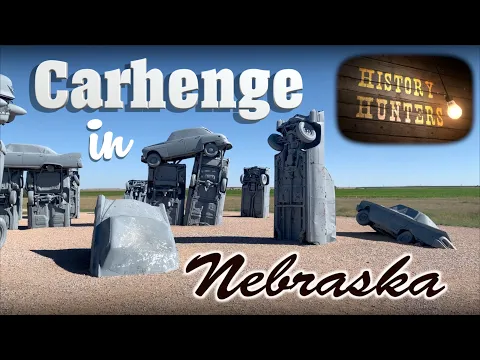

The 38 vehicles, mostly from the 1950s and 1960s, were sunk into the ground or stacked in a circle, following the same layout as the stones of Stonehenge. To add even more realism, all were given a coat of matte gray paint, resembling the appearance of the ancient rocks of England.
What the Automotive Monument Looks Like
Carhenge has a diameter of about 29 meters, the same measurement as the original British circle. Some cars were buried vertically, like columns, while others were placed horizontally on top of them, mimicking the so-called lintel stones.
The result is a surreal mix of scrap and art that quickly attracted the attention of the international media.
What started as a personal tribute ended up becoming one of the most curious tourist attractions in the USA.
From Oddity to Worldwide Fame
When it opened in 1987, Carhenge generated controversy. Part of the local population considered the work an aberration, a “car cemetery” in the open field. Over time, however, the attraction won over the public and became recognized as a cultural icon of Nebraska.
Today, the monument appears in tourist guides, TV programs, and even documentaries about American creativity. It’s common to see caravans of car enthusiasts and curious visitors from around the world posing for photos in the circle of cars.
A Pop Symbol in the American Midwest
More than just an art installation, Carhenge turned into a pop symbol. It represents the blend of American passion for automobiles with the cultural irreverence that transforms even scrap into art.
The monument also serves as a stage for seasonal events, such as summer solstice celebrations and local festivals, bringing together thousands of visitors. Its image has graced magazine covers, postcards, and even advertising campaigns.
The small town of Alliance, with just over 8,000 inhabitants, saw in Carhenge an opportunity to put itself on the map. The flow of visitors brought economic benefits, boosting local restaurants, hotels, and shops.
It is estimated that around 60 thousand tourists pass by the monument every year, making it one of the main tourist attractions in the state of Nebraska.
The success was such that the city hall took over the maintenance of the site, ensuring that Jim Reinders’ work remains preserved for future generations.
Carhenge Inspires Replicas and Debates About Art
The impact of Carhenge has not been limited to Nebraska. The monument has inspired artists from other countries to create similar installations, using cars as substitutes for stones or columns. Moreover, it is frequently referenced in debates about the definition of art, provoking discussions among critics, artists, and the general public.
For the locals, however, Carhenge is part of their identity — proof that creativity can transform even scrap into something of cultural and tourist value.
The Legacy of Carhenge
Today, nearly four decades after its construction, Carhenge remains one of the most eccentric monuments in the United States. For many, it is a reminder that art doesn’t have to be traditional to move and attract people.
By combining old cars and historical inspiration, Jim Reinders created something unique that challenges norms and proves that even the improbable can become memorable. Carhenge is, above all, a cultural capsule, where automotive history meets artistic imagination.










-

Uma pessoa reagiu a isso.