





 Portuguese
  English
  Spanish
  5 min of reading
  0 comments


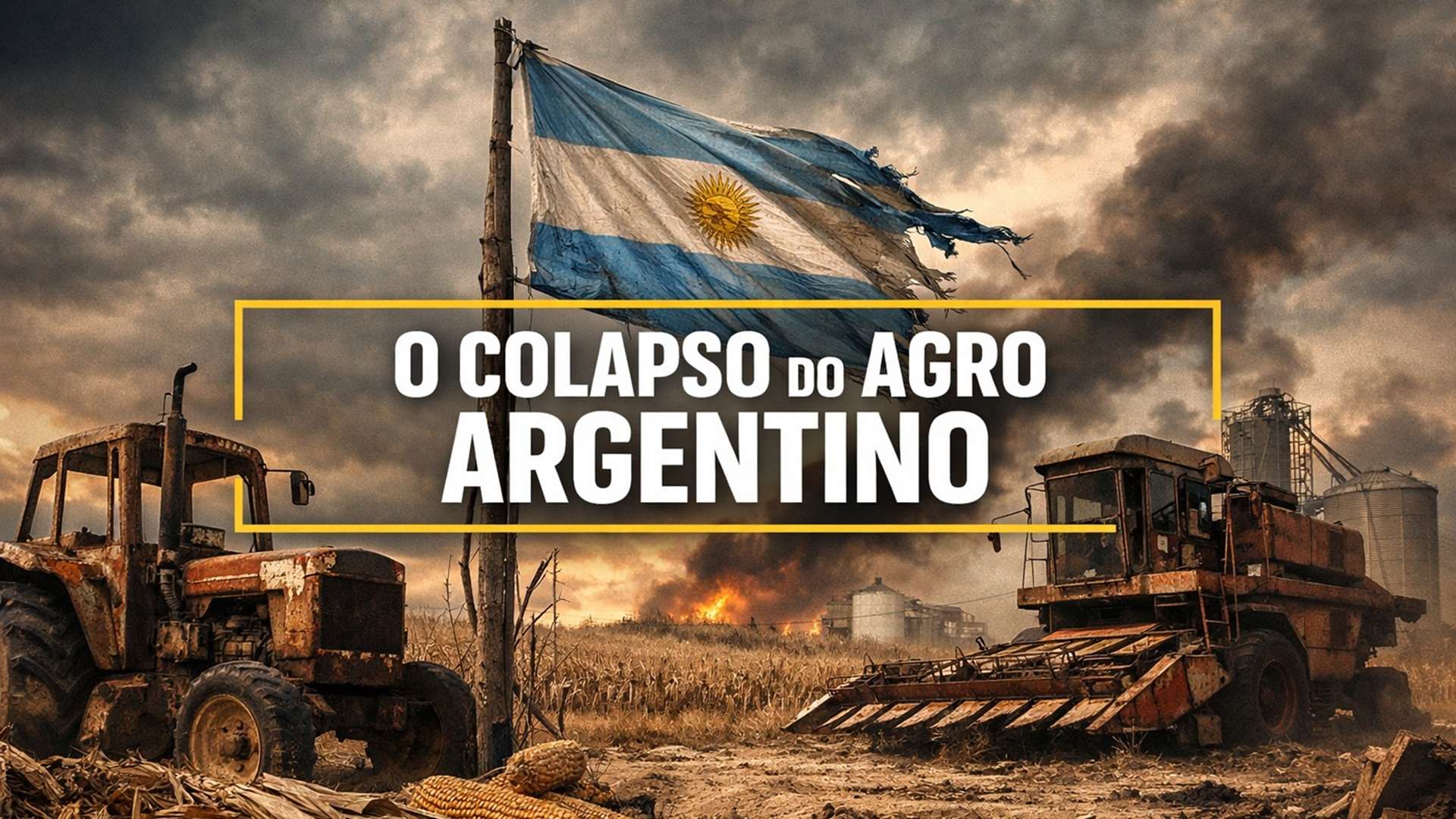
The Trajectory Of Argentina Shows How A Country That Led The Global Agriculture Surpassed Brazil For Decades And Was A Symbol Of Prosperity Managed To Disassemble Its Own Productive Base Due To Wrong Macroeconomic Choices Affecting Income, Production And Food Security
Argentina once ranked among the richest economies on the planet, led agricultural exports, and symbolized prosperity. Today it faces hyperinflation, rising poverty, and loss of competitiveness, trying to find its way again after decades of misguided macroeconomic decisions.
The Beginning Of The 20th Century And The Argentine Peak
At the beginning of the 20th century, Argentina had a per capita income comparable to Germany and higher than that of Spain, Italy, and Switzerland. It was the largest economy in South America and the sixth largest in the world.
The country earned the title of the world’s granary without exaggeration. It continuously exported food to Europe, Africa, and Asia, supported by deep soils, a temperate climate, predictable rainfall, and high agricultural productivity.
-
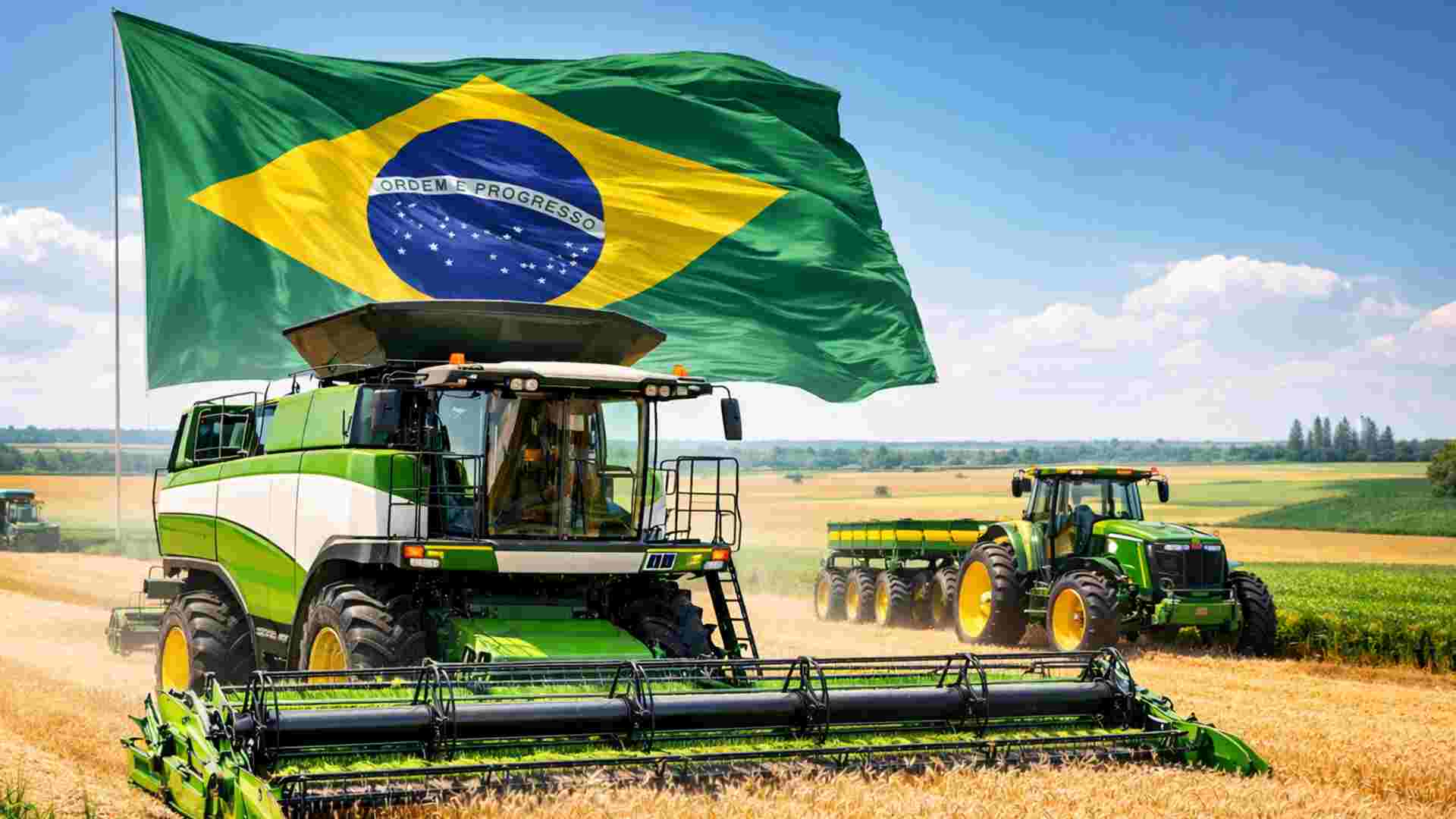
BNDES releases R$ 129 million for CNH Industrial Brazil to create more modern agricultural machines, with eight projects that include harvesters, accessible tractors, and a planter capable of applying seeds, fertilizers, and inoculants all at once in the Brazilian field.
-
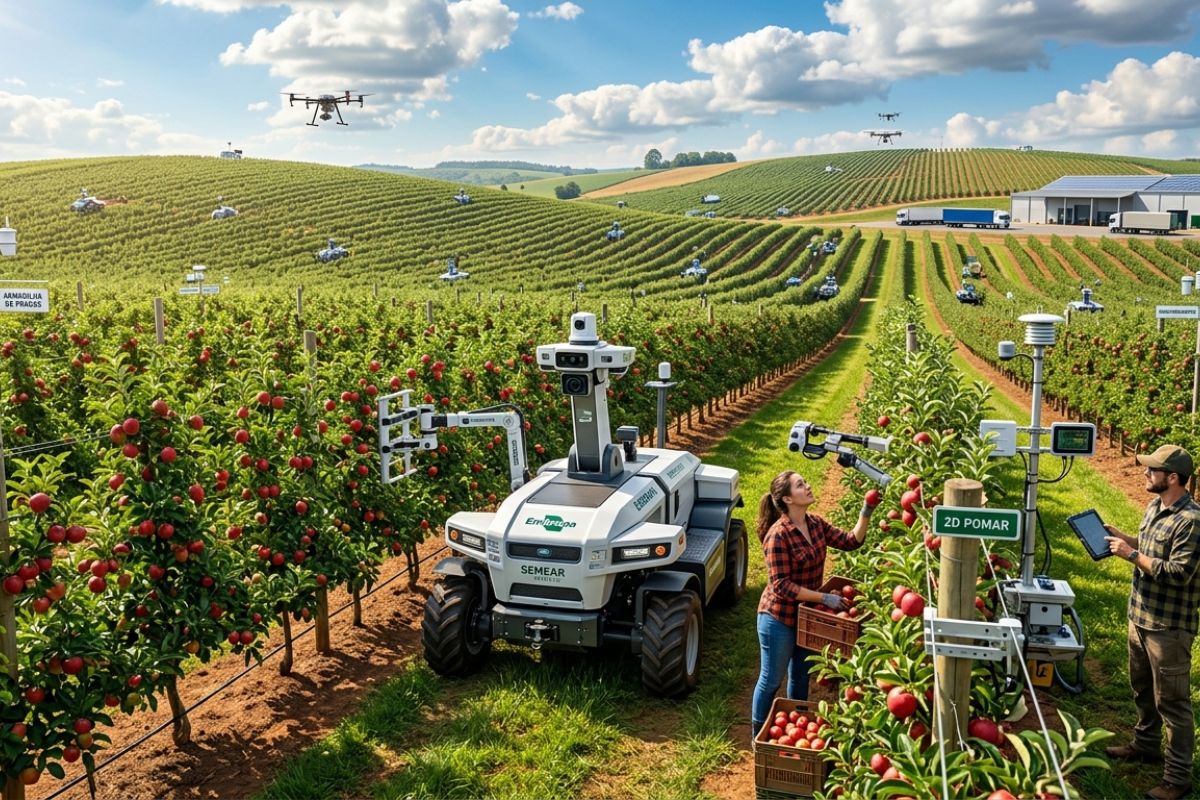
From manual harvesting to robotics: Vacaria, the apple capital, becomes an Embrapa laboratory in Semear Digital, with point-to-point mapping, pest traps, traceability, and 2D orchards to combat labor shortages.
-
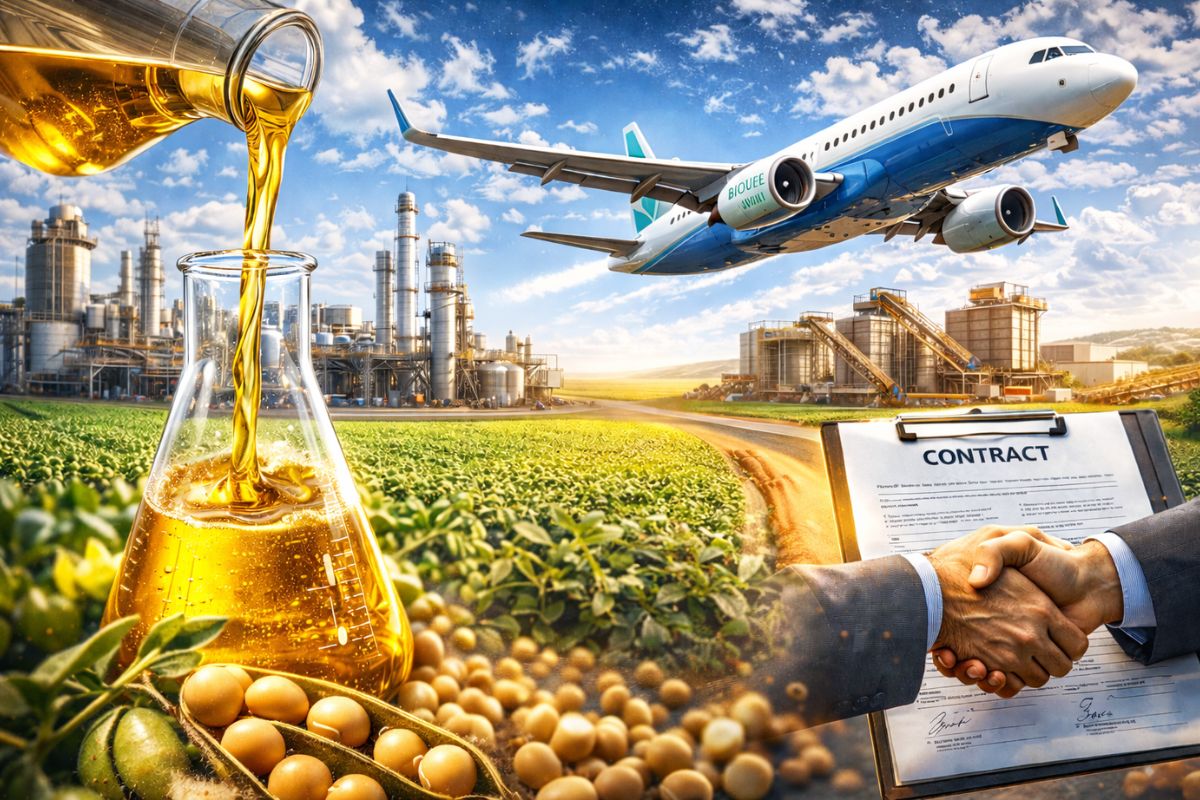
In 2026, Brazilian soy becomes airplane fuel: Corsia mandates SAF, oil gains a premium of 40% to 80%, biorefineries alongside crushing plants and long-term contracts remove the producer from the commodity discount.
-
Brazilian agribusiness advances in four countries at the same time, gains space to sell fruits to Cuba, and opens shipments of meat, seeds, and feed to new markets.

The strategic relationship with the United Kingdom boosted the livestock sector. For decades, nearly half of the meat consumed in London came from Argentine ports, transported by modern refrigerated ships.
Wheat, corn, wool, beef, and dairy products consolidated agricultural leadership. Argentine slaughterhouses were among the most advanced in the southern hemisphere, integrated into an efficient and innovative logistics system.
The Port of Rosario became a strategic export corridor for grains. The infrastructure was supported by an extensive railway network, one of the largest in the world in the 1920s.
Today, only one-third of this network remains operational. This deterioration summarizes what is called the Argentine cost, marked by poor logistics, high energy costs, heavy taxation, and constant regulatory instability.
The Beginning Of Economic Rupture
Despite structural problems, Argentina maintained competitiveness within the gate until the end of the 20th century. The rupture began in the 2000s, with profound changes in economic policy.
In 2002, withholding taxes were introduced, taxes on agricultural exports. Announced as temporary, they became permanent, repeating a common pattern in emergency fiscal policies.
In the case of soy, the withholdings reached 33%. Producers were penalized precisely at the moments of the best margin, compromising investment, predictability, and expansion of agricultural production.
This was compounded by strict currency controls, bureaucracy to export, and an artificial exchange rate. In various periods, the official dollar was worth only one-third of the parallel dollar traded in the market.
Between 2002 and 2023, cumulative inflation surpassed 70,000%. This environment eroded margins, disorganized investments, and destroyed the confidence of producers, companies, and international investors.
Direct Impacts On Agriculture
Before the interventions, soy and corn grew about 7% per year. After the changes, growth fell to 2% and subsequently hovered near zero.
Argentina’s share in the soy-corn complex dropped from 23% to 17%. During the same period, Brazil advanced from 17% to 40%, occupying the space left by its regional competitor.
Between 2002 and 2023, Argentina failed to produce approximately 95 million tons of soy, 60 million tons of corn, and 33 million tons of wheat, generating losses exceeding US$ 3 billion per year.
The ultimate symbol of the crisis occurred in 2023, when the country had to import soy. The once largest crushing plant in the world operated with over 50% idleness.
The tractor fleet shrank by 20%. The renewal of machinery hit the lowest level in five decades, reflecting economic insecurity and difficulty accessing capital.
Social And Productive Effects
In traditional regions such as Córdoba and Santa Fé, properties ceased operations. The cattle herd, practically stagnant since the 1970s, stopped growing.
Meat consumption, which had approached 100 kilos per person per year, halved. This reduction reflects real impoverishment and growing food insecurity.
In the 1970s, poverty was around 4%. Currently, it is approaching 40%, representing almost ten times more people in a vulnerable economic situation.
The Macroeconomic Triangle And The Structural Error
The macroeconomic triangle sustains stable economies: floating exchange rate, fiscal responsibility, and inflation targets. Argentina dismantled two of these pillars.
The country began to spend more than it earned, increasing deficits and public debt. At the same time, it abandoned the floating exchange rate, attempting to artificially define the value of the currency.
Without these pillars, the economy lost reference, predictability, and confidence. Similar experiences have historically failed, regardless of the political or social context.
In Brazil, the triangle still exists, despite fiscal imbalances. The maintenance of a floating exchange rate has been crucial in avoiding deeper currency crises.
Producing Has Never Been The Problem
Between 2017 and 2021, according to CEPEA, the operational cost of soy in Argentina was US$ 269 per hectare, the lowest among major producers.
In Brazil, the cost exceeds US$ 50 per hectare. Productivity per Argentine worker has always been high, showing that the problem was not within the farm.
The bottleneck was outside the gate, in unstable macroeconomics, erratic political policies, and legal insecurity, which hindered planting, selling, and investment decisions.
Producing well without being able to sell with predictability is a systemic risk. The Argentine case illustrates how macroeconomic policies can destroy efficient production chains.
Brazil And Argentina, Opposite Paths
While Argentina faced retraction, Brazil expanded its second crop corn, consolidated the Cerrado, developed Matopiba, and invested in agricultural technology.
Precision agriculture, rural connectivity, geotechnology, climate management, and the use of drones boosted productivity and Brazilian competitiveness.
Today, Brazil accounts for about 65% of agricultural production in South America. Argentina participates with approximately 26%, reflecting divergent economic trajectories.
Even with misguided decisions over time, Brazil has shown greater structural resilience, sustained by the scale of agribusiness and capacity for adaptation.
The Milei Government And Adjustment Attempts
President Javier Milei inherited a country with 140% inflation, depleted international reserves, and widespread impoverishment.
Fiscal adjustment measures and economic reorganization placed agribusiness back at the center of national strategy, as it is the sector capable of generating foreign currency quickly.
Generating foreign currency means exporting, bringing dollars in, and rebuilding economic confidence. Recent signals indicate improvement, although the structural challenges remain enormous.
Argentina is trying to get back on track, but it is still far from regaining the lost prominence on the Latin American and global stage.
Lessons For Brazil
The Argentine trajectory offers a clear warning. Erroneous macroeconomic decisions have lasting effects on production, income, investment, and food security.
More than political disputes, what defines the economic future are interest rates, exchange rates, fiscal responsibility, and legal security—factors that directly impact the population’s pocket.
Observing the mistakes of the neighbor is crucial to avoid repeating them. The economy responds to fundamentals, not speeches, and agribusiness feels these effects first.
In electoral years, understanding economic proposals is decisive. The Argentine history shows that dismantling macroeconomic pillars comes at a high, prolonged, and socially painful cost.









-

-

3 pessoas reagiram a isso.