





 English
  Francês
  Alemão
  Italiano
  Japonês
  Norueguês
  Portuguese
  Spanish
  5 min of reading
  0 comments


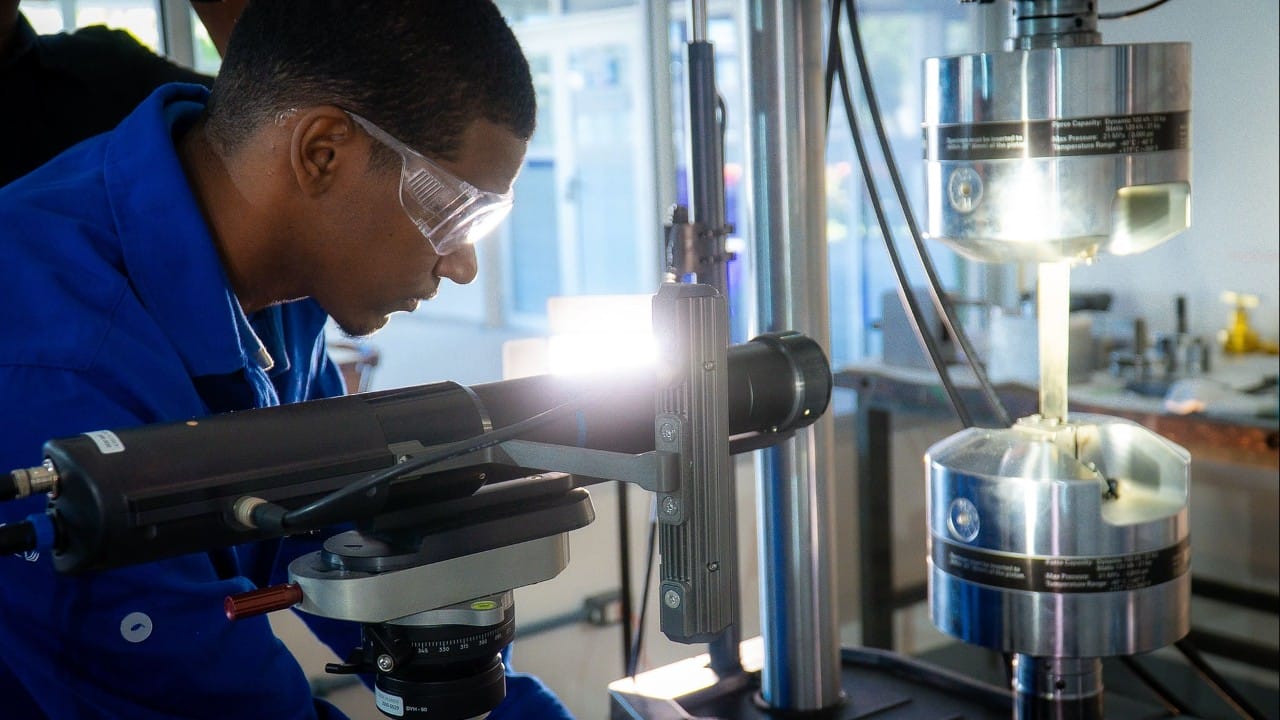
Council Leads New Industrial Policy Focused on Health, Decarbonization and Digital Transformation, Promoting Benefits for Society.
The National Industrial Development Council (CNDI) was reactivated in 2023, with the proposal to build a new Industrial Policy. This initiative, led by the Ministry of Development, Industry, Commerce and Services (MDIC), aims to create thematic missions that bring benefits to the Brazilian population.
The missions address topics such as sustainable agro-industrial chains, resilient health complex, sustainable infrastructure, digital transformation of industry, decarbonization of industry, critical technologies, and sustainable housing and mobility.
An Industrial Policy involves actions that unite the public and private sectors to promote the growth of a country’s industrial sector. This strategy aims to provide gains in competitiveness for companies and increase employment for the population. To formulate an Industrial Policy, it is necessary to undergo a long path that involves building a strategic vision and collaborating with various market players.
-
Historic bankruptcy of Centauro shocks the market, and the century-old company puts more than 500,000 products, machines, and complete infrastructure up for online auction.

-
New shoe factory in Ceará is expected to create 400 jobs and strengthen the local economy.
-
No one imagined it, but a mixture of sawdust with a mineral that fights fires surprises scientists with a result that changes the course of fire-resistant construction.

-
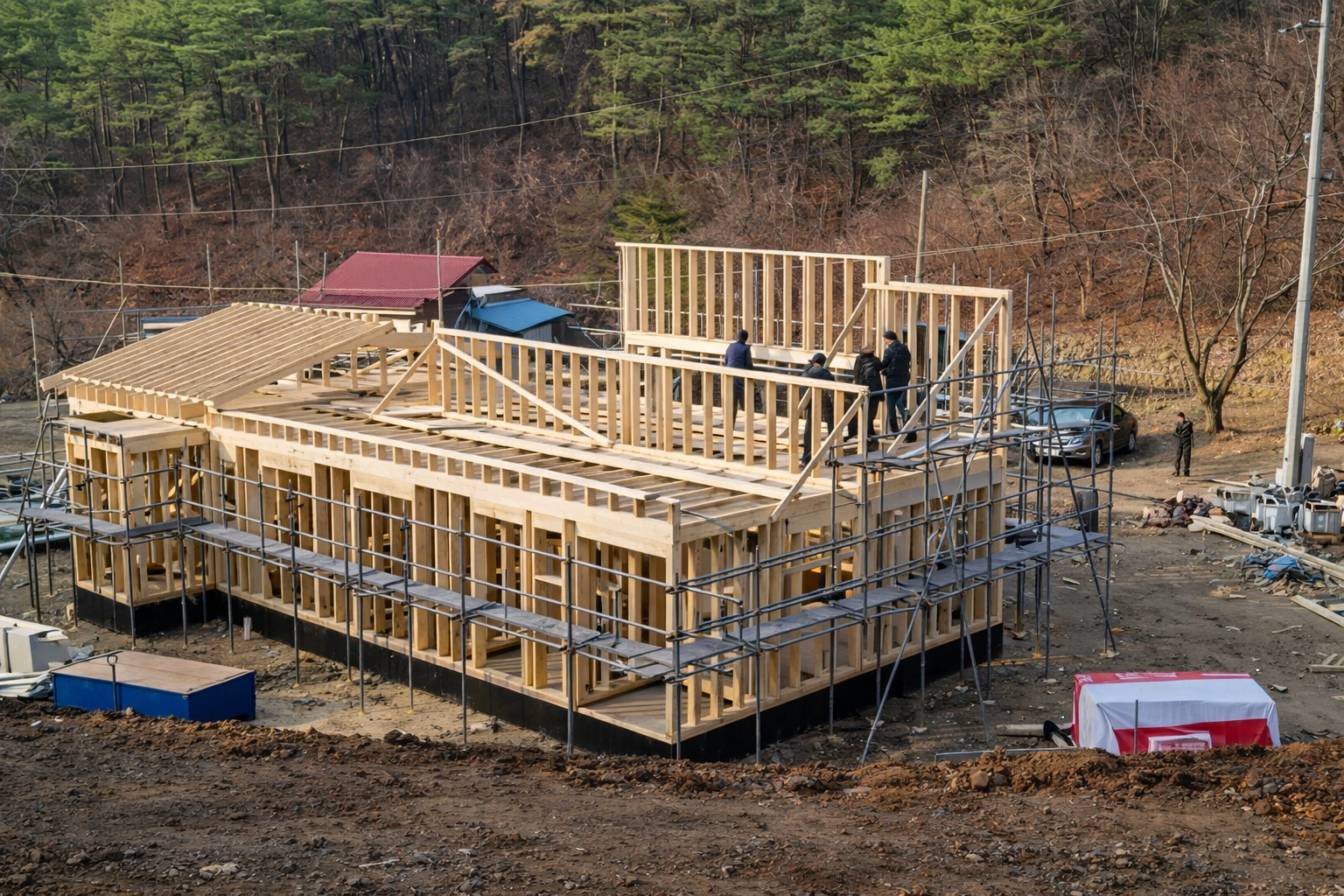
From empty land to a high-end house, wooden construction uses a lightweight system, metal structure for the foundation, ventilated ceramic cladding, and special windows to create an efficient and comfortable living space throughout the year.

Industrial Policy: International Response to Global Challenges
Around the world, coordinated actions by national governments aimed at directing industrial systems to respond to major issues, such as digital transformation and decarbonization, are becoming increasingly common.
One example is the Energiewende, formulated by Germany, focused on energy transition with an emphasis on renewable sources. The mission consists of targets for reducing energy consumption and greenhouse gas emissions, and increasing the number of electric cars, among others. Actions include training producers of machines and electronic equipment and technological development in the electric mobility sector. The coordination of five multi-sector thematic platforms is governmental, and funding relies on public resources.
Contemporary policies seek not only to develop technological solutions or support companies in conquering global markets, but also to achieve relevant social goals, such as environmental preservation, sanitary, food and energy security, urban mobility improvement, and respect for the imperatives of national sovereignty.
Industrial Development Policy: Strategy and Commitments
In the Industry Recovery Plan, the National Confederation of Industry (CNI) identified opportunities and challenges, such as the need to develop a low-carbon economy and digital transformation, capable of increasing productivity in companies. The plan proposes 4 missions:
- Decarbonization: develop a low-carbon economy, with incentives for decarbonization of industry, energy efficiency, and promotion of bioeconomy and circular economy.
- Digital Transformation: enable Brazilian companies, especially small and medium-sized enterprises, to expand their market scale and thus qualify to participate in global supply chains.
- Health and Sanitary Safety: universalize access and promote competitive development of the production and export chain for medicines, vaccines, tests, protocols, equipment, and services.
- National Defense and Security: support the development of strategic links in the defense and national security industrial complex chains, focusing on dual-use technologies.
Economic Policy for Industry: Challenges and Solutions
For them to advance, it is also necessary to address structural issues that hinder the competitiveness of the Brazilian productive sector, such as the Brazil Cost. It is estimated that this set of structural, bureaucratic, labor, and economic difficulties removes R$ 1.5 trillion per year from companies located in the country, representing about 20.5% of GDP.
The Working Group for Reducing the Brazil Cost of the CNDI defined 17 priority projects to tackle these barriers, based on 1,283 suggestions presented by 101 entities, including the CNI. The proposals range from regulating tax reform on consumption, establishing a carbon market, and concluding trade agreements with strategic partners to normative advancements on infrastructure issues, such as energy and transport.
Digital Transformation and Low-Carbon Economy: Differentiators for Industry
In addition to MDIC, the government side includes the ministries of the Civil House, General Secretariat of the Presidency, Science, Technology and Innovation, Finance, Foreign Affairs, Planning and Budget, Integration and Regional Development, Environment and Climate Change, Mines and Energy, Agriculture and Livestock, Agrarian Development and Family Agriculture, Labor and Employment, Health, Education, Defense, Ports and Airports, Communications, Public Service Management and Innovation, and the National Bank for Economic and Social Development (BNDES).
Another 16 institutions may participate in CNDI meetings but without voting rights. This group includes other entities from productive sectors and organizations such as the Institute of Applied Economic Research (Ipea), National Confederation of Health, Hospitals, Establishments and Services (CNS), the National Confederation of Agriculture and Livestock of Brazil (CNA), and Fiesp, as well as companies like Gerdau and Petrobras.
Technological Development and Circular Economy: Innovation at the Focus of Industry
The objective is to increase the supply of nutritious and diversified food using biotechnology, enhancing the nationalization of bioinputs; reducing external dependence on machines, agricultural implements, fertilizers, and inputs; and developing digital equipment and solutions for the field and for monitoring biomes.
The focus is on increasing autonomy in critical technologies for domestic production of vaccines, medicines, and medical equipment; developing products for the prevention and treatment of diseases; and developing information and communication technologies for the health sector.
In order to contribute to neo-industrialization, the new multiannual plan for 2024 to 2027 aims to
stimulate 50 programs from 24 ministries. In addition to organizing thematic missions, the principles of the new industrial policy are:
- Socioeconomic inclusion;
- Equity, particularly in gender, color, and ethnicity;
- Promotion of decent work and income improvement;
- Productive and technological development and innovation;
- Increased productivity and competitiveness;
- Reduction of inequalities, including regional ones;
- Sustainability; and
- Qualified international insertion.
Conclusions and Investments in the New Industrial Policy
At the first meeting of the CNDI, in July last year, the federal government announced R$ 106.16 billion over the next four years as a form of stimulus for its development in areas considered strategic for the country. The resources will come from BNDES, Finep, and Embrapii — most are credit lines or financing, and there are also innovation support funds.
Another relevant action will be the facilitation of credit to finance the production of national goods aimed at export.
The discussions (and suggestions) presented by the working groups of the Council are the basis for building a new industrial policy, but some initiatives are already underway.
There are R$ 2.037 billion for the digital engagement of 200,000 industries, with direct support to 93.1 thousand companies until 2027. For this, SENAI developed a platform with virtual access to materials, courses, and tools on productivity and digital transformation to promote continuous learning and application by companies.
- Learn more here
Another initiative in line with combating the Brazil Cost is the program More Innovation Brazil, announced in August last year. A total of R$ 60 billion is made available by BNDES and Finep for innovation projects aimed at the productive sector. The program also includes five calls for financing projects in the areas of energy transition, bioeconomy, infrastructure, and mobility.
Source: Portal da Indústria









Seja o primeiro a reagir!