Portuguese
  Spanish


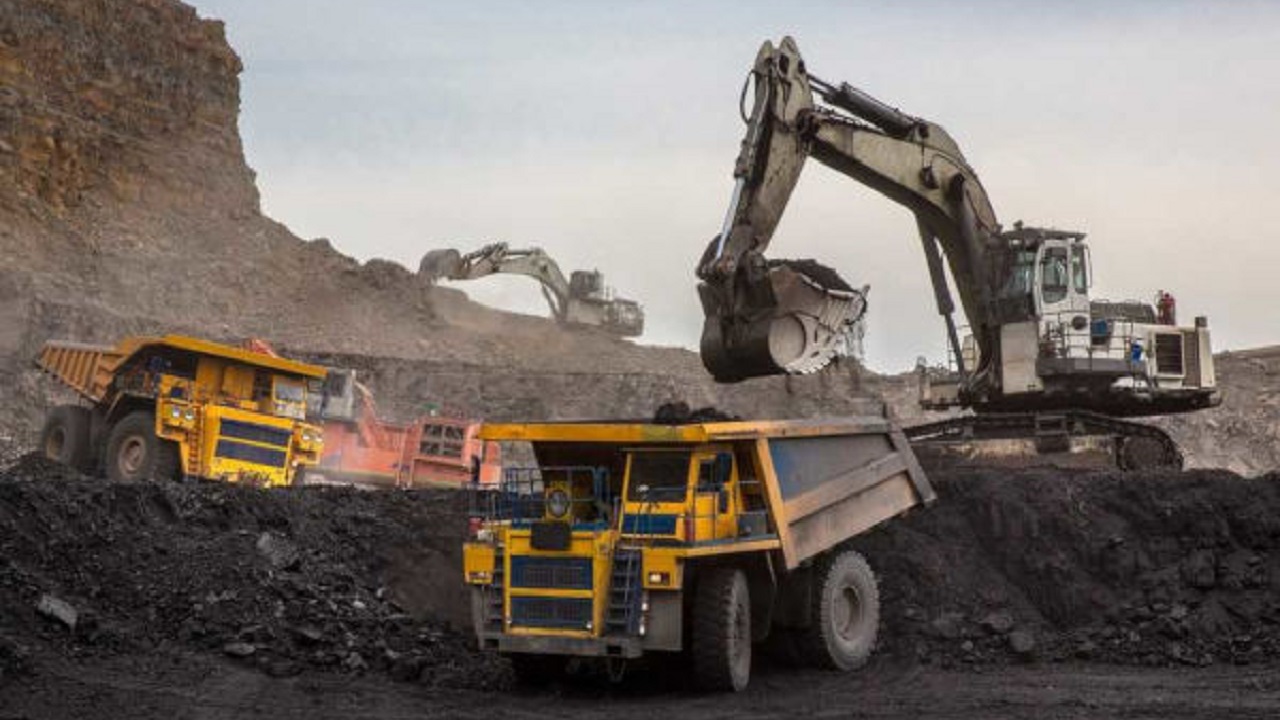

The Mining Sector Represents Today 5% of Brazilian GDP. This Means That, Despite the Negative Economic Scenario That the World Faces with the Pandemic, the Brazilian Mining Industry Grew in 2020
Mining has been present in Brazilian lands since the time of colonization. To be more precise, the search for valuable metals and gemstones began in the seventeenth century, marking the first socioeconomic activities of the mining sector in the country. With mineral exploration, Brazil underwent significant economic transformations, and a new economic hub grew, mainly in the Southeast.
Read Also
Currently, mining companies contribute significantly to the generation of direct and indirect jobs, in addition to having a substantial participation in tax collection. According to data from the Ministry of Labor and Employment, the mineral extraction sector started the second half of 2019 with 173,642 workers and ended with 175,942, generating 2,300 new job positions. In 2020, in the city of Parauapebas, Pará, nearly 7,600 new hires were registered, and this number has been increasing in all regions where extraction companies exist.
According to the IBRAM – Brazilian Mining Institute – the mining sector represents today 5% of Brazilian GDP. In the sector’s balance for 2020, recently released by the institute, R$ 66.2 billion in taxes, fees, and charges were collected for the public sector, in addition to R$ 6.08 billion from the Financial Compensation for the Exploration of Mineral Resources (CFEM), which resulted in total taxes paid amounting to R$ 72.2 billion. Furthermore, the sector earned R$ 208.9 billion (excluding oil and gas) in 2020, which is 36.2% more than in 2019.
-
Has the charge for sitting together ended? Anac confirms that minors under 16 have the right to a seat next to their guardians without an extra fee, and airlines may be penalized for failing to comply with the new rule.

-
After nearly two decades in operation, the Grupo Dass shoe factory ends production, confirms 150 layoffs, and shows how the drop in orders changed everything.

-
Pizza Day highlights a curious contrast in Brazil: while 13 new pizzerias open every day, the price of mozzarella skyrockets, and the country’s most beloved dish weighs increasingly on family budgets.
-
It’s official: Petrobras takes 75% of block 3 in São Tomé and Príncipe and debuts as an offshore operator outside South America.


Development of Brazil X Development of the Mining Industry
With the advancement of mining in Brazil, technology has also developed, and important inventions such as the steam engine, condenser chamber, locomotive, safety lamp, and even dynamite were created to assist in the work done in mining industries, optimizing extraction and logistics processes. And even today, these technological advancements occur around mining companies.
Indeed, the development of the mining industry has brought and continues to bring numerous benefits for the development of Brazil: job creation, influence on national GDP, economic balance, new industrial technologies, among other advantages. However, all these benefits and growth come at a cost, which is often borne by the environment.

Daniel Petta is the Key Accounts Manager for Mining and Steel at Fluke do Brasil, a global leader in testing and measurement tools present in various segments of the industry.
Mining, despite being essential for the socioeconomic development of the country, presents great potential for negative environmental impacts when conducted improperly, whether due to lack of planning or absence of oversight. Since colonial times, there have been historical records of landscape degradation, deforestation, pollution and contamination of water resources, environmental pollution, soil contamination and compaction, loss of biodiversity, among other factors that directly affect the environment.
However, Brazil currently has several agencies responsible for overseeing mining activities, as well as compliance with regulations regarding the exploration of mineral resources, such as the Ministry of the Environment (MMA), the Ministry of Mines and Energy (MME), the Geological Service of Brazil, and the Brazilian Institute of Environment and Renewable Natural Resources (Ibama).
The Future of the Mining Market for Fluke
The mining market is one of the main focuses for the Brazilian economy. Due to being promising consumers, mining companies are considered one of the sectors with the largest mix of products sold to the market. The different areas within a mining plant and the exchange of experiences with each of them enable the identification of new application opportunities for products and contribute to the development of new tools for the segment, thus driving the Brazilian industrial market.
Despite the negative economic scenario the world faces with the pandemic, the Brazilian mining industry grew in 2020, and the expectation this year is that Brazilian companies will continue to invest in extractive growth and imports, as the government is working to grant new exploration releases. Therefore, the trend is that the mining industry will have an increasingly positive impact on the Brazilian market, contributing to the technological and socioeconomic development of the country.
Source: EPR Comunicação