






 Portuguese
  Spanish
  3 min of reading
  0 comments


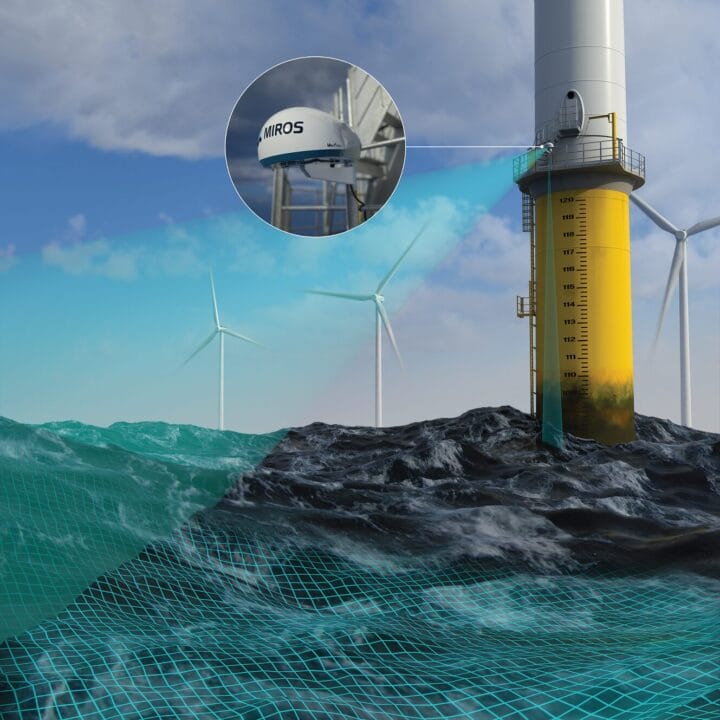
Miros Brings Next-Generation Wave Motion Forecast to Market, With Key Offshore Clients Being the First to Adopt the Technology.
With the rise of Marius Five Aarset as CEO of Miros in early 2023, digitalization has become a key priority for the company. Aarset set three main objectives for the year, including the drive to modernize Miros’s cloud technology and the business-as-a-service model, reflecting the importance of digitalization for the company’s future. Focusing on digitalization, Miros continued to record solid growth in contracts in 2023, exceeding expectations and reaching different geographies and markets. Aarset emphasized that the trust established in cloud-based technologies is encouraging collaboration among partners, driving business-led innovation, and shaping the ongoing development of the company’s technology. As part of the effort to stay ahead of the curve, Miros is bringing to market next-generation wave and vessel motion forecasting, with key offshore clients being the first to adopt the technology.
Jonas Røstad, Commercial Director of Miros, highlighted the importance of business-led innovation and digitalization in the offshore space, stating that 2023 has been a truly groundbreaking year for digitalization adoption. He noted that the business-as-a-service model offered and continuously enhanced by Miros since 2018 has been recognized and valued by future-oriented companies, driving business outcomes and elevating safety, sustainability, and performance in maritime operations. Røstad also expressed enthusiasm about the future, announcing plans to make an announcement to the maritime industry next year, highlighting the company’s ongoing commitment to digitalization and innovation to drive future success.
Benefits of Digitalization in Modernizing Maritime Operations
Digitalization is key to innovation and modernizing maritime operations. With advancements in technology, it is possible to adopt cloud-based solutions and services that enable accurate measurements of the ocean surface, wave motion forecasting, and oil spill detection. Furthermore, digitalization enables the adoption of renewable energy and the development of strategic partnerships for the sector.
-
Oil production grows in Rio, but reserve replacement raises a warning sign

-
Petrobras is expected to complete the drilling of the Morpho well in the Foz do Amazonas in August 2026, the first well in the Equatorial Margin, an oil frontier that the ANP estimates at more than 30 billion barrels and could redraw the map of Brazil.

-
Oil returns to the center of concerns with tension between the US and Iran

-
IEA reduces forecast for global oil demand in 2026 after impacts of the Middle East crisis



Main Objectives of Digitalization in the Maritime Industry
The main objectives of digitalization include increasing operational efficiency, reducing costs, and optimizing processes. Cloud technology plays a critical role in this journey, enabling the delivery of solutions as a service and the modernization of contracts and operations.
Developing Digitalization Solutions for the Maritime Sector
Cloud-based technology developers are focused on creating customized solutions that meet the specific needs of maritime operations. This includes the development of more efficient oil spill detection systems as well as enhancing wave motion forecasts.
Strategic Partnerships for the Adoption of Digitalization
Collaboration between companies in the maritime sector is essential to driving the adoption of digitalization. Strategic partnerships can accelerate the development and implementation of innovative solutions, bringing benefits to the entire industry.
The Importance of Digitalization for the Future of Maritime Operations
Digitalization is essential for the future of maritime operations as it enables modernization and the adoption of advanced technologies that ensure the sustainability of the sector. Utilizing cloud-based technologies and implementing solutions as a service are critical aspects for the success of maritime operations.
Source: World Oil





Be the first to react!