





 Portuguese
  English
  Spanish
  3 min of reading


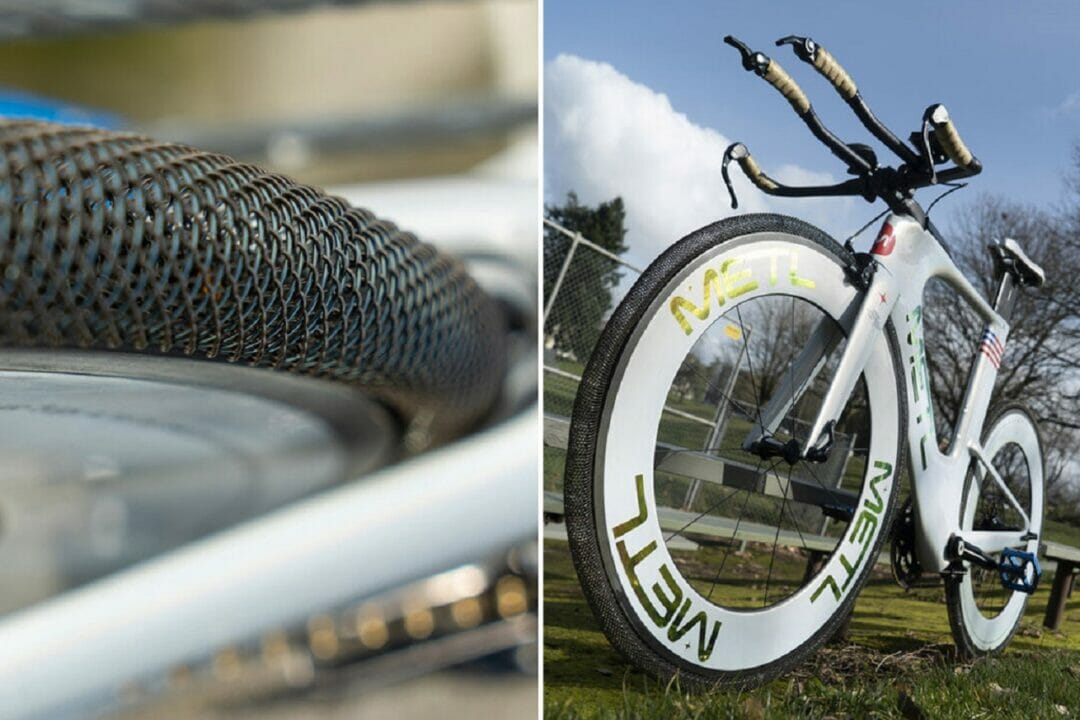
The First Bicycle Tire That Uses NASA Technology Is About to Hit the Market. The Technology of the Tire That Lasts Forever Uses a Flexible Nickel-Titanium Alloy.
The first bicycle tire made of nitinol, a flexible nickel-titanium alloy developed by the National Aeronautics and Space Administration, is about to hit the U.S. market. The NASA tire, named Metl, changes shape to withstand adverse conditions like intense heat, won’t puncture, and promises to last a lifetime. At least that’s the promise from the manufacturer, The Smart Tire Company.
NASA Tire That Lasts Forever Costs US$ 500
Each tire weighs about 400g and features colored or clear coils. According to the company, they are easy to install on standard road bikes. Although its construction is made from a metallic memory alloy, the tires provide grip due to an integrated tread capable of running for almost 13,000 km.
The eventual replacement of the tread costs US$ 10 per tire. The NASA tire offers a light and smooth ride, with superior handling and durability, according to The Smart Tire Company.
-
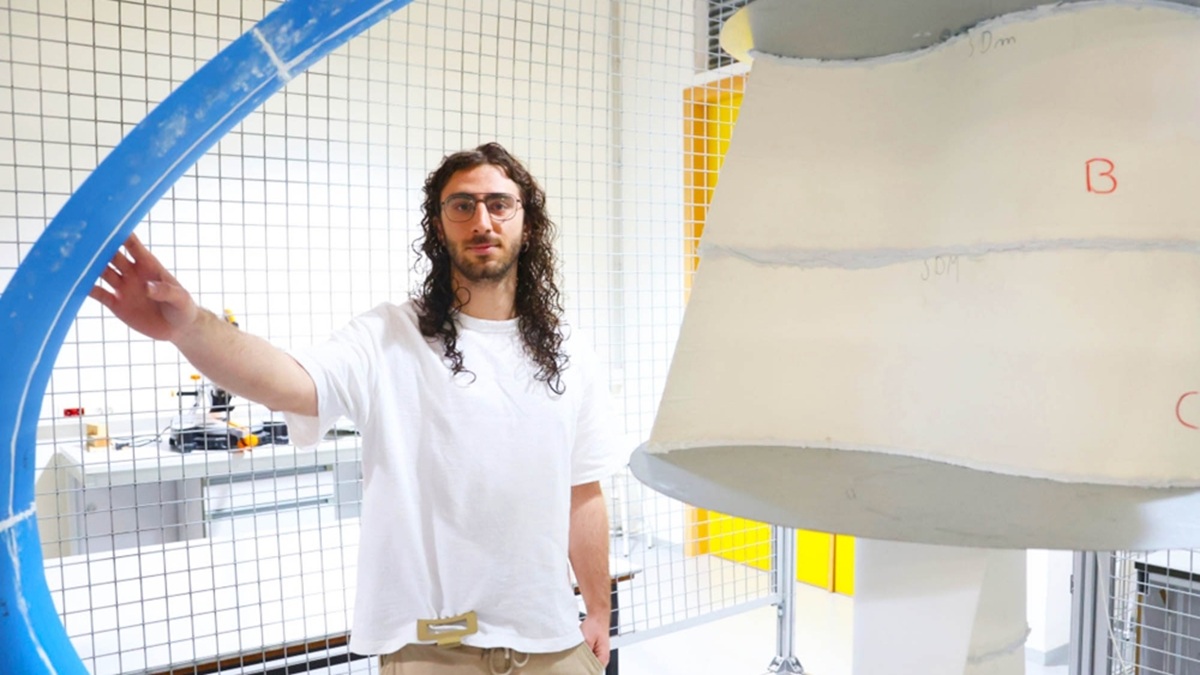
After 10 months of work and six months of almost total dedication, a student creates a wind turbine that exceeds 500 revolutions per minute and could help lower electricity prices in urban areas.
-
Brazil exposes critical fragility in air defense, says site. With few Gepard, Igla-S, and RBS 70 systems, the country does not cover medium altitude and remains vulnerable to drones, missiles, and attacks that cause billions in recent wars.

-
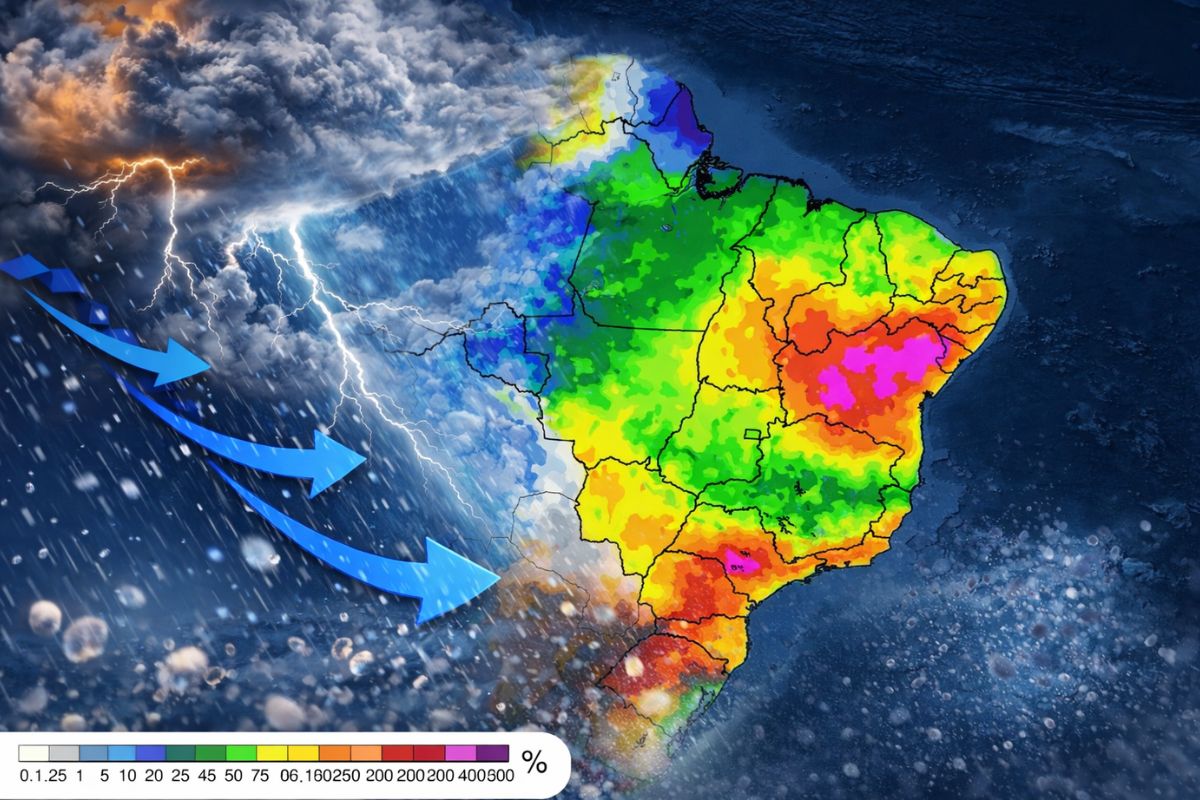
The truce after the last cyclone is over: a new cold front is hitting five states between Saturday and Sunday with up to 100 millimeters of rain, risk of hail, and wind gusts that could cause damage from Rio Grande do Sul to São Paulo.
-
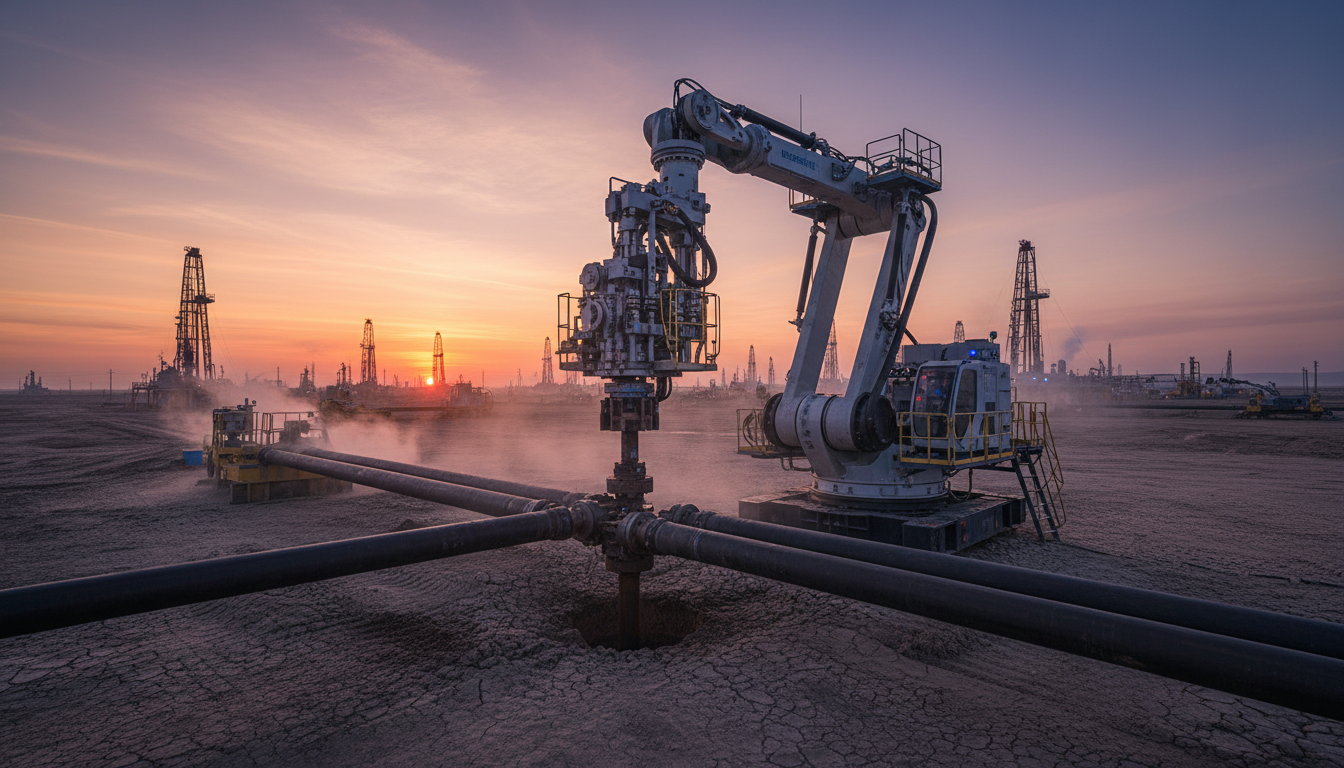
Robots already operate oil rigs without humans, connect pipelines on their own, and inspect platforms in the dark, and the world’s largest drilling company plans to cut 75% of the crew at each well.
For now, the innovative bicycle tire is being sold only through the crowdfunding platform Kickstarter and has not yet reached retail. A pair sells for US$ 500, equivalent to R$ 2,445 at current exchange rates without adding taxes.
The price is almost ten times more expensive than standard bicycle tires sold in the American market. The product will also be available in pre-assembled packages with aluminum or carbon rims, in which case the price increases even more to US$ 1,300 and US$ 2,300, respectively.
NASA Tire That Lasts Forever Is Not Filled with Air
The bicycle tire, developed to never puncture, is the result of a collaboration with NASA, which previously used similar technology in its planetary rover vehicles. This choice was logical, as fixing a flat tire on the Moon or Mars would be extremely challenging.
It is essential to emphasize that, although technically it has no air, the tire that lasts forever is hollow, containing unpressurized air that is not necessary to maintain the tire’s shape.
At the core of each Metl tire is a spring-like a Slinky that surrounds the tire. This spring is made of a shape memory alloy called NiTinol, which has the strength of titanium while providing the flexibility of rubber.
When subjected to pressure, NiTinol initially deforms, but then returns to its original shape. This property allows the tire that lasts forever to compress and expand smoothly, providing a ride similar to that of a traditional tire.
Advantages of the New ‘Indestructible’ Tire
With this new NASA tire technology, cyclists will be guaranteed a smoother experience free of problems with flat tires. The collaboration with NASA underscores the reliability and durability of these innovative tires. As technology advances, The Smart Tire Company is at the forefront, providing a solution that eliminates the worry of facing flat tires on your cycling journey.
Additionally, the promise of tires that can last the lifetime of the bicycle makes this option even more appealing to cyclists of all levels. Metl bicycle tires are available in a variety of sizes to meet the demands of various styles of cyclists, from road to trail. This makes this technology accessible to a broad and diverse audience of cycling enthusiasts.






Seja o primeiro a reagir!