





 Portuguese
  English
  Spanish
  4 min of reading


Know What a Deep Sea Captain Is, Salary Range, and How to Pursue This Profession in Brazil
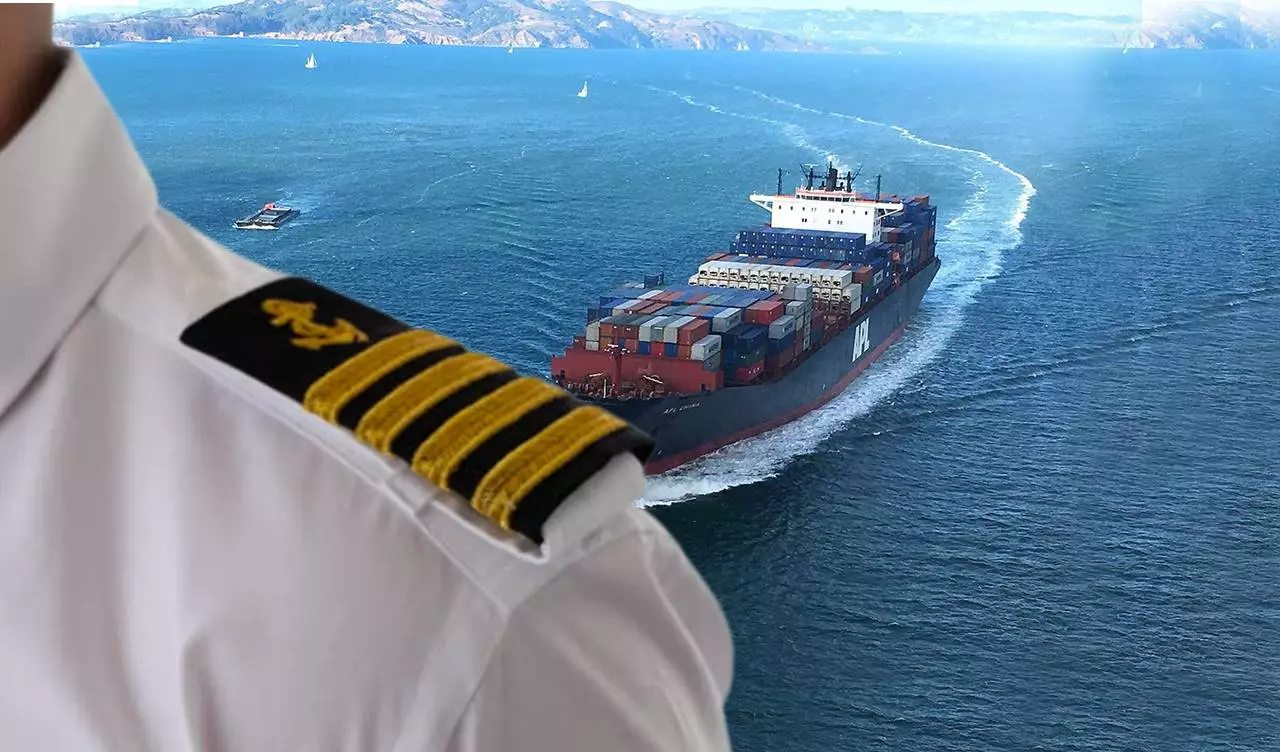
A Deep Sea Captain is a senior officer responsible for the safe navigation and operation of a ship for long periods, usually on transoceanic or intercontinental routes. They are the leaders of the crew team and have final authority over all operational decisions on board the ship or an offshore unit. Check out the entire offshore functions series here.
Deep Sea Captains typically have years of experience in navigation and specialized knowledge in areas such as communications, meteorology, port operations, and maritime regulations. They work closely with other onboard officers and crew members to ensure the safety of the cargo, the ship, and everyone on board.
In addition to their navigation and operation responsibilities, Deep Sea Captains also manage the maintenance and repair of the ship, as well as the management of personnel on board. They operate in accordance with international maritime regulations and the policies and procedures of the shipowner.
-
The next exploration auction in the pre-salt will offer 23 blocks in the Campos and Santos basins and may change the interest of oil companies in Brazil.

-
The next exploration auction in the pre-salt will offer 23 blocks in the Campos and Santos basins and could change the interest of oil companies in Brazil.

-
Red Sea, from biblical site to oil hope: South Korea reveals ambitious plan to create new oil routes through the Red Sea with the dispatch of 5 ships, agreements with 3 countries, and a focus on the strategic port of Yanbu.
-
SISTAC expands contract with Petrobras for maintenance of platforms in the Santos, Campos, and Espírito Santo basins using ROV and specialized underwater operations.
How Much Does a Deep Sea Captain Earn in Brazil?
The salaries of Deep Sea Captains in Brazil can vary greatly depending on several factors, such as the employing company, the type of vessel, the level of experience, and the individual’s qualifications.
According to information from unions and industry associations, on average, a Deep Sea Captain can receive a monthly salary ranging from R$ 30,000.00 to R$ 50,000.00, depending on the type of vessel, the company, and the hierarchical position within the crew.
However, it is important to emphasize that these figures are merely estimates and can vary significantly depending on negotiations between the company and the Deep Sea Captain, as well as market conditions and the economic situation of the country.
What Types of Ships or Vessels Is a Deep Sea Captain Authorized to Work On?
A Deep Sea Captain is authorized to work on different types of ships or vessels, depending on their training and experience.
Generally, Deep Sea Captains are trained and qualified to work on large vessels, such as tankers, container ships, bulk carriers, general cargo ships, passenger vessels, and research ships. They can operate on national or international routes, depending on the needs of the shipowner.
Additionally, there are also some specializations in which Deep Sea Captains may work, such as tankers, liquefied gas carriers, offshore support vessels, dredging ships, among others. These specializations usually require additional qualifications and specific technical knowledge.
It is important to note that, regardless of the type of vessel, Deep Sea Captains need to have extensive experience in navigation, communications, safety, team management, and port operations, as well as knowledge of applicable maritime rules and regulations for offshore operations.
Where to Study or How to Take the Courses to Become a Deep Sea Captain?
To become a Deep Sea Captain, it is necessary to have a solid education in navigation and ship operation, as well as extensive practical experience at sea. There are several course options and institutions that offer training for those looking to pursue this career.
In Brazil, training for Deep Sea Captain is provided by the Merchant Navy officer training schools, which are linked to the Brazilian Navy. These schools offer undergraduate courses in Nautical Sciences, lasting about four years, as well as specialization and refresher courses for already qualified officers.
Additionally, there are private institutions that offer courses for training Deep Sea Captains, such as technical schools and colleges for maritime transport technology. These courses can vary in duration depending on the institution and are generally aimed at those who already have some technical training or experience in navigation.
To enter a training course for Deep Sea Captain, it is necessary to meet some basic requirements, such as being over 18 years old, having completed high school, and passing a selection process that may include theoretical exams, psychological tests, and physical evaluations.
It is important to emphasize that, in addition to formal education, extensive practical navigation experience is required to become a Deep Sea Captain. Therefore, it is common for professionals to start their careers as deck officers on various types of vessels and companies before reaching the position of Captain.
Is There Job Demand for Deep Sea Captains?
The demand for Deep Sea Captains can vary according to the maritime transport market conditions, the economic situation of the country, and the status of the offshore industry. However, in general, this is a profession that shows good job demand worldwide, including in Brazil.
List of Companies Hiring Deep Sea Captains in
Some of the companies that hire Deep Sea Captains in Brazil include:
- Petrobras
- Transpetro
- Vale
- Maersk
- Hamburg Süd
- MSC Mediterranean Shipping Company
- CMA CGM
- Cosco Shipping Lines
- BW Offshore
- TechnipFMC
- Saipem
- Subsea 7
These are just some of the companies that hire Deep Sea Captains in Brazil, and the list is not exhaustive. There are various other maritime transport, offshore, and oil and gas exploration companies that may offer job opportunities for Deep Sea Captains, depending on the labor market conditions and the specific needs of each company.










Seja o primeiro a reagir!