





 Portuguese
  English
  Spanish
  5 min of reading
  0 comments


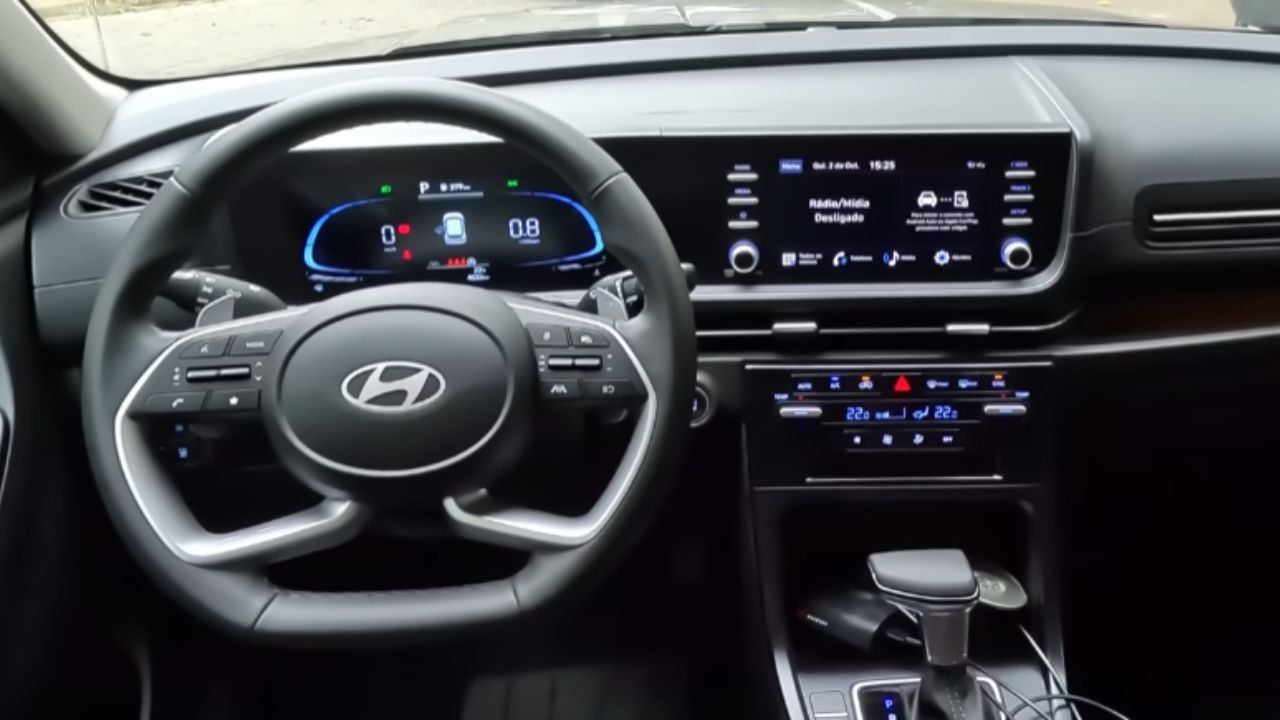
Data Analysis for 2024 and 2025 Shows That While the Strada Leads in B2B, the Hyundai Creta Dominates Final Consumer Sales (Retail)
The rankings of the best-selling cars in Brazil frequently point to the Fiat Strada as the absolute leader. However, a detailed analysis of the numbers reveals a divided market reality: the pickup’s leadership is driven by direct sales (B2B). In retail, the channel that reflects the final consumer purchase (CPF), the champion is another: the Hyundai Creta.
This phenomenon exposes two distinct markets in the country. One focuses on companies and fleet owners, and the other on individuals. Consolidated data from 2024 and the initial numbers from 2025 confirm that the Hyundai Creta has established itself as the true “people’s favorite”, dominating preferences at dealerships. This article decodes the numbers and the reasons behind this choice.
The Distortion of Numbers: Retail vs. Direct Sales
The national automotive market is, in practice, divided into two universes that are often merged into a single indicator. The first is retail sales (B2C), which represent purchases made by ordinary consumers (Individuals, with CPF) directly at dealerships. The second is direct sales (B2B), which encompass sales invoiced by the manufacturer to Legal Entities (CNPJ), a vast channel that includes large rental companies, fleet owners, rural producers, and sales to Persons with Disabilities (PcD).
-
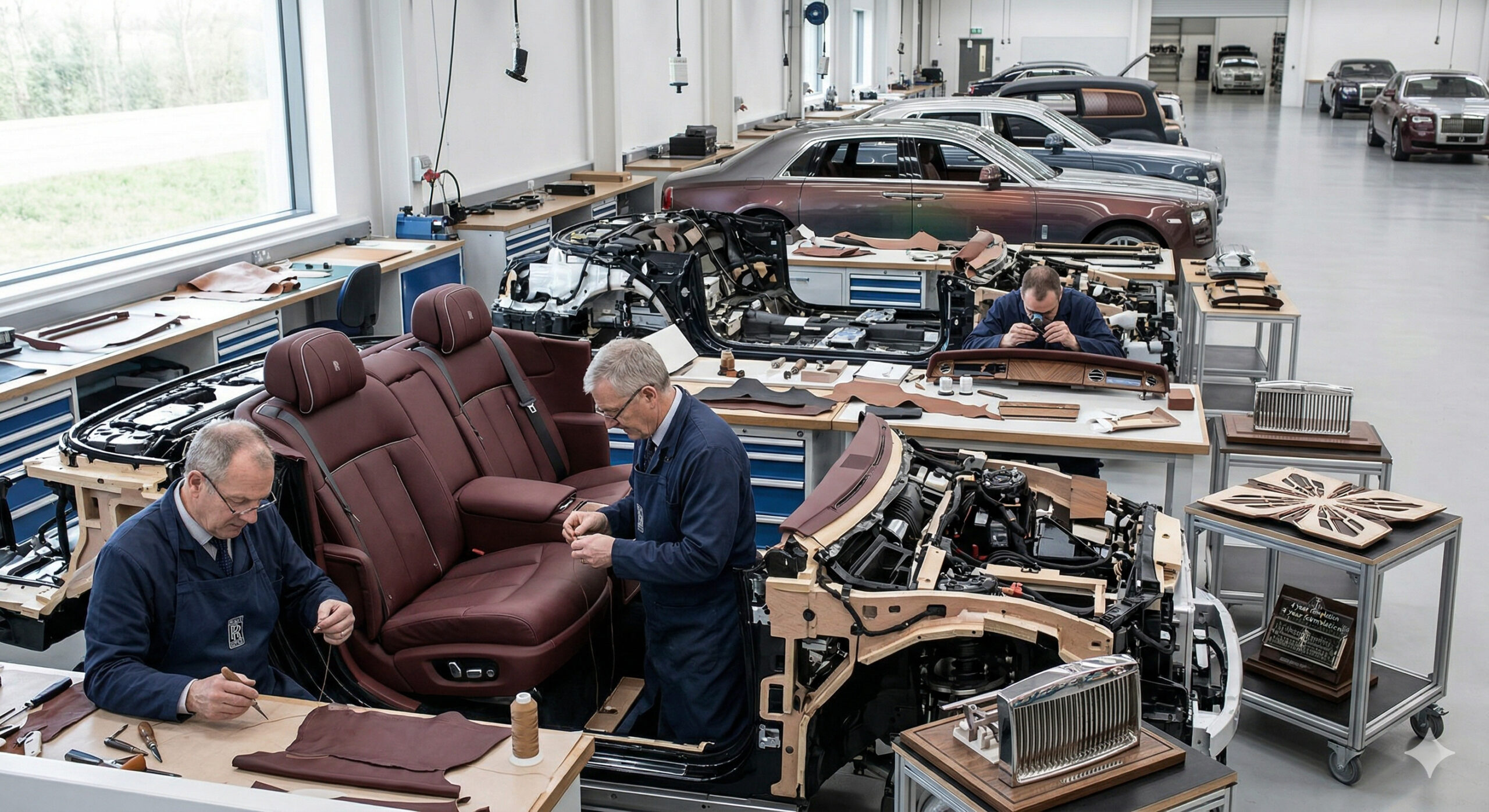
While much of the industry rushes to automate production, Rolls-Royce takes over 600 hours to hand-build each car in Goodwood and still accepts orders so complex that they can take up to four years to be completed.
-
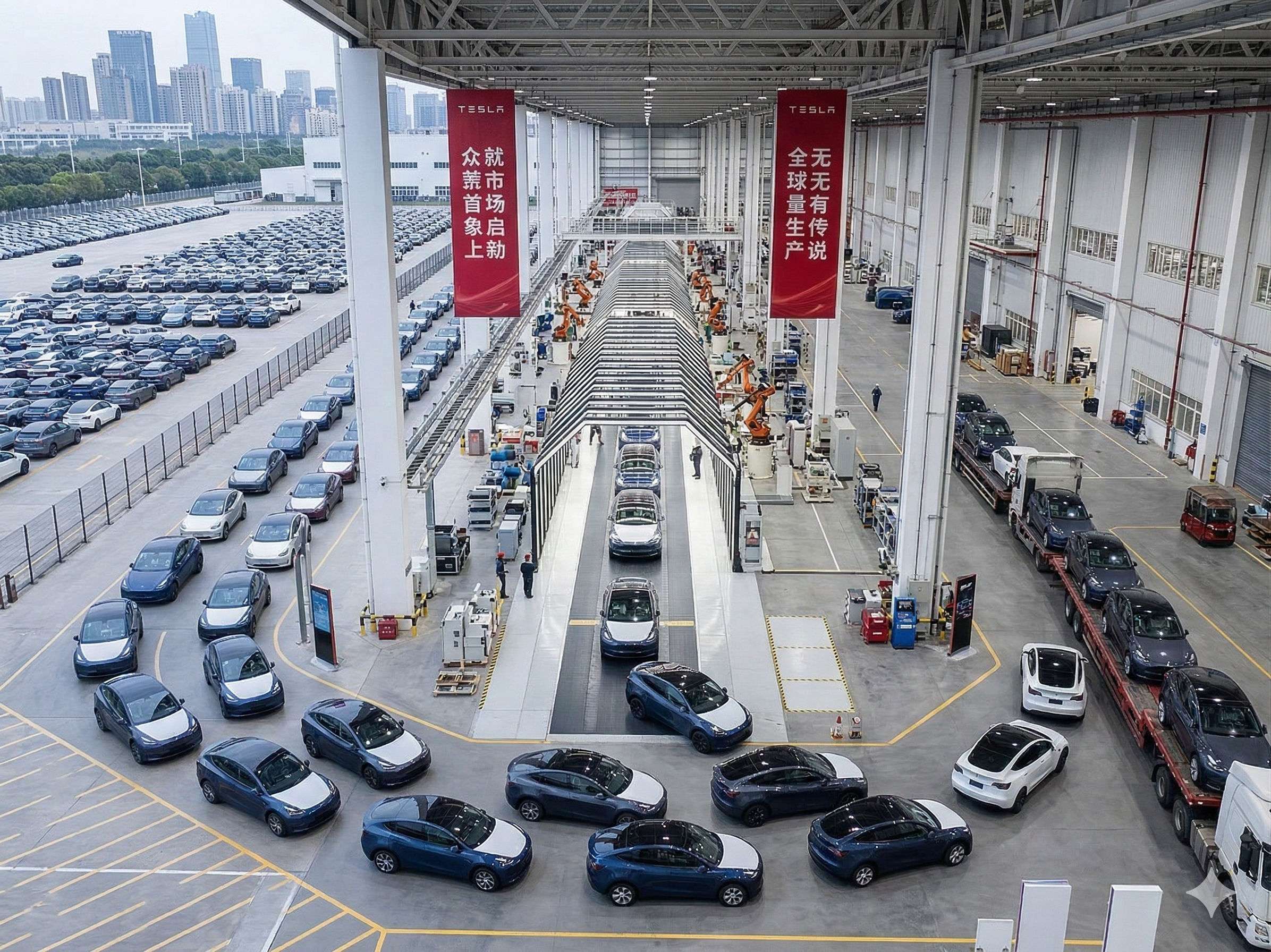
Smaller than the Model Y, lighter, with a single motor and designed to cost less than the current Model 3, Tesla’s new compact electric SUV is born in China and could seal the automaker’s return to the race for mass-market electric vehicles.
-
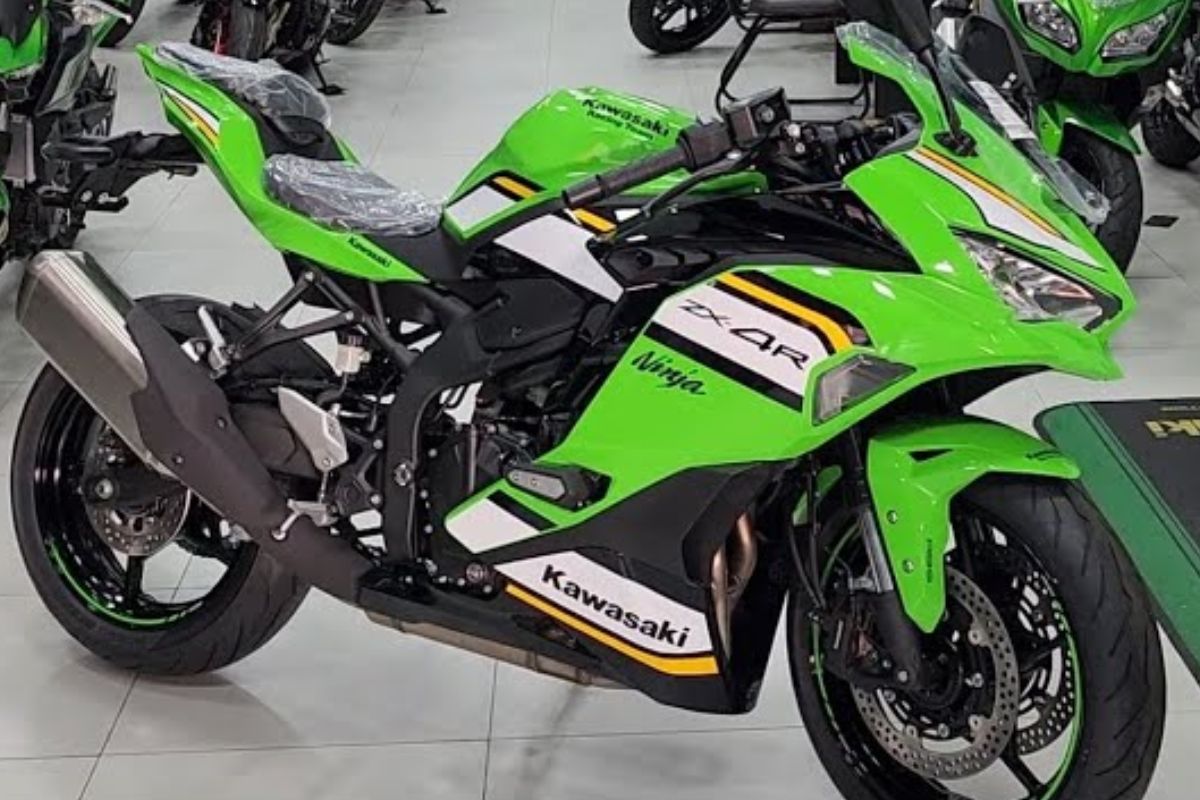
Kawasaki took the technology from its most brutal racing bikes, squeezed it into a 400cc 4-cylinder engine that revs to 15,000 RPM, and created the ZX-4R, a machine that shouldn’t exist in this displacement but is making experienced riders rethink everything they thought they knew about mid-range motorcycles.
-
The culture of cars that jump on the asphalt was born in the garages of Mexicans in the 1940s, was treated as a crime in the United States for decades, and has now become an official postage stamp of the American Postal Service in a twist that no one expected.

This division is crucial. Often, direct sales account for the largest portion of the market, meaning that the overall “most sold” ranking is, in essence, a B2B commercial activity indicator, and not a direct reflection of B2C consumer desire. The decision drivers in each channel are fundamentally different: retail prioritizes comfort, technology, and status; direct sales prioritize robustness, operational cost, and load capacity.
Case of Fiat Strada: The Champion of “Brazil S.A.”
The leadership of the Fiat Strada in the overall ranking is the classic example of this dynamic. It is not the car that Brazilian families dream of having in their garage, but rather the primary work tool of the country. An analysis of Fiat Strada’s sales profile in 2023 quantifies its reliance on B2B sales, detailing that about 73% of all units sold of the pickup were “direct sales”.
The value proposition of the Strada is fully aligned with this B2B audience, focusing on attributes such as “robustness,” “reinforced suspension,” and “low maintenance cost,” characteristics of a capital good. The definitive proof that it is not the favorite of the “people” came from the data from the National Federation of Motor Vehicle Distribution (FENABRAVE) regarding January 2025. In this ranking, which measures only purchases by individuals, the Fiat Strada ranked only 5th.
Hyundai Creta: The True ‘People’s Favorite’


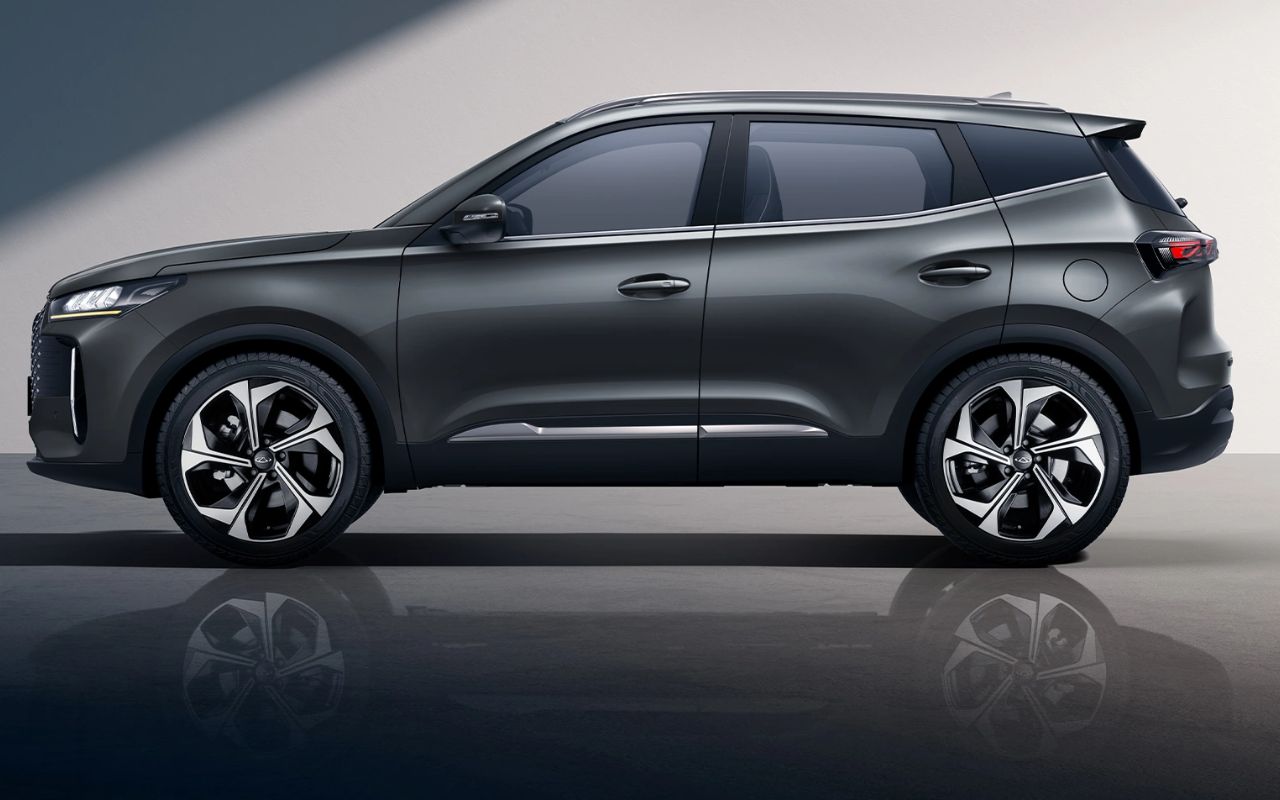
When the question refers to the car that “Brazilians really want to buy,” retail channel data consistently points to the Hyundai Creta. According to an analysis of sales data for the year 2024, the SUV was the “public success,” leading consolidated sales to final consumers.
This 2024 analysis concluded that the Hyundai Creta was the leader in individual consumer preference, closing the year with 56,081 units sold to individuals. The leadership was maintained in the following year. The same FENABRAVE data for January 2025 shows the Hyundai Creta as the absolute leader in retail, occupying the 1st position with 4,687 units registered for final consumers, almost a thousand units more than the Strada in the same channel. The sales mix of the Creta is the inverse of that of the Strada, with the majority (about 63%) of its sales occurring in retail.
The Formula for Success: Why Does the Creta Win in Retail?
The success of the Hyundai Creta is not accidental, but rather the result of a value proposition that aligns perfectly with the needs of Brazilian consumers. Firstly, it benefits from the “SUV craze,” a category that consumers value for its high driving position, perceived robustness for urban roads, and greater interior space.
More than just the category, the product delivers a rational and balanced package. The model is consistently praised for its interior space and 422-liter trunk. Additionally, it offers a technological package perceived as current, including a digital dashboard, wireless charger, and, crucially, an active safety package (ADAS) with autonomous emergency braking and lane-keeping assist, features highly valued by families.
The most important pillar of the Hyundai Creta’s value proposition is, however, the mitigation of financial risk. For the Brazilian middle class, acquiring a vehicle is the second largest financial investment. The Creta neutralizes the fear of maintenance and depreciation with two strategic advantages: the 5-year warranty, an immense psychological and financial differential in the market, and high liquidity, resulting from its “good reputation in the used market.”
What the consumer Ignores (and What This Reveals)
A balanced analysis shows that the Hyundai Creta is not a perfect product. It has notable weaknesses that, curiously, are revealed by most of its buyers. The 1.0 turbo engine is often criticized for being “thirsty”, with average fuel consumption higher than direct competitors. Additionally, the vehicle is positioned at a high price range, and yet its interior is criticized for being “almost entirely made of hard plastic.”
The fact that the Hyundai Creta leads retail sales, despite being expensive, thirsty, and having simple finishes, reveals the value hierarchy of Brazilian consumers. It becomes clear that, at the moment of decision, buyers consciously prioritize perceived safety (ADAS), embedded technology (screen), and, above all, financial security (5-year warranty + liquidity) over operational costs (fuel consumption) and finishing quality.
The apparent contradiction between Fiat Strada’s sales leadership and the perception that the Hyundai Creta is the “people’s favorite” is resolved when understanding that the two vehicles are not competitors. They are the leaders of two distinct Brazils: the Strada is the uncontested champion of “Brazil S.A.” (CNPJ), while the Creta is the champion of “Brazil CPF”.
The Hyundai Creta wins in retail because its value proposition aligns perfectly with the hierarchy of needs of the Brazilian middle-class family, which seeks a safe, spacious, technological vehicle that, above all, represents a secure and financially sound purchase.
Do you agree with this change? Do you think it impacts the market? Leave your opinion in the comments; we want to hear from those who experience it in practice.





-

2 pessoas reagiram a isso.