





 Portuguese
  English
  Spanish
  4 min of reading
  0 comments


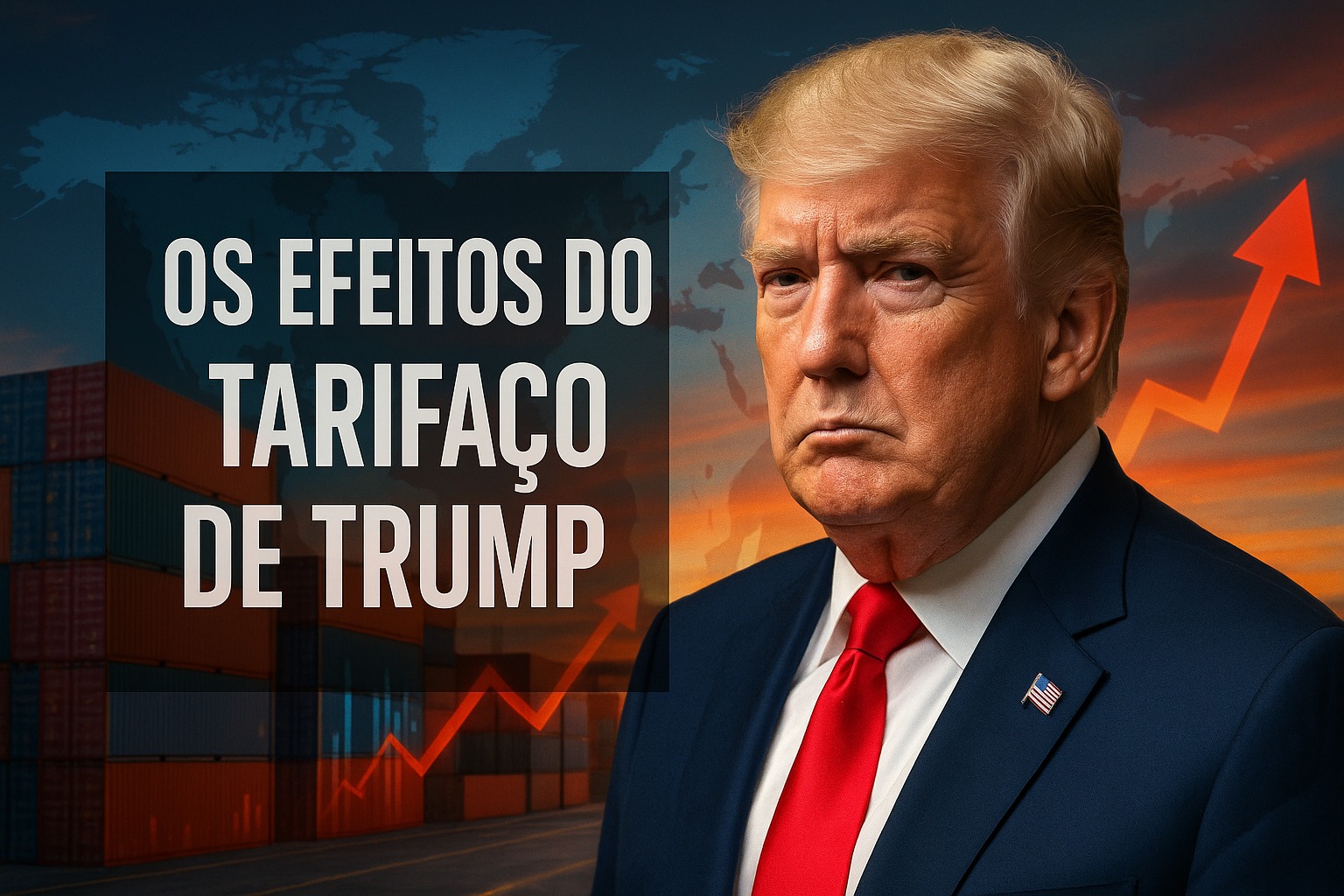
Experts Assess Impact of Trump’s Tariff, Which Pressures Prices in the U.S., Reduces Brazilian Exports, and Threatens Stability of International Trade
Nearly two months ago, U.S. President Donald Trump imposed tariffs of 50% on Brazilian products and those from other countries. The so-called “tariff” has sparked criticism and analyses attempting to evaluate whether the decision might have been a ‘self-inflicted wound’.
Pressure on Domestic Prices
The finance professor at Strong Business School, Jarbas Thaunahy, believes that calling the sanctions (tariff) a “self-inflicted wound” simplifies a broader scenario.
For him, the tariffs increase pressure on domestic prices but cannot be considered the only cause.
-
Inflation in March reaches 0.88% according to IBGE and pressures the Brazilian economy, impacting family budgets and requiring more strategic decisions to maintain financial control.
-
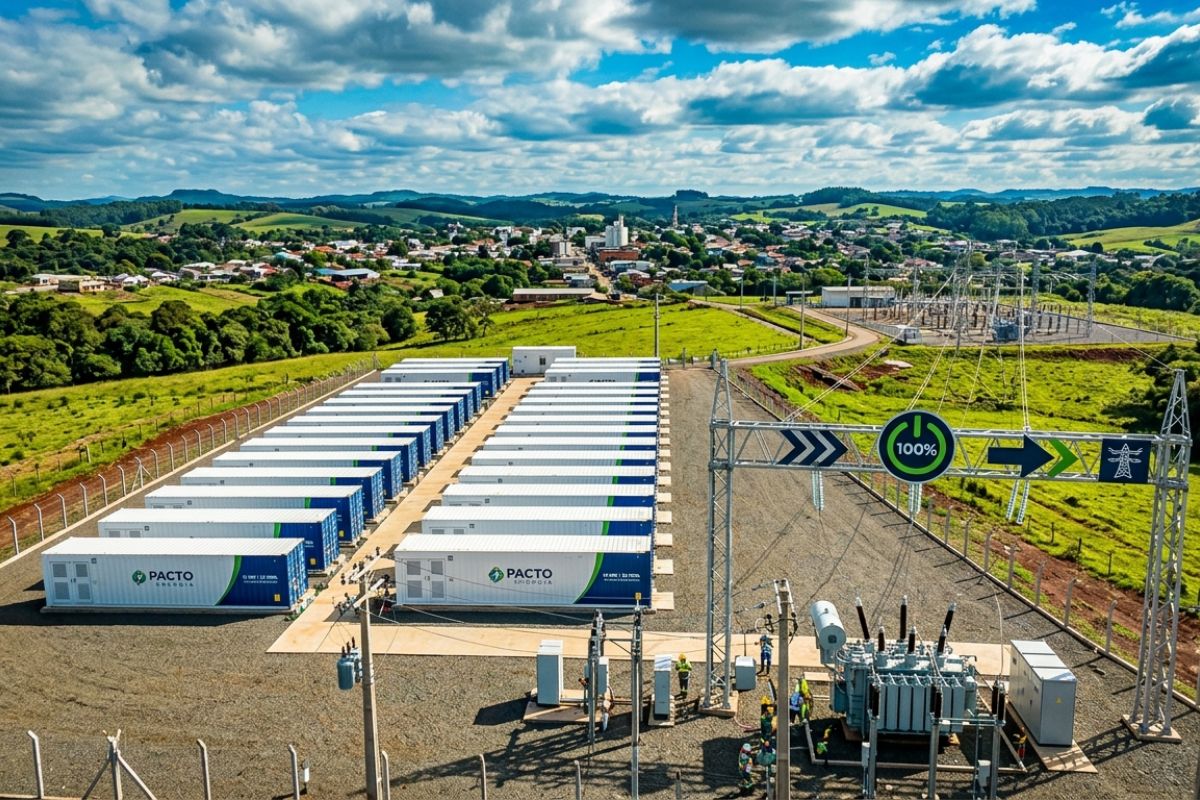
In Paraná, distributor Pacto connects 100% of the load in Coronel Vivida to batteries: a BES of 10 MW and 20 MWh costs just over R$ 30 million and lowers the local tariff now.
-
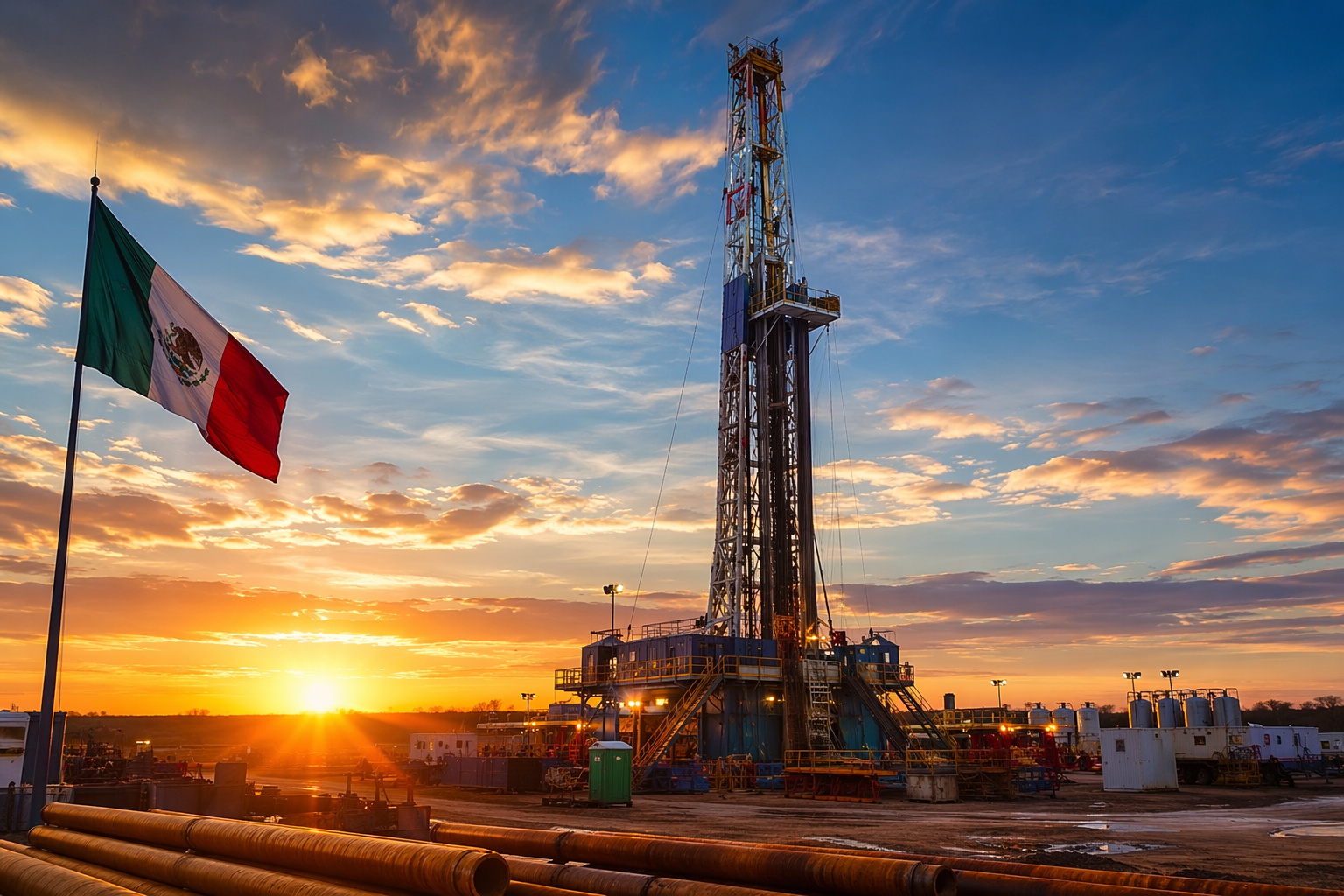
With a dependence of up to 80% on gas imported from the United States, Mexico is responding with a robust energy strategy, betting on shale gas, creating a scientific committee, and preparing to expand natural gas production to reduce vulnerability and strengthen its energy security in the coming years.
-
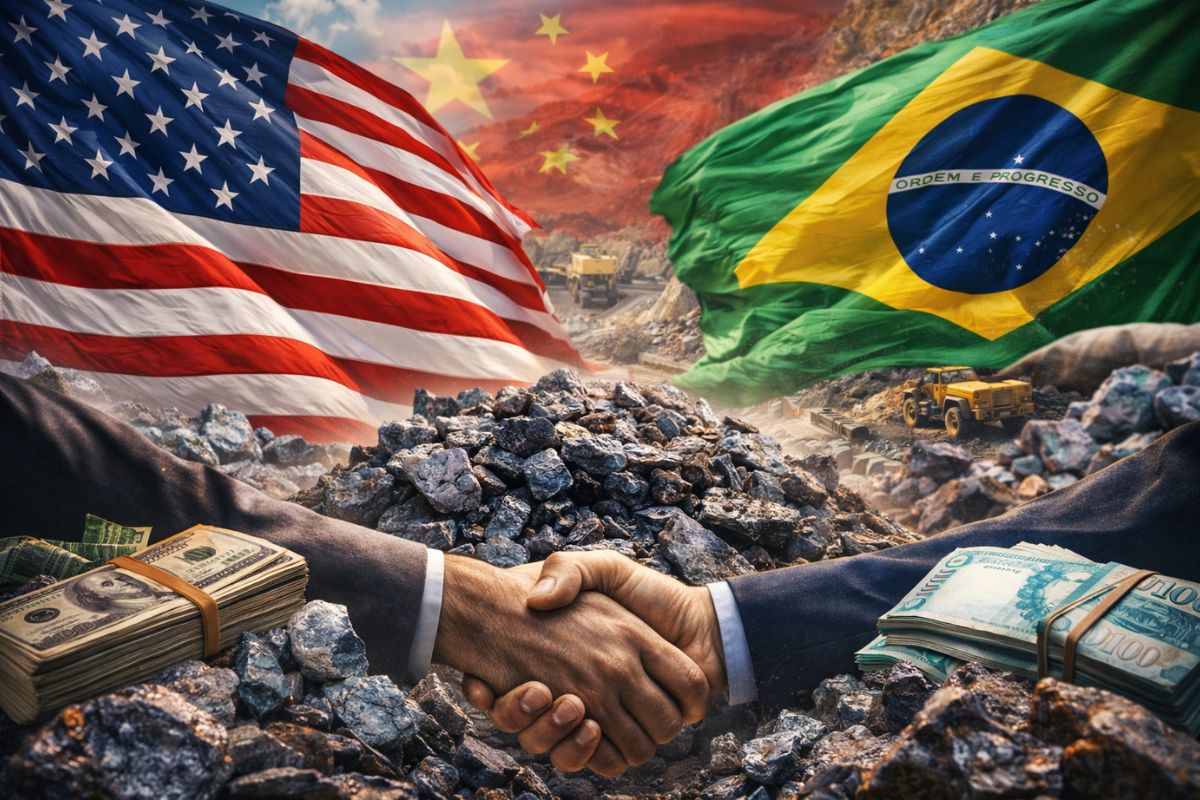
The United States proposes to Brazil a critical minerals agreement with a minimum price to combat Chinese dumping and priority for investment, but the Planalto is blocking the signing out of fear of upsetting China and due to electoral calculations in a year of competition.
According to the researcher, the net effect will be worsening food inflation, coinciding with other shocks already affecting the American economy.
This movement is already impacting consumer wallets. Coffee, for example, recorded a 21% increase over the past 12 months, according to the U.S. Consumer Price Index.
Just between July and August, the increase was 3.6%, the highest rate in nearly three decades.
Beef prices have also risen. The cumulative growth was 7.3% for the year, with an increase of 1.8% just between July and August.
During this period, Brazilian exports to the United States fell by 51.1%, dropping from 19.1 thousand tons to 9.3 thousand tons, according to the Brazilian Association of Meat Exporting Industries (Abiec).
How Did the Tariff Come About?
Trump began imposing a 10% charge on Brazilian products in April. In July, he increased it by another 40%, totaling a 50% surcharge.
The justification was that Brazil has a trade surplus with the United States, when in reality the balance shows a deficit.
Another argument presented by the White House was the legal process against former President Jair Bolsonaro, dubbed by Trump as a “witch hunt”.
Bolsonaro was already under house arrest for another case and was convicted by the Supreme Federal Court for attempted coup d’état.
Since then, the Brazilian government has been trying to negotiate tariff reductions, but the discussions have been hindered by political interference.
Among the incidents, the actions of federal deputy Eduardo Bolsonaro (PL-SP), the former president’s son, generated additional friction.
Projected Economic Impacts
Besides rising prices, experts foresee risks for the American economy itself. The Organization for Economic Cooperation and Development (OECD) projects a growth of 1.8% for 2025, following 2.8% last year.
The report indicates that the effects of the tariffs should intensify when companies deplete their accumulated stocks.
The political cost also raises concerns. Five senators introduced a resolution calling for the revocation of the tariffs, arguing that these measures threaten sectors of the local economy.
Among them are four Democrats and one Republican. For the lawmakers, the tariff policy promotes a politically motivated trade war rather than an economic one.
Opinion polls reinforce the negative perception. More than half of Americans say they are against the tariffs, which could undermine Trump’s popularity and make it difficult for Republican allies to be elected.
Voices from the Market
The chief economist at Blue3 Investimentos, Roberto Simioni, assesses that the increase in costs tends to make life more expensive for the population and weaken production chains.
According to him, even if local industries benefit in the short term, tariff protection leads to inefficiency and loss of competitiveness.
Simioni also pointed out that such barriers compromise multilateral relations and erode confidence in the international system.
For him, American companies that rely on Brazilian inputs will feel a direct impact, raising costs and reducing productivity.
Effects on the Dollar
Another central point is the American currency. Analysts indicate that the tariff policy aims to devalue the dollar, which is currently considered high.
Trump has advocated for domestic industrialization and sees the appreciation of the currency as an obstacle to investments in the country.
Thaunahy explained that tariffs can have a dual effect. On one hand, they raise the cost of imports and reduce the outflow of dollars, which tends to appreciate the currency.
On the other hand, they increase uncertainty, reduce investor confidence, and stimulate capital flight, putting downward pressure on the dollar’s value.
In recent months, the market has observed a depreciation of the dollar against the euro and yen. The real has also strengthened, closing at R$ 5.35, compared to R$ 5.44 at the beginning of the month. So far this year, the drop has reached 14.25% against the real.
Despite this, Thaunahy warns that the strategy may bring short-term geopolitical gains but compromises the United States’ influence in the long term.
According to him, unilateral measures weaken the country’s position in global trade and encourage alternatives to the dollar-based system.
Historical Precedents
Other presidents have attempted to devalue the American currency. Richard Nixon, in 1971, ended the dollar’s convertibility to gold, generating inflation and high interest rates.
Ronald Reagan, in 1985, signed the Plaza Accord to weaken the currency but faced a fiscal deficit. Barack Obama, in 2009, pressured China to appreciate the yuan, leading to increased inflation.
These examples demonstrate that policies aimed at manipulating the exchange rate carry significant risks.
End of the Tariff? Possible Reapproachment
Despite the tensions, Trump made a diplomatic overture at the UN General Assembly. The American president reported a brief meeting with Luiz Inácio Lula da Silva and stated that there is “excellent chemistry” between the two.
The Brazilian government received the remarks as a positive sign. There is hope for a meeting, whether virtual or by phone, to occur in the coming weeks to address the topic.
With information from Metrópoles.







-

-

-

6 pessoas reagiram a isso.