





 Português
  Inglês
  Espanhol
 4 min de leitura
  0 comentários



With a Project Worth 8 Billion, The Government Aims to Double PRC 272 in Vale do Ivaí, Replace Asphalt With Concrete, Structure a Heavy Corridor for Trucks, Reduce Potholes, Improve Road Safety, and Ensure Low Freight Costs on a Million-Dollar Route That Strengthens The Regional Economy in The Interior of Paraná, Attracting Logistics Investments
The 8 billion project on PRC 272, in Vale do Ivaí, is presented as one of the most ambitious road interventions in Paraná, forecasting the duplication of the highway, the replacement of asphalt with concrete, and the creation of a heavy corridor for trucks. The initiative aims to transform a regional link into a structured route for cargo transport, reducing the incidence of potholes and raising safety standards for drivers and passengers.
More than just a physical project, the initiative signals a logistical reorganization in the state’s interior, with a direct impact on operating costs and competitiveness for companies that rely on PRC 272 for transporting goods. The execution schedule, with start dates, intermediate stages, and completion, will be crucial in indicating when the effects of this promise of low freight and a new million-dollar route in Paraná will reach the daily life of Vale do Ivaí.
Duplication of PRC 272 and Replacement of Asphalt With Concrete

In practice, the duplication of PRC 272 in the Vale do Ivaí segment aims to transform a road currently associated with congestion and risky overtaking into a corridor with greater capacity for carrying loads and passengers.
-
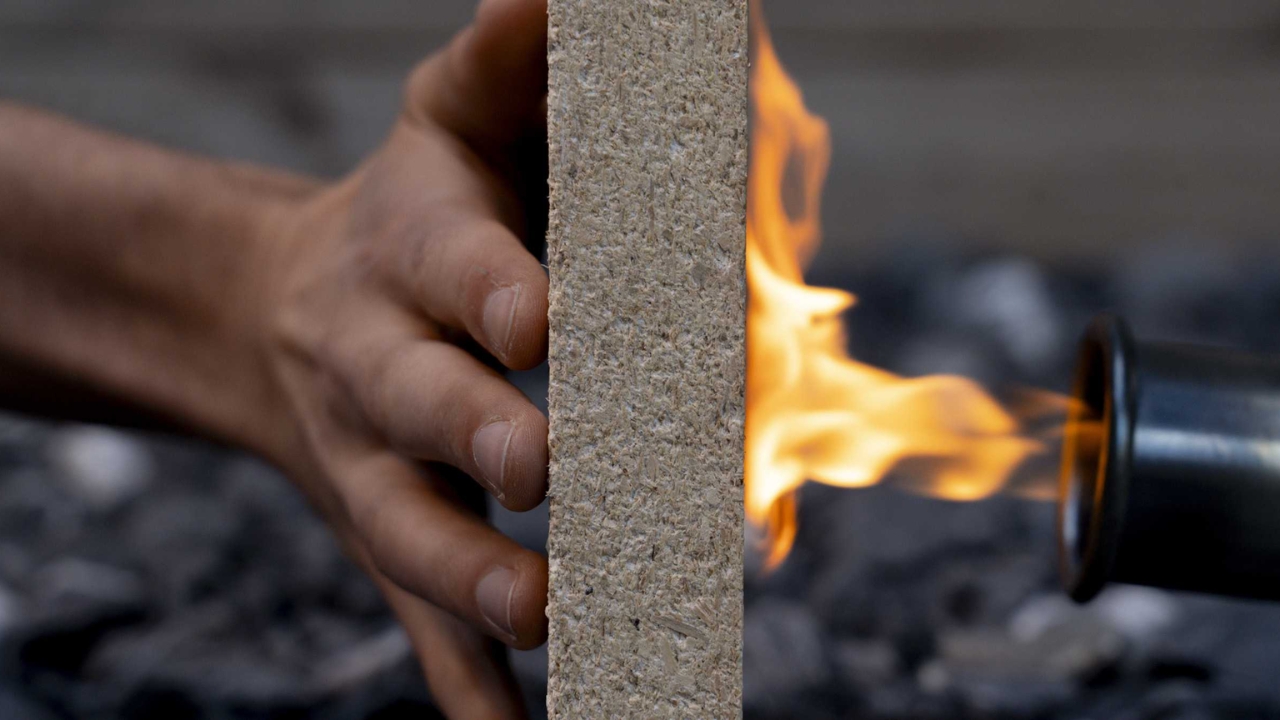
Scientists transform sawdust into fire-resistant panels, stabilize the compound with an enzyme extracted from watermelon seeds, and turn waste into promising material for construction.
-
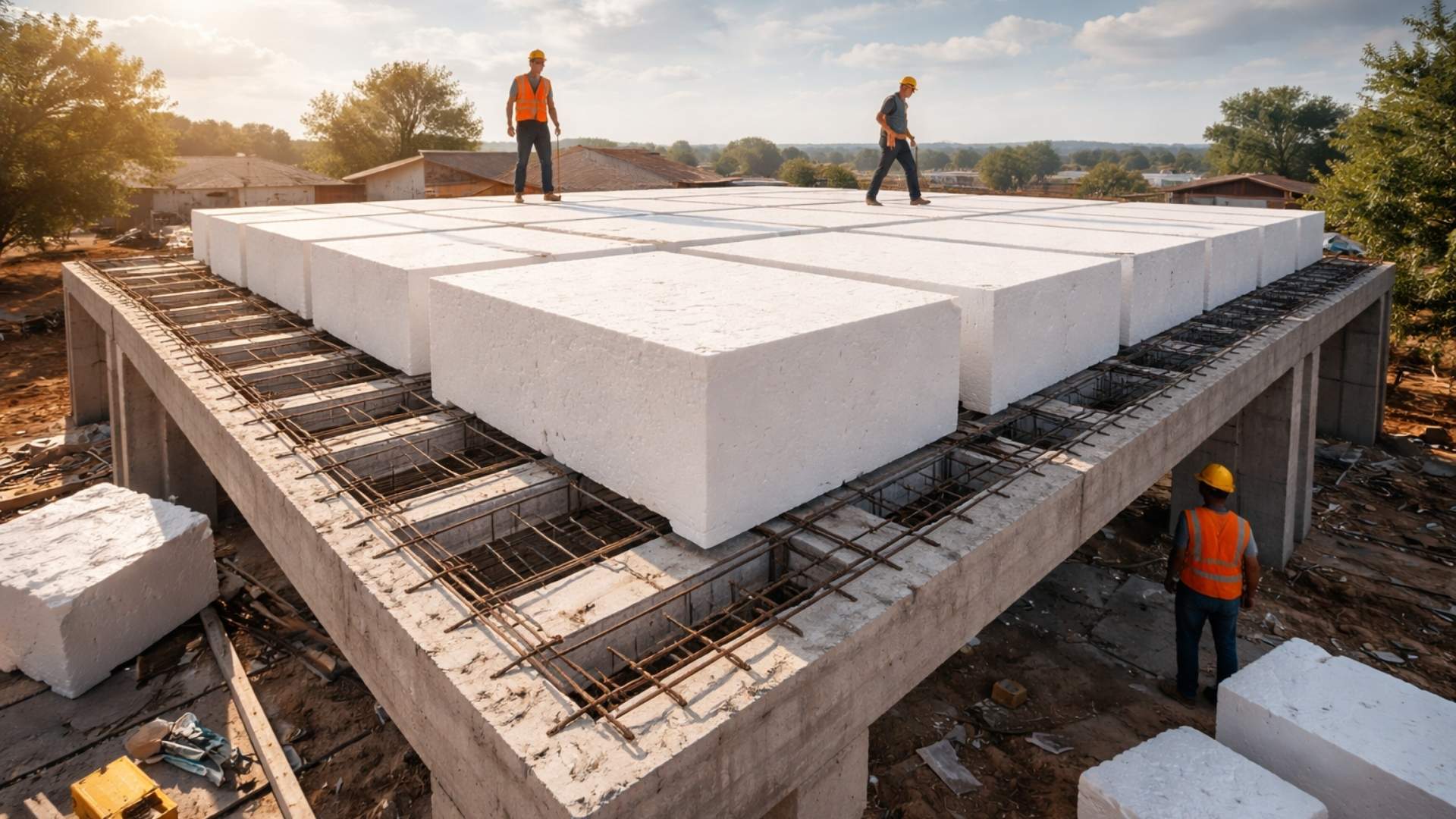
Forget concrete: architects are replacing tons of concrete with giant blocks of expanded polystyrene to build the roofs of houses and reduce structural weight by up to 50%, cut costs, improve thermal insulation, and speed up construction.
-
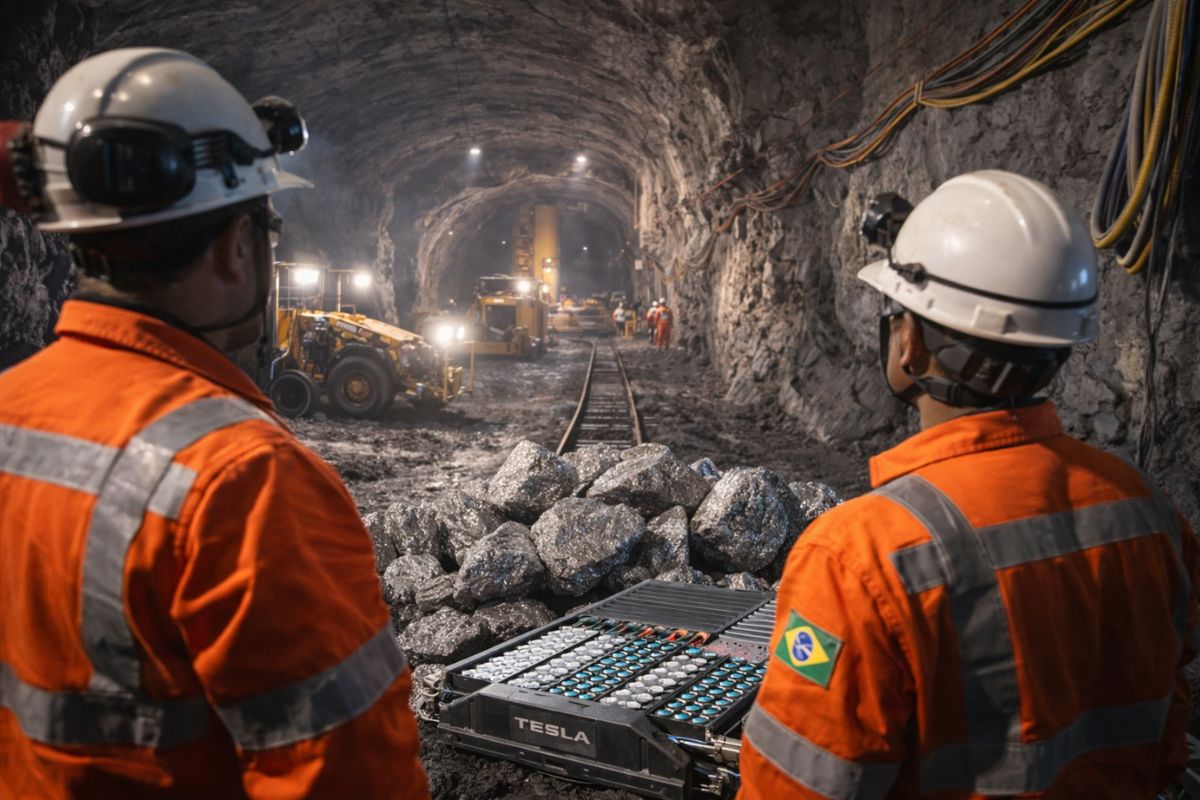
The Brazilian state enters the center of the global race for critical minerals by starting the construction of the largest underground nickel mine in Latin America, a mineral essential for electric car batteries that the entire world is competing for at this moment.
-
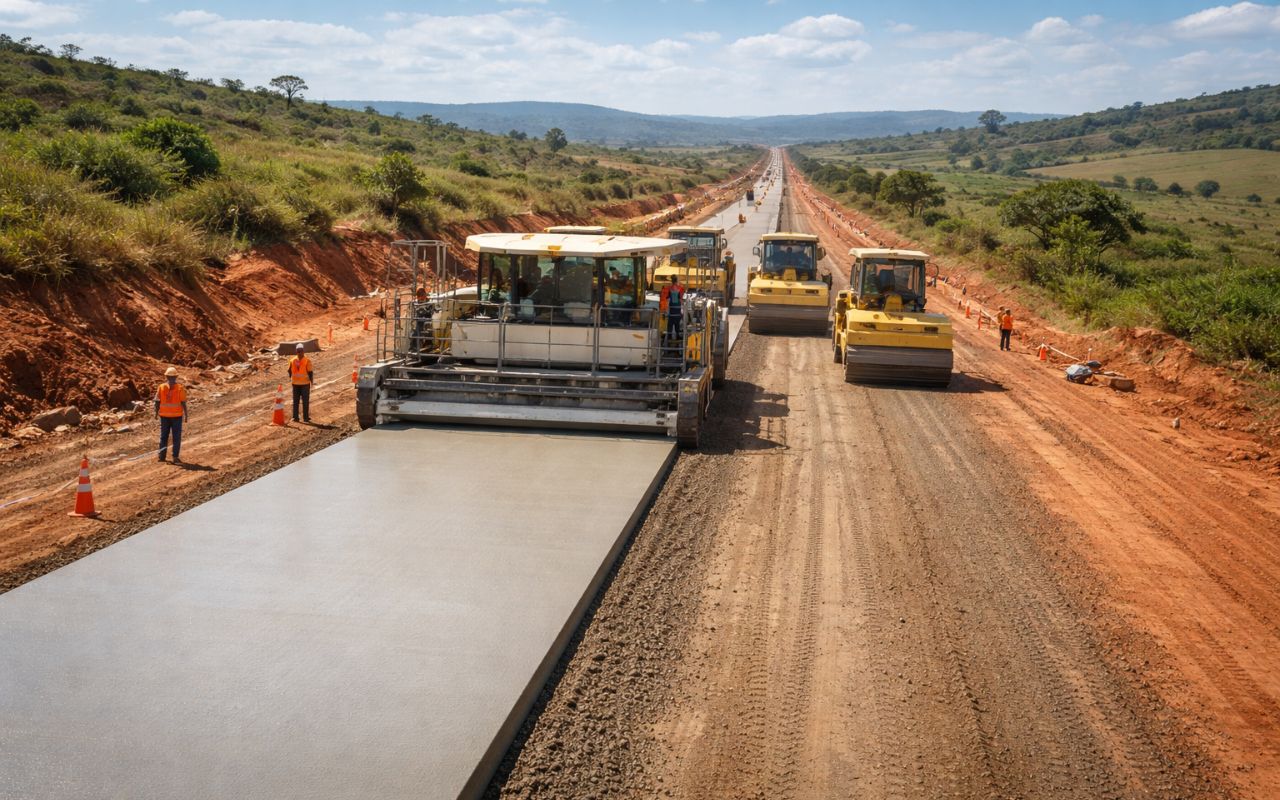
New CCR concrete paving technology promises roads up to 3x more durable, less maintenance, and cost reduction in Brazil.

By expanding the highway platform, the 8 billion project seeks to better separate vehicle flows and reduce conflicts between heavy trucks and passenger cars.
Another central aspect of the project is the replacement of traditional asphalt with concrete pavement, a solution more resistant to intense traffic and the concentrated weight of a heavy corridor for trucks.
By combining duplication and concrete, those responsible for the project aim for fewer emergency interventions, fewer potholes, and a more stable surface along the strategic segments of PRC 272.
Heavy Corridor for Trucks and Cargo Flow
The design of a heavy corridor for trucks on PRC 272 responds to the need to provide a continuous route for the transport of grains, industrial supplies, and various goods that circulate through Vale do Ivaí.
With the duplicated highway and concrete pavement, the expectation is to reduce unexpected stops, travel extensions, and operational costs associated with critical segments.
For transport companies and businesses operating in the interior of Paraná, a heavy corridor for trucks structured along PRC 272 is likely to provide predictability for travel time and fleet turnaround, factors that directly influence freight negotiations.
In this scenario, the 8 billion project is presented as a tool to consolidate a new logistical backbone in the region.
Road Safety, Maintenance, and Promise of Low Freight Costs
The promise of fewer potholes is directly linked to the adoption of concrete and how maintenance will be planned along the new duplicated PRC 272.
Deformed surfaces and constant patching tend to increase the risk of accidents, especially on segments with a high concentration of trucks, a condition present in Vale do Ivaí and other logistical corridors in the interior of the state.
With the 8 billion project, the declared objective is to reduce unpredictability for those who depend on the highway, ensuring more safety in overtaking, better drainage for rainwater, and less exposure to damage to tires and suspensions.
If the conservation structure follows the promised standard, the expected result combines fewer incidents, fewer traffic interruptions, and sustained low freight costs over time.
In practice, low freight costs depend on an equation involving fuel costs, fleet wear, tolls, and travel time.
By offering a heavy corridor for trucks with more durable pavement and fewer potholes, the new configuration of PRC 272 is likely to reduce some of these variables and strengthen the competitiveness of logistics operators serving Vale do Ivaí.
New Million-Dollar Route in Paraná and Effects on Vale do Ivaí
The description of the initiative as a new million-dollar route in Paraná emphasizes the economic weight attributed to the road link that cuts through Vale do Ivaí.
By concentrating investments in a strategic segment, the 8 billion project aims to consolidate PRC 272 as the preferred axis for transporting goods that are currently distributed along less structured routes, frequently subject to heavy traffic restrictions.
For municipalities in the region, a duplicated PRC 272 with concrete pavement could mean an increase in the circulation of goods, greater investor interest in distribution centers and ancillary services, as well as stimulation for small and medium-sized enterprises linked to the transport chain.
If the promises of a heavy corridor for trucks, fewer potholes, and low freight costs are confirmed in practice, Vale do Ivaí tends to gain prominence on the logistical map of Paraná.
Based on the information released, do you believe that the 8 billion project on PRC 272 will be able to deliver, at the same time, fewer potholes, more safety, a heavy corridor for trucks, and low freight costs for Vale do Ivaí?







-

-

-

-

-

8 pessoas reagiram a isso.