





 Portuguese
  English
  Spanish
 4 min of reading
  0 comments


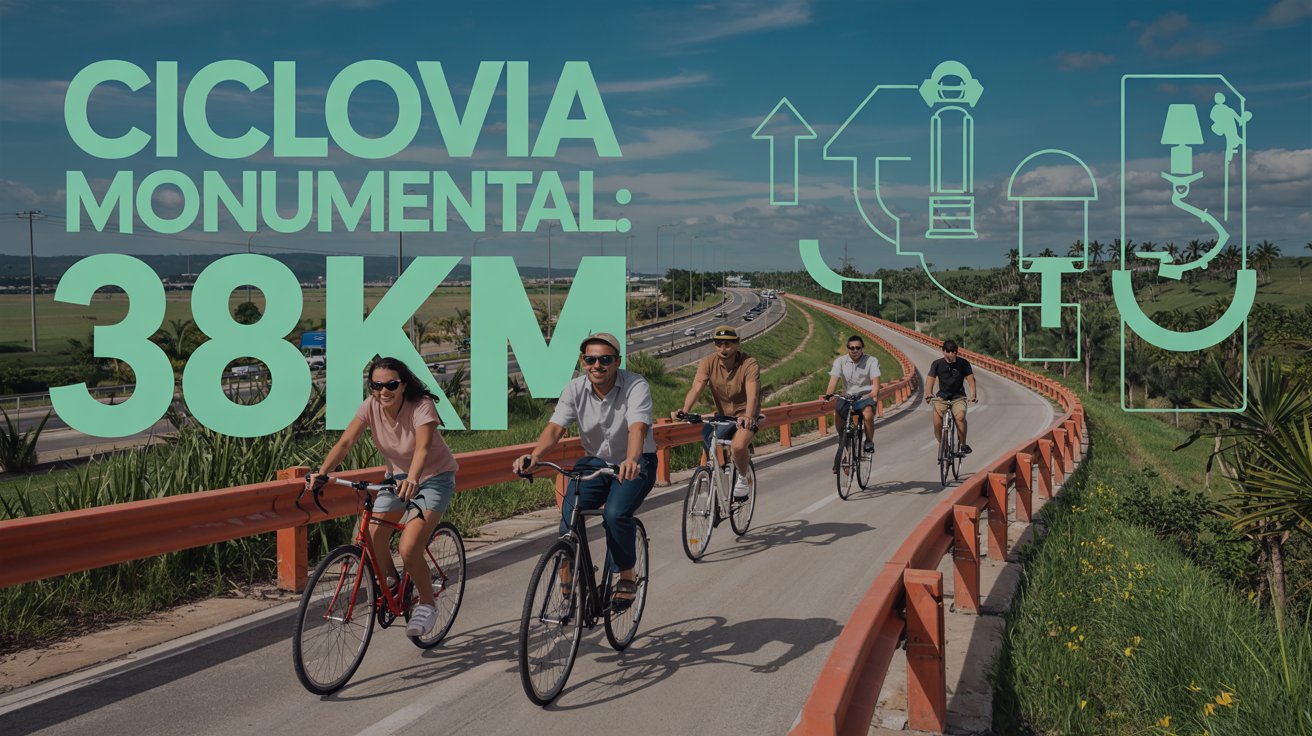
Duplication of BR-280 in Santa Catarina Will Have a Colossal Bike Lane of 38 km, Promising to Transform Mobility and Meet Indigenous Demands, as Well as Foster Cycling Tourism and Connection Between Local Communities Along the Highway.
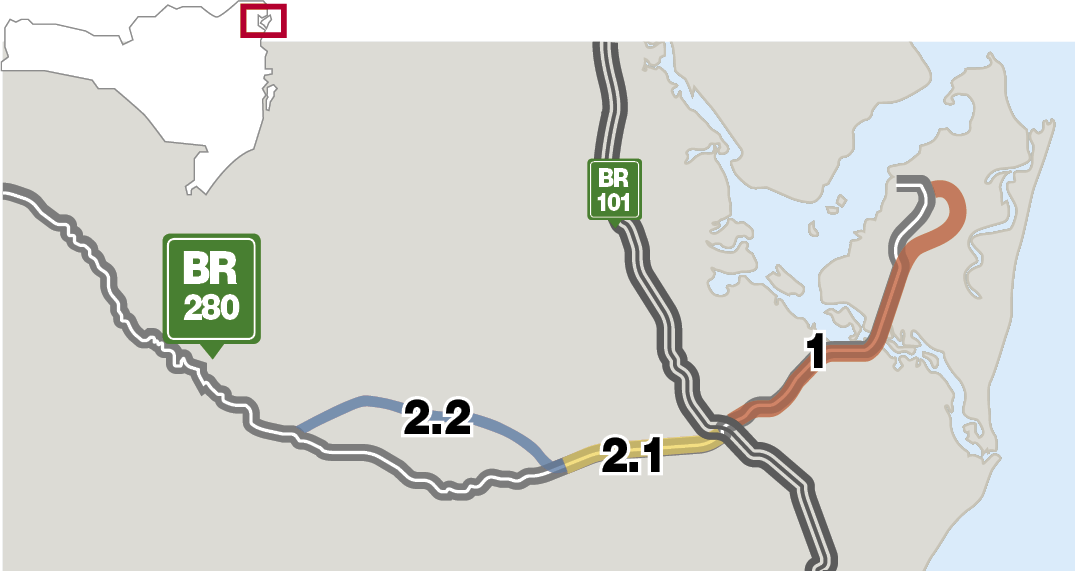
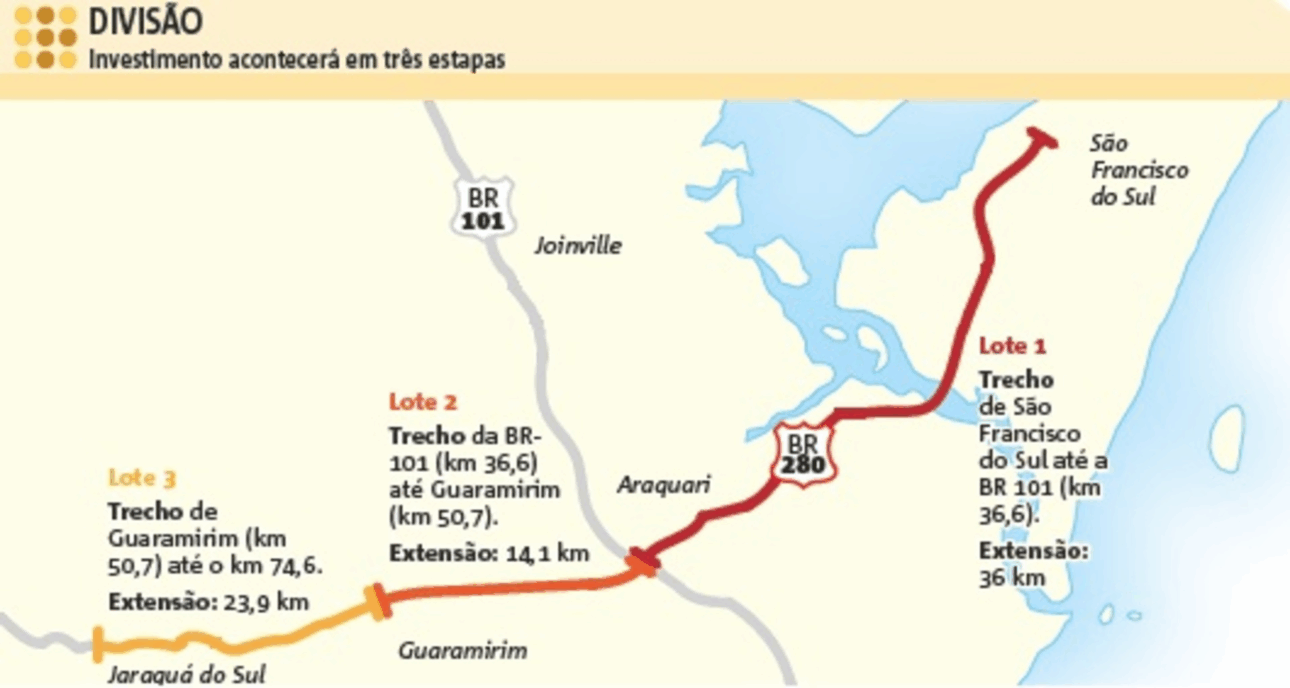
The duplication of BR-280 between Araquari and São Francisco do Sul, in Santa Catarina, will gain an innovative component: a bike lane that stretches 38 kilometers.
Included in the Indigenous Component of the Basic Environmental Plan (CI-PBA) of the works, the bike lane aims to compensate for the impacts of the duplication on the indigenous communities in the region.
The contract for the new project is expected to occur by the end of 2025.
-
Goodbye iron: new technology from Xiaomi promises to revolutionize the way we iron clothes with 500 kPa steam, continuous flow of 120 g/min, heating in 65 seconds, and six smart modes for different fabrics.

-
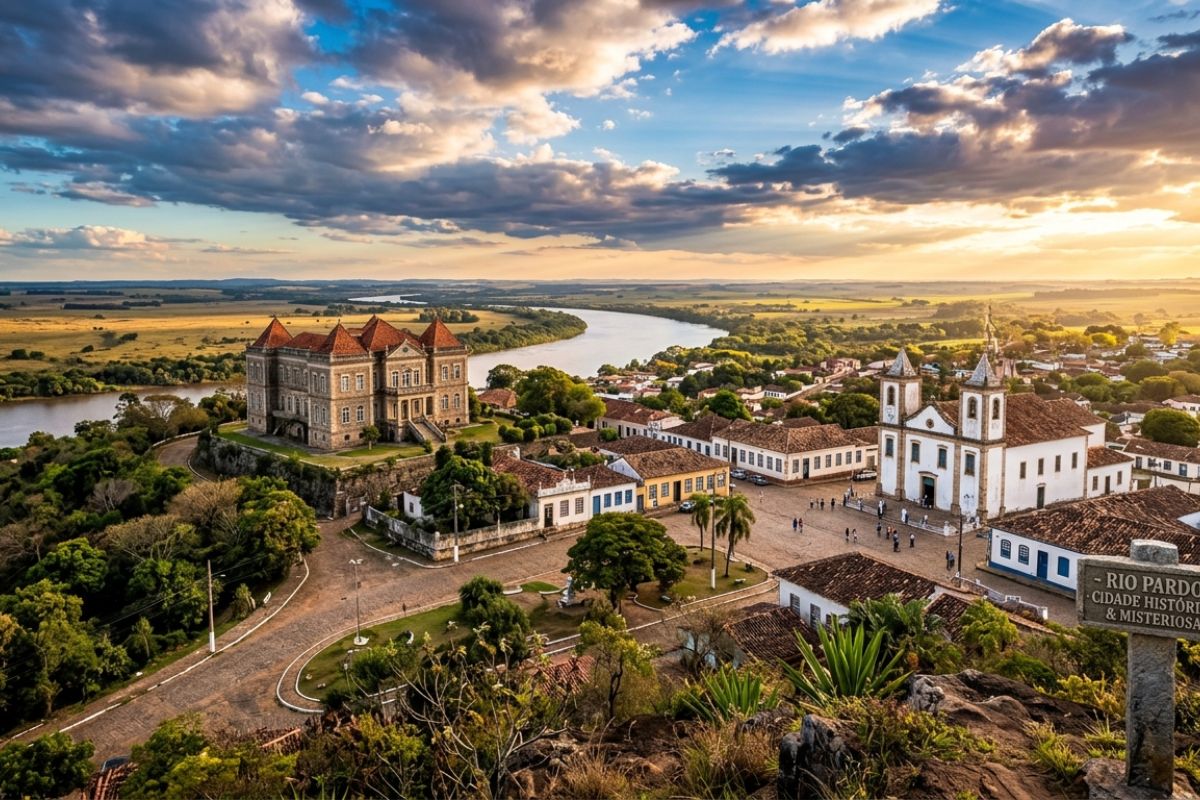
Rio Pardo, the most mysterious city in Rio Grande do Sul: untouched Pampas castle, the missing treasure of the Devil Boy, bride’s saint, invisible tunnels, and a 200-year curse today.
-
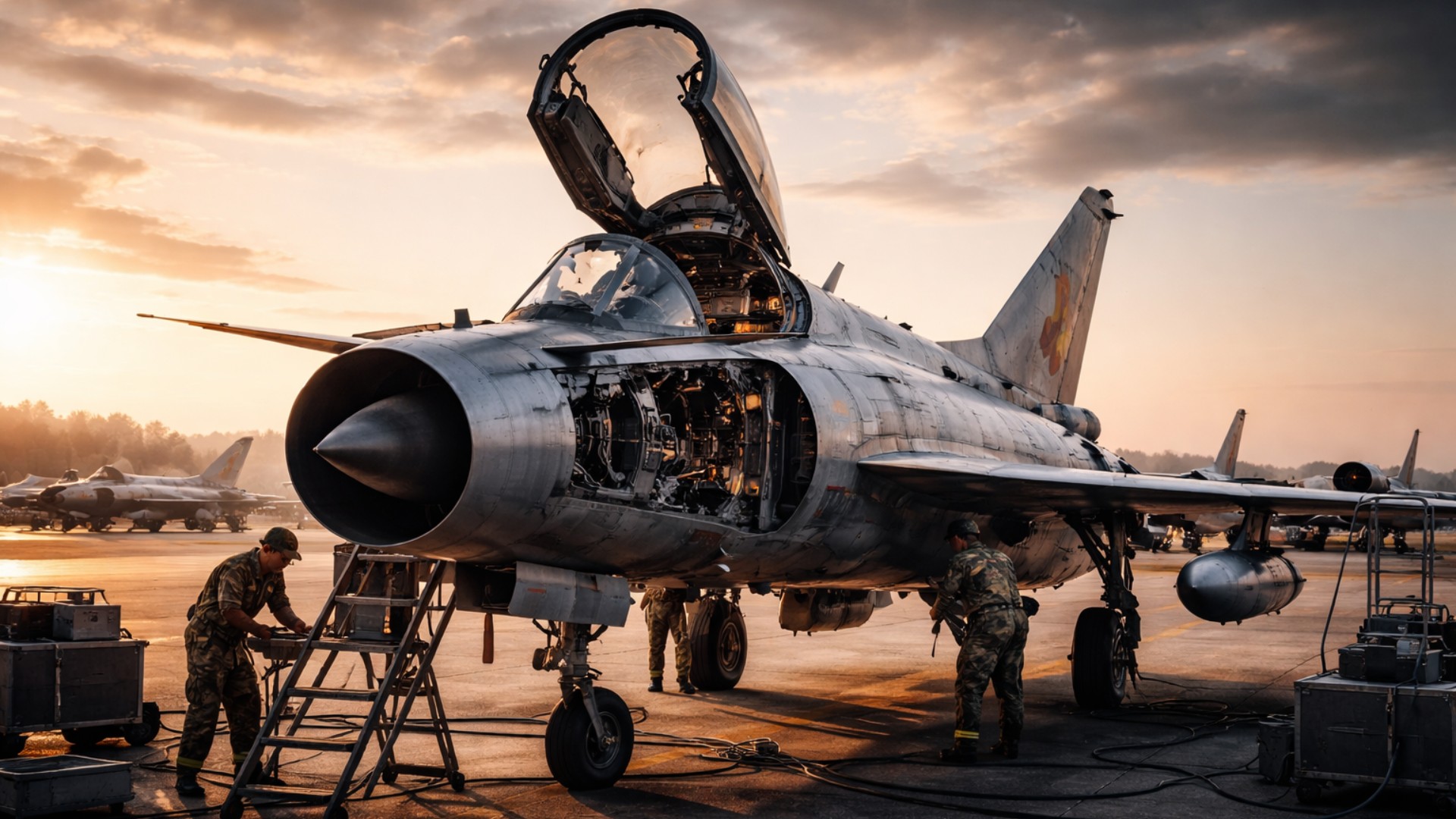
China retires the J-7 fighter after years of military protection and can now transform military items into drones, following more than 60 years of operation of the J-7, derived from the MiG-21, with thousands of units produced and strategic use in the PLAAF and PLANAF.
-
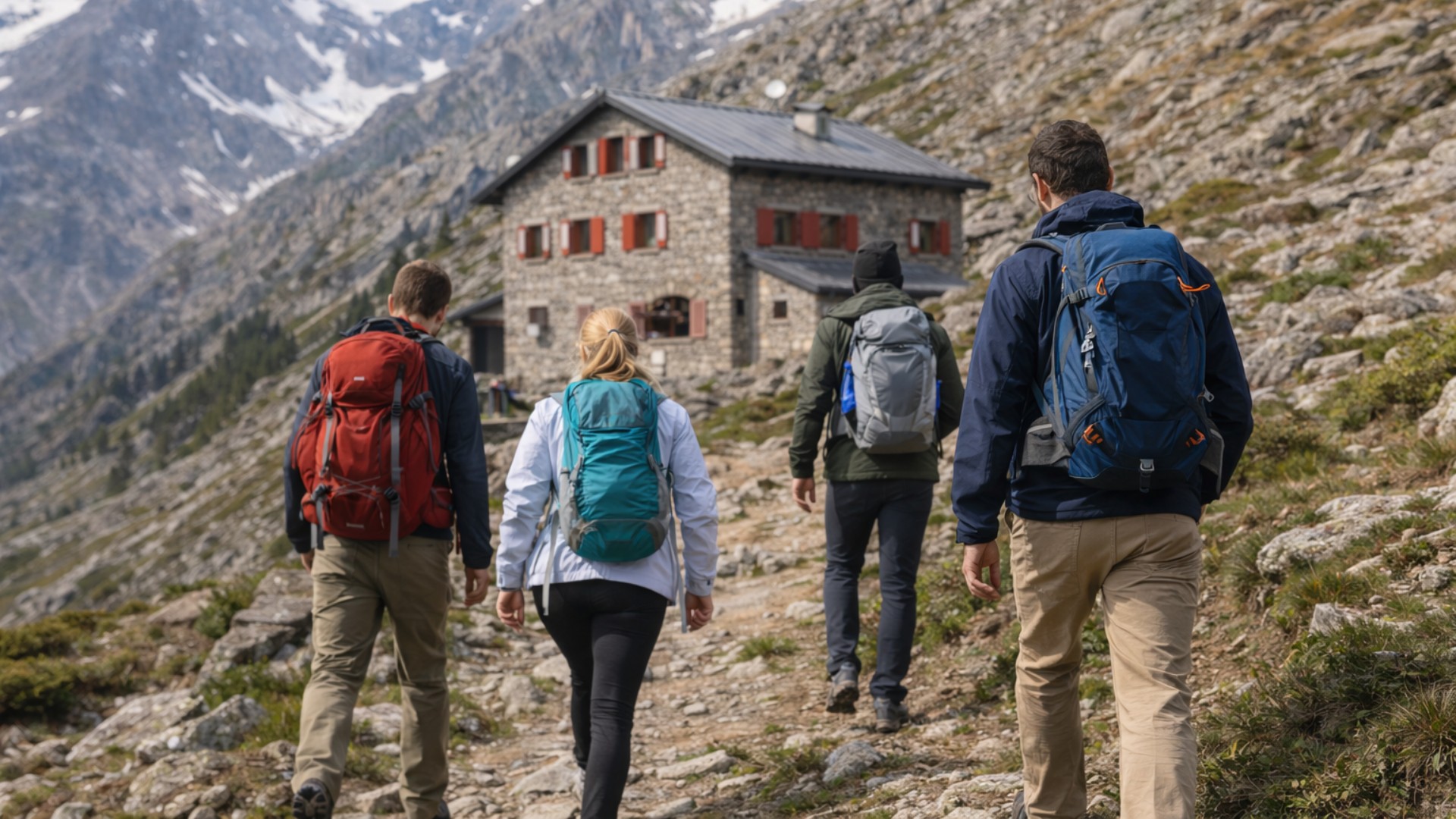
Volunteers are sought to live in the mountains for a month: a study pays people to stay at 2,500 meters, with 24-hour monitoring of sleep, metabolism, and blood pressure.

A Bike Lane That Connects Communities and Promotes Sustainable Mobility
The inclusion of the bike lane in the BR-280 duplication project represents a significant advancement in promoting sustainable mobility and integrating local communities.
With a length of 38 km, the exclusive lane for cyclists will connect Araquari to São Francisco do Sul, providing a safe and efficient route for cycling enthusiasts and for those who use bicycles as a means of daily transportation.
In addition to benefiting cyclists, the bike lane will also meet the demands of the indigenous communities affected by the duplication works.
The CI-PBA provides for, besides the bike lane, the purchase of land and construction of housing for the indigenous communities, among other compensatory actions.
BR-280 Duplication: Challenges and Advances
The duplication works of BR-280 began in 2018 but faced various challenges over the years, including stoppages and lack of funding.
The stretch between Araquari and São Francisco do Sul is considered the most complex of the duplication, due to the need for project realignment, construction of a bridge over the Linguado Canal, and installation of the bike lane.
In 2023, the federal government allocated R$ 80 million for the stretch, with part of the amount intended for land expropriations.
The forecast is that the duplication will be completed by December 2027.
Mobilization for Bike Lane and Cycling Tourism
The inclusion of the bike lane in the BR-280 duplication project has also boosted mobilization for a new cycling tourism route in Santa Catarina.
The idea is to extend the bike lane to Joinville, creating a connection with the former state highway, now municipalized, and promoting the development of cycling tourism in the region.
Compensations to Indigenous Communities
The CI-PBA for BR-280 provides for various actions to compensate for the impacts of the works on indigenous communities.
In addition to the bike lane, the acquisition of 4,400 hectares of land, construction of housing, cultural centers, and other works and services are planned.
These measures aim to ensure territorial security and sustainability for the affected indigenous communities, promoting re-territorialization and the development of productive activities.
Political and Social Engagement
The duplication of BR-280 and the inclusion of the bike lane in the project have mobilized political and business leaders in the region.
In April 2025, a public hearing in Araquari gathered about 200 people to discuss the resumption of the works and demand actions from the federal government.
Among the arrangements defined are the state-level administration of the BR-280 stretch, the creation of a committee to engage with the Ministry of Transport, and the separation of the Araquari and São Francisco do Sul stretches in future bidding processes.
Perspectives for the Future
The inclusion of the bike lane in the BR-280 duplication project represents an important step in promoting sustainable mobility and integrating local communities.
In addition to benefiting cyclists, the exclusive lane will also meet the demands of the indigenous communities affected by the works, promoting compensation for the impacts and contributing to the sustainable development of the region.
With the forecast for contracting the new project by the end of 2025 and completion of the duplication by December 2027, the expectation is that BR-280 will become an example of infrastructure that combines development, sustainability, and respect for local communities.
And what do you think about the inclusion of bike lanes in large infrastructure projects? Share your opinion in the comments!







Seja o primeiro a reagir!