





 Portuguese
  English
  Spanish
  4 min of reading
  0 comments


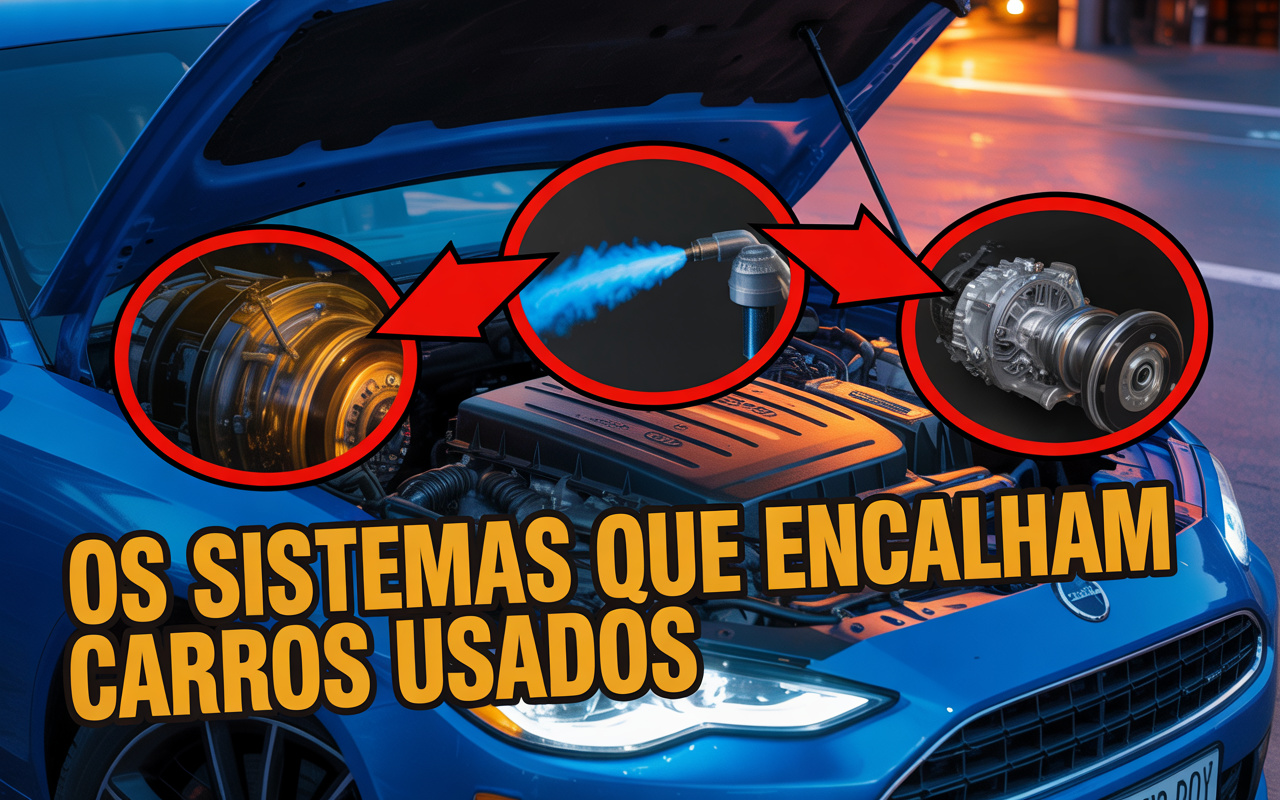
Oil-Coated Belt, Direct Injection, And Automated Transmission Eroded Confidence And Caused Several Modern Cars To Stagnate In The Used Market.
The used car market in Brazil has undergone a silent transformation in recent years. Technologies created to reduce consumption, emissions, and production costs have ended up becoming the main factor for depreciation and rejection of some models. Oil-coated belt, direct injection, and automated transmission have become technical terms known even by those who do not understand mechanics, precisely because they are associated with costly problems, unexpected breakdowns, and loss of consumer confidence.
Oil-Coated Belt: When The Solution Became The Biggest Problem
The oil-coated belt was created to reduce noise, friction, and production costs. In theory, it would last longer than metal chains. In practice, in engines like the 1.0 and 1.2 PureTech from Peugeot and Citroën, the system showed premature degradation.
Direct contact with oil causes the rubber to disintegrate, contaminating the lubricant with particles. This leads to clogging of channels, loss of oil pressure, and engine seizure.
-
The Toyota Hilux is R$ 75.5 thousand cheaper and bets on the 2.8 turbodiesel engine with up to 204 hp and 50.9 kgfm to catch up with the VW Saveiro, which leads with 4,472 sales.
-
The new Renault Koleos has a screen exclusively for the passenger that is invisible to the driver, heated rear seats, and 29 assistance systems, but its Chinese competitors cost R$ 40,000 less and deliver more power.
-
The car stored for 38 years: when opening the barn door, what appears is breathtaking and looks like a scene from a movie!

-
Fiat works miracles in the Brazilian market, lowers the price of its 0 km hatch to R$ 69,990, reestablishes the model as the cheapest car in the country, and reignites the battle against Kwid and C3.

Models like Peugeot 208, Peugeot 2008, and Citroën C3 have experienced a sharp decline in value precisely due to this elevated mechanical risk. Today, many buyers avoid any car with this system outside of warranty.


Direct Injection: Efficiency That Costs A Lot
Direct fuel injection improves performance and consumption but created a new type of chronic problem: severe carbon buildup on the intake valves. Unlike conventional injection, the fuel no longer passes through the valves, allowing dirt to accumulate quickly. This causes operational failures, loss of power, increased consumption, and irregular idling.
Engines like TSI, THP, TFSI, and GDI are classic examples. Models like Volkswagen Jetta TSI, Peugeot 308 THP, and Audi A3 TFSI require periodic cleaning due to carbon buildup, an expensive service. This extra cost directly reflects on depreciation and resale difficulties.
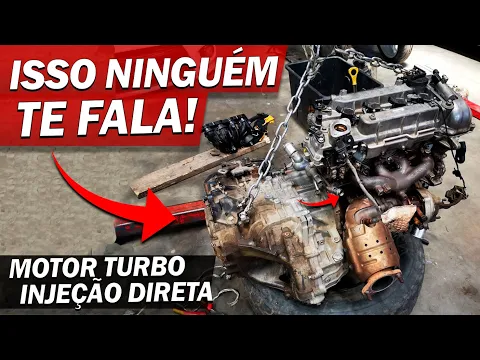
Automated Transmission: When The Promise Of Comfort Became A Nightmare
The automated single-clutch transmission was marketed as a cheap alternative to the automatic. In practice, it became synonymous with jerks, overheating, accelerated wear, and high repair costs. Systems like I-Motion, Dualogic, Easytronic, and GSR became known for their irregular behavior in urban traffic. The clutch wears much faster than in traditional manuals.
Models like Volkswagen Gol I-Motion, Fiat Dualogic, and Chevrolet Easytronic have become difficult to sell, even at low prices. Today, many dealerships won’t even accept these models as trade-ins.

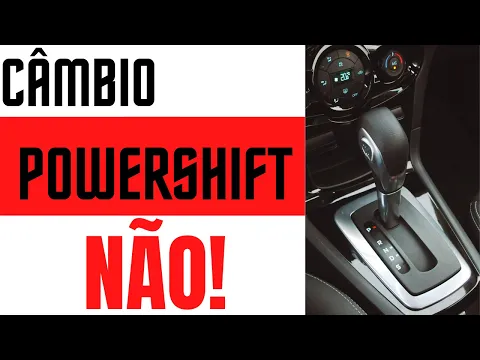
Powershift: The Dual Clutch That Became A Legal Case
The dry dual-clutch Powershift transmission used in Ford models became one of the most severe cases in recent automotive history in Brazil. Chronic failures in the clutch, mechatronics, and overheating generated thousands of legal complaints.
Models like Ford Fiesta PowerShift and Ford Focus PowerShift suffered brutal depreciation regardless of their condition. Even after warranty extension programs, market confidence was never fully recovered.
Why These Systems Dramatically Dropped The Liquidity Of Used Cars
The used car consumer seeks three basic things: predictability, affordable maintenance, and absence of chronic failures. When a system concentrates:
- High defect history
- High repair cost
- Lack of affordable parts
- Scarce specialized labor
the result is inevitable: the car “stagnates” in the market. Today it’s common to see:
- Modern cars with problematic technology costing less than older and simpler models
- Vehicles 5 to 7 years old valued less than manual and naturally aspirated versions 10 to 12 years old
What defines value is no longer the year but the mechanical risk perceived by the buyer.
The Systems The Market Has Come To Prefer Again
After so many problems, consumers have begun to value:
- Naturally aspirated engines with timing chain
- Indirect injection (multi-point)
- Conventional automatic transmissions with torque converter
This explains why technically simpler cars remain the easiest to sell, even though they are less modern.
Technology Without Reliability Turns Into Loss
The attempt to reduce production costs and emissions has ended up creating a generation of technically advanced cars but mechanically risky. And in the used market, the final cost is borne by the second owner.
Oil-coated belts, direct injection without adequate maintenance, and automated transmissions made it clear that not all innovation translates into real advantages for the consumer. Today, the market has learned the lesson. And the prices of used cars show this clearly every day.







Seja o primeiro a reagir!