Portuguese
 Spanish


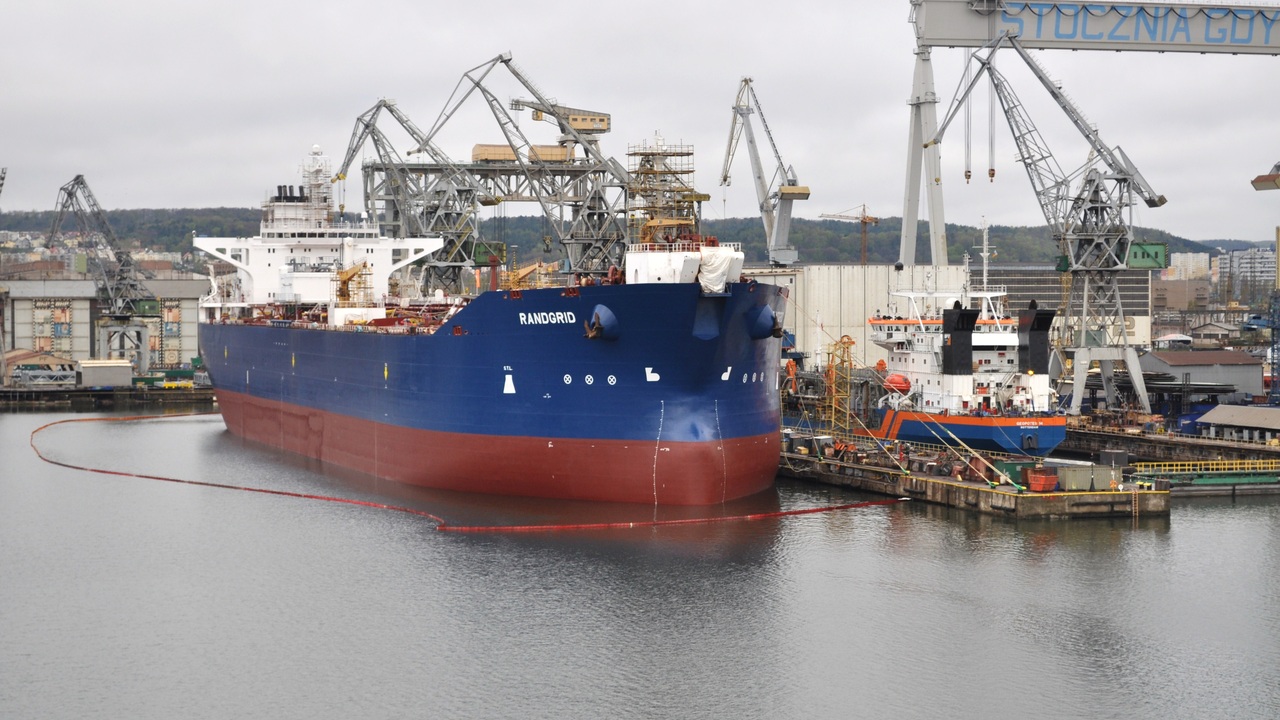

The FSO Odisseia is proposed to serve the Pampo and Enchova hubs. In Guarapari, discussion of the project included support-vessel routes crossing fishing areas and concerns about access to the sea.
The proposal to station the FSO Odisseia about 82 km off the coast of Quissamã, in Rio de Janeiro state, brought a discussion of support-vessel routes and the space available for fishing to Guarapari, in Espírito Santo state. At a meeting on the Bravo Project, fishers raised concerns about possible navigation restrictions and access to their fishing grounds. The study team identified routes crossing those used by the industrial fishing fleet. TV Guarapari’s coverage of the hearing.
Hearing date: A notice published by Ibama, Brazil’s environmental agency, in the Federal Official Gazette called the session for 3 p.m. on November 25, 2026, in Guarapari. TV Guarapari said it took place on November 26. The actual date has not been confirmed in minutes or an official recording located during reporting. Hearing notice in the Federal Official Gazette · Record of the hearing notice.
Support vessels may cross industrial fishing routes
Local coverage of the explanations presented at the hearing said the study calls for support vessels to depart from the Port of Açu in northern Rio de Janeiro state. Some of these routes cross areas used by Espírito Santo’s industrial fishing fleet. The analysis of this activity includes Vila Velha, Guarapari, Anchieta, Piúma and Itapemirim. Coverage also lists Marataízes among the municipalities included in the analysis of artisanal fishing.
-
ExxonMobil wins about 1 million barrels of government-owned Búzios crude in auction, including cargoes from the P-74 and P-77 platforms

-
How shipyards in Japan and China joined the hull of Shell’s Gato do Mato FPSO, which will operate in Brazil’s pre-salt fields
-
Two platforms are headed to Brazil and one remains at the shipyard: Petrobras’ plan to push Búzios above 2 million barrels a day of capacity
-
Brava brings second Papa-Terra well online, completing Campos Basin campaign phase
Fishing representatives interviewed in the coverage said that more support-vessel trips along these routes, together with any reduction in available fishing grounds, could affect how they plan trips to sea. The route crossings were presented as an impact under review. Whether restrictions will be imposed, what their limits might be and what measures could address the interference will depend on the environmental permitting review.
Odisseia would receive oil from platforms already in operation
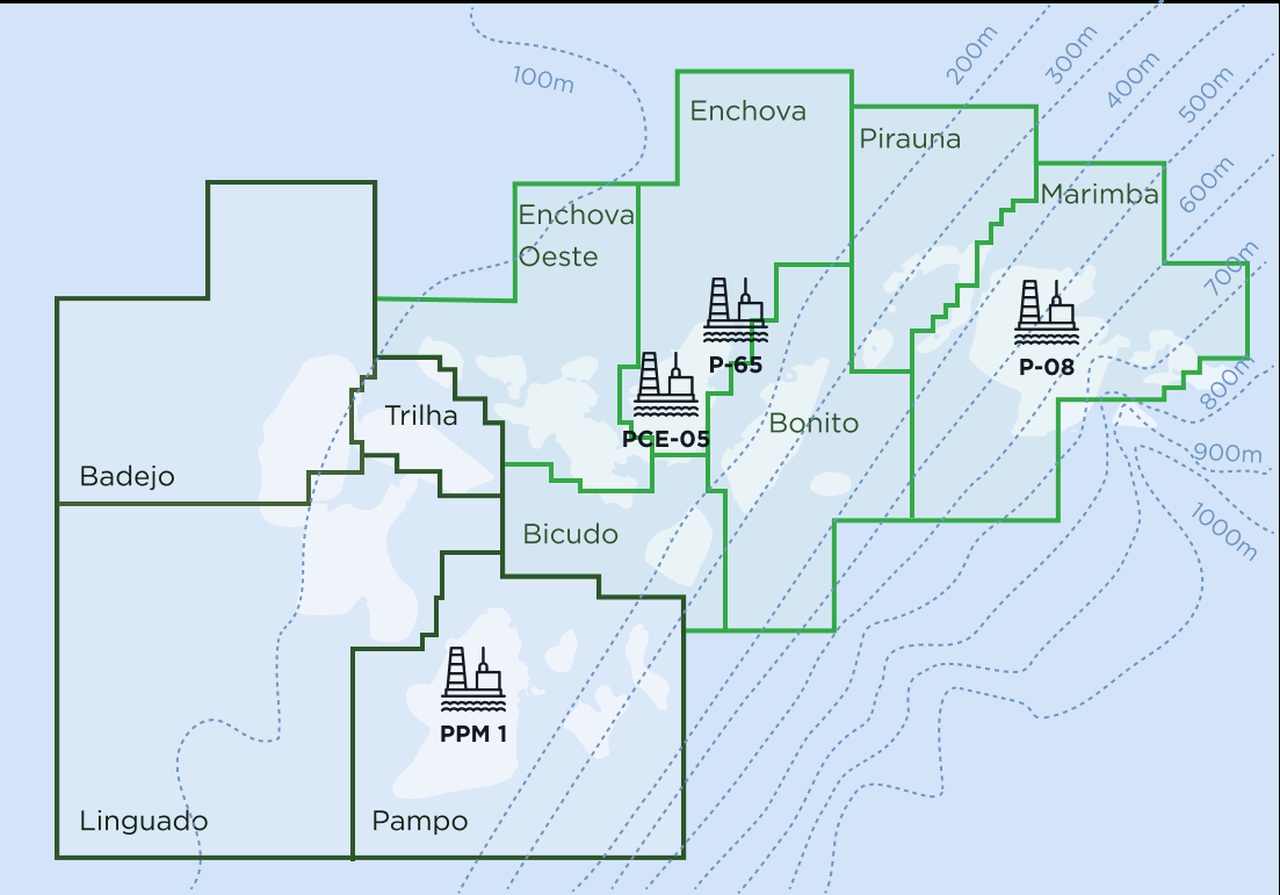
Odisseia is a floating storage and offloading vessel (FSO). Trident Energy’s project calls for connecting the vessel by pipeline to the fixed PCE-1 platform to receive oil from the Pampo and Enchova fields, store it and transfer it to tankers. The vessel is 265 meters long and has a storage capacity of about 886,000 barrels, according to the project. Trident’s assets in the Campos Basin · Vessel specifications and project summary.
Where to follow environmental permitting and find hearing documents
Ibama, Brazil’s environmental agency, is reviewing the application to install and operate the vessel. The hearing discussed the revised Environmental Impact Report and is an opportunity to answer questions and gather input. To follow any changes to support vessel routes, measures for the fishing industry and upcoming decisions, consult case No. 02001.001755/2024-22 on Ibama’s website. Ibama page with the case file and access to environmental studies.