Portuguese
 Spanish


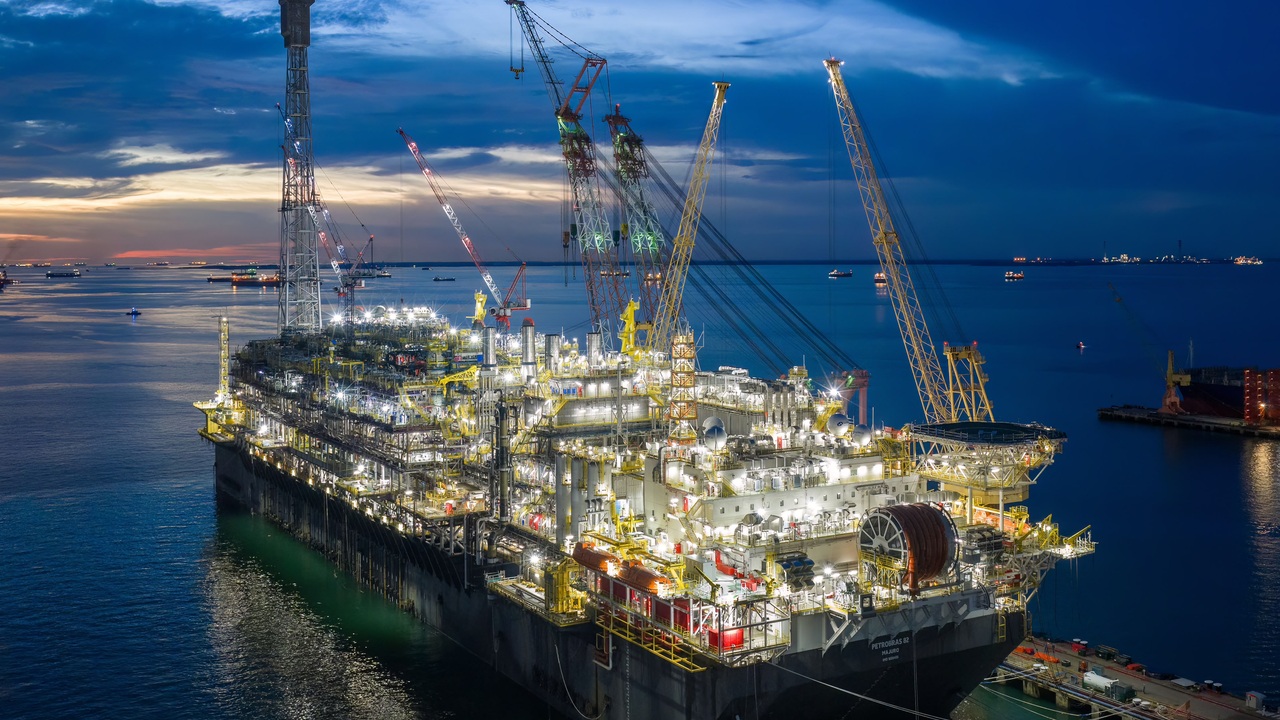

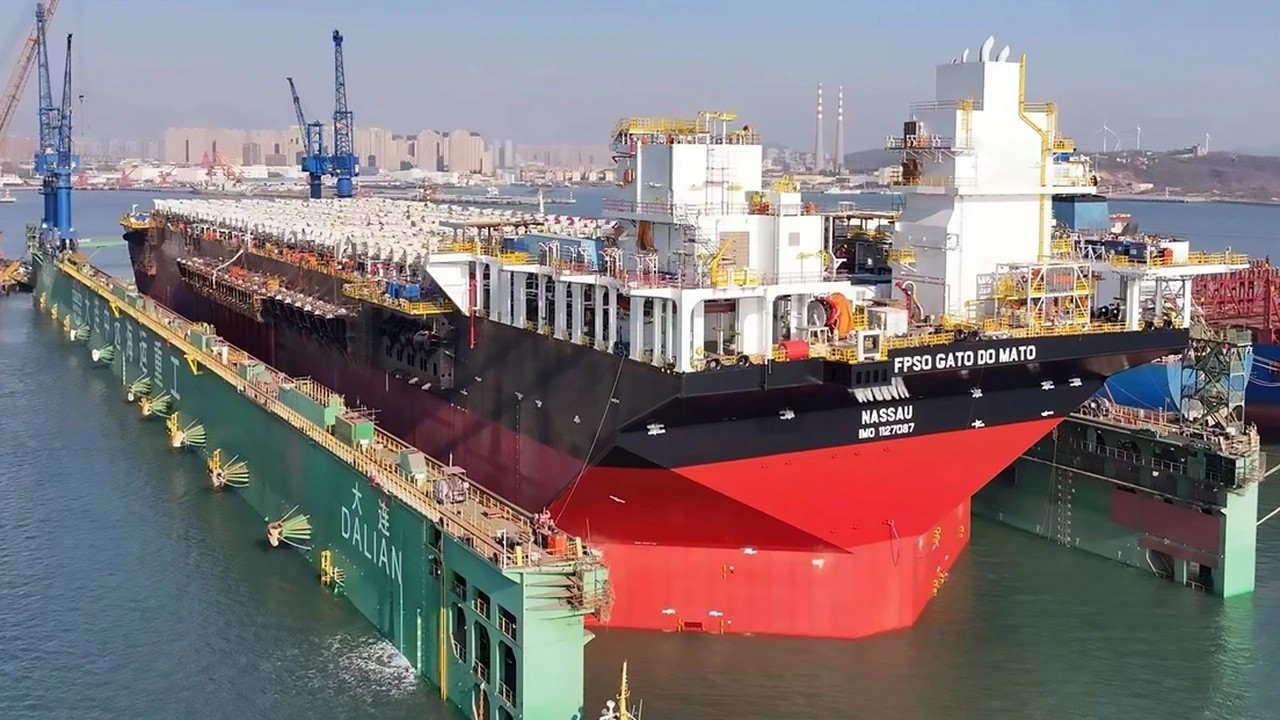
P-80 and P-82 have left Singapore, while P-83 was preparing to leave the shipyard, according to Petrobras’ update. All three are scheduled to begin operating at the Búzios field in 2027. Here is what remains between the voyage and first oil.
Two of the three platforms Petrobras plans to bring online at Búzios in 2027 have already left the shipyard in Singapore. In its business plan approved on November 23, 2026, the state-owned oil company listed the P-80 and P-82 as en route to Brazil and the P-83 as preparing to depart. With all three units, the company expects the field’s installed capacity to rise from 1.33 million to more than 2 million barrels of oil per day. Petrobras presentation filed with the U.S. Securities and Exchange Commission (SEC).
Where each platform stands in the Búzios schedule
| Platform | Status in the November plan | Nominal capacity | Expected start-up |
|---|---|---|---|
| P-80 · Búzios 9 | En route to Brazil. Left Singapore on September 30. | 225,000 barrels per day | 2027 |
| P-82 · Búzios 10 | En route to Brazil. Left Singapore on October 18. | 225,000 barrels per day | 2027 |
| P-83 · Búzios 11 | Preparing to leave the shipyard. | 225,000 barrels per day | 2027 |
The P-80 left Tuas Boulevard Yard on September 30. The floating production vessel is about 345 meters long and carries equipment to receive, separate and process fluids from the wells at Búzios 9. Announcement on the P-80’s departure.
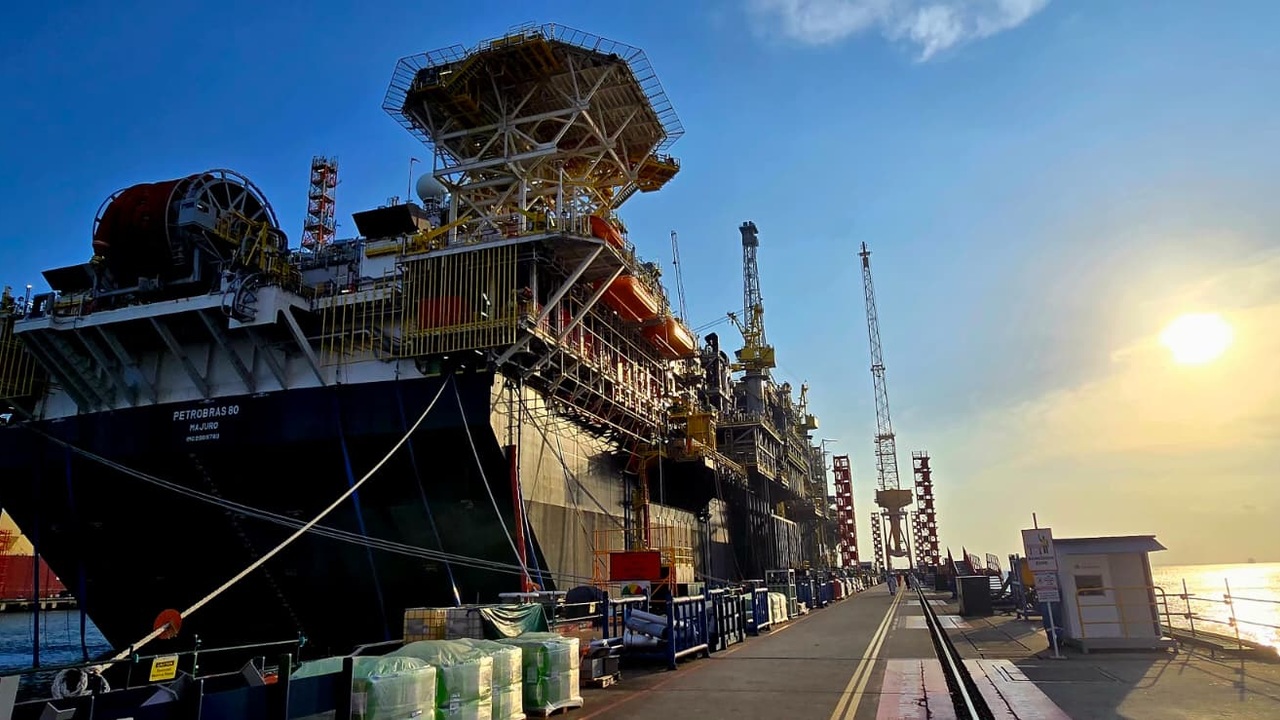
The P-82 left the same shipyard on October 18. In addition to its nominal oil capacity of 225,000 barrels per day, the Búzios 10 unit was designed to compress up to 12 million cubic meters of gas per day. Announcement on the P-82’s departure.
-
Brava brings second Papa-Terra well online, completing Campos Basin campaign phase

-
Petrobras seeks a subsea robot weighing up to 30 kg to use heat against invasive sun coral colonizing oil platforms
-
After 7,000 hours of recordings in the Santos Basin, Brazilian Navy to produce underwater acoustic systems with OceanPact Tech

-
Foresea accumulates $1.7 billion in offshore drilling contracts, keeps five Petrobras-linked rigs operational until 2027, expands operations with PRIO

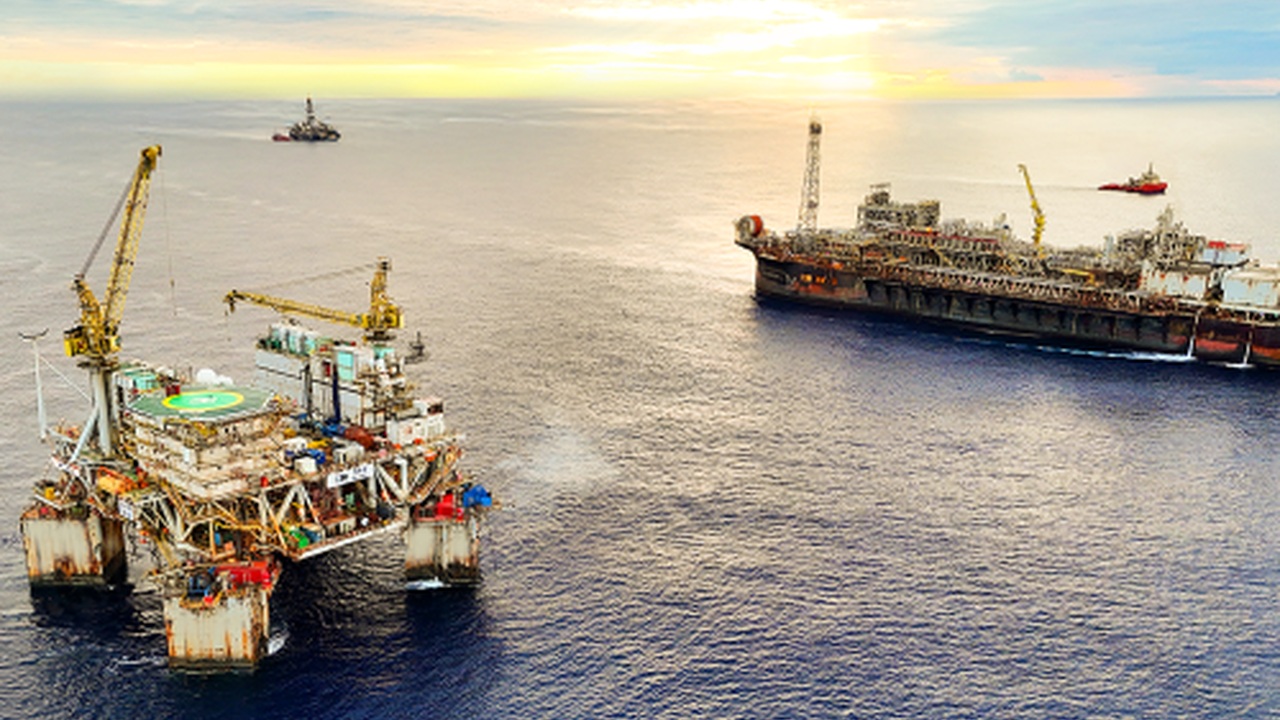


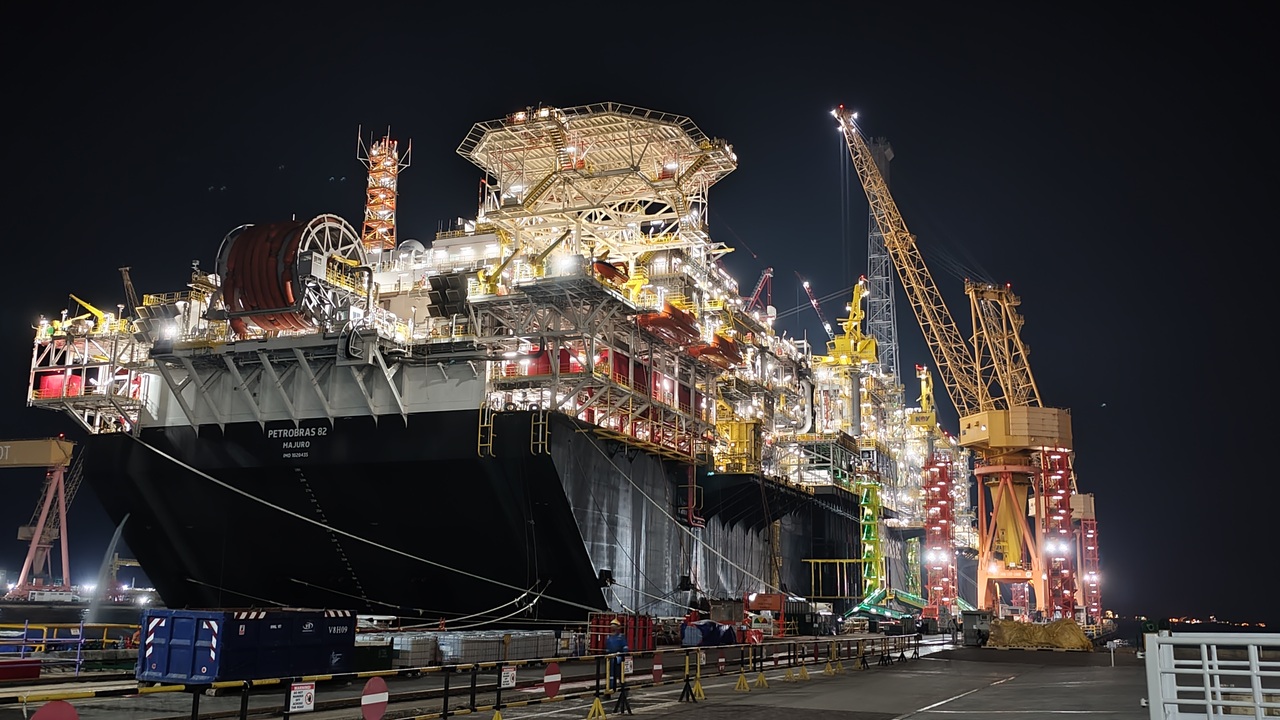
The P-83 will be deployed to Búzios 11. A November presentation says the unit was preparing to leave the shipyard. Production is scheduled to begin in 2027, as it is for the two units that have already departed. P-83 fact sheet in the construction contract announcement.
What happens between arrival and first oil
At the field, each floating production vessel must be positioned and anchored, the lines from the wells must be connected, and the unit’s systems must be tested. These steps prepare it to begin operations. First oil marks the start of production. As wells are connected and the unit’s systems are stabilized, output can increase gradually.
Each unit’s 225,000 barrels per day represents its nominal oil-processing capacity. Together, the three add 675,000 barrels per day of nominal capacity. This increase underpins the projection that the field will have more than 2 million barrels per day of installed capacity in 2027. Actual production will depend on the pace at which the platforms come online and on well availability.