





 Portuguese
  English
  Spanish
 3 min of reading


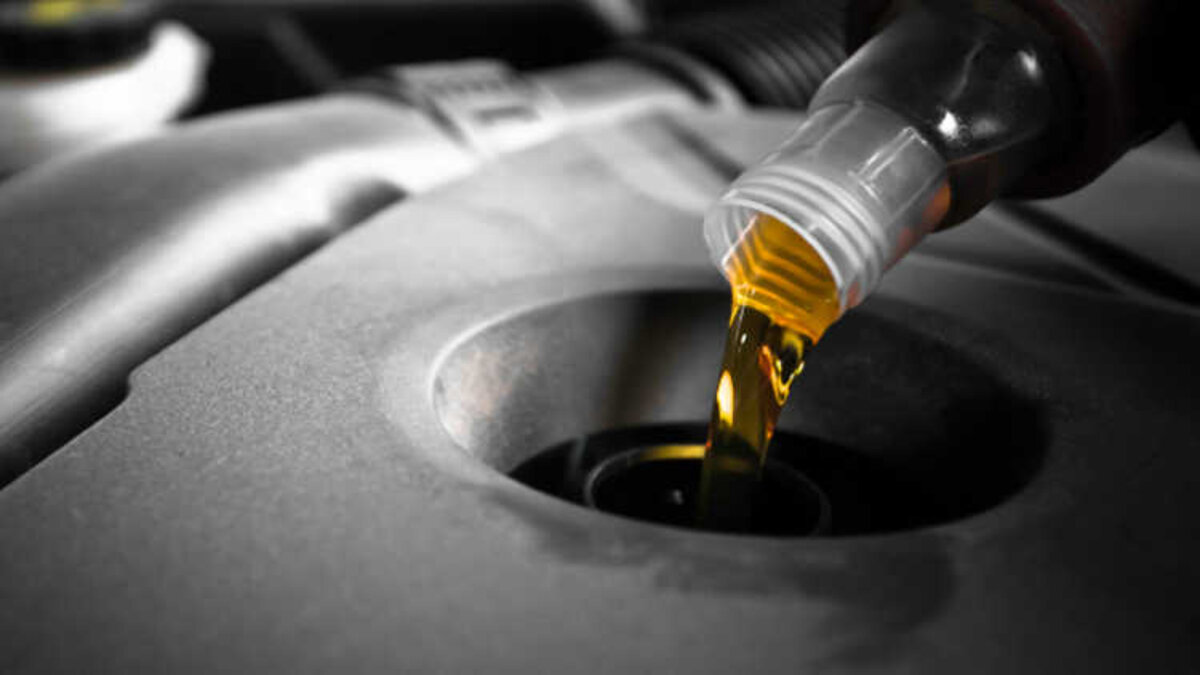
Causing Irreplaceable Damage to Nature, Used Lubricating Oil Is Highly Toxic and Its Destination Should Be a Company for New Refining
The disposal of lubricating oil in Brazil and around the world can cause various harms. However, not all cities have a collection point or a final destination for this liquid. Thus, disposal occurs in any way, whether in nature or in rivers, greatly harming the lives of various animals. Therefore, due to its high difficulty in degrading in the environment, it is recommended that, after being used, it be returned to refineries.
Thinking about the risks to human life, as well as a financial return, Ceará has been increasingly active, proving to be one of the pioneers and protagonists when it comes to recycling this liquid. Among the nine states that make up the Northeast, Ceará is the one that most effectively treats used oil. Thus, the state collects 13% of the used lubricant in the region.
Check Out More News:
What Are the Dangers of Used Lubricating Oil?
As a waste composed of petroleum derivatives and other toxic compounds, its disposal in open areas is one of the most common mistakes. Due to its composition, it becomes highly difficult to degrade at the disposal site. In some situations, it can take decades. When discarded in the soil, the location will lose its fertility, and if there is a nearby harvest, it will be destroyed.
-
The next exploration auction in the pre-salt will offer 23 blocks in the Campos and Santos basins and may change the interest of oil companies in Brazil.

-
The next exploration auction in the pre-salt will offer 23 blocks in the Campos and Santos basins and could change the interest of oil companies in Brazil.

-
Red Sea, from biblical site to oil hope: South Korea reveals ambitious plan to create new oil routes through the Red Sea with the dispatch of 5 ships, agreements with 3 countries, and a focus on the strategic port of Yanbu.

-
SISTAC expands contract with Petrobras for maintenance of platforms in the Santos, Campos, and Espírito Santo basins using ROV and specialized underwater operations.

According to Biotech Recycling, each liter of used lubricating oil can contaminate about 1 million liters of water. Thus, even if a small amount is disposed of, the results of this action can be catastrophic. Therefore, if you are unsure whether your city has a collection point, just go to a gas station or refinery and let them handle the proper disposal.
In 2020, 115 municipalities participated in a collective collection, and together they collected more than 7 million liters of used lubricating oil. After being collected, it was transferred for new refining, in accordance with the rules of SIMP (Product Movement Information System), linked to ANP (National Agency for Petroleum, Natural Gas and Biofuels).
Ceará Will Install Collection Center for Used Lubricating Oil
To further contribute to the population and the environment, the state of Ceará will install the first and only collection center authorized by the ANP. The expectation is that the number of liters collected will double by the end of the year. The center will be located in Eusébio, in Fortaleza, the state capital. The responsibility for ensuring everything goes well lies entirely with LWART.
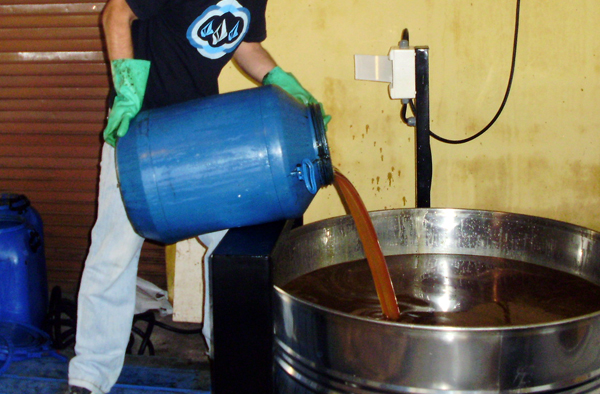
This is a 100% Brazilian company but has a global reference when it comes to new refining. This is the company’s third planned site in the Northeast, creating jobs for the local residents as it expands to more municipalities. Used lubricating oil is employed by machines and some industrial equipment, whether in the infrastructure or automotive sector.
Immediately after being used, it loses its function due to the decomposition of some compounds present in its constitution. Thus, in addition to no longer being useful, its toxicity at this moment is quite high, potentially causing severe and irreversible damage. It is so dangerous that the law itself prohibits this type of lubricating oil from being reused for fuel burning or any other purposes. The ideal is to take it for new refining and thus save and preserve life. In 2020, more than 450 million liters of this fuel were collected and taken for new refining.










Seja o primeiro a reagir!