






 Portuguese
  Spanish
  3 min of reading


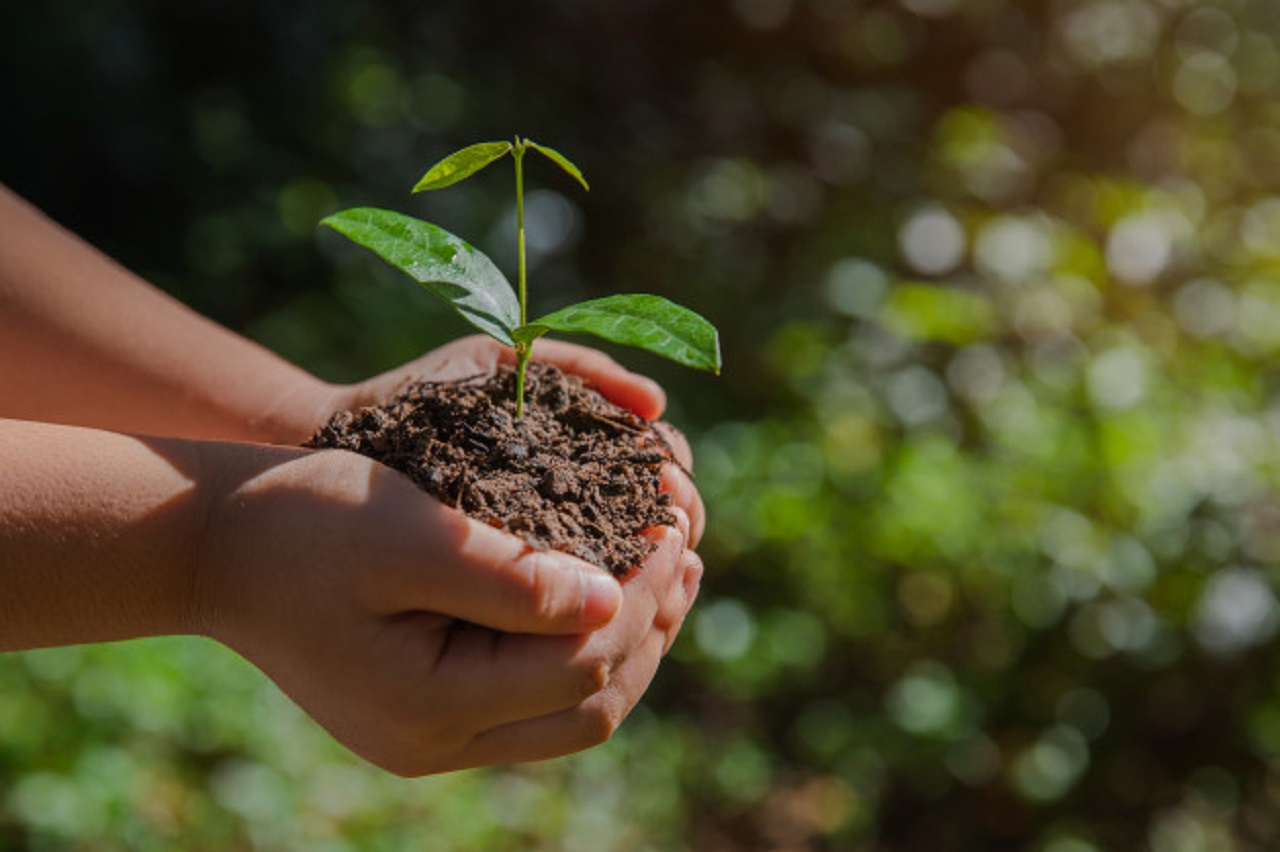
In The Execution Of Works, The Extraction Of Nature Occurs In Civil Construction, As Diverse Natural Resources Are Utilized.
In the execution of works, the extraction of nature occurs in civil construction, as diverse natural resources are utilized, such as: electricity, water, exploration of other natural resources. However, with the growth of the number of constructions in Brazil, the adoption of sustainable processes to mitigate these impacts on nature has become essential.
On average, in Brazil, 800 kilograms of waste are generated in civil construction per inhabitant. In addition to all this extraction of resources, civil construction generates impacts with carbon emissions. According to the International Council for Construction (CIB), the sector represents 40% of energy consumption and 30% of global greenhouse gas emissions.
What Can Civil Construction Learn From Nature?


The exploration of nature in civil construction can be minimized if some measures are taken, such as opting for sustainable materials, as these generate less impact on nature. ”Make the choice of sustainable materials such as, for example, the release agents, which can be composed of oils based on animal, vegetable, or mineral sources as alternatives to avoid harming nature,” said Fabio Camargo, director of Camargo Química.
-
India assembles two giant tunnel boring machines weighing over 3,000 tons to dig the country’s first underwater railway tunnel, with 7 km under Thane Creek and high-speed train tracks running up to 114 meters deep.

-
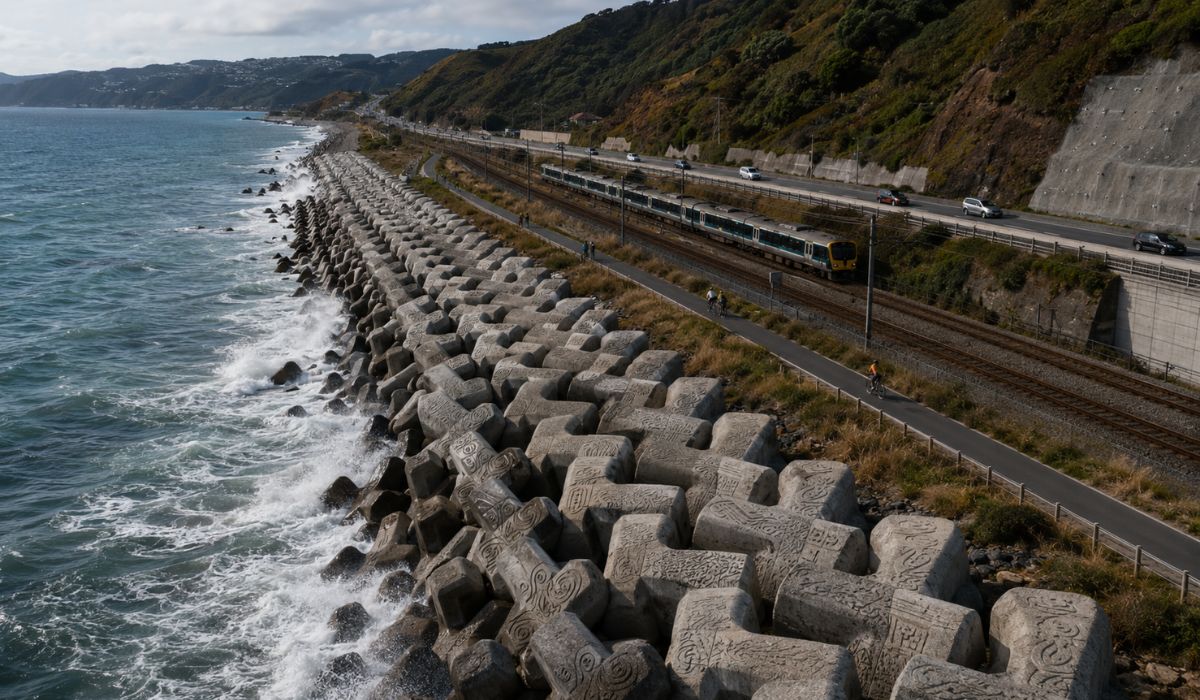
New Zealand aligns nearly 7,000 X-shaped concrete blocks like puzzle pieces to protect railway, highway, and cycle path against waves, erosion, and earthquakes on one of Wellington’s most sensitive coasts.
-
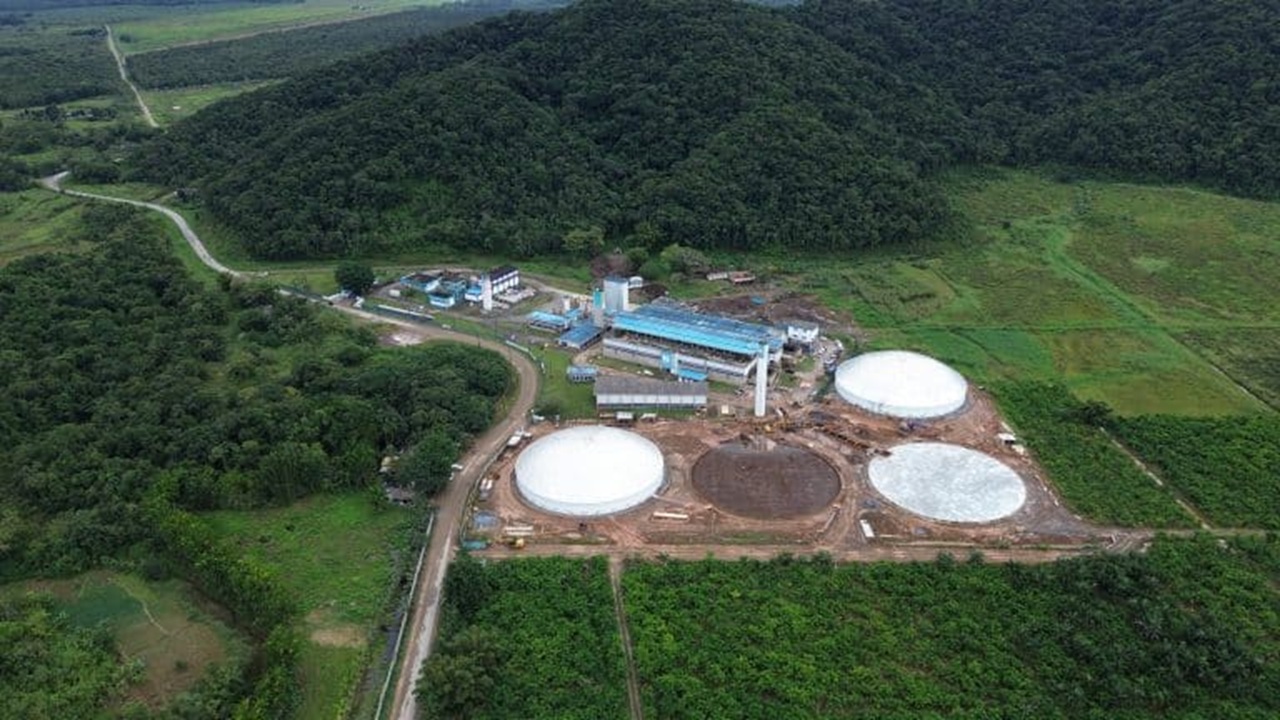
Baixada Santista receives water reservoirs worth R$ 84.6 million in Itanhaém with 20 million liters to reinforce the supply for 1.2 million residents in five cities.

-
A river buried under a highway became an urban park in Seoul after a multimillion-dollar project at Cheonggyecheon, attracting 64,000 visitors per day, increasing biodiversity by 639%, and showing why cities are replacing concrete with water and green areas.


For care with nature in civil construction to be lasting, adopting processes that create this identity in the execution processes of works is essential so that this extends to all stages of the project. “Adopt a culture of material reuse, invest in intelligent waste management processes,” emphasized Fabio.
Since, in some stages of the works, the use of electricity can be dispensed with, avoiding unnecessary use of power services by turning off unused equipment will mitigate the impacts on nature in civil construction, as it will contribute to nature while also reducing electricity costs. “Avoid excessive consumption of energy, water, and other natural resources. Adopt consumption reduction policies. If possible, use a water recycling system,” he said.
As for materials that are discarded during the works, giving the correct direction to them will allow, for example, other companies to use this waste as raw material for other products, as is the case with recycling companies. “Pay attention to the disposal of waste generated in construction. Try to direct demolition waste and construction waste to the correct disposal location,” highlighted Fabio Camargo.
To stay updated on the main topics about civil construction, follow our blog. Here, we cover the main topics in the sector and also provide tips on how to execute services efficiently and economically.
About Camargo Química
A company with over 13 years of operation in the civil construction, metalworking, furniture, water, and commodities markets. With innovative solutions, the company is headquartered in Blumenau-SC, with a unit in Itumbiara-GO, another in Recife-PE, and a Distribution Center in Ciudad Del Este – Paraguay.
It has a broad structure of professionals and a team of specialist technical consultants working throughout the national territory. To learn more, visit: www.camargoquimica.com.br





Be the first to react!