





 Portuguese
  English
  Spanish
  4 min of reading
  0 comments


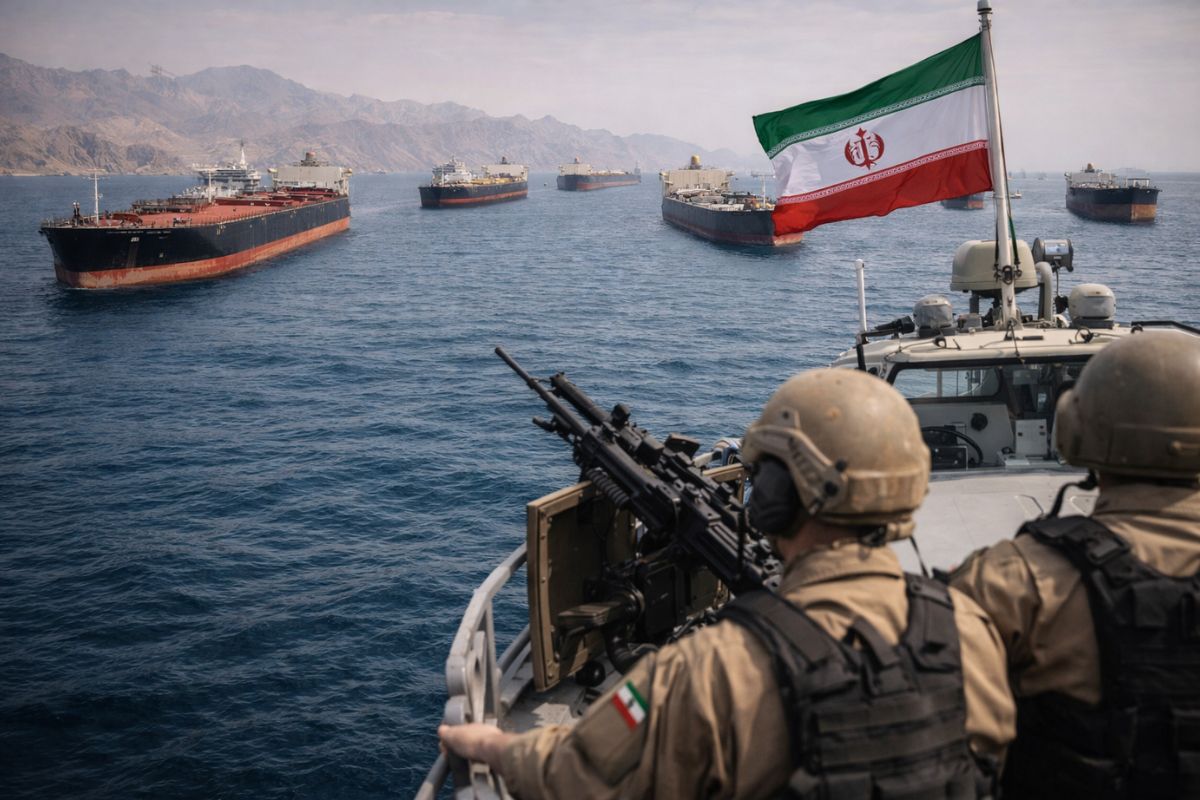
The ceasefire between the US and Iran has been signed but the strait through which 20% of the world’s oil passes remains practically closed and the price of the barrel has risen again this Thursday with Brent closing at $95.92 and WTI returning to the range of $97.87
The ceasefire was supposed to resolve things and ships were supposed to be passing. It did not resolve. The Strait of Hormuz, the most important maritime passage on the planet for the energy market, remains practically paralyzed this Thursday (9) despite the truce between the United States and Iran.
The numbers are alarming. Only 7 ships crossed the strait in the last 24 hours, according to data from Kpler, Lloyd’s List Intelligence, and Signal Ocean compiled by CNN Brasil and Reuters. The normal volume, before the conflict, was about 135 crossings per day. This means that current traffic is operating at less than 5% of capacity.
Among the 7 ships that managed to pass, only one was an oil tanker. The others were carrying dry cargo, such as cereals. No gas ships have crossed the strait since the announcement of the ceasefire, according to data from Kpler.
-
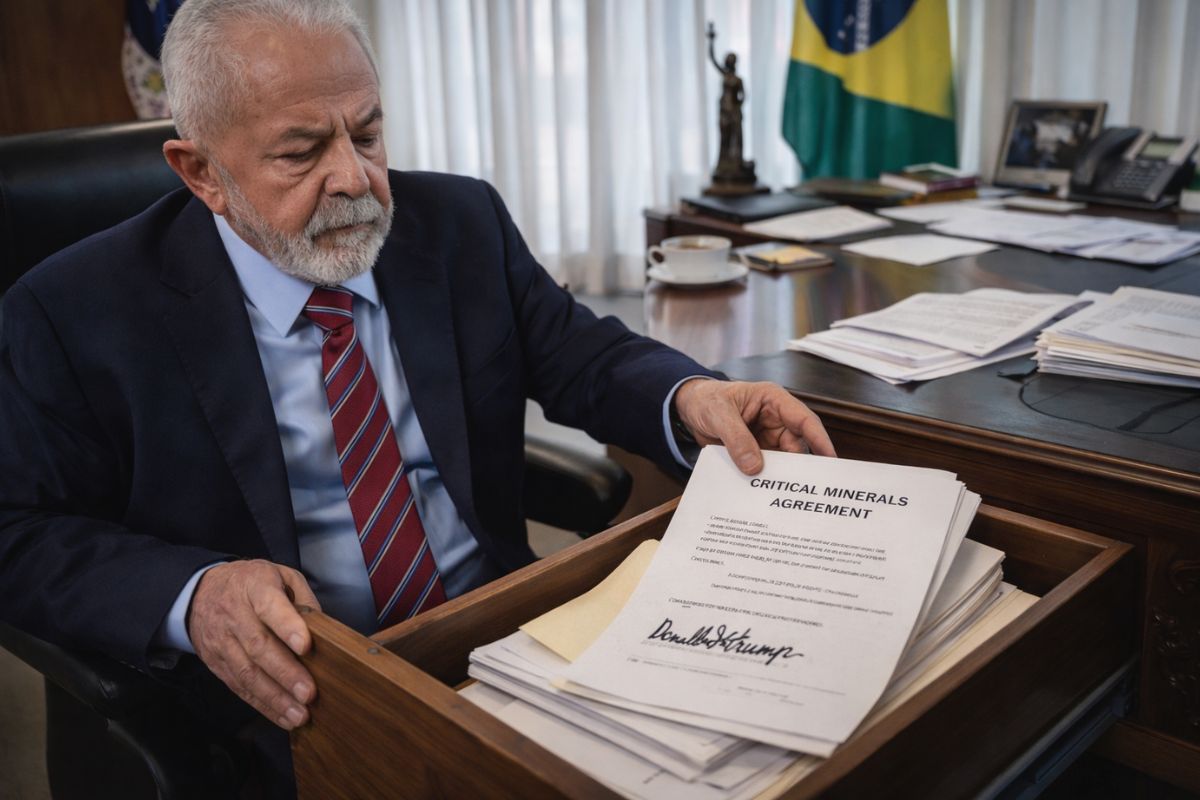
Trump sent a treaty on critical minerals to Lula in early 2026, and the document is sitting in the president’s drawer unsigned because the Brazilian government considers the proposal too generic and refuses to turn the country into a mere exporter of raw materials.
-
R$ 7 billion forgotten in the FGTS may finally be released after failures in the 2025 measures, while millions of workers find out they may have unclaimed money.

-
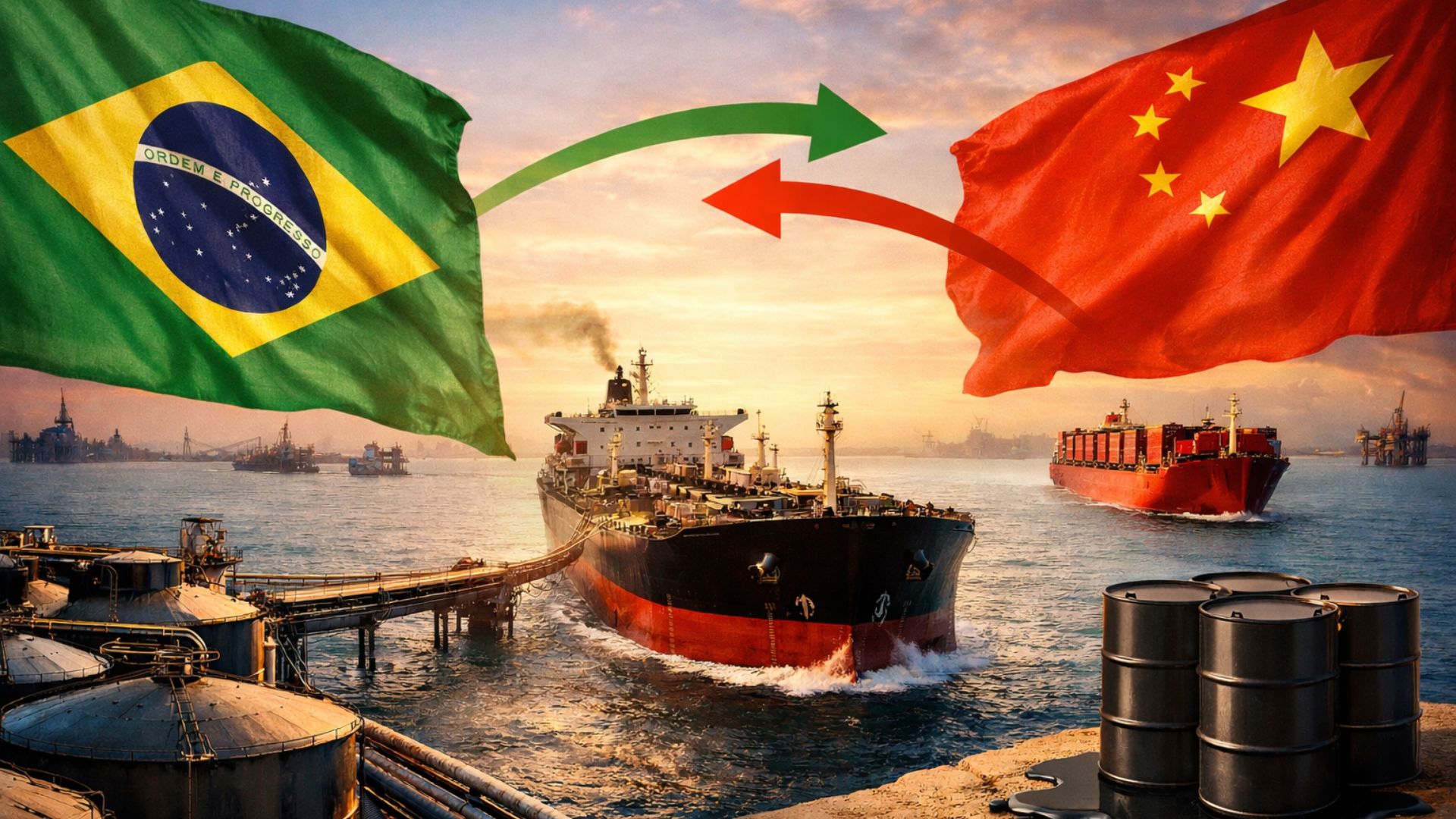
Brazil’s oil exports soar with record purchases from China, potentially generating a new cycle of economic growth, increasing external revenues, and consolidating the country as a global strategic supplier.
-
São Paulo has connected its two airports by rail for the first time in history, and now you can travel by train from Congonhas to Guarulhos for just R$ 5.40. However, the journey requires four transfers, takes about two hours, and only operates during a narrow time window that almost no one can use.

What did the United Arab Emirates say?
The Minister of Industry of the United Arab Emirates, Sultan al Jaber, who is also the CEO of the Abu Dhabi National Oil Company, left no room for interpretation. “The strait is NOT open”, he declared on social media this Thursday.
Al Jaber went further. According to him, 230 oil-laden ships are ready to set sail but are prevented from leaving the Persian Gulf. The minister called for “full, unconditional, and unrestricted” opening, labeling the militarization of the waterway as “unacceptable”.
“Energy security and global economic stability depend on this”, he added.
What is Iran doing?
In practice, Iran has turned Hormuz into a sovereign control post. Ships wishing to cross must obtain prior authorization from the Iranian Revolutionary Guard, navigate a specific route that passes by Larak Island, and follow detailed instructions from the Iranian navy.
According to the Russian state agency TASS, Iran will allow a maximum of 15 vessels per day, far below the usual flow. The British agency Ambrey warned that risks persist especially for ships affiliated with Israel and the United States, and that even vessels with apparent approval have been turned back mid-crossing in recent weeks.
An independent American analysis company, Citrini Research, sent an analyst to the Musandam Peninsula in Oman to personally verify the situation. The report confirmed that the disruption is real, albeit partial, with about 15 ships per day managing to pass, well below normal levels.
What is happening with the price of oil?
The market reacted. Brent closed up 1.23% this Thursday, at $95.92 per barrel. WTI rose 3.66%, to $97.87, having briefly returned to the three-digit range for the first time since the announcement of the ceasefire.
Physical crude oil has already reached recent historical highs, with Brent hitting $146 per barrel in certain contracts. Volatility remains high because the market does not believe that reopening will be quick.
Analysts from Vanda Insights state that the chances of a significant reopening soon are slim. Citrini Research predicts that the new normal will involve a permanent risk premium and that traffic may take 4 to 6 weeks to reach 50% of pre-conflict volume.
Why does this matter to Brazil?
Because Hormuz is not a distant problem. Brazil depends on the Strait of Hormuz for approximately 35% of the nitrogen fertilizers it imports, according to data compiled by CPG. Additionally, the country exports up to 23% of its corn production to Iran.
The blockade has already impacted diesel prices, maritime freight, and agricultural inputs in the Brazilian market. If the strait remains restricted for weeks, the ripple effect reaches the harvest, food prices, and the cost of living for Brazilians.
What lies ahead?
The United Kingdom has called a meeting of military planners for next week to discuss “viable options” to make Hormuz safe for navigation. Britain has accused Iran of holding the global economy hostage. Diplomats from over 40 countries met this Thursday to discuss ways to pressure Tehran.
Gulf and Asian countries are already evaluating long-term alternatives, such as new pipelines that bypass the strait. Saudi Arabia, which has prepared for this scenario for years, is already using its 1,200 km East-West pipeline to transport up to 7 million barrels per day through the port of Yanbu on the Red Sea, without passing through Hormuz.
But for most producing and consuming countries, there is no quick alternative to Hormuz. And while 230 oil tankers wait to set sail and only 7 ships manage to pass per day, the entire world pays the price in every liter of fuel, every sack of fertilizer, and every product that depends on oil to exist.
The ceasefire has stopped the missiles. But it has not opened the strait. And as long as Hormuz does not truly open, the ceasefire is just a piece of paper.
With information from CNN Brasil, Reuters, Observador (Portugal), Poder 360, Financial Times, and Kpler.







Seja o primeiro a reagir!