





 Português
  Inglês
  Espanhol
  3 min de leitura
  0 comentários


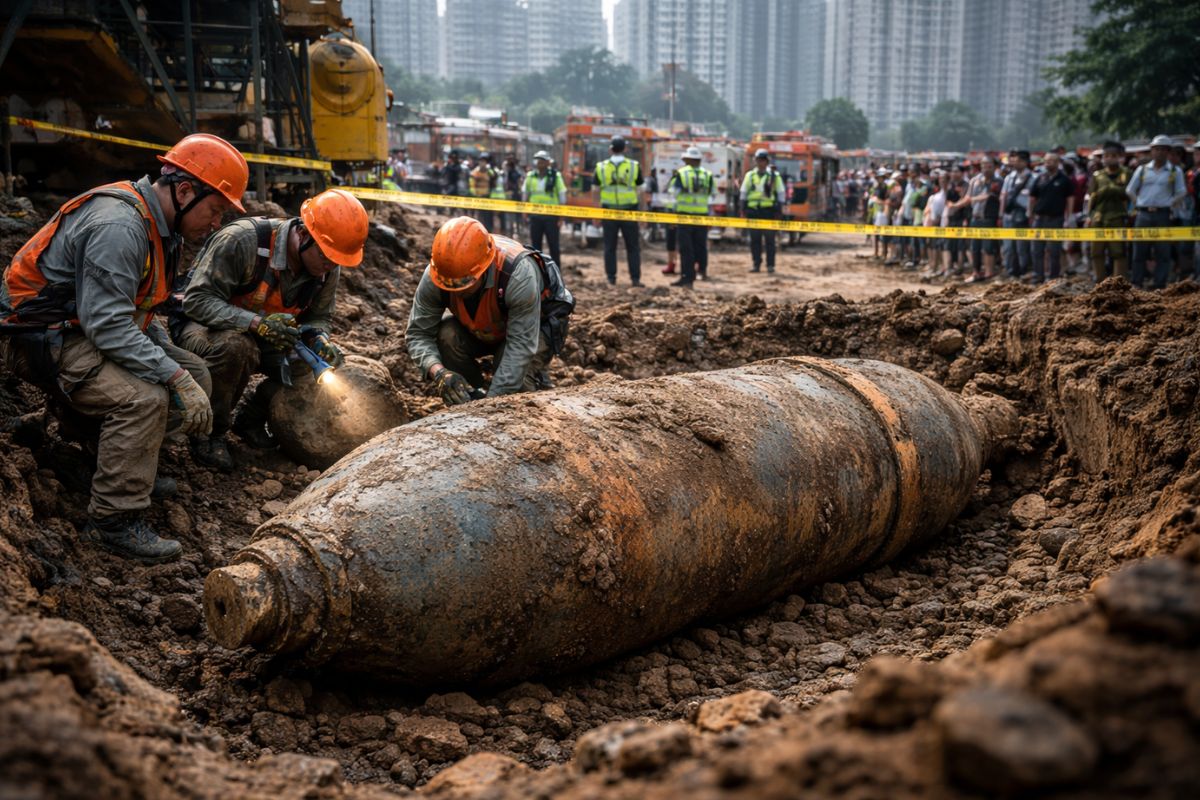
Workers working on a construction site in Hong Kong ended up triggering a large security operation after locating a bomb weighing about 450 kilograms from World War II, a discovery that led authorities to evacuate thousands of residents and mobilize experts in explosive disposal
At the center of the operation that mobilized authorities and residents were construction workers, responsible for finding an unusual object buried in a construction site on Hong Kong Island. What initially seemed like just an old metallic artifact turned out to be something much more dangerous.
After an initial analysis by the authorities, workers had discovered a bomb leftover from World War II, about 1.5 meters long and approximately 450 kilograms. The confirmation triggered a large evacuation operation in one of the city’s busiest urban neighborhoods.
Discovery Made by Workers at an Urban Construction Site

The discovery occurred in the Quarry Bay neighborhood, a busy residential and commercial area in the western part of Hong Kong Island.
-
More tolls! The Anchieta-Imigrantes system will start implementing charges in both directions with free flow on July 1st, a fee of R$ 19.35 per segment, the end of toll plazas, and a project for a new 21.5 km lane.

-
A Brazilian city has a water park in the middle of the forest with tickets priced at R$ 29, over 300,000 m², 40 attractions, heated pools, and a record of 700,000 visitors in one year.

-
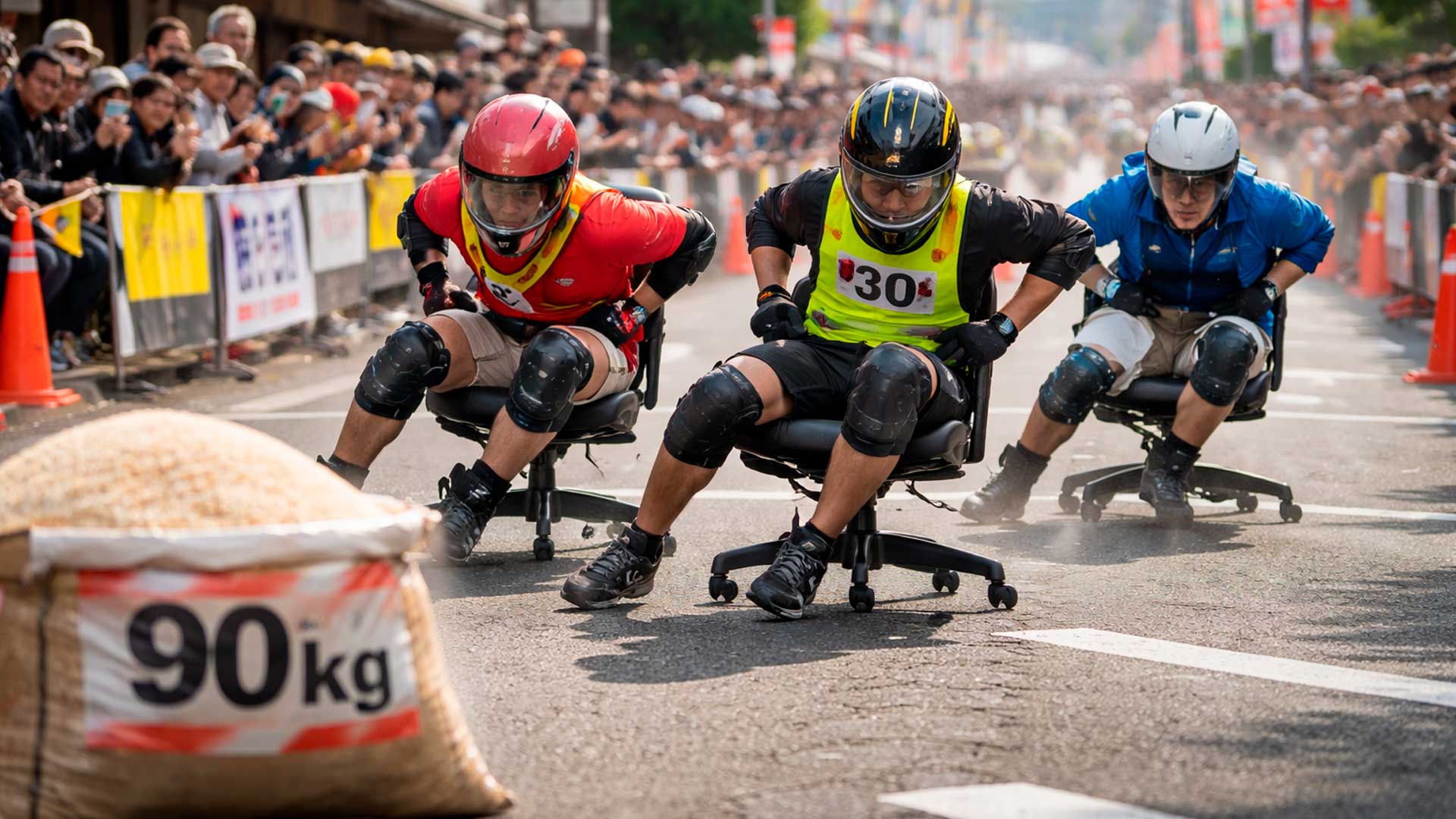
With an unusual prize, Japan transforms office chairs into a resistance race on the streets, ISU-1 Grand Prix grows, fills stages, and pays 90 kilograms of rice.
-
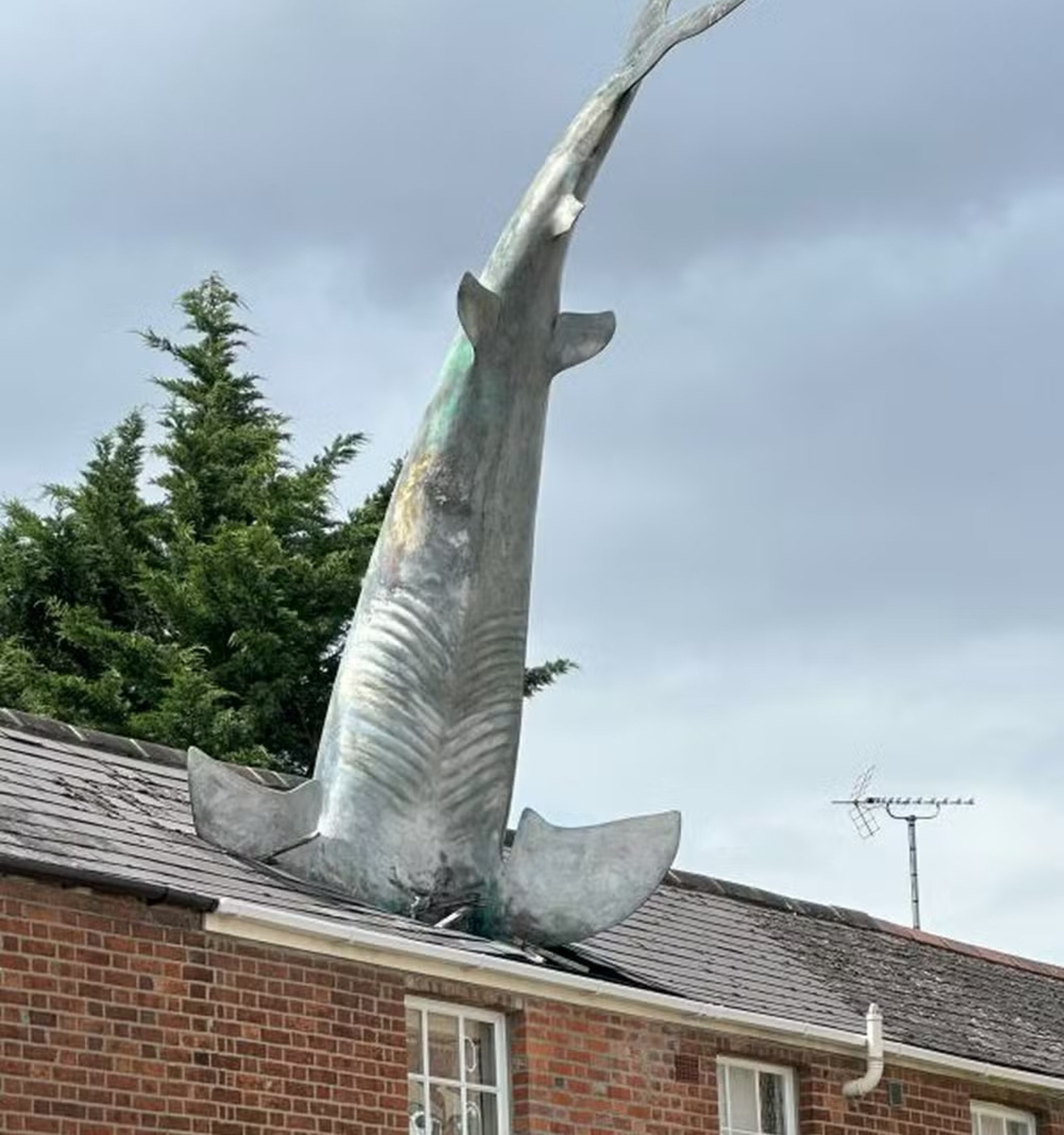
House in England with a 7.6-meter shark embedded in the roof attracts attention worldwide and becomes a curious attraction in Oxford.

Workers engaged in construction identified the artifact during excavations at the site.
As soon as they realized that the object could pose a risk, the workers immediately halted their activities and notified the authorities.
Specialized teams were sent to the location to assess the nature of the discovered artifact.
The confirmation came shortly after. According to local police, it was a bomb of American manufacture used during World War II, preserved underground for decades.
Evacuation of Thousands of Residents Around the Area

With the potential risk of explosion, authorities quickly initiated a large-scale security operation.
Approximately 1,900 residences were ordered to evacuate, involving about 6,000 local residents.
The measure was deemed necessary due to the exceptionally high risks associated with the explosive disposal process, according to information released by the police.
To secure the area, emergency teams installed sandbags and containment equipment around the bomb while explosive disposal experts prepared for the operation.
Delicate Operation to Neutralize the Bomb
The operation to disarm the artifact began during the night and continued throughout the early morning. Experts worked for hours using specific techniques to safely neutralize the bomb.
The complexity of the operation was directly linked to the weight and size of the artifact, as well as its antiquity.
Historical explosives can present unstable mechanisms, making the disarmament process particularly sensitive.
After several hours of work, the operation was completed around 11:30 AM the following morning. No one was injured during the entire process, according to authorities.
Why World War II Bombs Still Appear in Hong Kong
Such discoveries are not entirely rare in the city. During World War II, Hong Kong was occupied by Japanese forces and transformed into a strategic military base.
This scenario led to intense bombings carried out by the United States and other allied forces. The goal was to disrupt supply routes and Japanese military infrastructure established in the region.
As a consequence, some explosives dropped during that period remained buried for decades, being occasionally discovered during excavations and construction work.
A Historical Risk Hidden Beneath Modern Cities
The discovery made by the workers demonstrates how historical conflicts can still leave invisible marks beneath modern urban areas.
In cities that experienced intense bombings during wars, explosive artifacts can remain buried for decades before being found during construction or urban renovations.
In the case of Hong Kong, the rapid response from the authorities and specialists prevented a potentially much more dangerous scenario.
Now arises a question that often accompanies such discoveries.
Do you believe that cities that have experienced historical conflicts should map and monitor possible buried explosives more effectively, or are these discoveries inevitable during urban construction?





-

Uma pessoa reagiu a isso.