





 Portuguese
  English
  Spanish
  3 min of reading
  7 comments


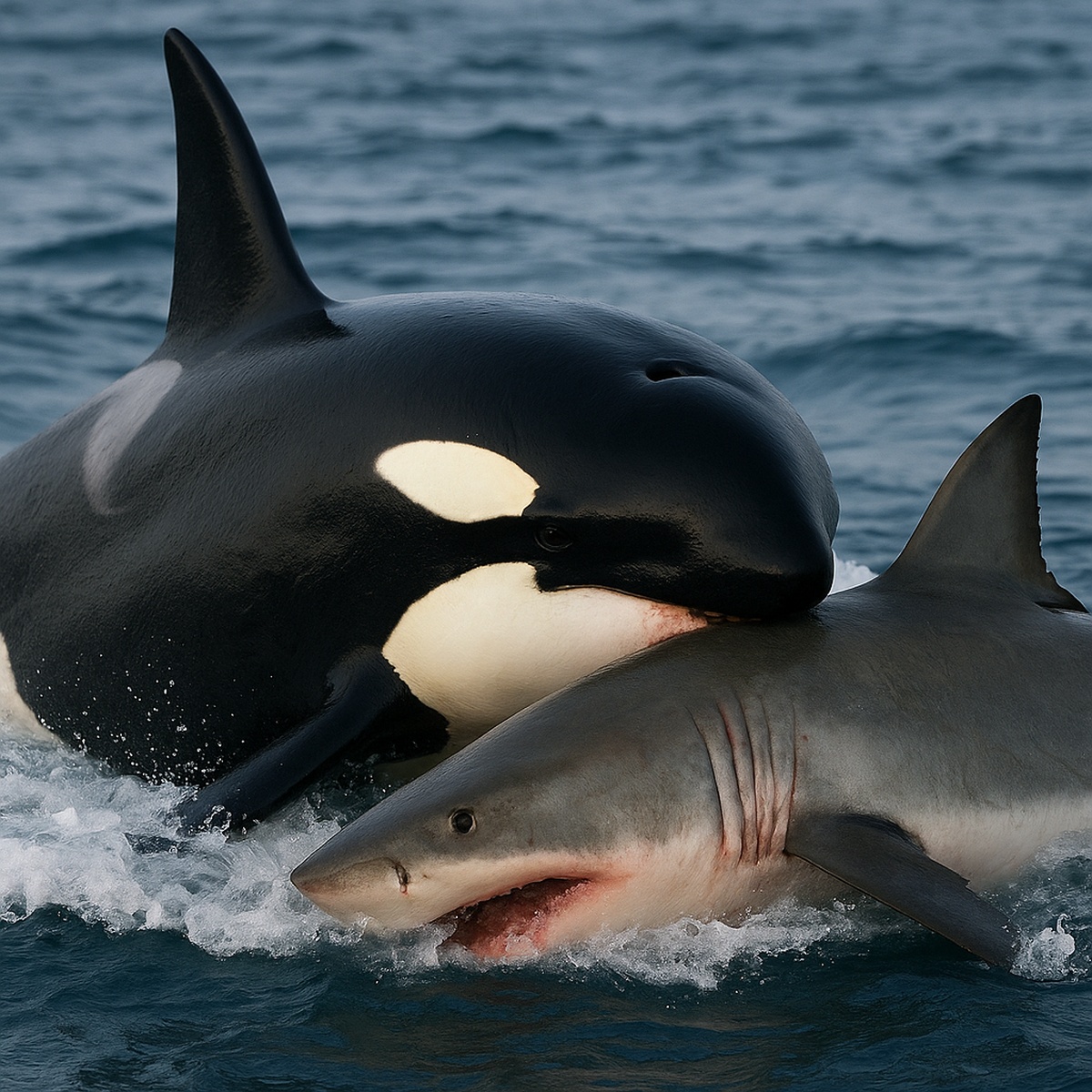


Sophia, Matriarch Orca Featured in National Geographic Series, Surprises by Defeating Shark with Precise Technique and Raises Debate on Environmental Impact in the Ocean.
A new record of predatory behavior among marine giants has rekindled the debate over food chains and global ecological balance.
On July 4, 2025, during the filming of the Queens series by National Geographic, the matriarch orca Sophia, at an impressive 60 years old, took down an adult great white shark with a single lethal blow.
The scene, considered rare by marine behavior specialists, demonstrated the absolute dominance of orcas over predators that, until recently, occupied the top of the food chain.
-
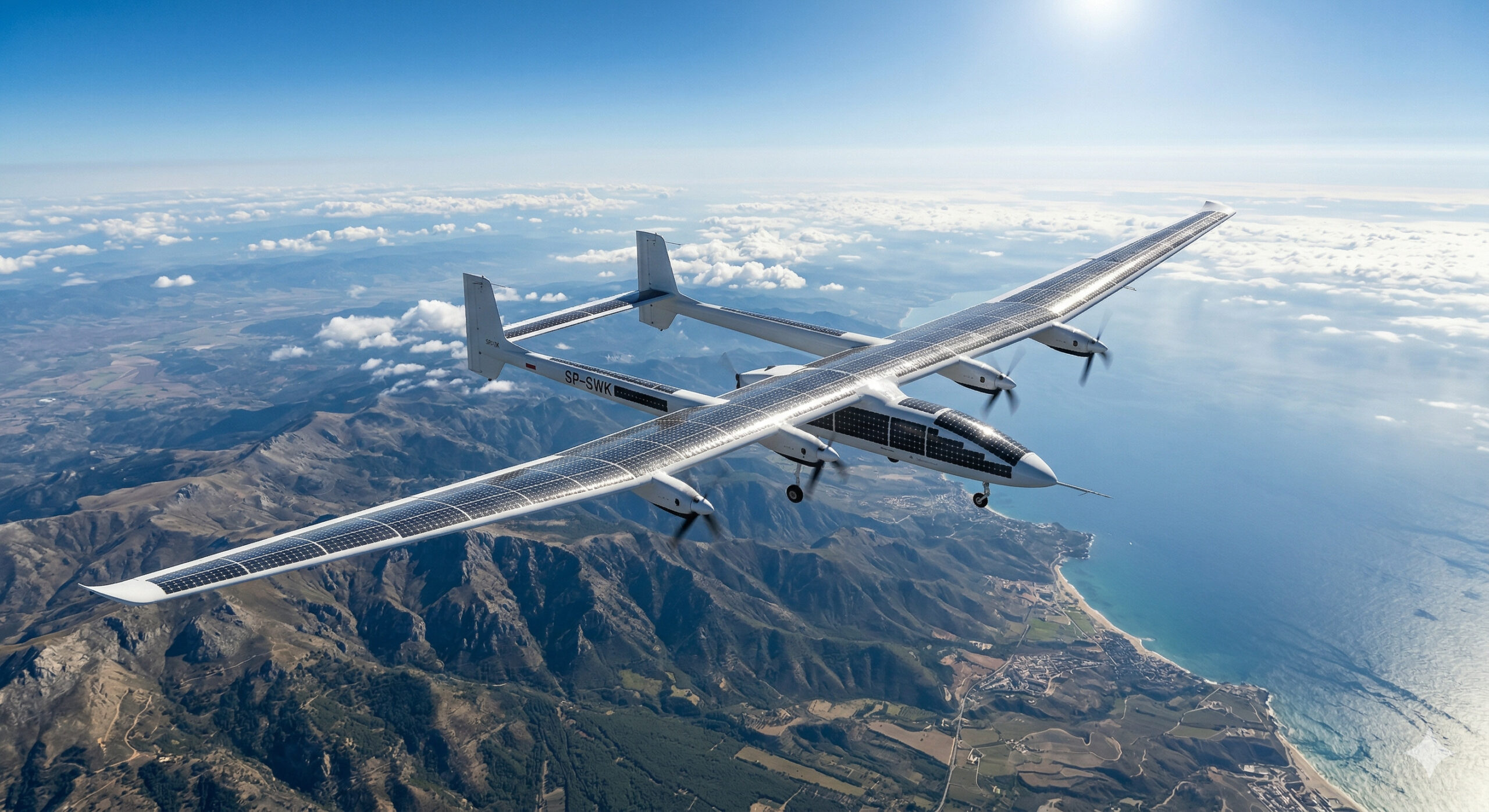
With the wingspan of a Boeing 747 and 160 times lighter, a solar drone flies for 90 days without landing, without fuel, and without a pilot, carrying 17,248 photovoltaic panels, a 200 km radar with AI, and has already crossed storms in the Gulf of Mexico during tests for the U.S. Navy.
-
Butantan Institute will produce pembrolizumab for the SUS and could change everything in cancer treatment by expanding access to innovative immunotherapy that strengthens the body and reduces high costs.

-
China wants to divert rivers through the sky using thousands of generators installed in the mountains of the Tibetan plateau to make it rain in dry regions, and neighboring countries like India and Nepal are already beginning to worry about the effects of this technology.

-
A highly powerful solar explosion is heading towards Earth and could jeopardize the historic launch of NASA’s Artemis II mission in April 2026.


Moreover, the scientists involved in the filming stated that Sophia’s technique showcases the high level of intelligence and strategy of the species.
Technical Record Reveals Refined Predatory Behavior
Researchers were monitoring a coastal region where orcas and sharks coexist when they captured the exact moment of the attack.
The footage showed Sophia approaching silently. Within seconds, she flipped the shark onto its back, inducing temporary paralysis, and precisely removed the liver of the animal.
According to marine biologist Ryan Johnson, who participated in the project, the attack was swift and efficient. “She knew exactly where to hit. Orcas target the liver as it is extremely nutritious,” he stated to National Geographic on July 5, 2025.
Furthermore, similar cases had already been documented. The duo of orcas Port and Starboard has been attacking great white sharks off the coast of South Africa since 2015, as shown in a study from the African Journal of Marine Science.
Therefore, Sophia’s action follows an increasingly recognized and studied pattern among specialists in marine animal behavior.
Chain Reactions and Impact on the Ocean Ecosystem
Although natural, this predatory behavior of orcas has profoundly altered the dynamics of various marine regions.
Studies from Rhodes University, published in 2024, showed that great white sharks disappeared from areas such as Mossel Bay and Gansbaai after the attacks. As a consequence, there was an explosion in the population of Cape fur seals.
These seals, in turn, began hunting African penguins, which are endangered. Additionally, since June 2024, researchers have also detected rabies outbreaks among seals, especially along the South African coast.
This phenomenon is directly linked to the uncontrolled growth of the species, caused by the absence of natural predators.
Ecologist Alison Kock explained that these changes illustrate a classic case of trophic cascade. According to her, the removal of a top predator triggers profound imbalances. “Orcas are changing the logic of the oceans,” she said to the Washington Post in March 2025.
Change in Perception of Orcas on the Global Stage
For a long time, biologists believed that orcas only competed with great white sharks. However, recent records reveal that they dominate the confrontation with a significant advantage.
Sophia represents this dominance. Even at 60 years old, an advanced age for a free orca — whose average lifespan is around 50 years — she demonstrated physical vigor, tactical intelligence, and absolute control over her rival.
Moreover, the series Queens, set to premiere in the second half of 2025, promises to showcase other similar records and highlight the role of alpha females in various ecosystems.
According to the producers, the episode featuring Sophia has already been ranked among the most impressive of the season.
What Does the Future Hold for Orcas and Sharks?
Marine biologists have been closely monitoring the increase in orca attacks on great white sharks. This type of interaction may alter ecological balance in coastal areas around the world.
Therefore, scientists believe that factors such as climate change and alterations in migratory routes have been intensifying encounters between large predators.
Sophia’s case reinforces the perception that orcas rightfully hold the title of queens of the seas. They dominate the ocean with impressive intelligence, technique, and strength.
In light of this new scenario, an inevitable question arises: Is the world ready for the ecological impacts that these encounters between giants will bring?








Tem mais imagens da National Geographic, em praias da Califórnia EUA,em que as orcas mais adultas comem tubarões brancos por causa dos fígados, que são ricos em vitaminas, o mais predadores são os humanos que matam milhares de tubarões e outras espécies.
Uma orça na Câmara dos Deputados e no Senado de 2025, acabaria envenenada caso arrancasse o fí**** de algum desses cretinos, traidores do Brasil, do meio ambiente, do povo
Verdade pura.
Vai chegar um tempo que teremos que eliminar as orcas, ela está pregando duto em seu caminho e linda mas e preciso controlar sua matança
Não existe pior predador no mundo que o homem.