





 Portuguese
  English
  Spanish
  3 min of reading
  0 comments


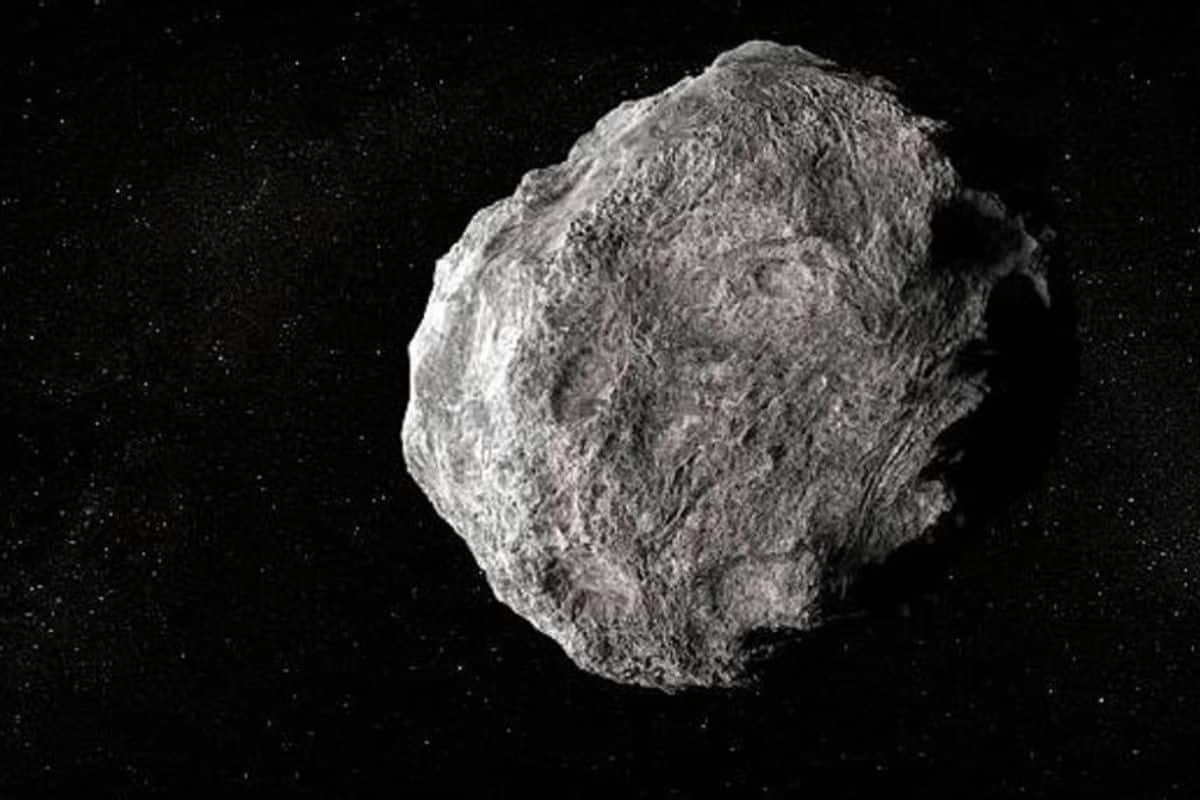
Research Reveals New Evidence That Water May Have Existed in Deep Space, Bringing Important Implications for the Study of Planet Formation and Life in the Universe
Japanese researchers discovered minerals of salt on the asteroid Ryugu. The analysis suggests that liquid water may have been present in its original body. The discovery, based on samples collected by the Japanese Hayabusa2 mission, provides new clues about the history of water in the solar system.
Traces of Aquatic Activity on the Asteroid
The team from Kyoto University analyzed samples from Ryugu and identified grains of sodium carbonate, halite (rock salt), and sodium sulfates. These minerals form in the presence of liquid water. This indicates that the parent body of the asteroid may have contained water billions of years ago.
Planetary scientist Toru Matsumoto emphasized that the salt crystals help understand how and when water disappeared from Ryugu’s original body.
-
They were brilliant! Scientists discover that our ancestors in China were already making super advanced tools 160,000 years ago, changing everything we knew.

-
Scientists unveil 3 million years of climate secrets hidden in the ice of Antarctica.

-
Ancient farmers created “aggressive plants” that changed nature forever.

-
Astronomers find a “backward” solar system that ignores all the rules of space and leaves scientists scratching their heads!

The discovery supports the hypothesis that Ryugu was part of a larger celestial body, which may have experienced hydrothermal activity or interactions with water-rich environments.
Indicators in Planetary Evolution
The salt minerals in Ryugu align with discoveries in other celestial bodies. Similar deposits have already been identified on:
- Ceres, the largest asteroid in the belt between Mars and Jupiter.
- Europa and Ganymede, Jupiter’s moons with layers of ice over liquid water.
- Enceladus, Saturn’s moon with water-rich plumes.
These bodies are considered promising in the search for extraterrestrial life. The presence of salt in Ryugu strengthens the idea that water was widespread throughout the solar system and may persist in hidden reservoirs.
Discoveries from the Hayabusa2 Mission
The Japanese spacecraft Hayabusa2 was launched in 2014 and arrived at Ryugu in 2018. During the mission, it collected samples from the asteroid and returned to Earth in 2020 with over five grams of material. Since then, scientists have been analyzing the samples to understand the evolution of the solar system and planetary formation.
The detection of salt minerals expands on previous discoveries that had already identified organic molecules and carbon-rich compounds in Ryugu.
Indications About the Primitive Oceans of Earth
The discovery raises questions about the origin of Earth’s oceans. Some researchers believe that water-rich asteroids and comets may have bombarded the young Earth, contributing to the formation of the oceans and prebiotic chemistry.
By comparing the composition of Ryugu’s minerals with the oldest rocks on Earth, scientists hope to better understand the water cycle on the planet. If similar compositions are found, it would strengthen the theory that the primitive oceans had extraterrestrial origins.
Future of Space Exploration
The success of Hayabusa2 paves the way for new sample return missions, such as:
- OSIRIS-REx, from NASA, which recently brought material from the asteroid Bennu.
- MMX, from JAXA, which will investigate Phobos, one of Mars’ moons.
- Hera, from ESA, which will study the impacts of NASA’s DART mission on an asteroid.
These missions aim to deepen the understanding of asteroids, planetary formation, and the distribution of water in the cosmos.
The discovery of salt minerals in Ryugu is an essential piece in the study of the solar system’s history. New analyses may reveal more about the origins of water and life.
With future missions underway, scientists hope to advance understanding of how the fundamental ingredients of life were distributed throughout space.
Information from Daily Galaxy.








-

2 pessoas reagiram a isso.