





 Portuguese
  English
  Spanish
 5 min of reading
  0 comments


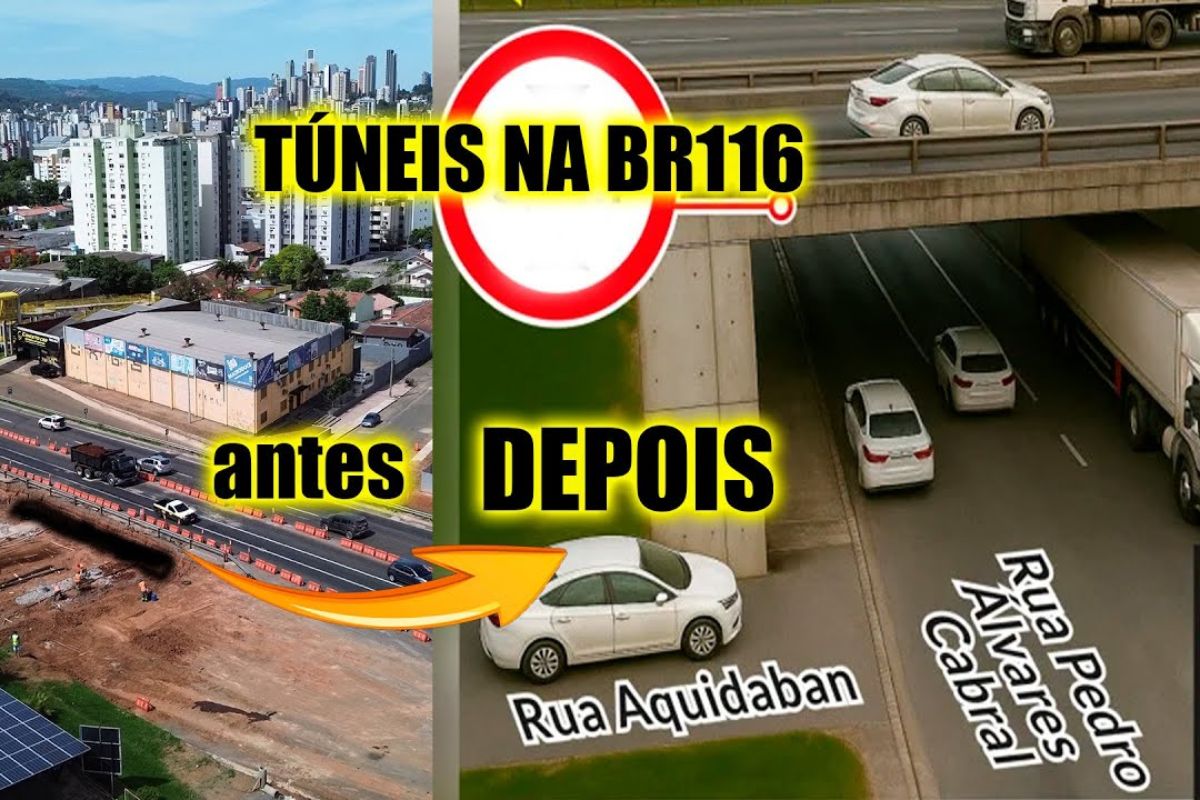
The New Tunnels on BR-116 in Novo Hamburgo Advance with Two Underpasses Designed for Heavy Vehicles, Reorganized Local Connections, New Ramps, and Access Routes, Promising to Reduce Historical Bottlenecks and Ensure Smooth Traffic Flow Between Neighborhoods and the Metropolitan Axis.
The new tunnels on BR-116 are coming to fruition in Novo Hamburgo with an engineering package designed to support heavy traffic and standardize crossings under the highway safely. The project provides for two underpasses compatible with trucks, buses, and cars, reorganizing the flows currently concentrated at saturated intersections and overpasses.
The goal is to reduce travel times, increase predictability for those crossing between neighborhoods, and decrease the number of at-grade conflicts. The work already has active fronts of piling and lateral excavation, with a phased planning scheme that allows the highway to remain operational, albeit with temporary restrictions. The local expectation cites a delivery timeframe of about 10 months, subject to the progress of the construction site and site conditions.
Where They Are Located and What They Will Be Like
The first underpass is being constructed near the Primavera neighborhood, connecting BR-116 to the immediate surroundings with a width of 12 meters and two lanes.
-
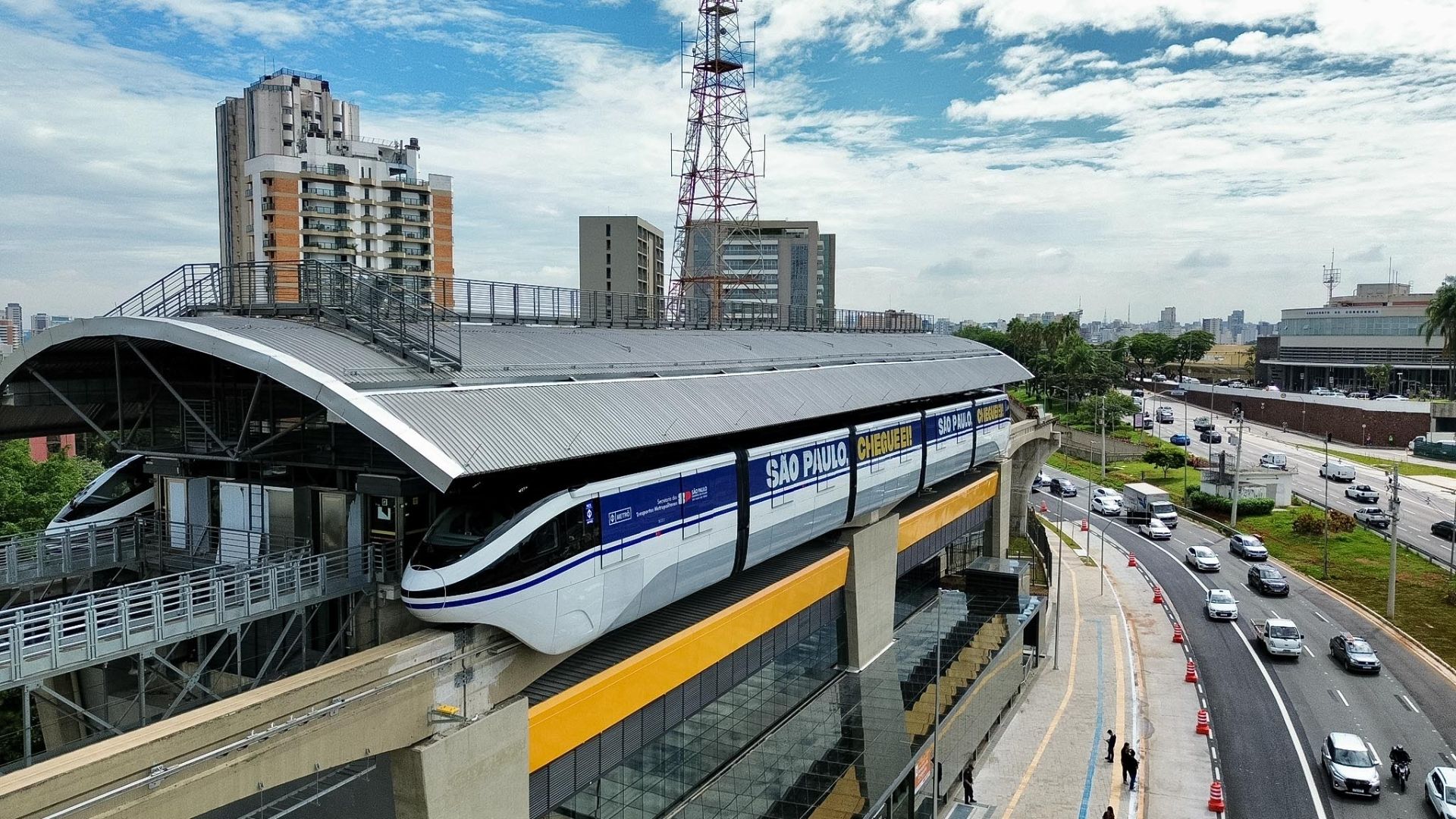
Congonhas receives the monorail promised for the 2014 World Cup after more than a decade of delays and becomes the first airport in Brazil with integrated subway.
-
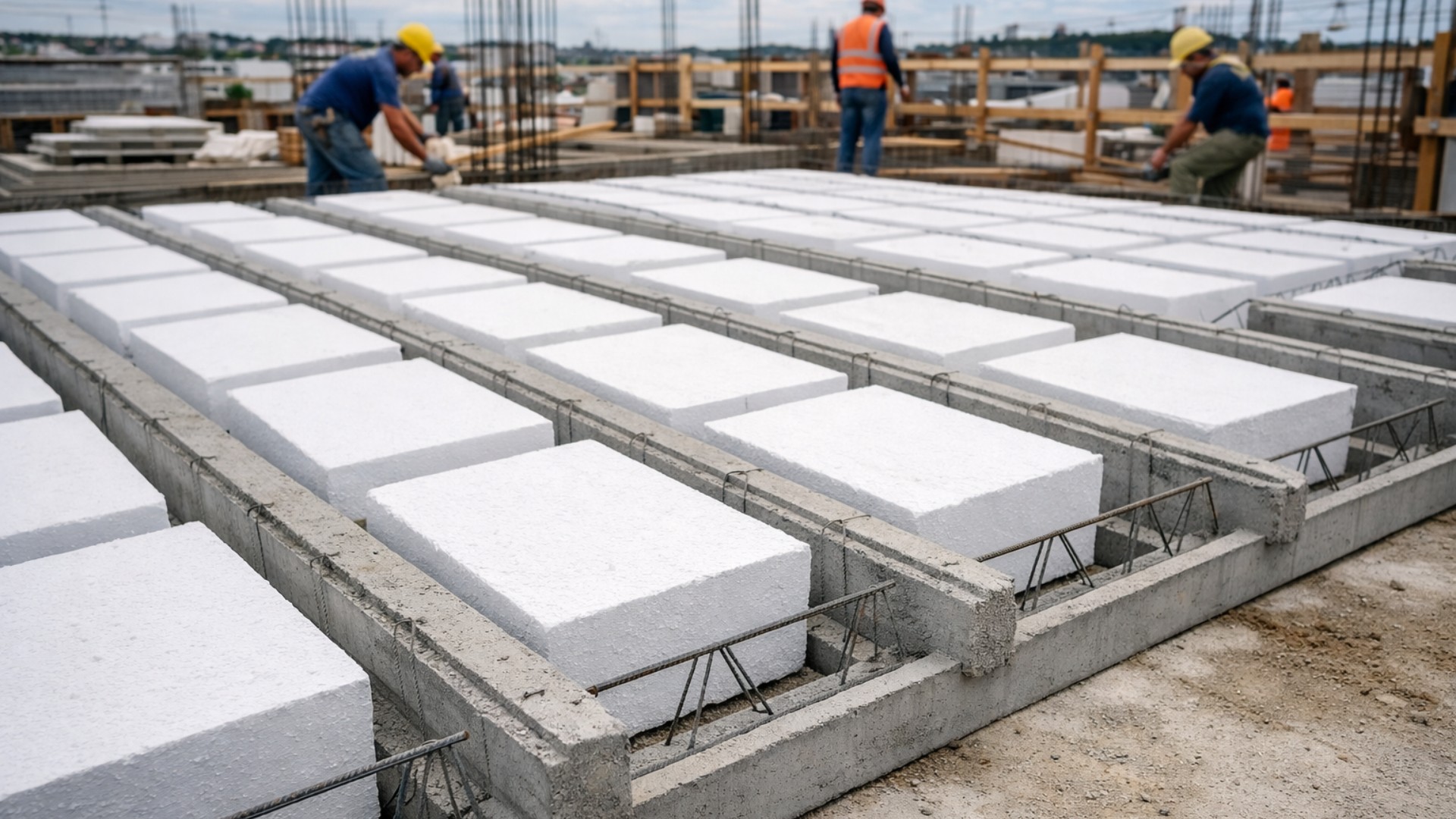
Goodbye, concrete: a new trend in civil construction reduces the weight of the structure by up to 30%, accelerates projects by up to 40%, cuts costs on steel and labor, and improves thermal insulation with EPS.
-
Russian engineers create an innovative propeller blade for aircraft that could completely change the way airplanes and helicopters operate.

-
Couple finishes building PVC chalet on the beach on the last day, with air conditioning and curtains, but discovers the bathroom drain is inverted: water escapes from the drain, risking breaking the floor, and the rush continues before the trip.


The solution replaces low-capacity crossings with a continuous corridor at a lower level, eliminating slow maneuvers on the main roadway and relocating the intertwining away from the traffic flow.
The second underpass is at km 237, near Rua Pedro Álvares Cabral, linking Rio Branco to Rincão.
The project indicates a vertical clearance of 5.5 meters and three lanes organized in a British-style operation to accommodate the predominant movements.
There is a technical reference to a parameter of 16 meters in the structure, sizing associated with the set of lanes and lateral areas.
What Changes in Traffic Flow
With the new crossings, freight and public transport no longer compete for space at inefficient intersections, reducing queues during peak hours.
The new ramps and roundabouts redistribute access to BR-116 and alleviate the Ayrton Senna overpass, which is currently a bottleneck for those traveling between the center and neighborhoods.
Internal circulation also improves. Neighborhoods like Primavera, Ideal, Rio Branco, and Rincão gain more direct and predictable routes, decreasing long detours and U-turns on saturated roads.
For those crossing the city daily, the gain lies in consistency, not just maximum speed.
Engineering and Execution Schedule
The methodology adopts a classic step-by-step approach for construction under the highway: piling and lateral support, execution of crossbeams, beams, and girders, laying of the top slab, and only then, removal of soil beneath BR.
This sequencing preserves the integrity of the roadway while the main structure gains rigidity.
There is mass movement of soil and use of piling and concrete equipment, as well as monitoring of vibrations due to heavy traffic.
In locally disclosed figures, the project exceeds R$ 17 million, with one of the underpasses estimated at R$ 6.5 million.
These figures are consistent with major drainage and urban tunnels of this scale, given the need for robust foundations and structures.
Road Safety and Operational Gains
By <strong eliminating at-grade conflicts, the project reduces crossing points and critical turns, lowering risks of lateral collisions.
The cleaner layout improves road visibility, positively impacting the safety of vulnerable users in adjacent areas.
From an operational standpoint, public transport is likely to experience less variation in travel time, improving the reliability of the lines.
For urban logistics, the regularity on BR-116 has a cascading effect on delivery windows, fuel costs, and route planning.
Impacts During Construction and How to Mitigate Them
During the interventions, the region will experience narrowed lanes, temporary detours, and reduced speed.
The effect is more pronounced during morning and evening peaks when the highway already operates near capacity. Enhanced signage and communication of alternative routes are essential to minimize disruptions.
For those traveling daily, planning departures in advance and avoiding critical windows helps mitigate the impact.
Transportation and school bus companies can redistribute schedules and adjust temporary pickup points to maintain service cadence.
Why Tunnel Capacity Matters
The new tunnels on BR-116 have been specified for heavy vehicles, avoiding the classic bottleneck of low or narrow tunnels on high-traffic routes.
Vertical clearance, operational width, and number of lanes have been defined to accommodate peak demands and allow for future interventions without paralyzing the city.
Proper sizing from the start avoids costly repairs later.
With a structure prepared for growth, the city gains road resilience and time to plan new phases, such as the redevelopment of feeder roads and improvements to the cycling and pedestrian networks.
What Comes After the Release
Once the structure is complete and commissioning of drainage, passive ventilation, and signaling is done, operation enters a phase of observation and fine-tuning.
This phase involves minor alignment corrections, adjacent signal timings, and access scheduling to refine traffic flow.
The next step is to integrate traffic data with municipal management and the concessionaire, so that future decisions on route synchronization and prioritization of public transport are based on evidence rather than perception.
This governance is what consolidates the long-term gain.
The new tunnels on BR-116 in Novo Hamburgo tackle the right problem with the right solution.
Underpasses with real drainage capacity, organized ramps and construction planned in phases provide the ingredients to turn the page on chronic congestion in the axis.
Check Out the Tunnel Footage with Cassiano Hans


And you, who uses BR-116 in your routine, where do you believe the impact will be most felt after the tunnels open: during the morning peak, evening return, or in connections between neighborhoods? Share in the comments how your experience is today and what you hope to see improve.









Seja o primeiro a reagir!