





 Portuguese
  English
  Spanish
  4 min of reading
  0 comments


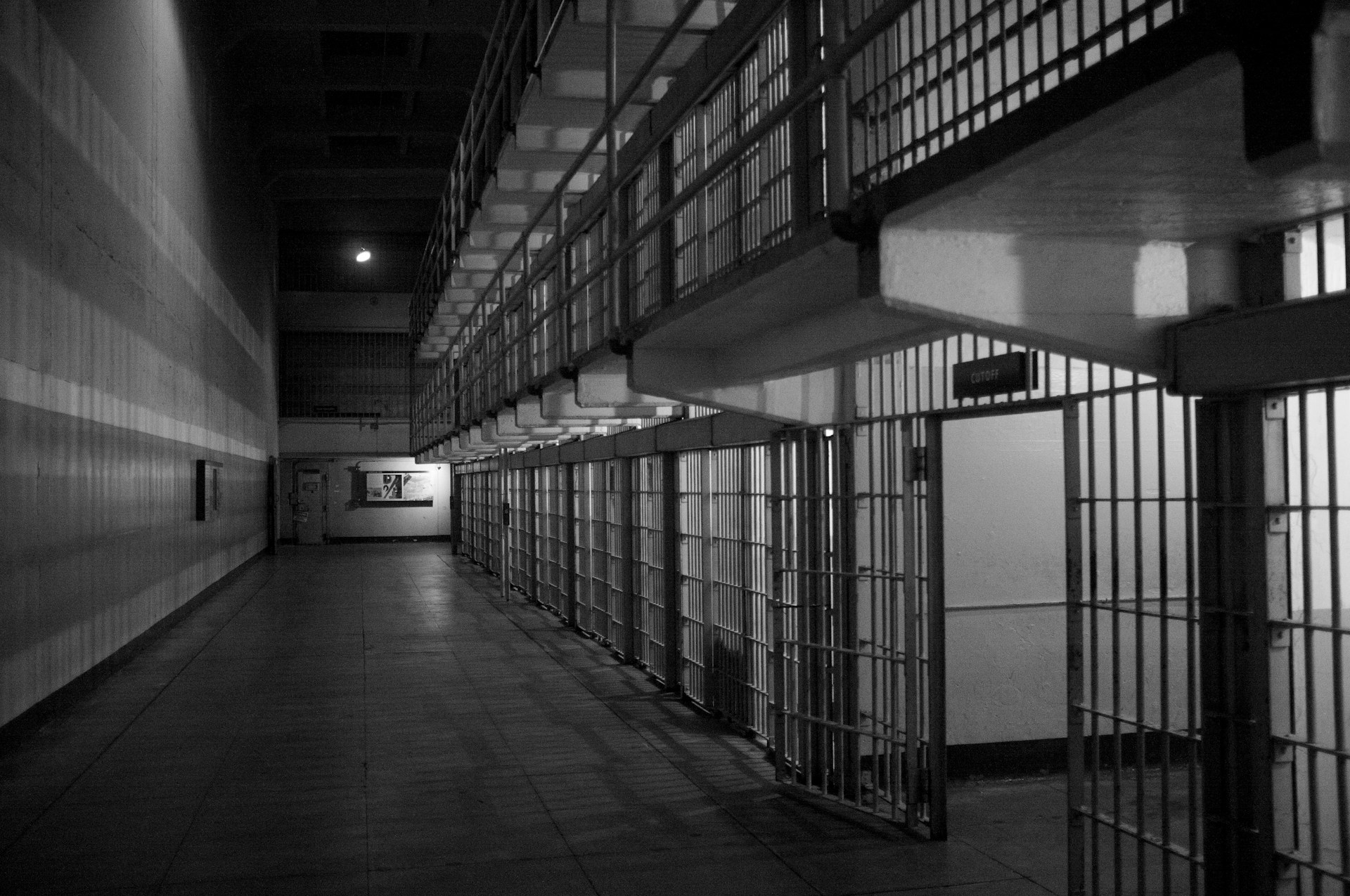
The Spectacular Escape of Frank Morris and the Anglin Brothers in 1962, Marked by Creativity and Courage, Still Challenges Authorities and Keeps Alcatraz as a Symbol of an Unsolved Enigma
The Alcatraz prison, globally known for its reputation as an impenetrable fortress, returned to the spotlight on May 4, when the then President of the United States, Donald Trump, announced its reopening.
He intends to transform the site into a new symbol of “law, order, and justice.” Located in San Francisco Bay, California, the island currently hosts a tourist attraction. But the place’s past is marked by stories that continue to fuel mystery and debate.
From Fortress to High-Security Prison
The island of Alcatraz began as a military fort. During the American Civil War, it served as a prison for Confederate fighters. The natural isolation — with icy currents and steep cliffs — favored incarceration.
-
A rare storm phenomenon in the United States alerts meteorologists worldwide due to four different forms of water falling from the sky, which freeze immediately upon touching the ground, poles, cars, or trees.

-
He has been using a wheelchair for almost 10 years, lives alone, is independent, and decided to become a delivery driver for an app: Samuel makes up to 6 deliveries a day, covering routes of 1 km in his wheelchair and has even managed to do 2.5 km in a single run.

-
An island of 7,500 people received 38,000 bananas by mistake, was left unsure where to store everything, and turned the error into a viral case with donations, hustle, and fruit overflowing everywhere.

-
A promise made to their father led three men to unearth a forgotten house that had been swallowed by time for over 70 years, in a story of memory, abandonment, and reconstruction that seems straight out of a movie.

In the early 20th century, the structure was transformed into a military prison and, in the 1930s, the Department of Justice took over. The goal was to contain the rise of organized crime, which was intensifying in the United States.
It was then that Alcatraz began receiving criminals deemed too dangerous for any other prison. Al Capone, Mickey Cohen, and George “Machine Gun” Kelly passed through there.
Robert Stroud, the “Birdman of Alcatraz,” also served time on the island. The prison was known for its brutality. Its guards were strict, and the environment was cold and hostile.
Journalist Michael Charlton, who visited the site in 1964, a year after its closure, described a place with constant wind, disconnected corridors, and deteriorating foundations.
The Most Daring Escape Plan in History
In June 1962, Frank Lee Morris and the brothers John and Clarence Anglin challenged the impossible. Convicted of different crimes, the three were imprisoned in nearby cells. Allen West, another inmate, also participated in the plan. Morris, who had escaped from other prisons, led the group.
They spent months digging through the walls behind the sinks with metal spoons, saw blades, and a drill made from a vacuum motor. To muffle the noise, Morris played the accordion. Gradually, they opened a tunnel to a maintenance corridor.
The holes in the cells were covered with fake papier-mâché grates. On the upper floor, they created a secret workshop, where they built a rubber boat measuring 1.8 m by 4.3 m, using over 50 stolen raincoats.
With the prison’s concertina, they improvised a blower. The paddles were made from pieces of plywood.
To deceive the guards during the night rounds, they made fake heads from soap, toothpaste, and toilet paper, using real hair from the barber shop floor. The beds were filled with towels, forming fake bodies.
The Night of the Escape and the Disappearance
On the night of June 11, 1962, the plan was put into action. West could not get out of the cell in time. Morris and the Anglin brothers went on alone.
They climbed to the roof, carrying the boat. Then, they descended to the yard, crossed fences, and scaled an embankment. At the harbor, they inflated the improvised vessel and disappeared into the darkness.
The alarm was only raised the next morning when the fake heads were discovered. The prison went into lockdown. Jolene Babyak’s father, a guard at the time, led the manhunt.
Searches spread throughout the region. On June 14, the Coast Guard found an oar. On the same day, a package with the Anglins’ belongings was found. Remnants of the boat appeared near the Golden Gate Bridge, and one of the life vests was recovered.
Endless Mystery
The bodies were never found. Authorities concluded that they died in the icy waters. But there was never confirmation. In 1979, the three were declared legally dead, and the case was handed over to the U.S. Marshals Service, where it remains open.
Richard Willard, a guard interviewed in 1964, said no one could have survived the crossing. “Do you see the water? Do you think you could cross it?” he asked the BBC reporter.
The film Alcatraz: Impossible Escape, released in the same year they were declared dead, immortalized the story on screen. Since then, reports of sightings and supposed contacts from the fugitives have fueled the mystery.
The Letter That Reignited the Case
In 2018, the San Francisco police revealed a letter received five years earlier. A man claimed to be John Anglin. He stated that he had escaped with the other two and had lived in secret since 1962. He reported that Frank Morris died in 2005 and Clarence in 2008. He requested medical help in exchange for turning himself in.
The FBI analyzed the letter but could not confirm its authenticity. In 2022, the U.S. Marshals updated images of the three fugitives with facial aging and continue to seek information that could solve the case.
Even decades after the historic escape, the mystery surrounding the whereabouts of Frank Morris and the Anglin brothers remains unresolved.
Alcatraz, now a tourist spot, is back in the headlines with the proposed reactivation announced by Trump. But for many, what truly remains in collective memory is the night when three men challenged the reputation of the most feared prison in U.S. history — and were never found again.
With information from BBC.






-

Uma pessoa reagiu a isso.