





 Portuguese
  English
  Spanish
 4 min of reading
  0 comments



From A Simple Routine In The Country, Farmer Details Feeding, Management, Costs With Feed, Silage, Medications And Reveals, With Real Numbers, How Much Is Left At The End Of The Month With A High Producing Dairy Cow
In the countryside, far from sophisticated spreadsheets and idealized speeches about agribusiness, father and son decided to open the account and show, in practice, how much it costs to keep a cow producing about 30 liters of milk per day. On a regular Saturday of work on the farm, they detail feeding, management, daily expenses, and the actual profit obtained from dairy activity.
The information was disclosed by a rural channel on YouTube, where producers share their daily routines in the field and show, without filters, the reality of milk production. As reported in the video recorded on September 17, 2022, the proposal was simple: weigh the feed, measure the milk during milking, and put all the costs on paper to understand if the math adds up.
Throughout the recording, the producer explains that many people get confused when they hear the word “diet,” associating the term only with human food. In the field, however, diet is synonymous with productive strategy, especially when the goal is to keep a cow in high production without compromising the animal’s health or the farm’s finances.
-
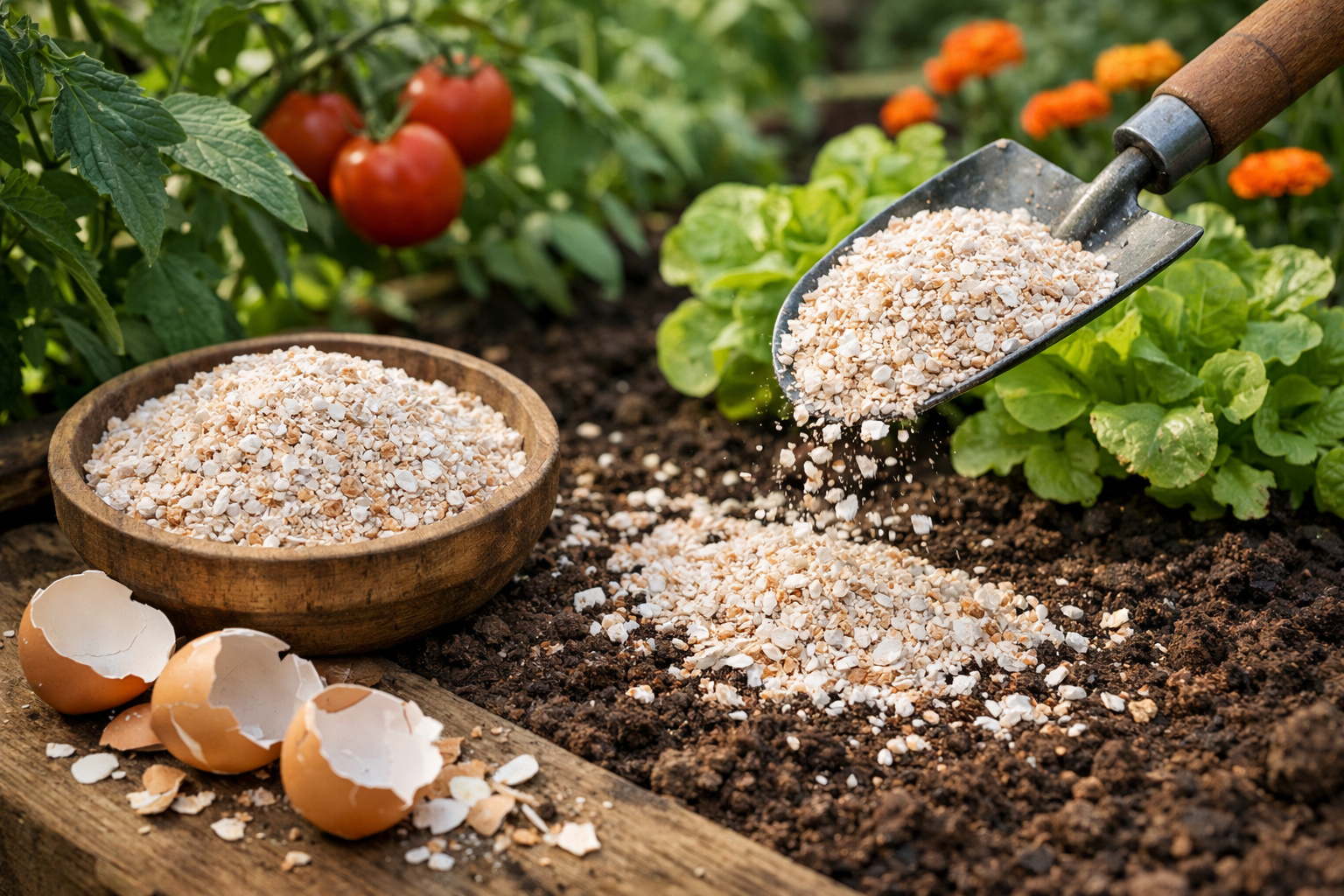
The eggshell that almost everyone throws away is made up of about 95% calcium carbonate and can help enrich the soil when crushed, slowly releasing nutrients and being reused in home gardens and vegetable patches.
-
This farm in the United States does not use sunlight, does not use soil, and produces 500 times more food per square meter than traditional agriculture: the secret lies in 42,000 LEDs, hydroponics, and a system that recycles even the heat from the lamps.

-
The water that almost everyone throws away after cooking potatoes carries nutrients released during the preparation and can be reused to help in the development of plants when used correctly at the base of gardens and pots, at no additional cost and without changing the routine.

-
The sea water temperature rose from 28 to 34 degrees in Santa Catarina and killed up to 90% of the oysters: producers who planted over 1 million seeds lost practically everything and say that if it happens again, production is doomed to end.


Daily Diet Of A Cow That Produces 30 Liters Of Milk

The foundation of this Holstein cow’s diet consists of concentrated feed, forage, and supplementation. Early in the morning and again in the afternoon, the animal receives 4 kg of feed per serving, totaling 8 kg daily, which can reach 10 kg depending on the trough consumption.
In addition to the feed, the cow consumes approximately 30 kg of silage per day, a forage essential for ensuring energy and maintaining stable production. The diet is complemented with 1.5 kg of cottonseed per animal, an ingredient used to raise the energy content of the feed.
According to the producer, this combination is adjusted according to the animal’s performance. If the cow finishes the provided feed quickly, it is common to provide a little more to avoid a drop in production. Thus, the diet is not fixed but adapted to the cow’s behavior and productive response.
Detailed Costs Of Feeding And Management
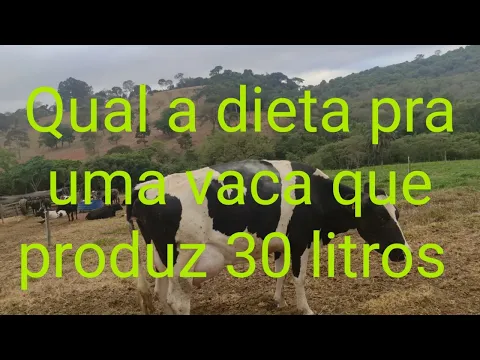

When putting the numbers on paper, the producer details each item of the daily cost. The feed, purchased in the local market, costs approximately R$ 2.30 per kilo. Considering 10 kg per day, the daily feed expense reaches R$ 23.00.
The silage, produced or purchased at R$ 400.00 per ton, costs around R$ 0.46 per kilo. With a daily consumption of 30 kg, the cost is about R$ 13.80 per cow. The cottonseed, at R$ 2.60 per kilo, incurs a daily cost of R$ 3.90 per animal.
In addition to feeding, other costs such as medications, including oxytocin and other veterinary supplies, are accounted for. According to the producer, by diluting these expenses over the herd, the average cost is around R$ 5.00 per cow per month. Other operational costs, such as minerals, electricity, post-dipping, and pre-dipping, also add approximately R$ 5.00 per animal.
Adding all these factors together, the daily cost to keep this cow producing 30 liters of milk reaches R$ 50.70.
Revenue, Profit And The Comparison Between High And Low Production

With an average production of 30 liters per day and the price received for milk in August, which was R$ 3.21 per liter, the daily revenue for this cow reached R$ 96.30. Subtracting the total cost of R$ 50.70, the daily profit was approximately R$ 45.60 per animal.
The producer highlights a crucial point: low-producing cows often have similar costs with forage, but deliver less milk. A cow producing 20 liters, for example, consumes practically the same amount of silage and basic supplementation, but generates a much lower revenue.
Therefore, according to the experience reported on the farm, investing in higher producing cows tends to be more efficient, provided that management, diet, and health are well controlled. The logic is simple: fixed costs for forage are better diluted when production is higher.
At the end of the video, father and son emphasize that transparency in numbers is essential for those who live from milk. In the field, understanding exactly how much it costs to produce is what separates survival from profitability. And, as they show, when the math is done correctly, the activity can indeed yield results.








-

-

-

-

-

-

17 pessoas reagiram a isso.