





 Portuguese
  English
  Spanish
  3 min of reading


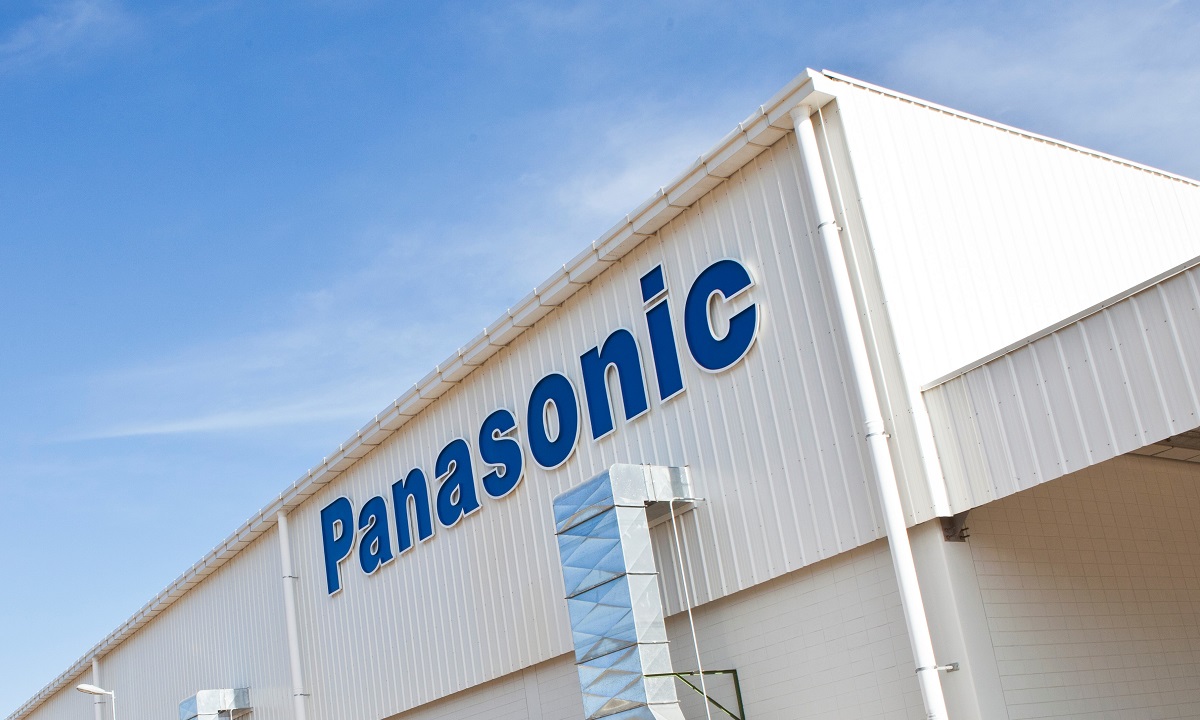
The Increase In Tesla Battery Production, Made By Panasonic, Will Be In Kansas And Will Start After 2024
Panasonic is currently supplying lithium batteries to Tesla from the joint venture in Nevada and Japan. The battery production lines in the country are more effective, and Panasonic is currently seeking to improve battery manufacturing processes in the U.S. so that the country’s factories can drive efficiency like in Japan. Panasonic has reserves to increase productivity by 10%.
Some Japanese engineers went to Nevada in the first half of 2022 to optimize Panasonic’s battery production at a local traction battery factory, according to the Nikkei Asian Review. In the future, the improvements in the factories should boost annual production of traction batteries with a total capacity of 43 GWh.
In the U.S., Panasonic will increase the production of 2170-size lithium cells, which have been used for a long time and will gradually be replaced by more modern 4680-type cells. Panasonic is already manufacturing these latest batteries on its pilot line in Japan and the U.S. In the quarterly conference preceding the last one, Elon Musk admitted that this year Tesla’s capabilities will not be limited by the number of available 4680 cells.
-
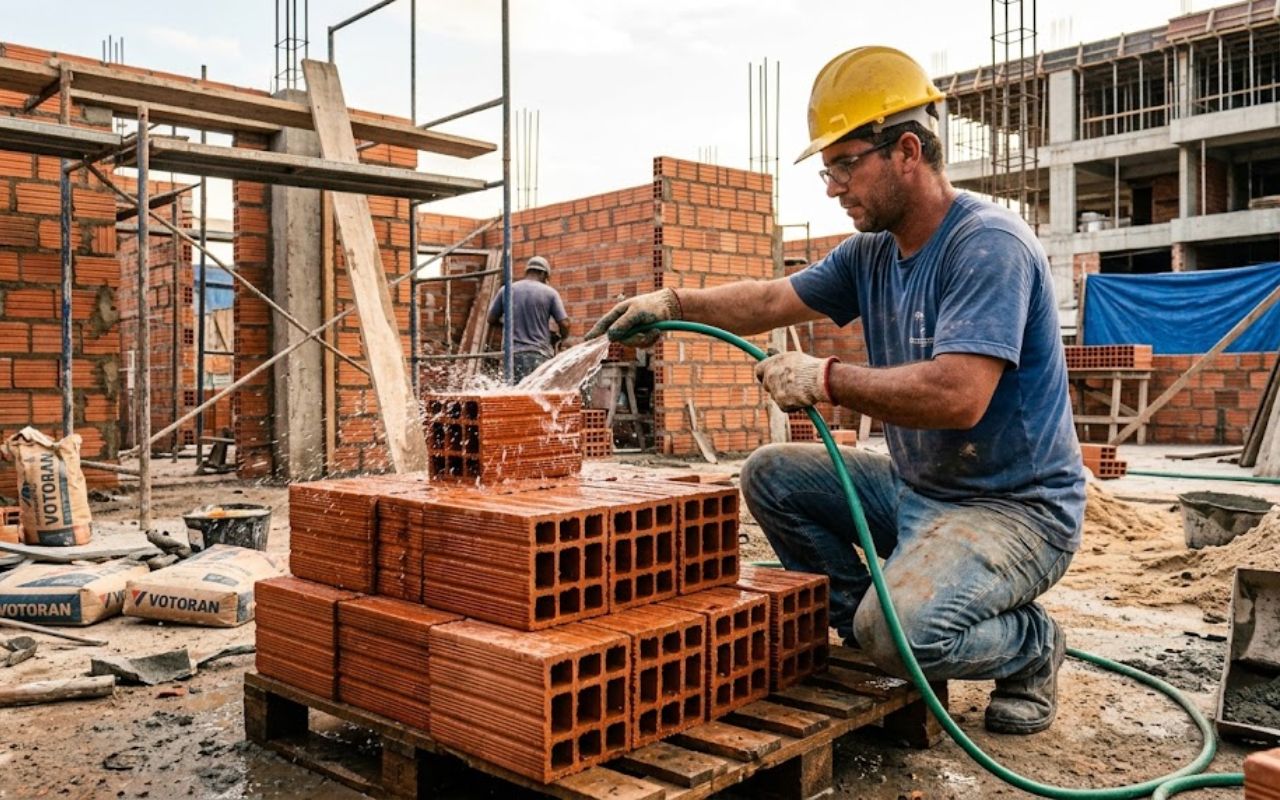
A simple technique of wetting the brick before laying it prevents cracks, improves the adhesion of the mortar, reduces fissures, and ensures stronger walls and more durable constructions.
-
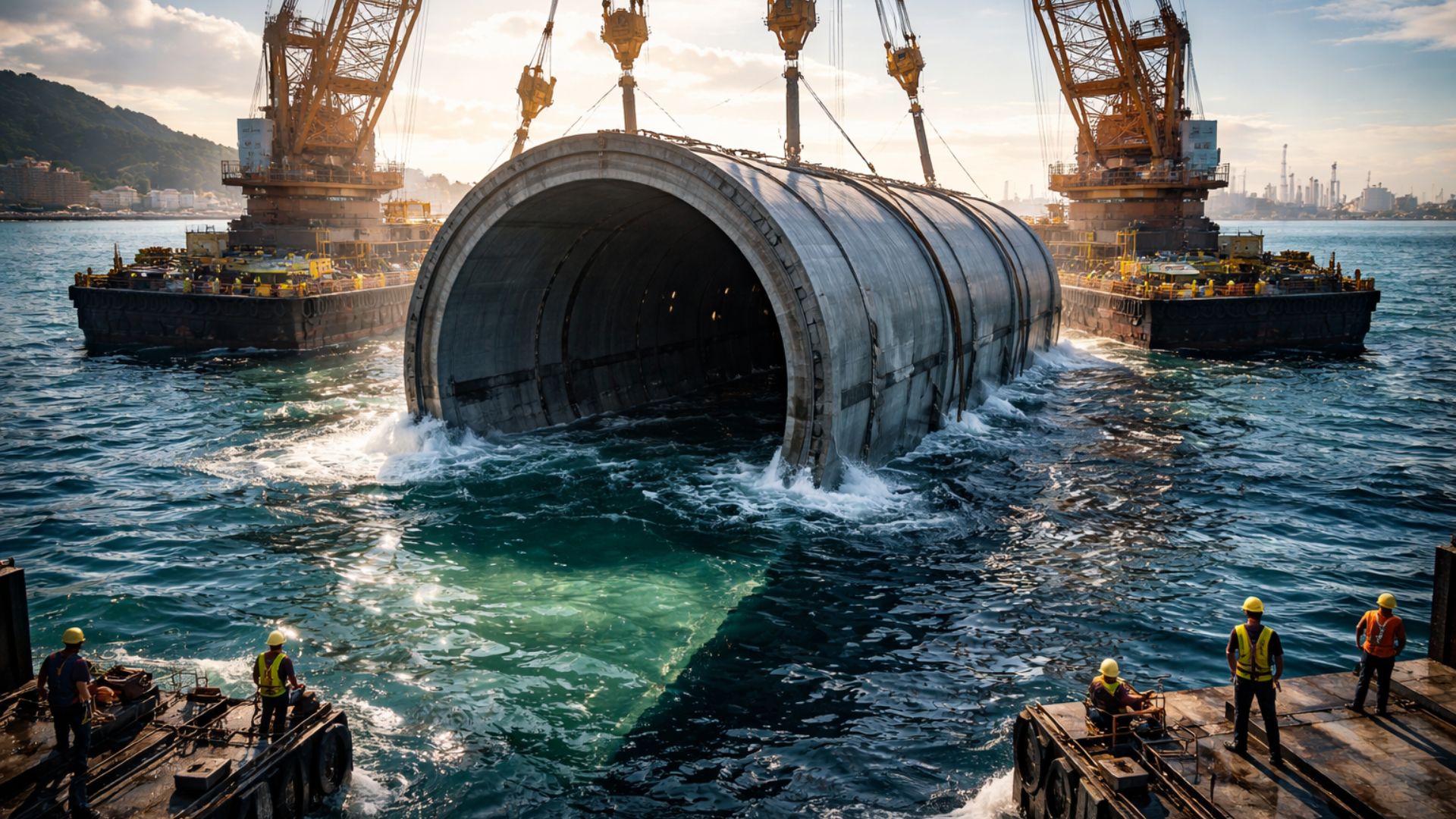
The government opens the vault and deposits R$ 2.6 billion for the construction of Brazil’s first underwater tunnel, with a length of 1.5 km, 870 m under the sea, a total project cost of R$ 6.8 billion, and a 30-year concession.
-
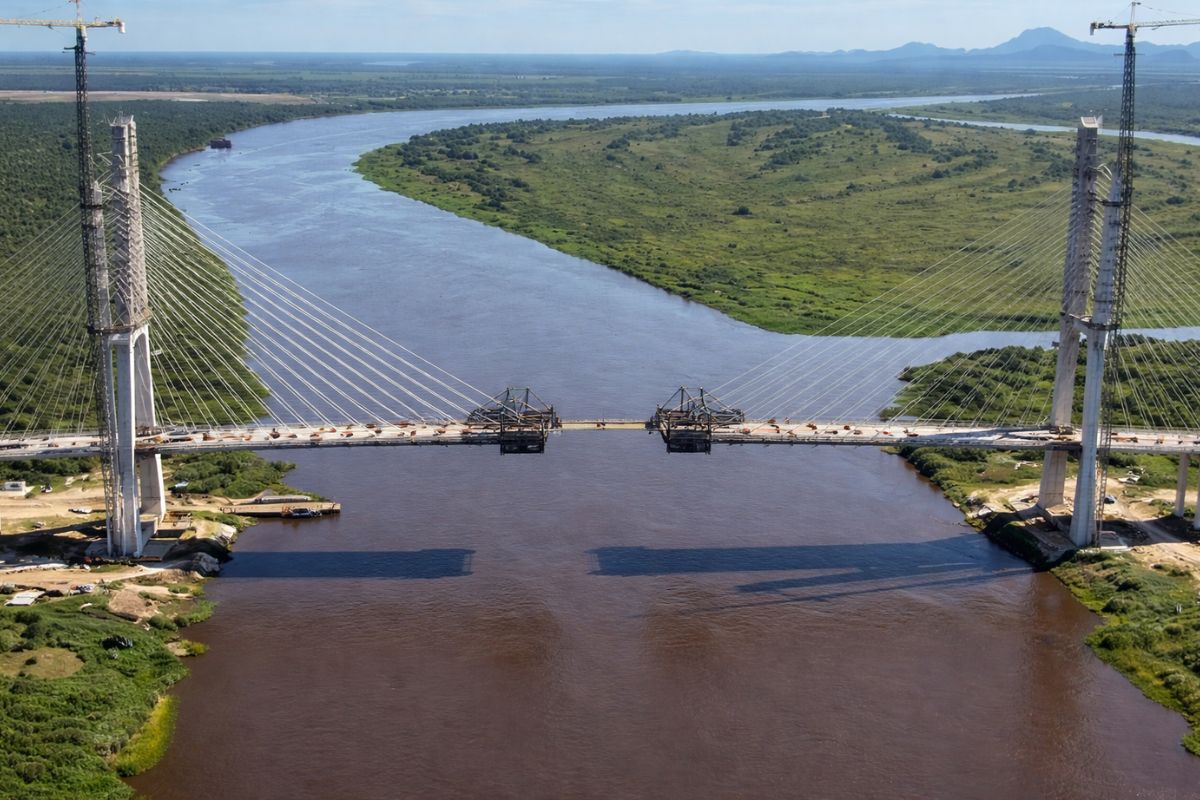
Only 46 meters remain for Brazil and Paraguay to connect via the Bioceanic Route bridge, the project that will link the Atlantic to the Pacific by land and change the logistical map of four countries in South America.
-
The bridge that holds the largest stone railway arch in the world: built over 100 years ago, destroyed in the war, and rebuilt to continue operating to this day, it still carries trains over the Soča River in Slovenia.

Improvements In Tesla Battery Production Plants Will Not Happen Before 2024
Panasonic stated in July that it is planning to build a new battery cell facility in Kansas; however, this project will not be realized until at least 2024.
Chinese media directly discussed the possibility of Tesla using battery packs manufactured by the Chinese company BYD in its factory in Berlin during the week of August 8. Tesla’s electric vehicles now use cylindrical battery cells, and switching to batteries would complicate the production processes in Berlin significantly; thus, these rumors should be treated with caution.
However, it is possible that in some models of electric vehicles in the coming years, Tesla may foresee using Panasonic batteries with different layouts, primarily in China, where it is heavily reliant on local suppliers.
Tesla Uses BYD Batteries In Its Electric Cars
According to Chinese media, Tesla is already using BYD’s Blade batteries in its electric vehicles developed at the giant Berlin factory, a unit that was established this year and is in the ramp-up process.
According to a report from Sinatech, the first units of the Blade battery will be in Tesla Model Y models assembled at the German factory between late August and early September. It is also stated that the batteries will not be used at Tesla’s Shanghai factory, at least not at this initial stage.
If we consider the past of the battery manufacturer, Lian Yubo, executive vice president of BYD and director of the Automotive Engineering Research Institute, had already spoken about the partnership in an interview with state media CGTN. In the meeting, the executive mentioned that BYD would soon supply Blade batteries to Tesla.
At first, the only Tesla vehicle equipped with Blade batteries will be the electric SUV Model Y, according to sources related to the matter. However, this is a partnership that slowly increases; moreover, the full use of Blade batteries may be more likely next year.




Seja o primeiro a reagir!