





 Portuguese
  English
  Spanish
 3 min of reading


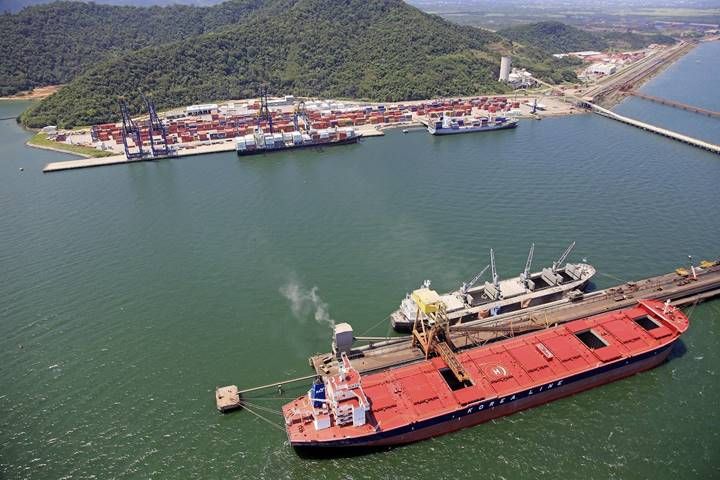
The digital infrared thermometers (gun type) are the main tool used by ports to measure workers before they access work environments. The ports of Angra dos Reis, Niterói, Rio de Janeiro, and Itaguaí are managed by the Port Authority of Rio de Janeiro (CDRJ) as part of the task force to reduce the proliferation of the virus.
Related Articles
- Natural Gas Carrier (NTS) Opens Registrations for Its Internship Program for Rio de Janeiro
- For Offshore Contracts in Rio de Janeiro, Wilhelmsen Ship Initiates Selection Process for Engine Crew
- Less US$ 10 Billion – ExxonMobil Reduces 30% of Its Planned Investment for 2020
The action is the result of a joint effort from the Port Management Superintendencies, Environmental Superintendencies, and Port Authority. In addition to CDRJ and the leasing companies, the Labor Management Body (OGMO) is also exercising the same care with the dockworkers (TPAs) on duty. The procedure takes less than 10 seconds, and people with a temperature equal to or above 37.8 cannot work. People with evident flu symptoms are also advised to return to their homes.
“We are adopting all measures to prevent the contagion of port workers who cannot stop because they provide an essential service to society, ensuring that during the pandemic, items such as food, hospital materials, cleaning products, and medicines are not lacking for the population,” explained CDRJ President Francisco Antonio de Magalhães Laranjeira. According to him, in partnership with the terminal leaseholders and other companies operating in the ports, operations are ensured while following the strict recommendations from health authorities: “Together, we are making every effort to protect the port community.”
-
Lack of workers and an aging population: Japan bets on AI robots in factories, logistics, and infrastructure to keep the economy and essential services active.

-
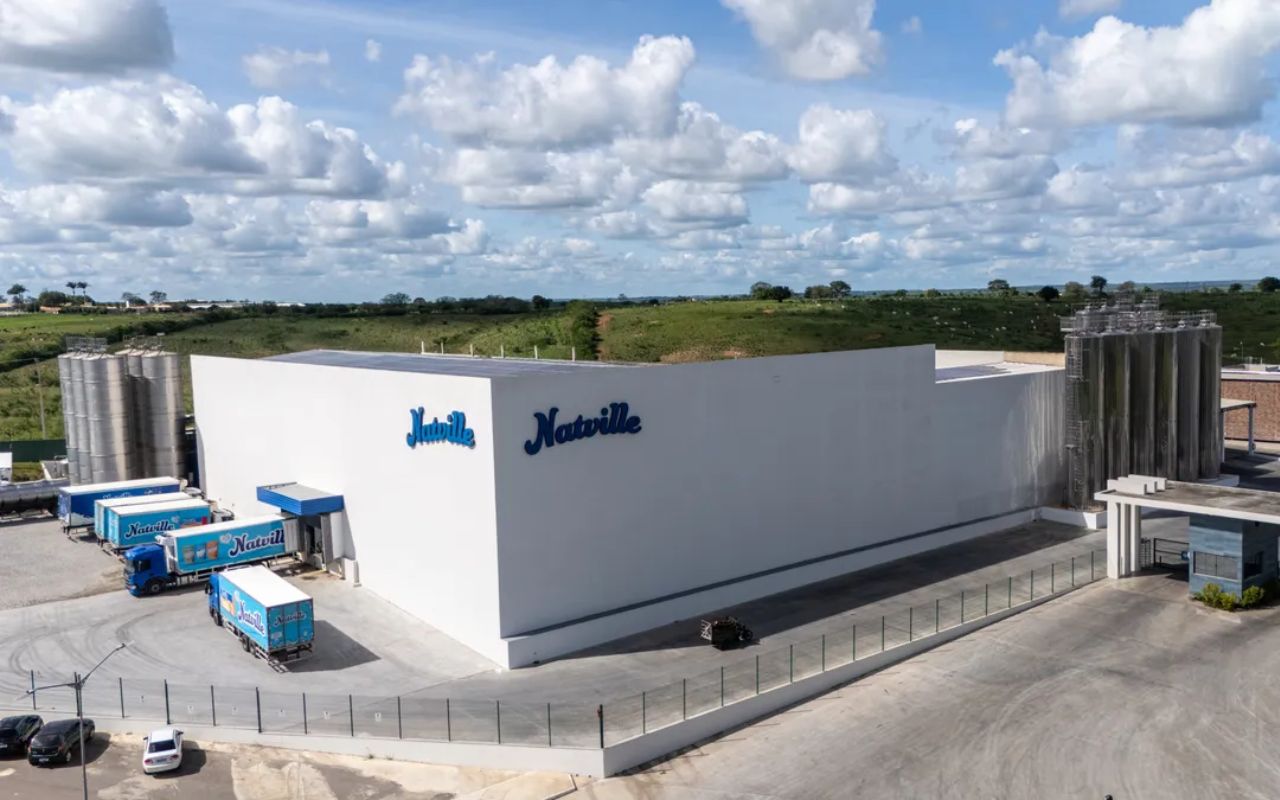
Natville puts R$ 700 million on the table for new factories in the Northeast, generating jobs and boosting the local economy.
-
With 74% of companies facing difficulties in hiring, technicians and engineers in renewable energy are becoming scarce in Brazil and are essential to support the expansion of solar, wind, and green hydrogen projects.

-
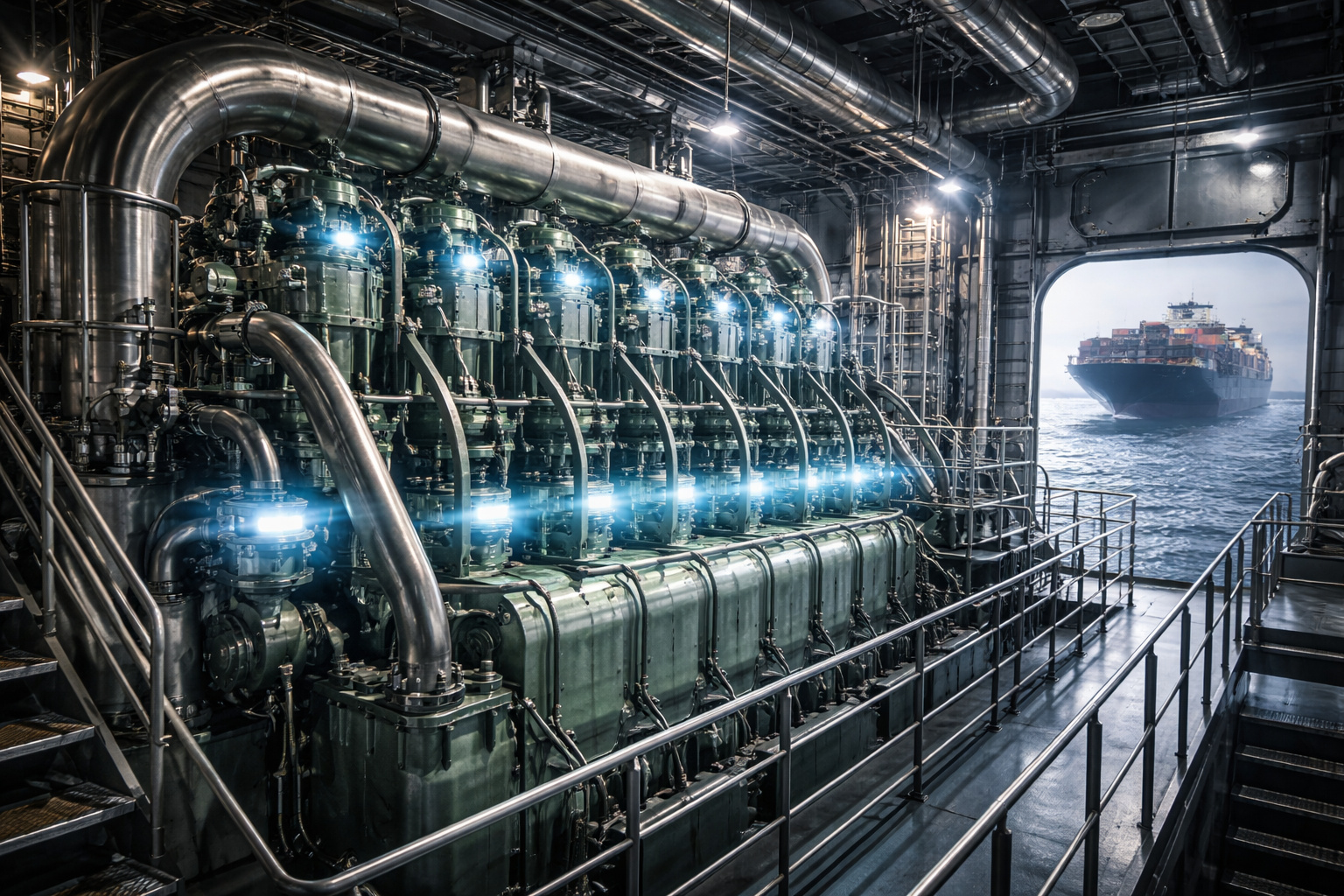
Europe is trying to create an ammonia-powered marine engine without auxiliary fuel, which could unlock the race for giant emission-free ships. The technology aims to eliminate one of the biggest obstacles to clean maritime propulsion.
-
- MEASUREMENT AT THE PORT BY NITSHORE
-
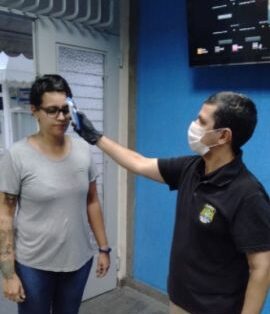
- MEASUREMENT AT THE PORT BY NITSHORE
-
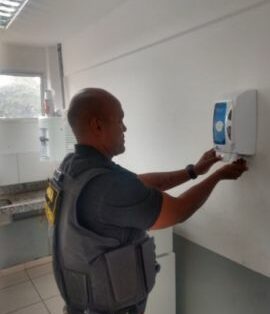
- MEASUREMENT AT THE PORT BY NITSHORE
-
- MEASUREMENT AT THE PORT BY NITSHORE
Other Preventive Measures
Sanitary barriers have also been established, with intensified cleaning of the facilities, especially at access gates, entrances, and other common areas, prioritizing the sanitation of contact areas such as turnstiles, handrails, and doorknobs. For this work, the Port Authority has increased the number of human and material resources. In addition, alcohol gel dispensers have been installed at strategic points in the ports and administrative buildings. Employees are also being educated on good hygiene practices to prevent contagion.
As social distancing is crucial in prevention, reducing contact has also been prioritized by CDRJ. The company has instituted remote work for all employees in at-risk groups and for newcomers from abroad, and this measure was later expanded to administrative sectors. Furthermore, work travel, in-person meetings, training, technical visits, and other activities involving gatherings of people have been prohibited. The use of biometrics at turnstiles has also been suspended to avoid touch, with badges being used for access control. SOURCE: ASCOM CDRJ








Seja o primeiro a reagir!