





 Portuguese
  English
  Spanish
  3 min of reading


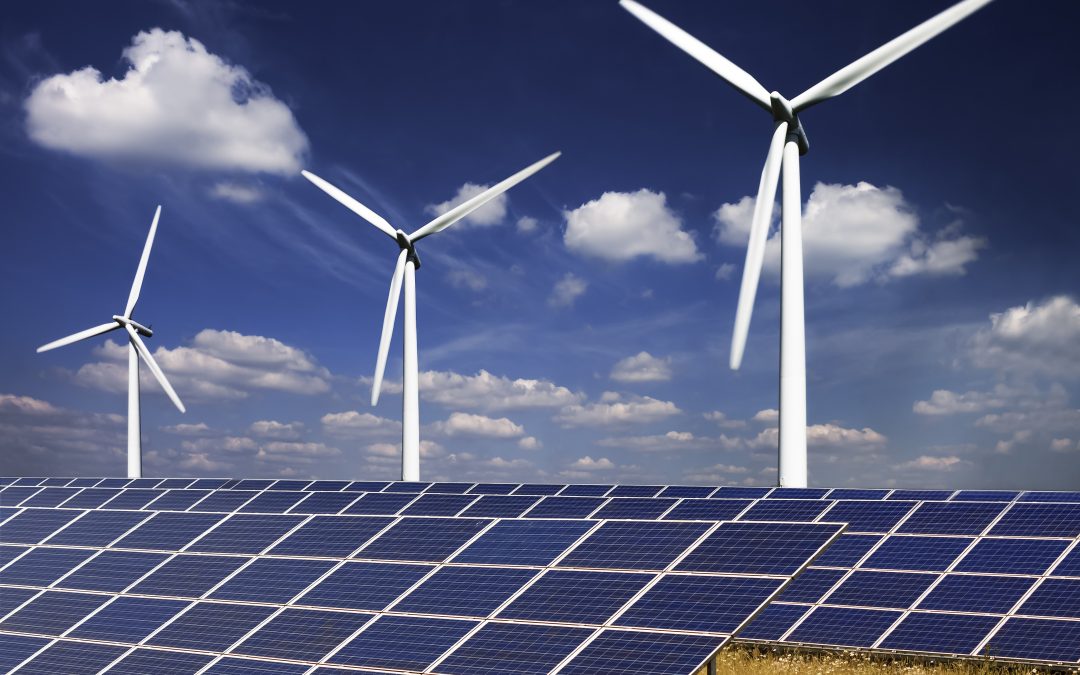
The Government Also States That This Growth Should Be Accompanied by the Growth in Wind and Solar Energy Production, and the Decrease in Energy Production via Hydroelectric Plants
According to the Federal Government, the forecast is that the installed capacity to generate electricity will grow by 37% by 2031, which represents reaching the mark of 275 gigawatts (GW). Along with this capacity growth, the shares of wind and solar energy will also grow in Brazil’s energy matrix, while hydroelectric plants will see a reduction to less than 50%.
Also Read:
- With an investment of more than half a billion reais, a new plant will produce energy from biomass and create 1,500 job openings during the construction and operation phases in Lençóis Paulista (SP)
- Helpers, cooks, technicians, drivers, and more offshore and onshore job openings (for onboard work) in RJ, this January 24th
- Resume and work permit in hand for job openings in construction and maintenance; technicians, electricians, supervisors, engineers, and many more professionals called yesterday (01/22) by the Brazilian Company of Infrastructure Services
These details are available in the draft of the Ten-Year Energy Expansion Plan (PDE) 2031, which was opened for public consultation by the Federal Government last Monday, January 24th. The document was drafted by the Energy Research Company (EPE) and addresses the forecast that the national generating park will increase from the current 200 GW to 275 GW in 2031.
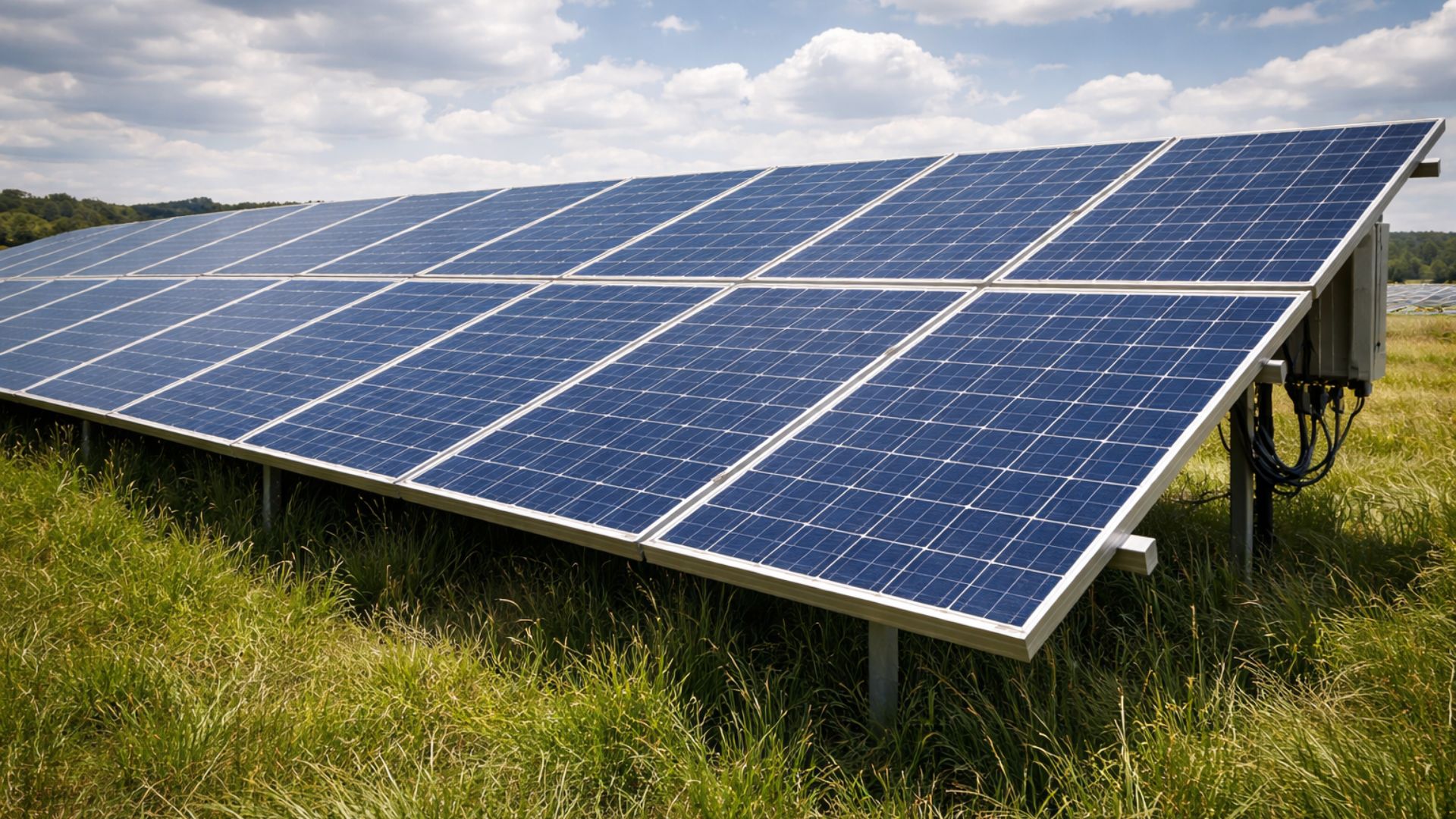
What will stand out in this new phase is the distributed energy generation, which comes from small plants, mostly solar, that are installed on roofs of buildings or on land, with the aim of generating energy for self-consumption. These energy plants are expected to reach the mark of 37 GW in the next 10 years, a significant growth compared to the current 8 GW and will account for 14% of the total installed capacity, according to the PDE 2031.
-
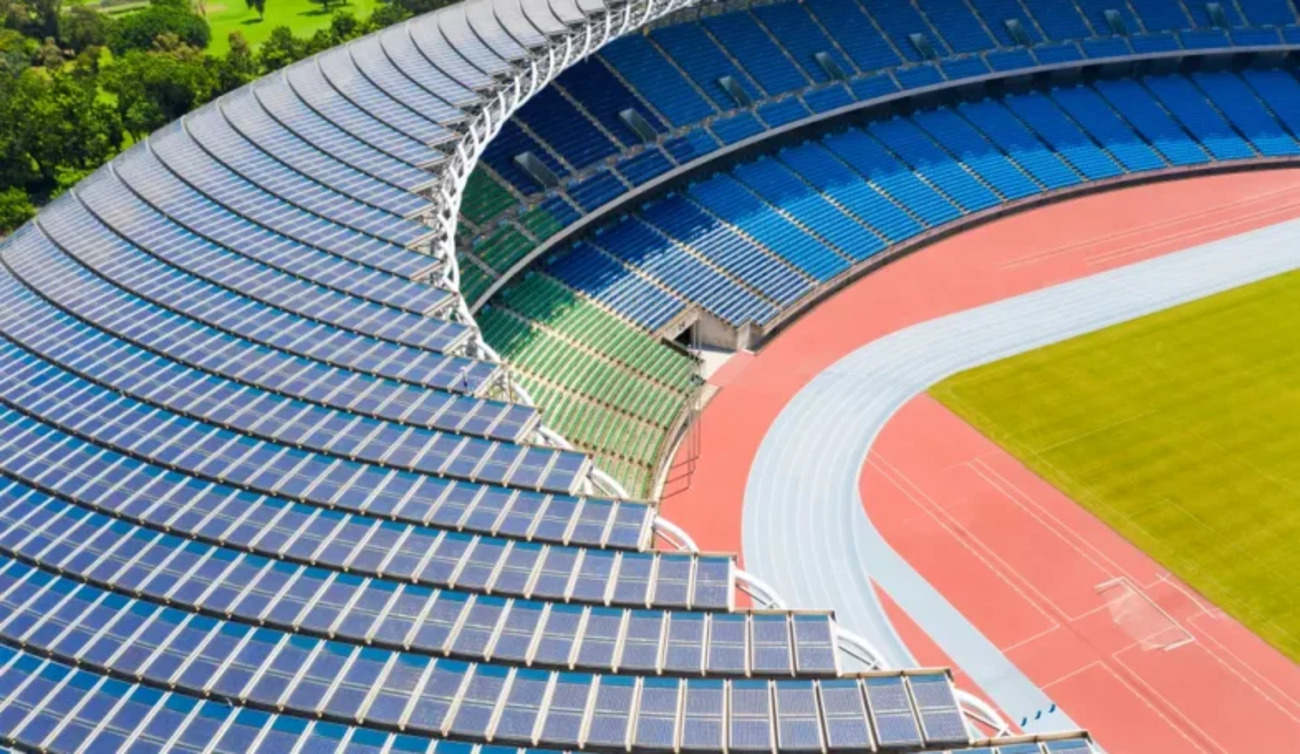
How green infrastructure and renewable energy at the World Cup transform the logistics of the largest sporting event on the planet in North America.
-
The Cagece and UFC project advances in sustainable innovation with biogas by converting waste into renewable energy, reducing environmental impacts, and increasing sanitation efficiency with concrete and measurable results.
-
Paranaense students develop a system that transforms farm waste into clean energy and revolutionizes sustainable agribusiness.

-
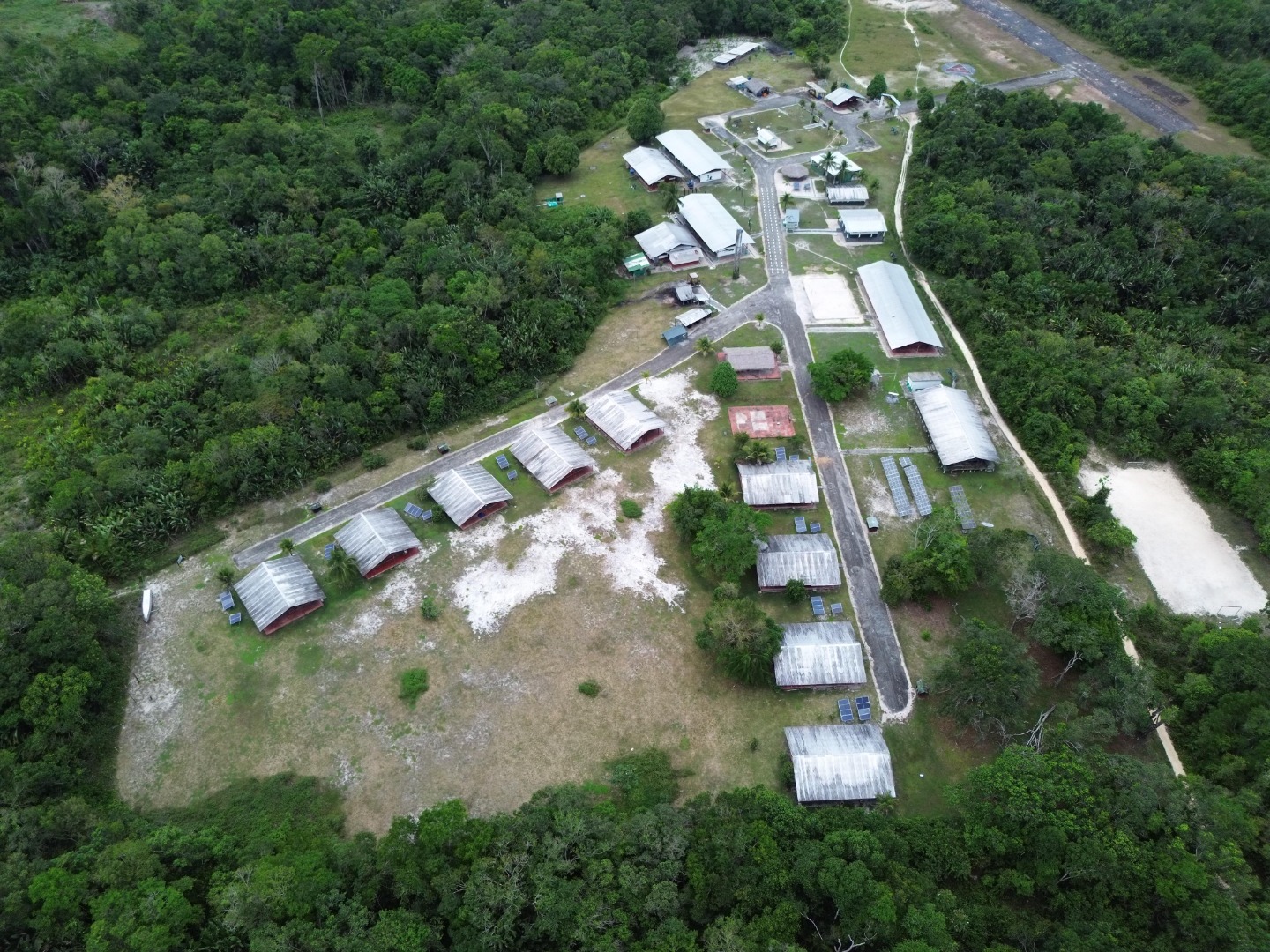
The Ministry of Defense installs a giant photovoltaic plant and ensures a stable supply of clean energy in Maturacá, in the Amazon.
In relation to hydroelectric plants, the forecast is that their relative participation in the country’s energy matrix will continue to decline. It is expected that, by 2031, hydroelectric plants will represent 45% of the total installed capacity of the country, down from 58% in 2021 and 83% at the beginning of the 21st century.
The Federal Government also expects that thermal sources, such as those powered by natural gas, coal, fuel oils, diesel, and industrial gas will see a growth of 12 GW, with the group of plants totaling 35 GW in the next 10 years.
Growth in Energy Transmission
The PDE 2031 also presented growth forecasts for electricity transmission. It is expected that the transmission line network will grow by 19% over the next 10 years, increasing to 209 thousand kilometers in length. In addition, a 28% growth in the transformation capacity of substations is also forecasted in the document.
Investments in the Energy Sector
According to calculations by the Government, the expansion of electricity supply will require investments of R$ 528 billion over the period. Of this total, the expectation is that centralized generation will attract R$ 292 billion, while distributed generation will require R$ 135 billion. The remaining R$ 101 billion will be allocated to the transmission sector.
The Government bases the PDE 2031 on a scenario where the average growth is 3.4% per year for energy load in the National Interconnected System (SIN). Meanwhile, for the Brazilian GDP, the expectation for average annual growth is 2.9% in the same context.







Seja o primeiro a reagir!