






 Portuguese
  Spanish


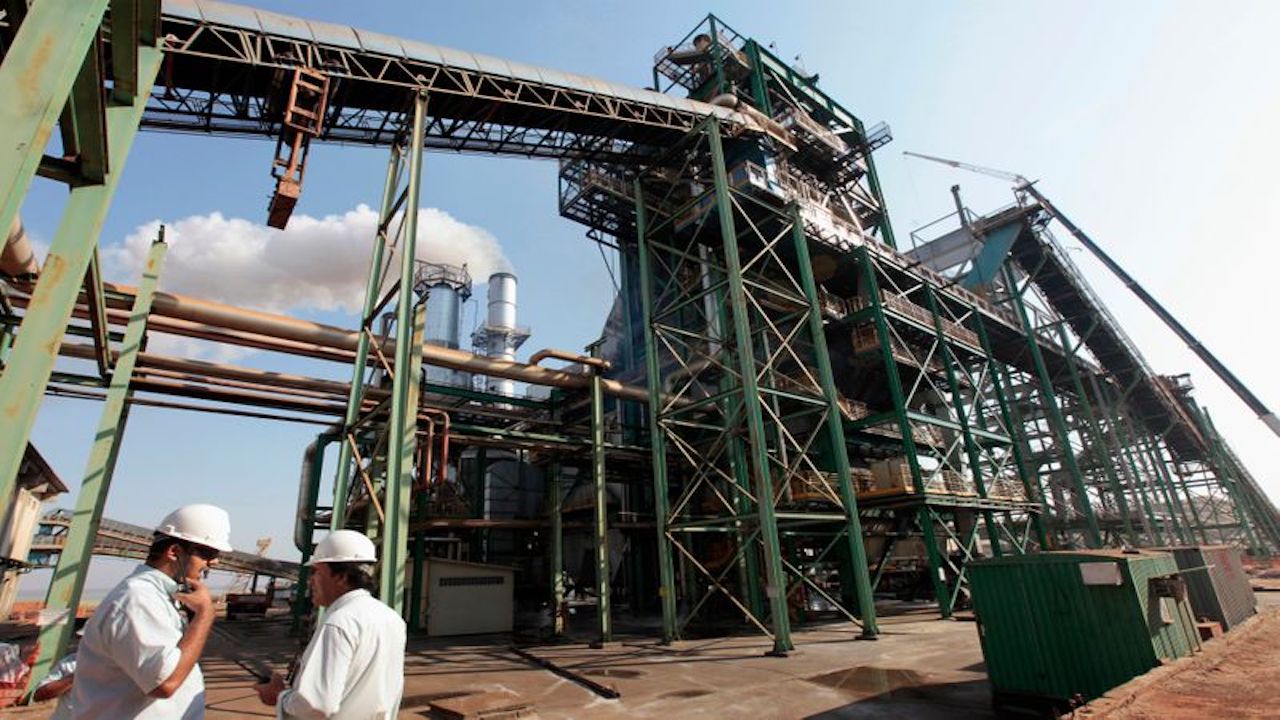

With a forecast to begin operation in the second half of 2024, the biomass plant in SP will use as inputs the bagasse and the straw of sugarcane, as well as wood chips, forest waste, corn straw, and other sources derived from the strong agroindustry in the region.
A new plant for the generation of clean and sustainable energy from biomass will be built in the city of Lençóis Paulista by the IBS Energy group, which won the 1st capacity and power reserve auction held in Brazil, coordinated by ANEEL (National Electric Energy Agency), and signed a 15-year contract. It is the only “green energy” project among the auction winners.
Read Also
- Helpers, cooks, technicians, drivers, and more onshore and offshore job vacancies (to work onboard) in RJ on this January 24
- Resume and work card in hand for job vacancies in civil construction and maintenance works; technicians, electricians, foremen, engineers, and many more professionals summoned yesterday (January 22) by the Brazilian Company of Infrastructure Services
- Suriname discovers gigantic oil reserves in the deep waters of the Atlantic Ocean and gives preference to Petrobras in the exploration of these reserves
- Urca Comercializadora acquires 2.3 million tons of carbon from a hydroelectric plant controlled by Neoenergia for UTE Prosperidade III, becoming the first carbon-neutral thermoelectric plant in Brazil!
The project has the support of InvestSP (São Paulo Investment Promotion Agency) in environmental matters, providing assistance in the process with Cetesb, and in infrastructure, in relationships and procedures with CPFL Energia and the Energy Research Company (EPE).
“InvestSP has been working to promote a cleaner and more sustainable energy matrix and prioritizes projects that respect the environment. The technical support of the Agency and the ample supply of biomass, whether from industry or agribusiness, attract investments like this to São Paulo. Together with other initiatives supported by InvestSP, such as ‘carbon zero’ ventures and the expansion of solar energy use, the plant will contribute to the growth of the green energy supply,” said the president of InvestSP, Gustavo Junqueira.
-
Small Farm in Brazil’s Minas Gerais Produces 403 Liters of Milk Daily, Sets Benchmark for Rural Producers

-
Man Revives 1930s Abandoned Trout Farm, Learns from Scratch, and Earns $1.1 Million Annually Selling Fish to Michelin-Starred Restaurants

-
Brazil to Issue “Panda Bonds” in China, Aiming to Raise Up to 5 Billion Yuan at Lower Interest Rates Than Dollar Debt
-
NATO Faces Internal Tensions as U.S. Pushes for Increased Defense Spending, Targeting 5% of GDP by 2035, with Warnings for Countries Near 2% Level


Construction and Operation Stages of the New Biomass Plant Promises to Generate 1,500 Jobs in SP
The expected investment is over R$ 500 million. The plant is also expected to create about 1,500 direct and indirect job vacancies when considering the construction and operation stages, contributing to income generation in the region.
The Cidade do Livro Thermoelectric Plant got its name in reference to the nickname of the city of Lençóis Paulista, and will have the capacity to produce up to 80 MW, enough to supply a city of 1 million inhabitants. The forecast for the start of operations is the second half of 2024, and the generated energy will be supplied to the general distribution network.
The main inputs will be sugarcane bagasse and straw, as well as wood chips, meaning the small pieces resulting from the grinding process. However, the plant will also have the flexibility to use other types of biomass, such as forest waste, corn straw, and other sources derived from the strong agroindustry in the region.
Plant Will Transform Sewage Water from the City of Lençóis Paulista into Reuse Water
Another highlight with a focus on sustainability is that the unit will transform sewage water from the city into reuse water for use in the cooling process, which will help save natural resources. Not to mention that the energy generated will have I-REC certification, which proves the renewable origin of the process, in addition to the positive balance in the carbon footprint that the project presents.
The region of Lençóis Paulista was chosen due to a combination of factors: public administration support, logistical access, ample biomass supply, availability of water, and infrastructure for energy dissemination.
“The support from InvestSP is of great importance for the UTE Cidade do Livro, an investment that generates social and economic returns for the region. This will be the first of many similar sustainable projects that the IBS Energy Group intends to undertake. It is a project dedicated to energy production and brings several innovations in its processes, being the first project with these characteristics and scale in Brazil,” highlights the President Director of IBS Energy Group, Luiz Mello.







