





 Portuguese
  English
  Spanish
  3 min of reading
  0 comments


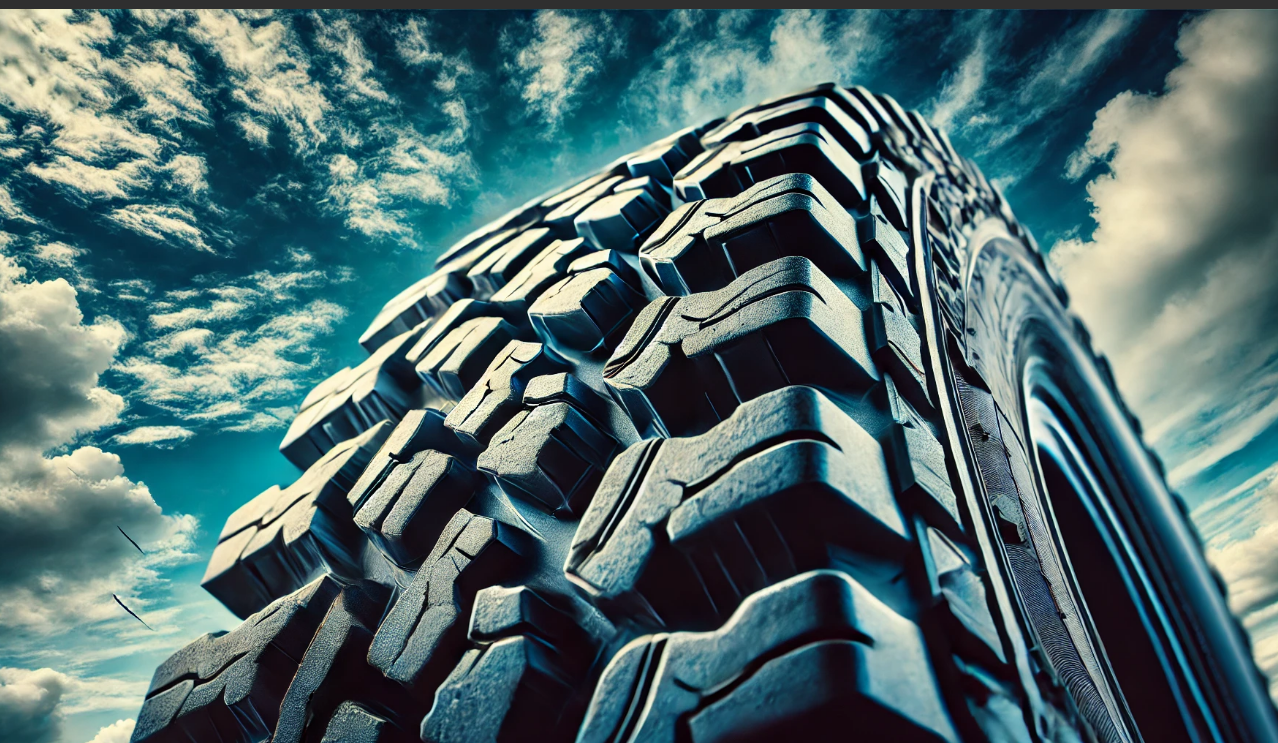
The Tire Hairs, Also Known As Tuffs, Have A Specific Function In The Manufacturing Process; Learn More
If you have ever purchased new tires, you may have noticed small “hairs” of rubber on their edges. At first glance, they may seem like an indicator of quality or a functional feature, but it is actually simpler than it seems.
Let’s explore what these tire hairs really are, why they are there, and if there is anything you need to do about them.
What Are Tire Hairs?
Tire hairs, technically called ventilation breathers, are small pieces of rubber that emerge as a result of the manufacturing process. They have no practical function in the vehicle’s performance.
-
6 used cars that cost less than a new Honda CG 160 Titan and still provide trunk space, four seats, and comfort that many new motorcycles cannot offer.
-
Caoa Chery Tiggo 5X skyrockets in sales in Brazil: a 2,318% increase and waiting lists of up to 4 months to acquire the model.

-
Goodbye falls: Singaporean company Omoway begins production of a motorcycle that doesn’t fall and surprises the market by offering automatic balance technology that reduces accidents and transforms the urban riding experience.

-
A French brand placed a car on four huge red balloons to prove that its suspension made the vehicle “float,” and the surreal scene became one of the most iconic and unusual images in automotive history.


Contrary to what many believe, they do not help with traction, sound control, or tire durability.
These “hairs” appear because tires are made by injection molding. During manufacturing, the mold needs to have small details to allow air to escape while the liquid rubber fills all cavities.
These holes, called breathers, ensure that the mold is completely filled without leaving any empty spaces. The excess rubber that escapes through the breathers forms these small “hairs” that we see in the final product.
Should I Worry About Them?
No! These hairs do not indicate the quality or condition of the tire. If you have just changed the tires and noticed their presence, rest assured. They do not affect the vehicle’s performance nor represent any kind of problem. If you wish to remove them, you can cut them off, but that is purely an aesthetic matter.
In fact, for those who lack the patience to deal with this, the good news is that these hairs disappear with use. Constant friction with the road causes them to wear away naturally over time.
What Really Matters When Caring For Tires?
Although tire hairs are not a cause for concern, there are other signs you should closely observe to ensure your safety and extend the lifespan of your tires:
- Tread Depth: It is essential to check if the depth is within recommended limits, ensuring good traction and safety.
- Uneven Wear: It may indicate issues such as misalignment or compromised suspension.
- Cracks or Cuts: These can be signs of deviations and present risks.
- Tire Pressure: Maintaining the correct calibration is essential for vehicle stability and fuel economy.
Tire hairs are an interesting curiosity, but completely harmless. They are just a visible reminder of the sophisticated manufacturing process behind something we use every day and do not always appreciate as we should. When caring for your car’s tires, focus on what really matters: regular maintenance, alignment, and safety. After all, your tires are literally the point of contact between you and the road – and that deserves attention!









Seja o primeiro a reagir!