






 Portuguese
  Spanish
  3 min of reading
  0 comments


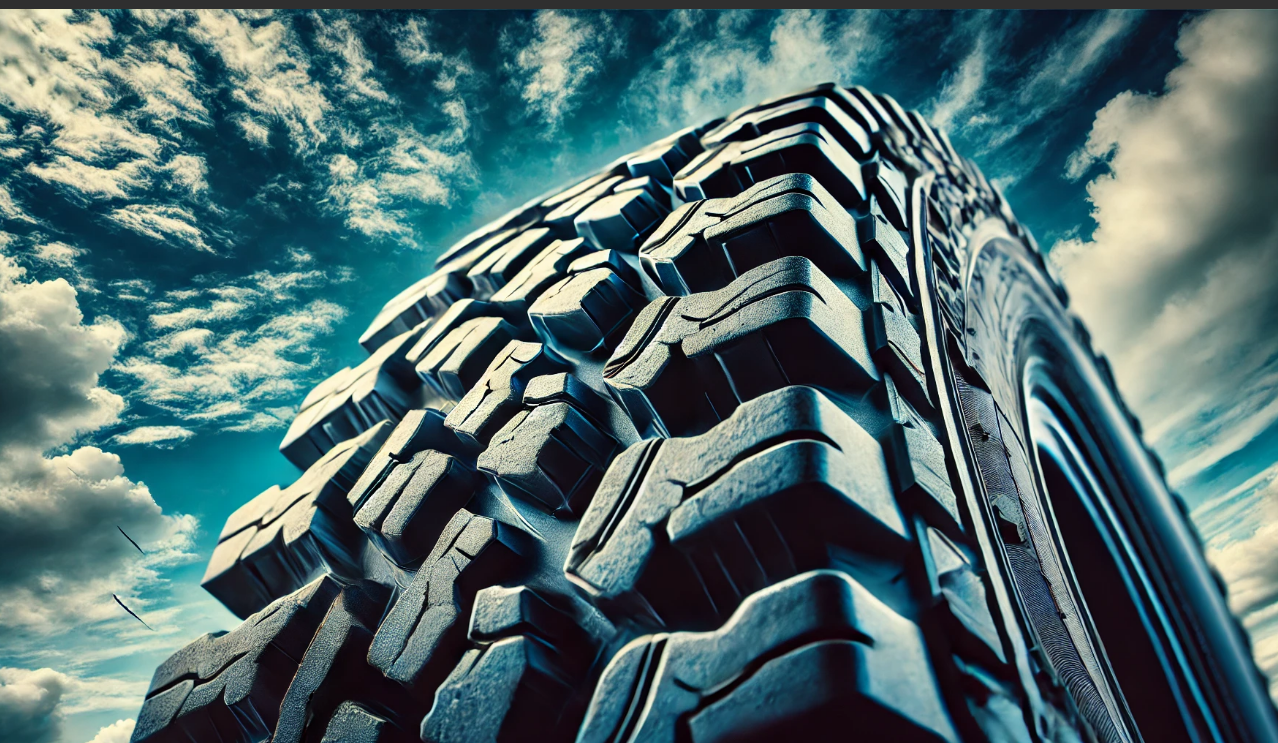
The Tire Hairs, Also Known As Tuffs, Have A Specific Function In The Manufacturing Process; Learn More
If you have ever purchased new tires, you may have noticed small “hairs” of rubber on their edges. At first glance, they may seem like an indicator of quality or a functional feature, but it is actually simpler than it seems.
Let’s explore what these tire hairs really are, why they are there, and if there is anything you need to do about them.
What Are Tire Hairs?
Tire hairs, technically called ventilation breathers, are small pieces of rubber that emerge as a result of the manufacturing process. They have no practical function in the vehicle’s performance.
-
New 0km electric car costs less than R$ 50,000 with an 18 hp engine, carries up to 6 people, travels over 100 km per charge, recharges in a regular outlet, and surprises by dispensing with airbags and limiting speed to 50 km/h in Mexico.

-
Pressure from residents forces a U.S. energy utility to suspend negotiations with a data center that could require 500 megawatts by 2032 and demand new lines, reinforcements in the power grid, and large infrastructure investments.

-
New Honda HooRide 125 scooter debuts in China with ADV styling, 17-inch wheels, TFT panel, Smart Key, and fuel consumption of up to 47.17 km/l, aiming to resemble an urban X-ADV with a 125 engine, CVT transmission, and an economical proposal for cities.

-
Volkswagen focuses on ethanol and tests a Saveiro 100% alcohol-powered with a recalibrated engine; the project may ensure tax reduction, targets corporate fleets, and revives technology that lost ground since the arrival of flex-fuel vehicles in 2003.


Contrary to what many believe, they do not help with traction, sound control, or tire durability.
These “hairs” appear because tires are made by injection molding. During manufacturing, the mold needs to have small details to allow air to escape while the liquid rubber fills all cavities.
These holes, called breathers, ensure that the mold is completely filled without leaving any empty spaces. The excess rubber that escapes through the breathers forms these small “hairs” that we see in the final product.
Should I Worry About Them?
No! These hairs do not indicate the quality or condition of the tire. If you have just changed the tires and noticed their presence, rest assured. They do not affect the vehicle’s performance nor represent any kind of problem. If you wish to remove them, you can cut them off, but that is purely an aesthetic matter.
In fact, for those who lack the patience to deal with this, the good news is that these hairs disappear with use. Constant friction with the road causes them to wear away naturally over time.
What Really Matters When Caring For Tires?
Although tire hairs are not a cause for concern, there are other signs you should closely observe to ensure your safety and extend the lifespan of your tires:
- Tread Depth: It is essential to check if the depth is within recommended limits, ensuring good traction and safety.
- Uneven Wear: It may indicate issues such as misalignment or compromised suspension.
- Cracks or Cuts: These can be signs of deviations and present risks.
- Tire Pressure: Maintaining the correct calibration is essential for vehicle stability and fuel economy.
Tire hairs are an interesting curiosity, but completely harmless. They are just a visible reminder of the sophisticated manufacturing process behind something we use every day and do not always appreciate as we should. When caring for your car’s tires, focus on what really matters: regular maintenance, alignment, and safety. After all, your tires are literally the point of contact between you and the road – and that deserves attention!




Be the first to react!