





 English
  Francês
  Alemão
  Italiano
  Japonês
  Norueguês
  Portuguese
  Spanish
  4 min of reading


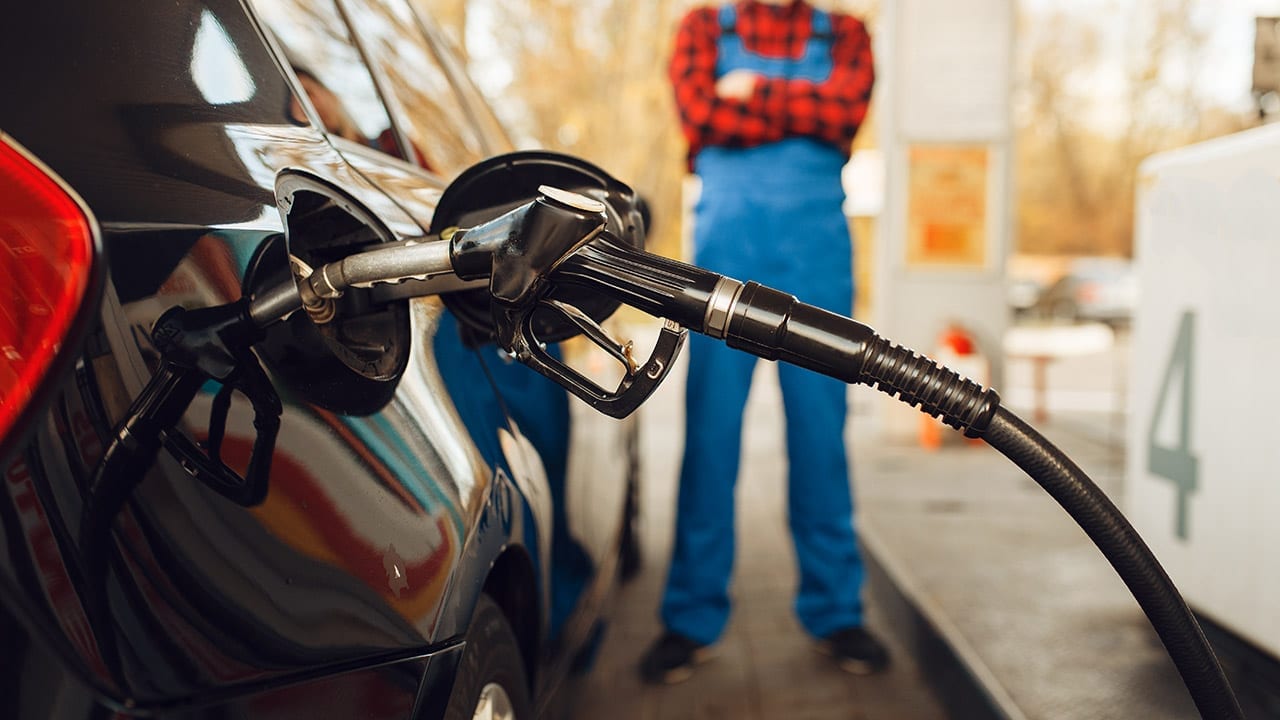
Due To The War In Ukraine, Oil Barrel And Fuels Have Price Increases That Worry Governments In Brazil And Around The World
The price of the oil barrel surpassed 130 dollars at the market’s opening on 07/03, amid the risk of import bans by the United States and Europe on Russian goods, as another form of punishment for the country’s attacks on Ukraine. Undoubtedly, this also impacts Brazil’s economy and raises consumer concerns about fuel prices.
Also Read:
- China’s Government, Concerned About A Possible Shortage Of Oil, Gas, And Food, Initiates A Commodity Supply Operation Paying 139% More On Some Imports;
- Maricá Has Just Joined The List Of Oil-Producing Cities After Inaugurating Its First Official Offshore Logistics Operation At The City Airport In Rio De Janeiro;
- Petrobras States That There Is No Intention To Reduce Or Increase Its Fuels To Avoid Harming The Domestic Oil Market
The increase in oil prices intensifies pressure on governments in Brazil and around the globe, which, long before the conflict erupted, were already seeking ways to mitigate the impact of rising commodity prices on their economies. To that end, they adopted subsidies, control reserves, the creation of funds, and taxes that are theoretically set for short-term implementation, but may expand given the geopolitical tensions.
See Below The Policies Adopted By Brazil And Some Other Countries To Mitigate The Rise In Oil Fuels
In Brazil, as reported by the original article from the online channel Exame, there are two legislative projects in Congress to be voted on this week aimed at reducing fuel prices. Bill 1,472 creates a stabilization account that softens fuel price increases such as diesel and gasoline while setting criteria to define prices. Bill PLP 11 changes the ICMS rules for fuels. Furthermore, experts assert that more measures should be taken, but they are concerned that election campaigns in Brazil may negatively impact the sector.
-
Unemployment rises again to 5.8% at the beginning of 2026, raising alarms about the end of temporary positions and its impact on the Brazilian job market.

-
Document organization can cut invisible costs in small businesses, a simple step that prevents waste, rework, and losses in daily operations.

-
Brazilian giant expands borders in the Southeast: Petrobras confirms new oil discovery in ultra-deep waters in the pre-salt of the Campos Basin.

-
Alert in the global energy market: Severe tropical cyclone hits the coast and disrupts gas production at major plants in Australia, threatening global supply.


In Argentina, the fuel market is indirectly managed by the government through the state-owned YPF, which controls 55% of diesel and gasoline shipments.
In Chile, there are two stabilization funds that lower gasoline and diesel prices when the price of oil increases.
In Peru, there is a regulatory tax and a subsidy fund. In cases where oil prices fall below a certain threshold, fuel prices are increased. Thus, the funds raised form a reserve used to reduce oil prices.
The government of the United States together with 30 allies opted to release 60 million barrels from strategic oil reserves in an attempt to stabilize international prices.
In England, citizens will receive an instant discount of £200 on their electricity bills in October. Families will repay this discount in installments over five years starting in 2023, when the government expects gas prices to have already decreased.
The government of Portugal also granted a discount of €0.10 per liter of fuel, resulting in a maximum of €5 monthly. The decision was implemented in November and will continue through March. It is unclear if it will be extended due to the conflict.
The Italian government has reduced the value-added tax on gas to 5% and increased the social bonus for low-income families.
In Spain, the main action was the reduction of the electricity tax from 21% to 10%, which will last until June 2022.
Belgium, for its part, announced a package of measures worth €1.1 billion, which includes a reduction of the electricity value-added tax from 21% to 6% from March to July, as well as a €100 check and special tariffs for poorer families.
In January, Japan announced it would temporarily provide a subsidy of 3.4 yen per liter of fuel to distributors whenever gasoline prices exceed a certain level.
The diesel tax in Thailand has been reduced from 5.99 baht to 2.99 baht (R$ 0.46) per liter over three months. The country has also capped fuel prices at the pump until the end of May.
In Mexico, maximum regional prices for gas have been set. The decision, which came into effect last August and was supposed to last for six months, has been extended for another six months.
Since 2015, in the United Arab Emirates, the price of fuels is set monthly by a committee of authorities based on external market prices.





Seja o primeiro a reagir!