Portuguese
  Spanish


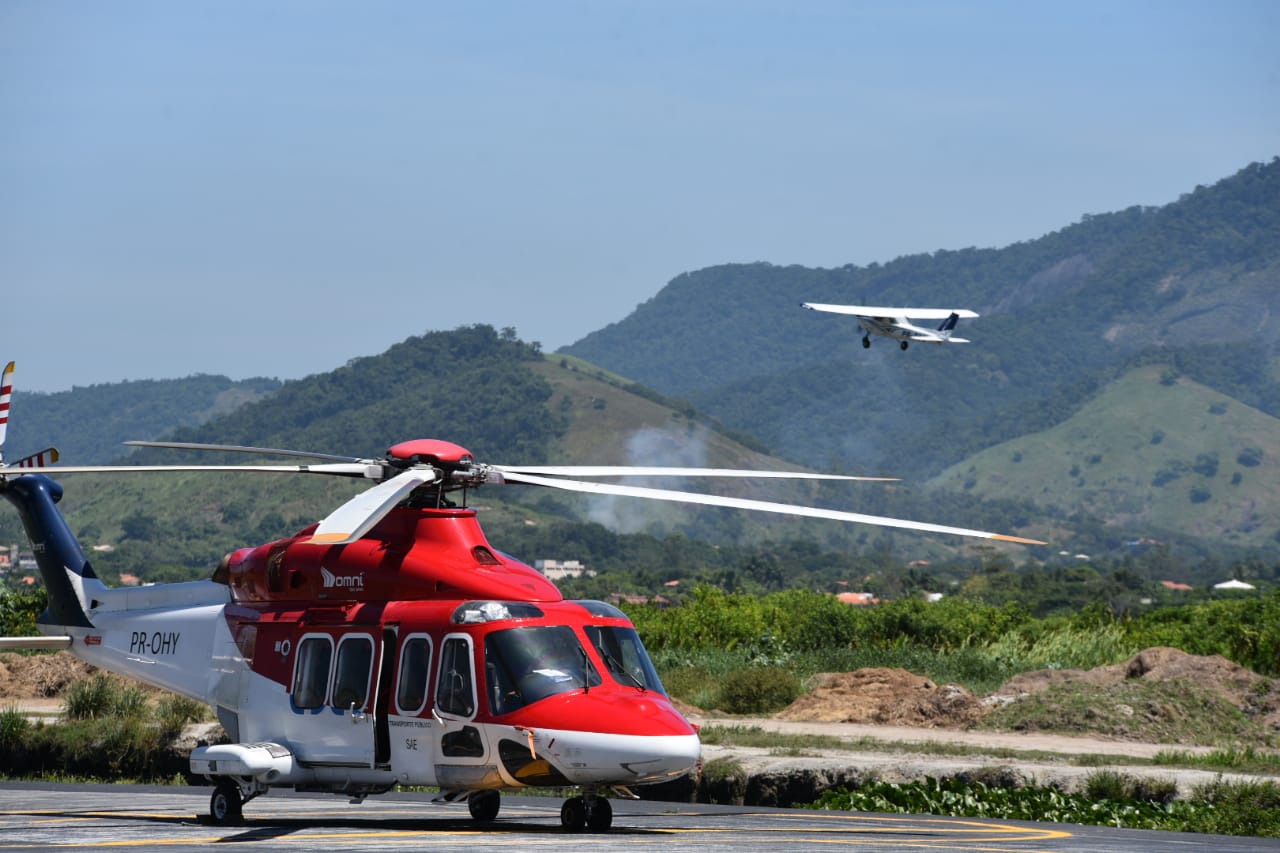

The First Offshore Boarding at Maricá Airport in Rio de Janeiro Has Happened This Thursday, Toward the Santos Basin. Check Out the Image Gallery of This Great Milestone!
The city hall of Maricá, a municipality in Rio de Janeiro, announced that the offshore displacement operations of oil tankers began today, March 3rd, at the city’s own airport. The transportation activities include the boarding and disembarking of Petrobras workers who operate on oil platforms in the Santos Basin, which is the largest offshore sedimentary basin in Brazil, covering a total area of over 350,000 square kilometers, extending from the state of Rio de Janeiro to Florianópolis (SC).
Also Read:
- Multinational SBM Offshore Offers Various Job Vacancies in Rio de Janeiro;
- Santos Dumont Airport in RJ Has Auction Postponed to 2023 and Will Happen Alongside the Galeão Auction;
- Multinational SBM Offshore Offers Many Job Vacancies Onshore and Offshore on This Day 07.
The city of Maricá is being seen as one of the strategic locations in the State of Rio de Janeiro for transportation, which has helped the logistics of people working offshore. Previously, only the airports in Cabo Frio, Campos, and Jacarepaguá conducted the transports.
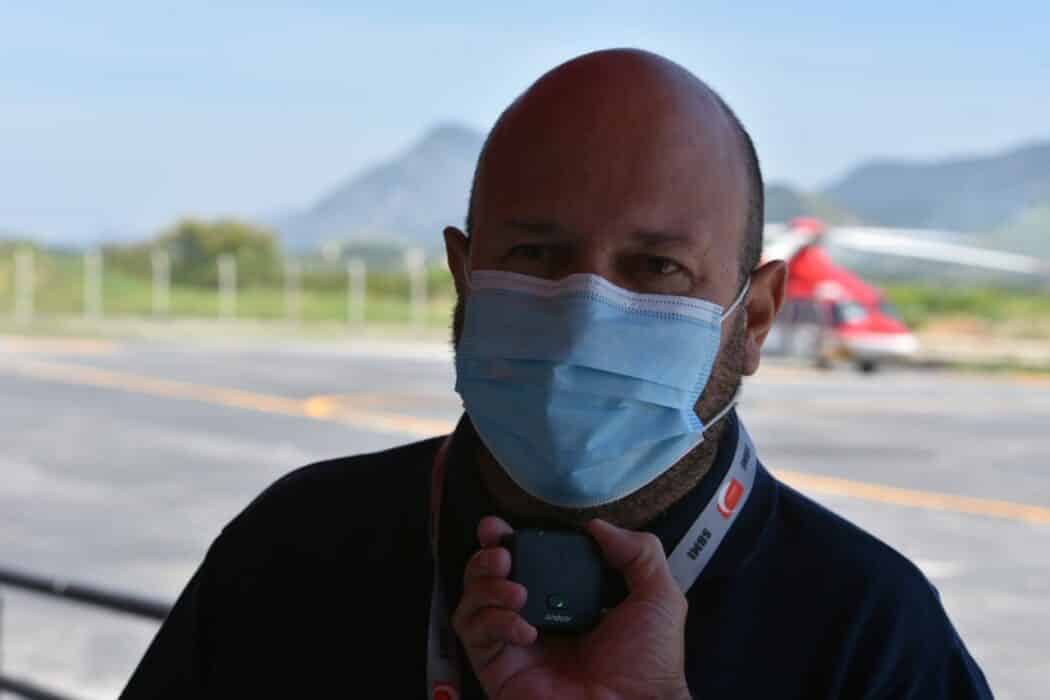
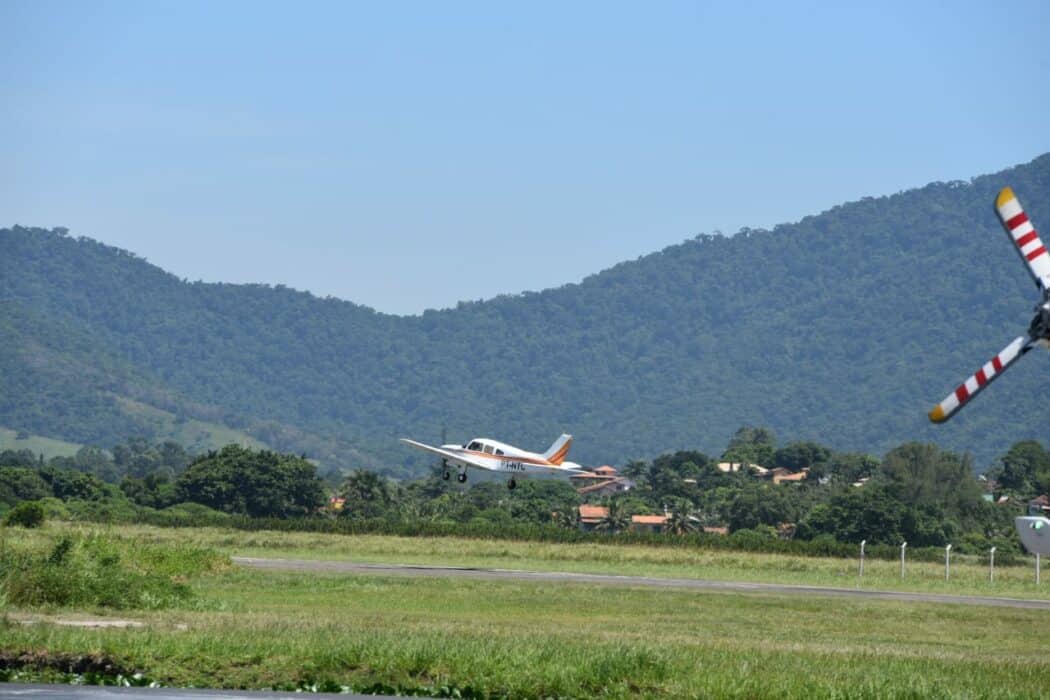
Photo Galleries of the First Offshore Aerial Logistics Operations. Source: City Hall of Maricá

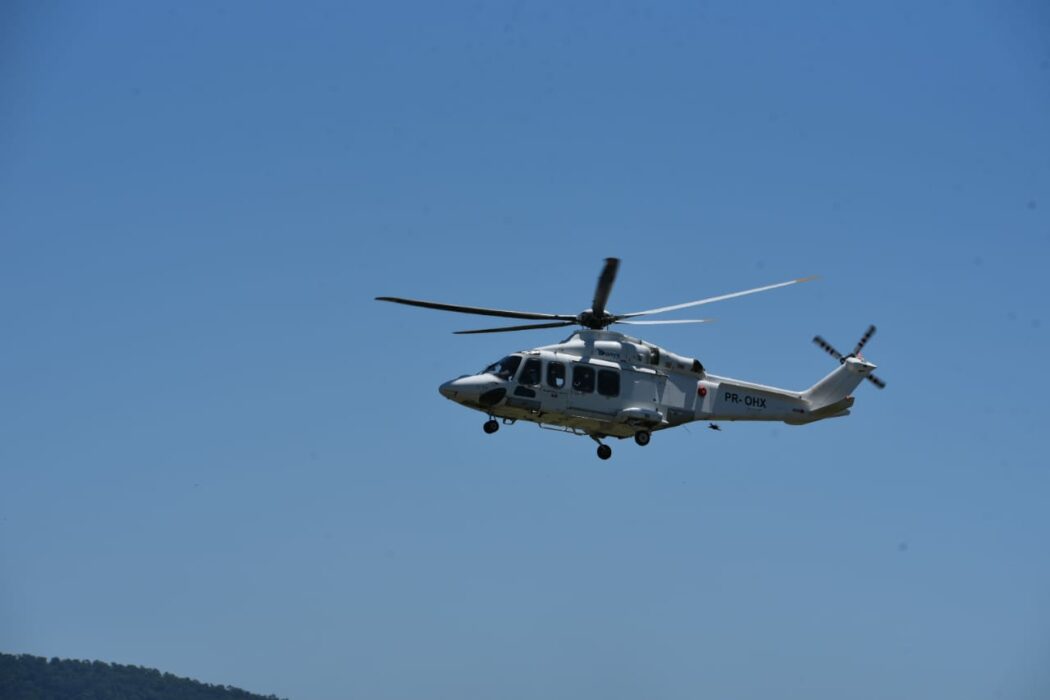


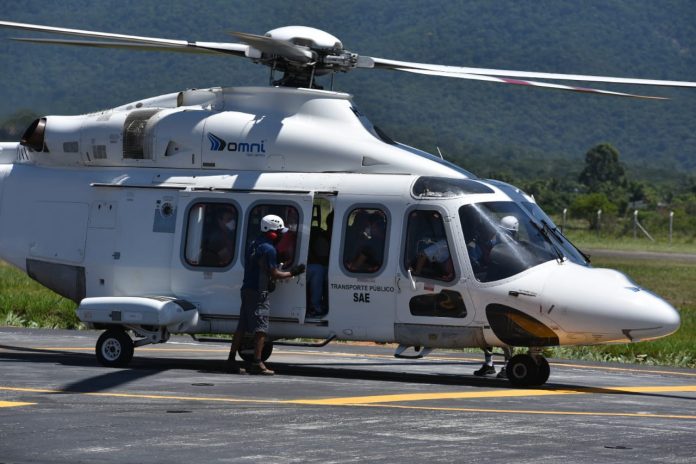
The company that oversees the airport, the Maricá Development Company (Codemar), expects to conduct three to four flight schedules daily through the offshore air transport company Omni Taxi Aéreo. The itineraries will last about 45 minutes for each trip, round trip, between the mainland and the oil platforms, which are located approximately 360 kilometers (200 nautical miles) away. The transportation means used are AW-139 helicopters, which can carry up to 12 passengers and 3 crew members. In addition to Omni, other taxi companies will also have opportunities to operate in the city of Rio de Janeiro in question, Maricá.
-
Qantas and Airbus Invest in Company Aiming to Convert Unsorted Household Trash into Jet Fuel

-
Latin America’s Largest Port Invests $400 Million in Rail System with Trains Up to 2.4 Kilometers Long
-
Brazil’s ANP Opens 86 New Oil Blocks in the Equatorial Margin, Expanding the Amazon River Mouth Frontier

-
OPEC+ Boosts Oil Supply by 188,000 Barrels per Day in July 2026, Leading to Price Drop from $112 to $89 per Barrel in Under Two Months



Offshore Operation Represents Innovation in the Economy of Rio de Janeiro
Olavo Noleto, the president of the Maricá Development Company (Codemar), informed the city hall that the start of operations is a milestone for a new economy emerging in the city due to oil activity.
According to the publication made on the website of the City Hall of Maricá, Olavo Noleto stated: “In addition to the revenue that will be generated for the municipality, the importance of air transport from now on will also be to attract companies that may settle in Maricá and boost commerce, among other sectors, like hospitality and restaurants.”
Since 2018, the Maricá airport has been properly organized and equipped. The city has been training a specialized team to work with offshore operators. “Maricá has prepared a lot for this day, to take these workers to the platforms departing from here, from our city. We are aware of the bottleneck that exists in the state within this logistics, and we are showing that the city and the airport are organized to meet the demand,” concluded the president of Codemar.