





 Portuguese
  English
  Spanish
  3 min of reading
  31 comments


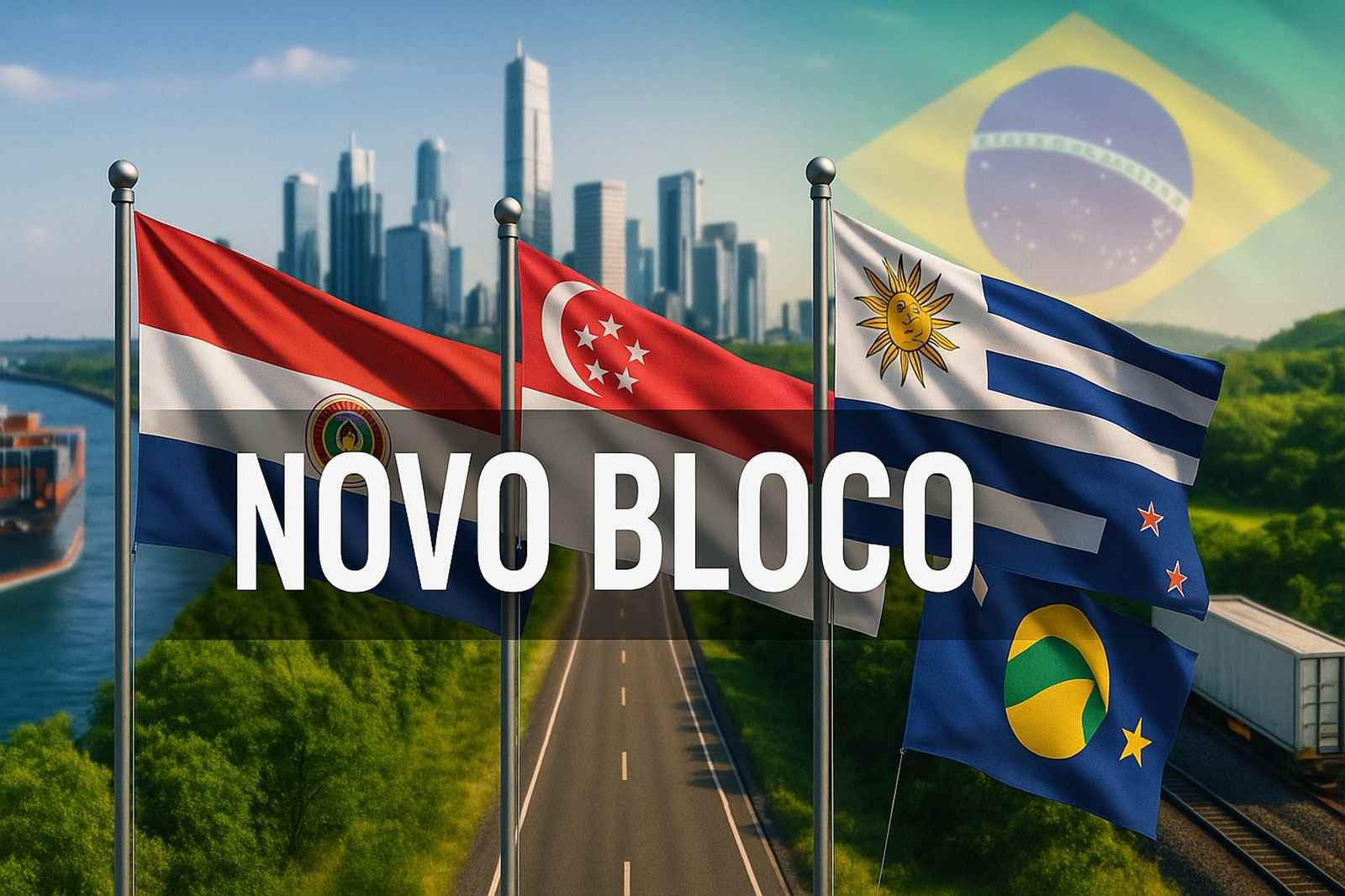


A New Trade Bloc Is Forming And Promises To Move The International Scene. Called FIT-P, The Group Brings Together Countries From Different Continents With The Proposal To Strengthen Rule-Based Trade And Encourage Modern Practices In The Digital Sector.
Eleven Countries Are In Negotiation To Create A New Trade Bloc Called FIT-P, Which Stands For Partnership For The Future Of Investment And Trade. The Proposal Arises In A Context Of Growing Tensions Between The United States And Other Nations.
According To The FT, The Group Is Expected To Be Comprised Of Singapore, New Zealand, And The United Arab Emirates As Core Founding Members. They Will Be Joined By Morocco, Rwanda, Malaysia, Uruguay, Costa Rica, Panama, Paraguay, And Norway.
Should The Group Of Countries Be Confirmed, The New Bloc Will Include Two Mercosur Countries, Uruguay And Paraguay.
-
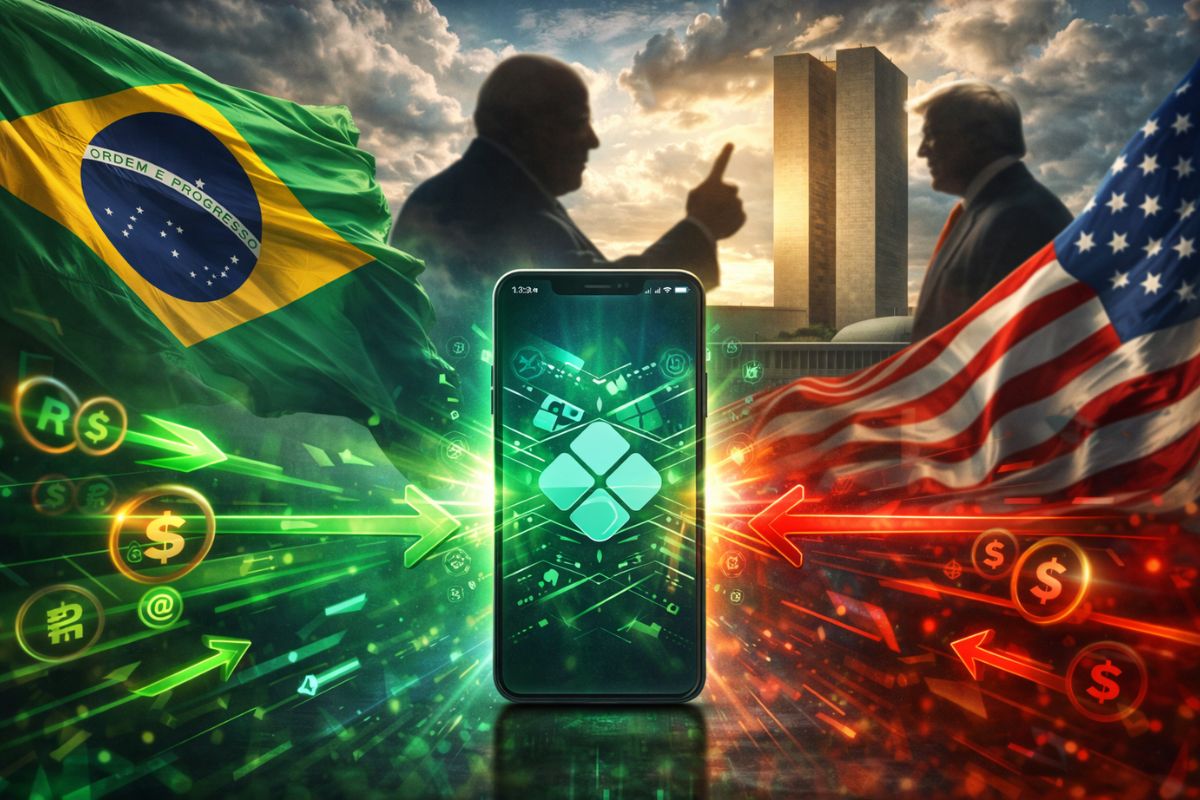
“No one will make us change the Pix,” says Lula after the US report.

-
Lula responds directly to Trump and says that Pix is from Brazil and will not change under pressure from anyone, after a report from the United States pointed out the Brazilian payment system as an American trade barrier.
-
Amazon has just announced a new fee on all deliveries, and your online purchases will become more expensive starting April 17, including for those buying from the United States here in Brazil.

-
He sold his share for R$ 4 thousand, saw the company become a giant worth R$ 19 trillion, and missed the opportunity of a lifetime.


Diplomats And Officials From Different Regions, Including Asia, Latin America, And Australasia, Are Directly Involved In The Plans.
A Final List Of Participants Has Yet To Be Confirmed, But The Proposal Is Based On “Rule-Based” International Trade.
Expected Launch
According To Information From Involved Diplomats, The Group Is Set To Be Officially Launched At A Virtual Meeting Scheduled For November. Subsequently, An In-Person Meeting Is Expected For July 2026.
According To A Person Close To The Negotiations, The Initial Idea Is To Build A Coalition Focused On Trade Liberalization And International Rules. However, There Is Expectation That The Initiative Could Gain Greater Dimension Over Time.
Digital Trade In Focus
One Of The Main Points Of Focus Will Be The Implementation Of Trust Measures In Digital Trade. The Goal Is To Encourage Countries To Treat Digital And Physical Documents Equally, Something Seen As Essential To Speed Up Processes And Increase Efficiency.
Some Countries Still Do Not Accept Documents In Digital Format, Creating Barriers. Standardization In This Aspect Is Considered Fundamental To Facilitate International Transactions.
International Context
The Announcement Of FIT-P Occurs In Parallel With The Trade Policy Adopted By The Trump Administration. The U.S. Has Promoted Quick Bilateral Agreements, Nicknamed “Napkin Deals,” With Partners Such As The European Union And Japan.
These Moves, According To Diplomats, Undermine The Principle Of “Most-Favored Nation,” Which Guarantees Equal Treatment To All Trade Partners. This Practice Has Also Brought Uncertainties To Global Supply Chains.
In Response, The European Union And The Indo-Pacific CPTPP Bloc Have Already Announced Plans To Deepen Their Ties, Reinforcing The Defense Of A Rule-Based System.
Reactions And Expectations
Cecilia Malmström, Former European Union Trade Commissioner And Member Of The Peterson Institute For International Economics, Evaluated That FIT-P Could Add To These Efforts. For Her, The Group Demonstrates That There Are Countries Committed To Transparency And Clear Rules.
According To Malmström, Cooperation With The EU And CPTPP Could Create A Plurilateral Movement, Strengthening Global Trade.
Focus On Smaller Countries
Officials Close To The Project Highlighted That FIT-P Will Be Characterized By Bringing Together Smaller Countries. The Intention Is To Create A More Agile Forum, Capable Of Finding Consensus In Modern Areas Such As E-Commerce, Digital Signatures, And Online Documents.
The Model Draws Inspiration From The Digital Economy Partnership Agreement (DEPA), Established In 2020 By Chile, New Zealand, And Singapore. The Initiative Served As A Reference Because It Established Foundations For The Digital Economy And Has Already Received The Endorsement Of South Korea.
Next Steps
Despite The Movements, Not All Mentioned Countries Have Confirmed Their Adherence To The Group. Some Are Awaiting More Information Regarding Benefits And Commitments Before Making A Decision.
The Trade Ministries Of Singapore And New Zealand Have Refused To Comment On The Plans So Far.
The Official Announcement Is Expected To Occur Next Month, Marking Another Chapter In The Disputes Over The Future Of International Trade.








Parabéns ao Uruguai e Paraguai onde o governo respeita os direitos dos cidadãos
Países **** !!!!
Somente países pobres e governados por ditadores ****. Paraguai e Uruguai não oferecem absolutamente nada no Mercosul, os países um pouco mais favorecidos, escravizam seus trabalhadores, Brasil está com uma dívida externa com mais de 1,3 TRILHÕES colocando bilhões de DÓLARES nesse BRICs.
E tu preocupado
Nova Zelândia é país de primeiro mundo, Dubai é país de primeiro mundo, Noruega é país de primeiro mundo, Singapura é país de primeiro mundo… acho que você é um ignorante que não estudou Geografia e nem lê jornal porque olha…. Kkkk, é cada coisa que a gente lê nessa internet….
Vc deve ter algum problema sério com comércio internacional e economia kkk. O Brasil não deve 1,3 trilhões, se tivéssemos uma dívida externa dessas, já estaríamos pior q a Argentina kkkk. A dívida externa do Brasil é mínima, totalmente inexpressiva. Pra vc ter noção, emprestamos dinheiro ao fmi, somos credores do fmi. O Brasil tem um reserva em dólares muito boa, o problema do Brasil é a dívida interna, q só tá aumentando. O brics não se põe dinheiro, só é um bloco de discussão, nem econômico é, a única coisa q se põe dinheiro é no banco do brics, mas é a china q praticamente sustenta ele