Portuguese
  Spanish


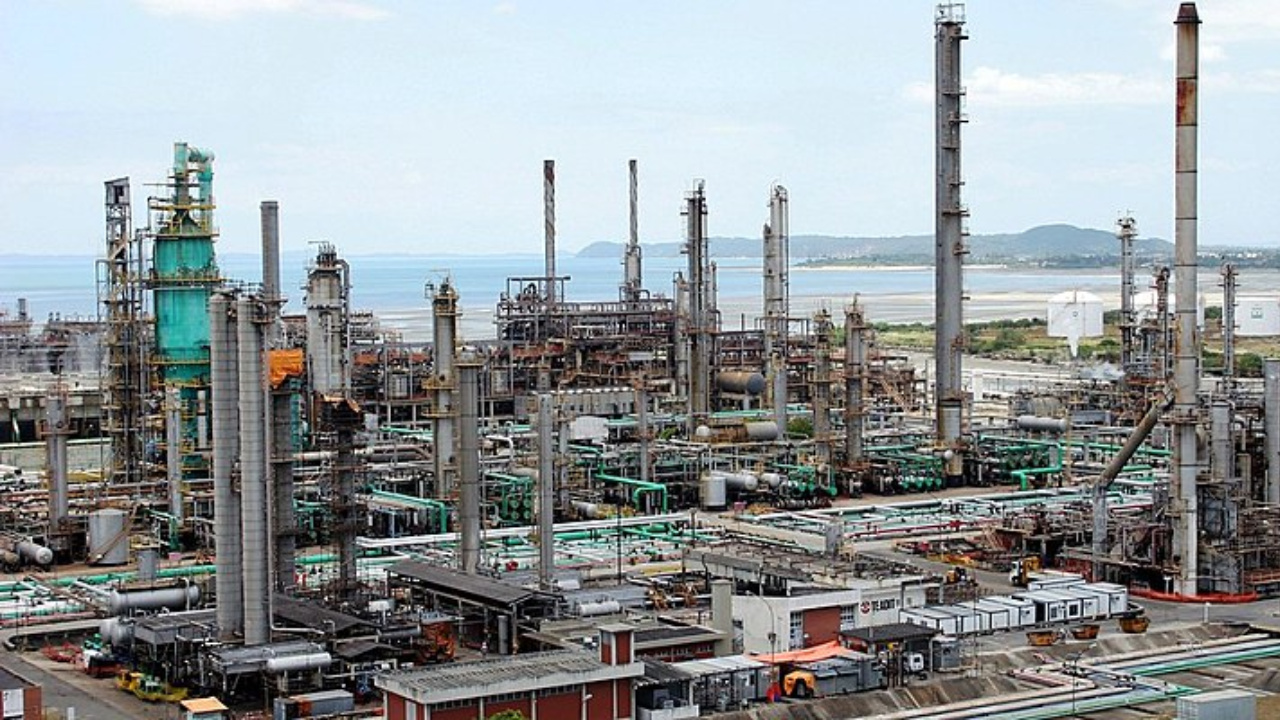

Production Of Petroleum Derivatives Falls In October After Paralysis And Inspection In Refineries, According To IBGE Data And The Monthly Industrial Research.
The sector related to oil returned to the center of attention after recording a sharp contraction in industrial production. Paralyzes in production units of coke, petroleum derivatives, and biofuels directly impacted the industry’s performance in October, contributing to a negative result for the period.
The data is part of the Monthly Industrial Research (PIM), released by IBGE, and reflects a scenario of operational interruptions and intensified inspection actions in recent months.
While other segments showed growth, the decline in refining and production of derivatives had a significant weight on the overall balance.
-
Petrobras to Double Natural Gas Supply in Northeastern Brazil with New Investment

-
Petrobras Approves $1.2 Billion Refinery in Brazil to Produce Aviation Fuel and Diesel from Plants
-
Petrobras Secures $2.2 Billion Contract to Build and Operate Four Support Vessels for Brazil’s Offshore Oil Fields
-
Oil production grows in Rio, but reserve replacement raises a warning sign



Production Of Petroleum Derivatives Registers Expressive Decline
The segment of coke, petroleum derivatives, and biofuels showed a contraction of 10.7% in October compared to the same month of the previous year. For 2025, the cumulative drop reaches 4.9%. Over the last 12 months, the decrease is 4.3%.
Additionally, the monthly performance also evidenced a loss of pace. In October, the reduction was 3.9% compared to September, a greater intensity than that recorded in the previous month, when the contraction was 0.5%.
According to IBGE, this behavior is directly related to the paralysis of production units, which compromised the supply chain of petroleum derivatives.
Inspections And Interdictions Affect Refineries And Platforms
A significant part of the interruptions occurred after inspection operations in the sector. Refit, formerly Manguinhos Refinery, was targeted in Operation Hidden Carbon.
As a result of the action, four ships with cargoes were seized and the unit was interdicted by the National Agency of Petroleum, Natural Gas, and Biofuels (ANP) in September.
Suspicions of irregular gasoline imports and non-compliance with the refining activity of oil weighed on the refinery, despite access to tax benefits linked to this function.
In this context, the ANP also determined the interdiction of the FPSO Peregrino platform in August. The decision came after an audit of the Operational Safety Management System (SGSO) and directly affected the offshore field activities.
Direct Impact On Oil And Derivatives Supply
The Peregrino field plays a significant role in national production. According to estimates, it contributes approximately 39,200 barrels of oil equivalent per day. Therefore, the temporary paralysis exerted immediate influence on the supply of oil.
Prio, which will eventually take over the operation of the field after acquiring a stake from Equinor, reported that the work to address the issues raised by the audit could take up to six weeks.
During this period, operational reduction remained a pressure factor for the sector.
Despite the difficulties faced by the derivatives segment, the extractive industry presented a positive result and helped sustain part of national production. The sector responsible for the extraction of oil, iron ore, and natural gas advanced 10.1% in year-on-year comparison.
In the monthly analysis, the growth was 3.6% compared to September. Regarding this movement, the manager of PIM, André Macedo, emphasized the recent recovery.
“The growth observed in October eliminated the loss of 1.7% accumulated in the months of August and September of this year,” highlights Macedo.
Thus, while the refining of oil faced operational and regulatory hurdles, the extraction stage maintained robust performance and prevented an even greater contraction of the industry as a whole.