





 Portuguese
  English
  Spanish
 4 min of reading
  0 comments


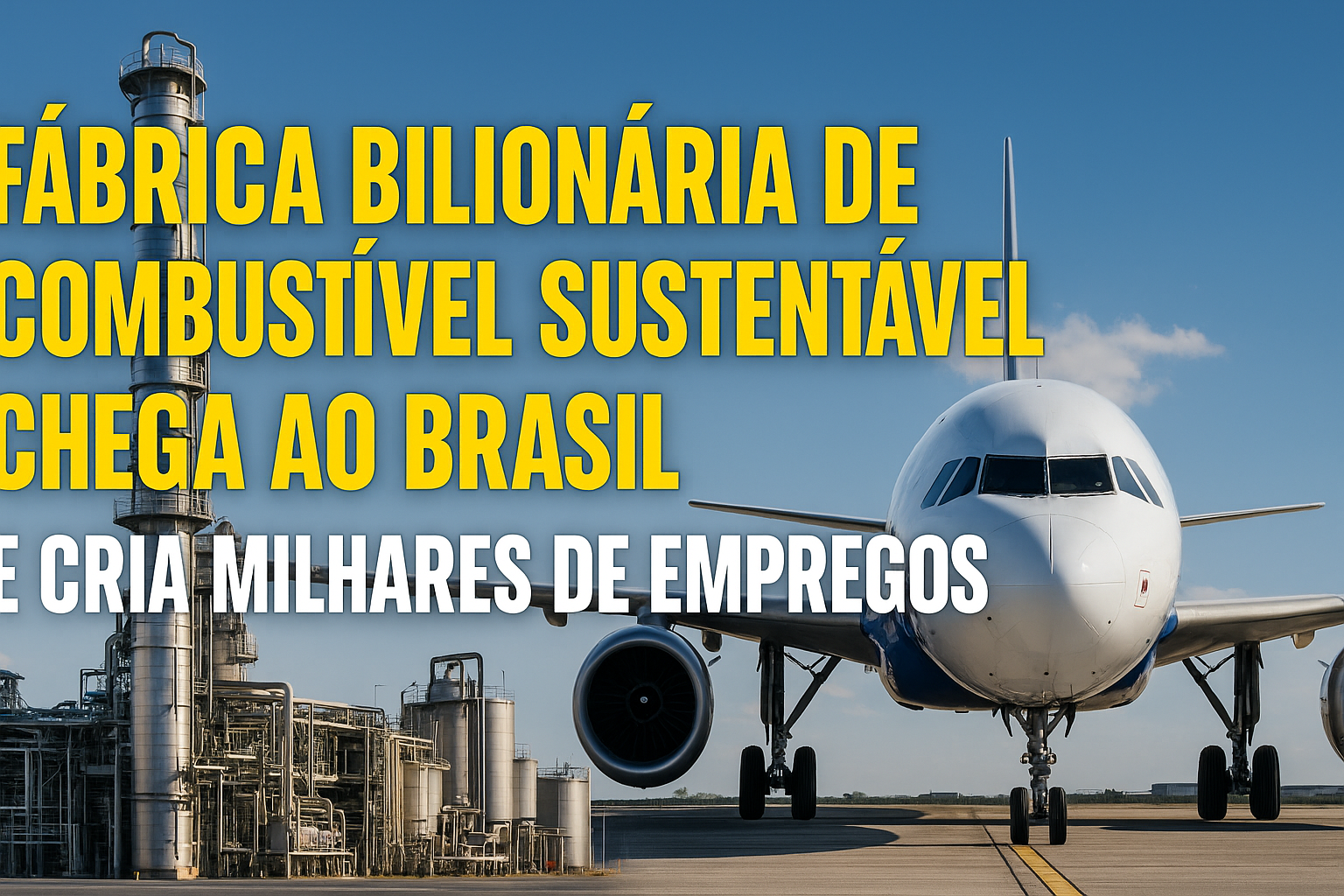
American Multinational Chooses Sarandi to Implement Pioneering Sustainable Aviation Fuel Plant. R$ 2.3 Billion Project Will Use Ethanol as a Base and Promises to Boost Jobs and Decarbonization.
The municipality of Sarandi, in Paraná, has been chosen to host a new sustainable aviation fuel (SAF) factory, the first in Latin America. The initiative is led by the American multinational Satarem America Inc., which will invest around US$ 425 million — approximately R$ 2.3 billion — in the construction of a modern industrial plant that promises to transform the region into a global reference in the production of green fuels.
The official announcement was made on Tuesday, June 3, during a meeting between company representatives and the vice governor of Paraná, Darci Piana, in Curitiba. The new factory will be located on the border between Maringá and Sarandi, taking advantage of the excellent logistics of the region, the proximity to the Port of Paranaguá, and the availability of ethanol, which will be the main raw material in the initial phase of production.
New Factory is Expected to Generate 3,800 Jobs and Directly Impact the Local Economy
In addition to the positive environmental impact, the project will have a strong socioeconomic repercussion. There will be 800 direct jobs and up to 3,000 indirect jobs, strengthening the regional economy and generating opportunities especially in the logistics, industrial, and services sectors.
-
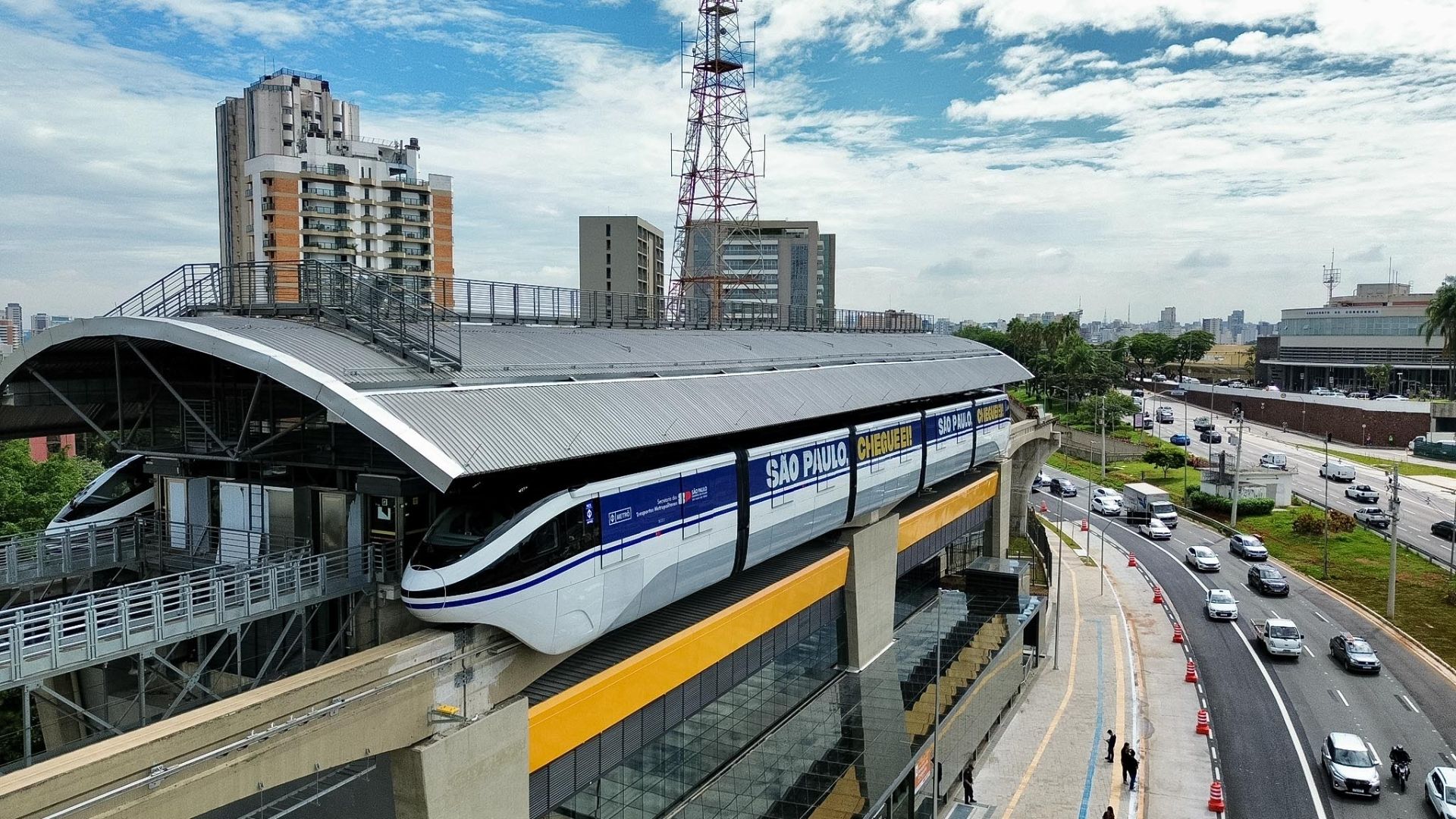
Congonhas receives the monorail promised for the 2014 World Cup after more than a decade of delays and becomes the first airport in Brazil with integrated subway.
-
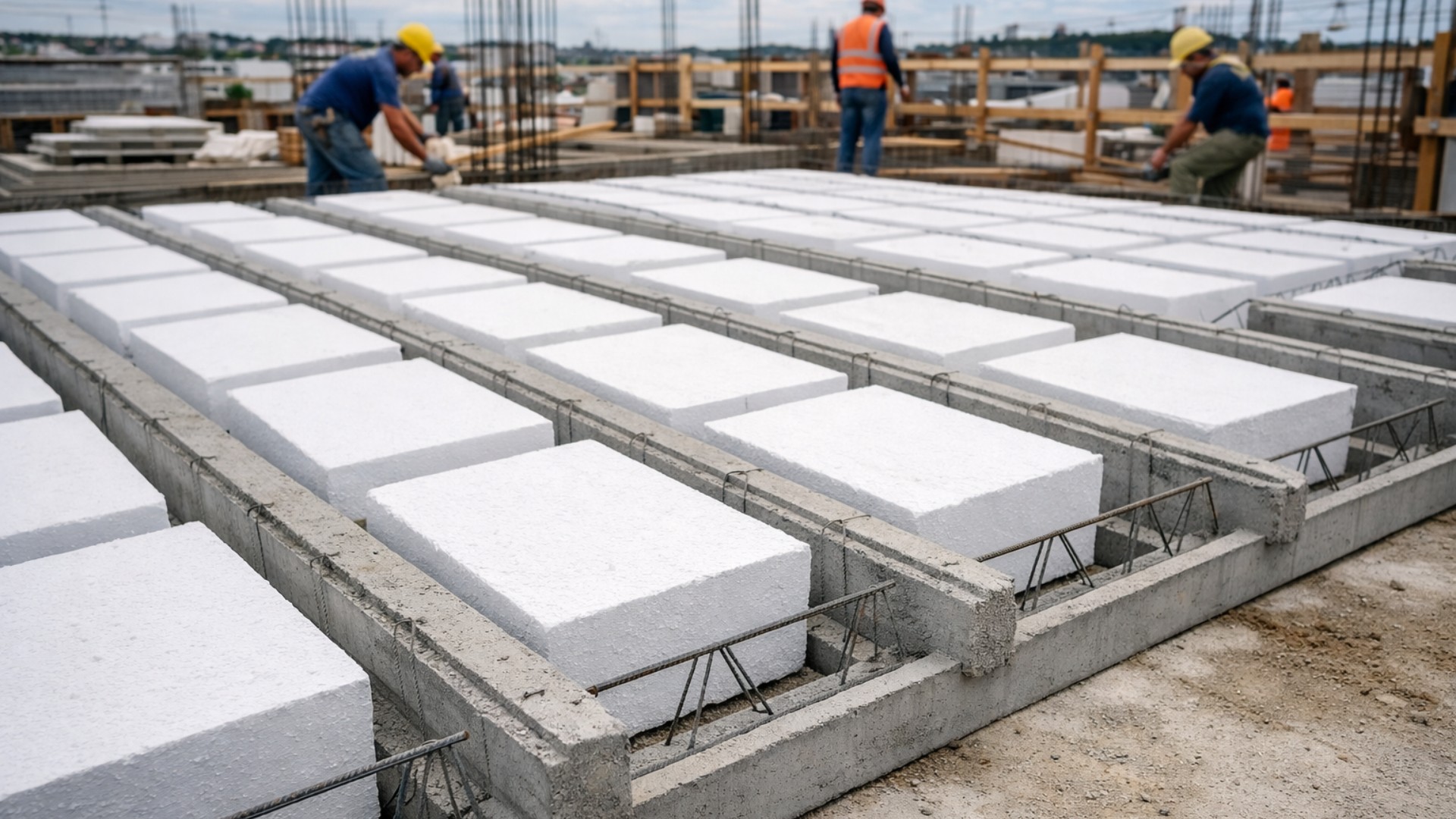
Goodbye, concrete: a new trend in civil construction reduces the weight of the structure by up to 30%, accelerates projects by up to 40%, cuts costs on steel and labor, and improves thermal insulation with EPS.
-
Russian engineers create an innovative propeller blade for aircraft that could completely change the way airplanes and helicopters operate.

-
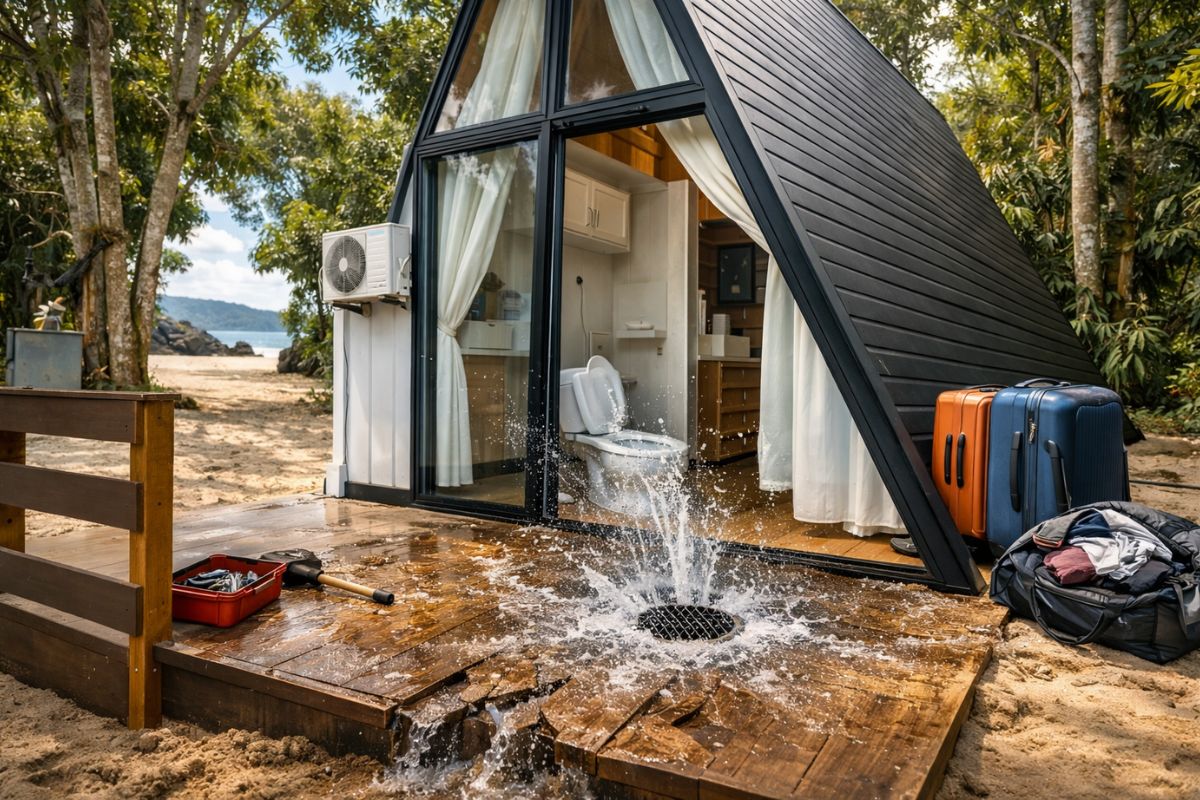
Couple finishes building PVC chalet on the beach on the last day, with air conditioning and curtains, but discovers the bathroom drain is inverted: water escapes from the drain, risking breaking the floor, and the rush continues before the trip.

The CEO of Satarem America Inc., Jerome Friler, emphasized social inclusion and diversity as part of the project. According to him, 50% of the workers at the facility will be women and 30% will be young people, strengthening employability policies with a social and innovative bias.
“This is the largest investment by our company at this time in Latin America. Sarandi and Maringá have what we were looking for: abundant raw material, efficient infrastructure, and governmental support,” said Friler.
SAF: The Fuel of the Future
SAF (Sustainable Aviation Fuel) is considered one of the pillars of decarbonizing global aviation, a sector responsible for about 2.5% of global CO₂ emissions. According to the Paris Agreement, the goal of the aviation sector is to achieve net-zero emissions by 2050, and the use of sustainable fuels is an essential part of this transition.
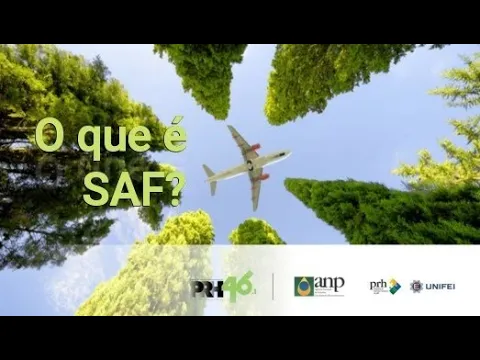

In the new plant, production will initially be based on ethanol, a resource abundant in Brazil. However, there are plans for expansion with other raw materials of low environmental impact, such as biogas, in the medium term.
“Brazil is ready to lead this sector. We produce ethanol at scale, have infrastructure, and have public policies that favor innovation,” emphasized Vice Governor Darci Piana.
New Factory Will Have Production Focused on the Global Market
The expectation is that the first liter of SAF produced at the new factory in Sarandi will be available in December 2028. With this, Brazil will join the list of countries with its own capacity to produce this type of fuel, reducing international dependence and opening doors for large-scale exports.
Indeed, foreign airlines have already shown interest. Ethiopian Airlines, one of the major carriers in Africa, is in talks with Satarem to acquire Brazilian SAF.
Public Policies and State Incentives Were Decisive
The project is a direct reflection of the favorable investment environment created by the Government of Paraná. According to the state secretary of Industry, Commerce, and Services, Marco Brasil, the success of the negotiation is due to recent decrees aimed at attracting strategic investments, which offer tax and logistical incentives to sustainable and high-tech projects.
“This is a project that is totally aligned with Paraná’s environmental commitments and our intelligent industrialization plan. We are happy to receive this historic investment,” said Marco Brasil.
Ethanol as a Bridge to a Sustainable Future
The choice of ethanol as the initial raw material reinforces Brazil’s agricultural and energy vocation. According to data from Unica (Union of the Sugarcane Industry and Bioenergy), the country produced more than 30 billion liters of ethanol in the 2023/24 harvest, demonstrating its potential to provide inputs at an industrial scale for the new SAF market.
The strategic location of the factory, near producing regions and major transportation routes such as railways and the Port of Paranaguá, reduces logistical costs and enhances the international competitiveness of Brazilian sustainable fuel.
Future: New Factory and Diversified Biofuels
With the success of the new factory in Sarandi, Satarem has already indicated interest in installing a second unit in the region, this time focused on the production of alternative fuels such as biogas and biodiesel, in addition to expanding its operations in research and development of clean technologies.
The expectation is that this industrial platform for biofuels, anchored in Paraná, will transform the state into a continental reference in renewable energy production for aviation, in line with global decarbonization trends.
Sarandi on the Map of the Energy Transition
With the installation of Latin America’s first SAF factory, Sarandi and Maringá not only gain economic visibility but also become part of the select group of regions with a strategic role in the global energy transition.
The project, by uniting technology, sustainability, and economic development, synthesizes the pillars of the new energy paradigm, in which Brazil emerges as a global green power, similar to what is already happening with ethanol, solar energy, and investments in green hydrogen.









Seja o primeiro a reagir!